lifelong curiosity
Your sharpest years can still be ahead
Build habits that support memory, focus and a curious, connected life.
Read the Blog

A European study links loneliness with later cognitive and functional changes. Learn what the findings mean and how community support fits.

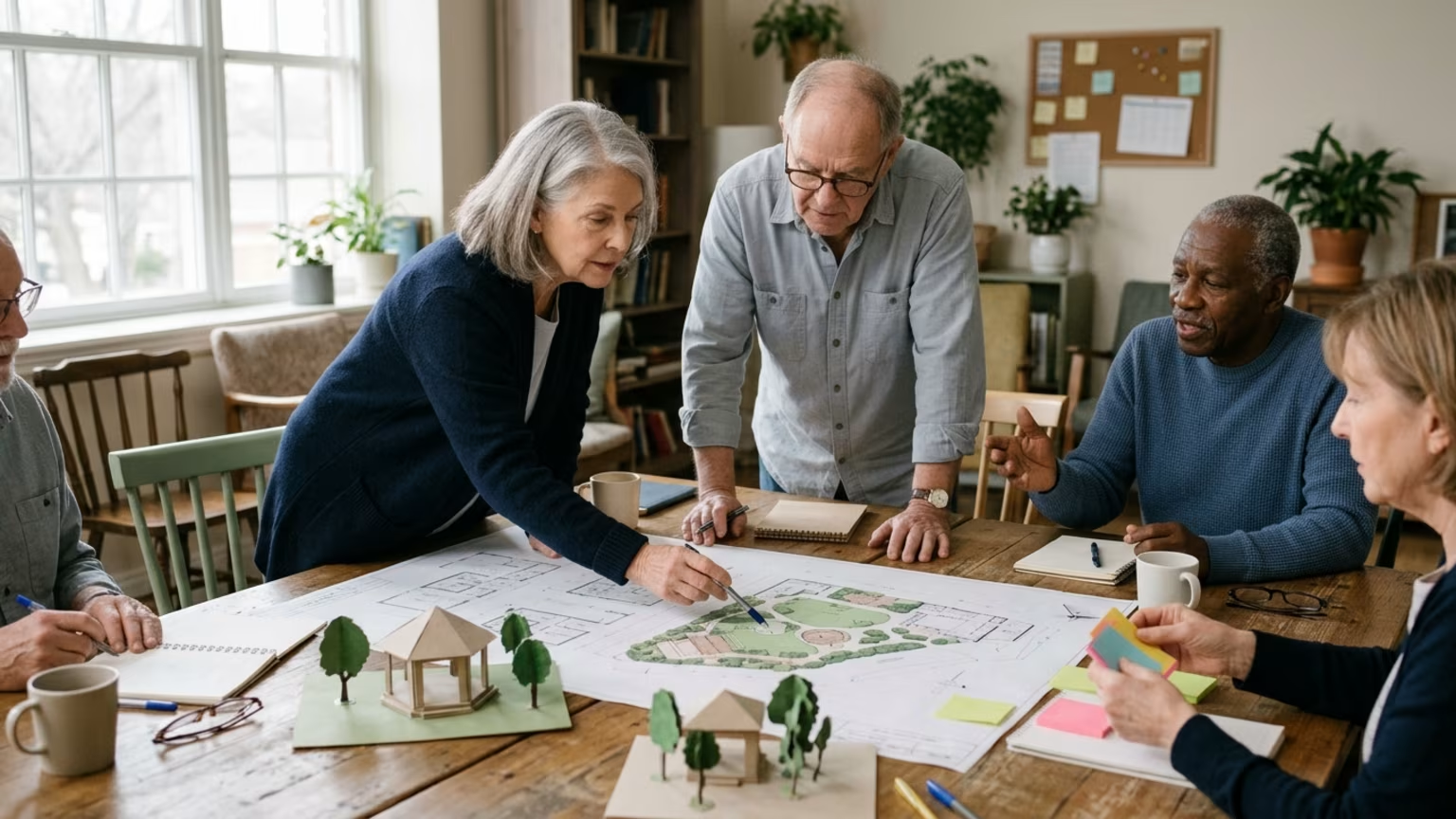
A Newsweek opinion article calls for resident choice in senior living. Learn what it means for learning, purpose and claims about cognitive health.

Retirement can change daily mental demands. Review the evidence and use an informal reflection to plan meaningful routines without pressure to stay busy.

Volunteering can offer contribution and connection after 60. Understand the cognitive research and ask practical questions to find a role that fits.

Build a meaningful retirement around roles, interests and steady rhythms, with a clear look at research on purpose and cognitive health.

Rice and Belmont Village bring virtual courses and group discussion to 33 U.S. communities. A closer look at the model, access and evidence limits.

Compare new skill learning with familiar hobbies after 60, then weigh interest, time, cost and access without overstating the memory evidence.

A Washington Post report examines crafts, mood and cognition. Learn what the findings mean for choosing an engaging hobby after 60.

WHO’s healthy-ageing midpoint report identifies policy progress and support gaps. Read its implications for independence and brain-health discussions.

Retirement planning through WHO and NIH guidance: social connection, meaningful involvement and a clearer view of normal cognitive aging.

A Post-Gazette report highlights promising animal-assisted therapy findings for older adults, with limits on claims about mood and cognition.

Learning and social contact lead a newsletter’s brain-health advice. NIH guidance helps put the suggestions and their limits in perspective.

A Kuala Lumpur retirement event highlights purpose and connection. We examine its practical message and the limits of the cognitive-health evidence.

National Seniors Australia encourages learning and social participation after 60. We examine its advice and a specific study finding on memory.

A New York Times report and Columbia research put retirement headlines in context, with attention to work history, daily life and evidence limits.
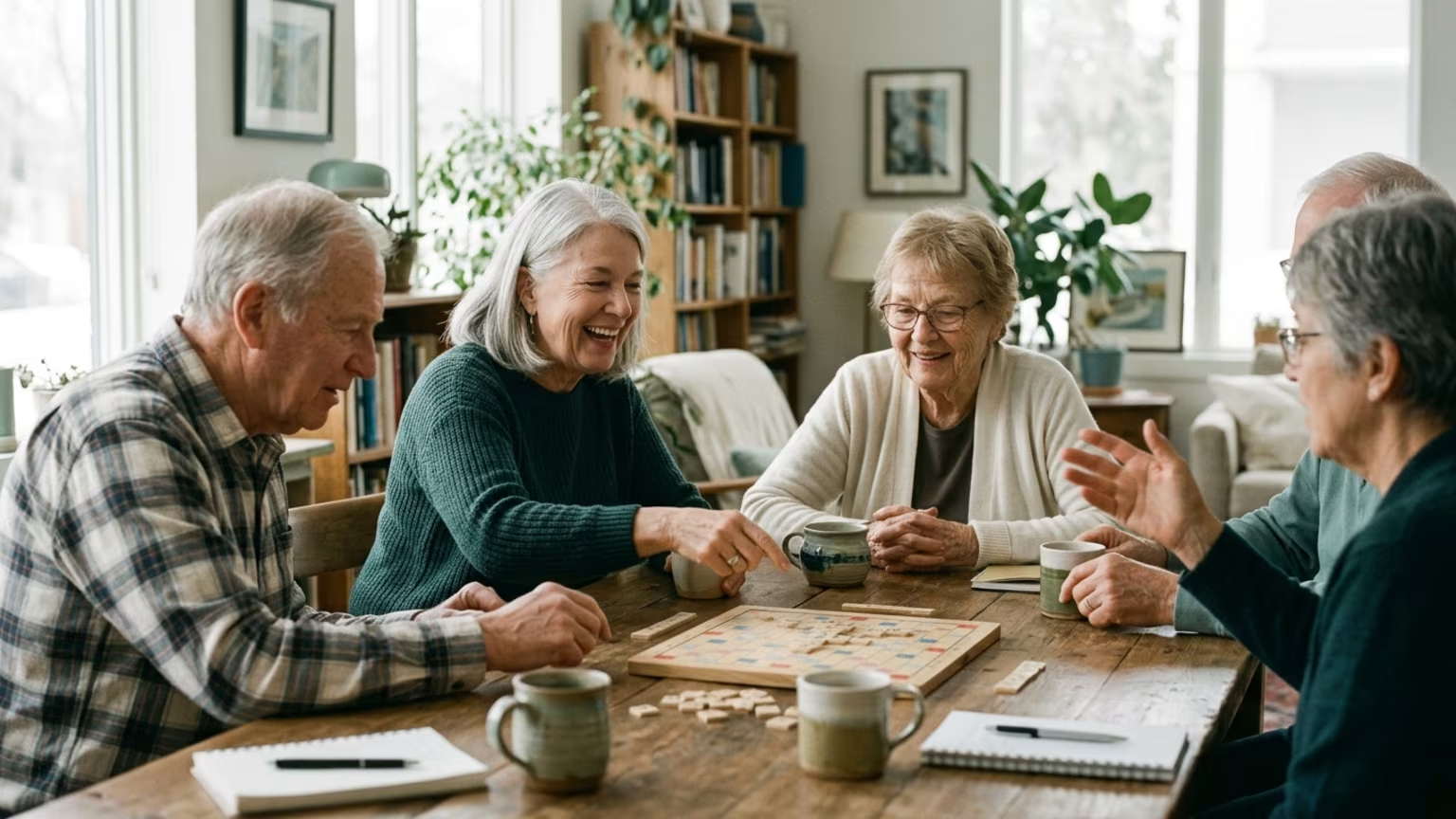
A long-term study linked sustained helping with slower cognitive decline. Learn what the finding means and how to approach social connection without pressure.

Revisit a 2023 study linking hobbies with wellbeing in older adults, with retirement context and clear limits on memory and dementia claims.

A long-running study links helping others with slower cognitive decline at higher genetic risk. Read the findings and their practical limits.
Build habits that support memory, focus and a curious, connected life.
Read the Blog




