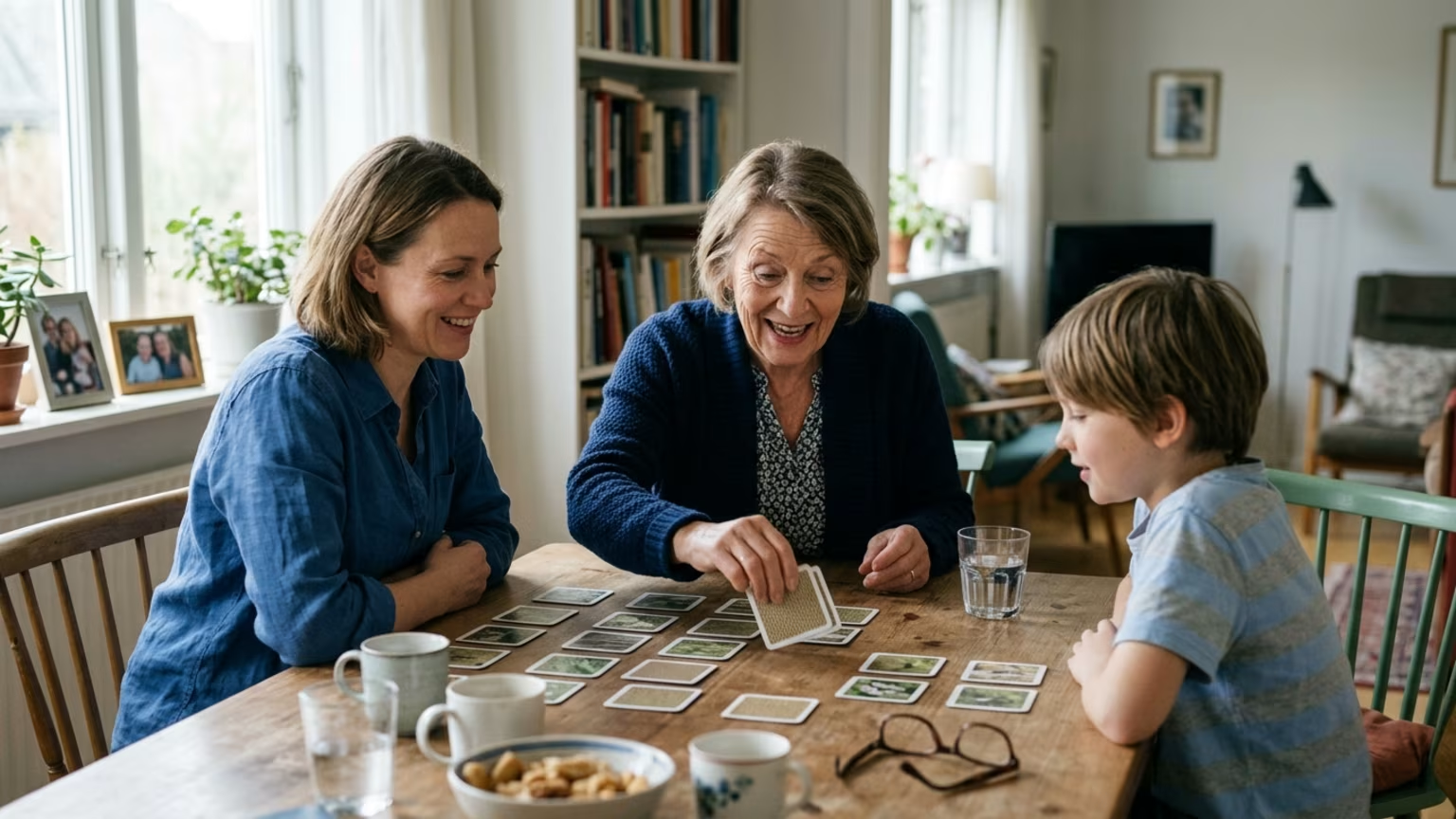
Build a meaningful retirement around roles, interests and steady rhythms, with a clear look at research on purpose and cognitive health.





Retirement does not need to become a second job devoted to keeping your brain busy. A calendar packed with commitments is not the right goal for everyone. The more useful question is whether your days contain things that matter to you.
Advice to remain constantly active can make free time sound like a problem to solve. But leaving paid work does not create an obligation to prove your usefulness every morning. A quieter retirement can still have direction, relationships and room to learn.
The New York Times frames retirement as a transition that can change daily structure, social contact, identity and opportunities for mental activity. Work may have supplied several of those things at once. The question after leaving it is which parts of that structure still matter to you.
The circumstances of leaving also matter. The Times reports that involuntary retirement from a highly satisfying job tied closely to identity is more likely to be associated with depression than leaving voluntarily or leaving a disliked job. Retirement is not the same experience for everyone.
Research on purpose offers a reason to think about meaningful activity without turning it into another performance target. The Times describes research using a decade of Health and Retirement Study data from 9,800 Americans. Sustained purpose was associated with slower cognitive decline.
An earlier ScienceDaily report described findings from more than 900 older adults without dementia in the Rush Memory and Aging Project. Greater purpose was associated with lower risk of Alzheimer’s disease and mild cognitive impairment, along with slower cognitive decline.
These findings are associations, not proof that purpose prevents decline or that retirement causes dementia. Retirement research also has to account for aging, health, job conditions and finances. The Times reports that stronger evidence is needed to establish a causal link between retirement and cognitive decline. Neither staying employed nor finding a purpose should be treated as a medical prescription.
Purpose itself need not be grand. In the Times account, Purdue sociologist Patricia A. Thomas describes it as something that can arise from small, meaningful things that make someone want to get up in the morning. That leaves room for ordinary commitments rather than a single defining mission.
The calmer argument is not that retirement requires no thought. It is that the useful task is identifying what gives your days meaning, rather than trying to reproduce the demands of employment.
The problem with a panicked retirement narrative is the standard it sets. Every open hour becomes something to justify. A class becomes an obligation rather than an interest, while a quiet afternoon becomes evidence that you are not doing enough.
That framing asks older adults to spend time and money chasing a full schedule before asking whether the schedule suits them. It also confuses being occupied with having a reason to care about what comes next. Those are different goals.
Paid work is a useful example. The Times reports that working for enjoyment or purpose differs from working out of financial necessity, which may bring more stress. Treating continued employment as the answer for everyone overlooks why someone is working and whether the choice is theirs.
The same problem appears when advice ignores access. The Times notes that finances and limited access to affordable programmes or caregiving support can restrict retirement choices. A meaningful routine should not be presented as a reward for sufficient effort or spending.
A more respectful starting point is to work with the life available now. It does not require buying a new identity or accepting every invitation. The aim is a pattern worth returning to, not a calendar that looks impressive to someone else.
The experts interviewed by the Times describe social connection, purpose and mental and physical activity as broad ingredients of fulfilling retirement. They present them as guidelines rather than a universal plan.
The prompts below are an editorial reflection exercise based on those themes, not a tested clinical programme. They are ways to clarify preferences, not boxes that everyone needs to tick.
Start with what you would like to contribute or maintain. A role need not carry a job title to matter. Helping someone or taking part in a shared activity may be more appealing than taking on another formal position.
Useful questions include:
These questions separate the wish to contribute from the pressure to remain professionally productive. FitBrainLab’s discussion of different ways to contribute after work offers another way to think about that distinction.
The point is not to replace every former responsibility. It is to identify the ones you still value.
An existing interest is a reasonable place to start. The Times describes one retiree who plays drums with a band at a local senior center. Another combined part-time nursing with a writing group and travel after leaving full-time work.
These examples show different combinations of contribution, creativity and enjoyment. They do not suggest that everyone needs a group activity or continued paid work.
Ask what you would like to learn or return to. Then ask whether you enjoy the activity itself or mainly feel that you ought to do it. That distinction keeps personal meaning at the center of the choice.
Social preferences belong in this decision too. The Times notes that some people prefer a wide circle while others prefer a few close relationships. It also reports that shared-interest groups have been associated with better physical and mental well-being in retirement.
For readers drawn to creative work, turning an interest into a manageable project offers a different starting point from joining more activities.
Once a role or interest feels worthwhile, the next question is where it belongs in everyday life. A rhythm is a dependable pattern, not a demand to account for every hour.
The research does not supply a single ideal retirement timetable. The practical task here is to match meaningful activities and relationships with your circumstances.
Questions that keep the focus on fit include:
There is no need to answer every question with a new commitment. The exercise can also reveal something worth keeping, such as an existing relationship or an interest that already gives the week direction.
FitBrainLab’s discussion of giving everyday activities a dependable place continues this focus on structure rather than constant busyness.
A sustainable measure of success is whether the pattern remains personally worthwhile. Does it offer something to anticipate? Does it reflect the relationships and interests you value? Is it workable within your circumstances?
Those questions leave room for adjustment. A routine can change without becoming a failure, and an interest can be worth returning to without becoming another target to outperform.
You can trust your judgment, choose what matters and leave room for a life that feels like your own.
After identifying what gives retirement its shape, the next step is assessing advice about staying engaged, a task FitBrainLab supports through research-led explanations. For adults 60+ facing a loss of structure or learning opportunities, its coverage of purposeful living and cognitive aging helps make everyday possibilities easier to assess without fear or inflated promises.

Follow FitBrainLab for research-led insights on memory, focus, brain aging, nutrition and mental fitness after 60. Stay connected for new articles, practical guidance and ideas for a sharper, more engaged life.




Build habits that support memory, focus and a curious, connected life.
Read the Blog