short eyebrow
Your sharpest years can still be ahead
Build habits that support memory, focus and a curious, connected life.
Read the Blog
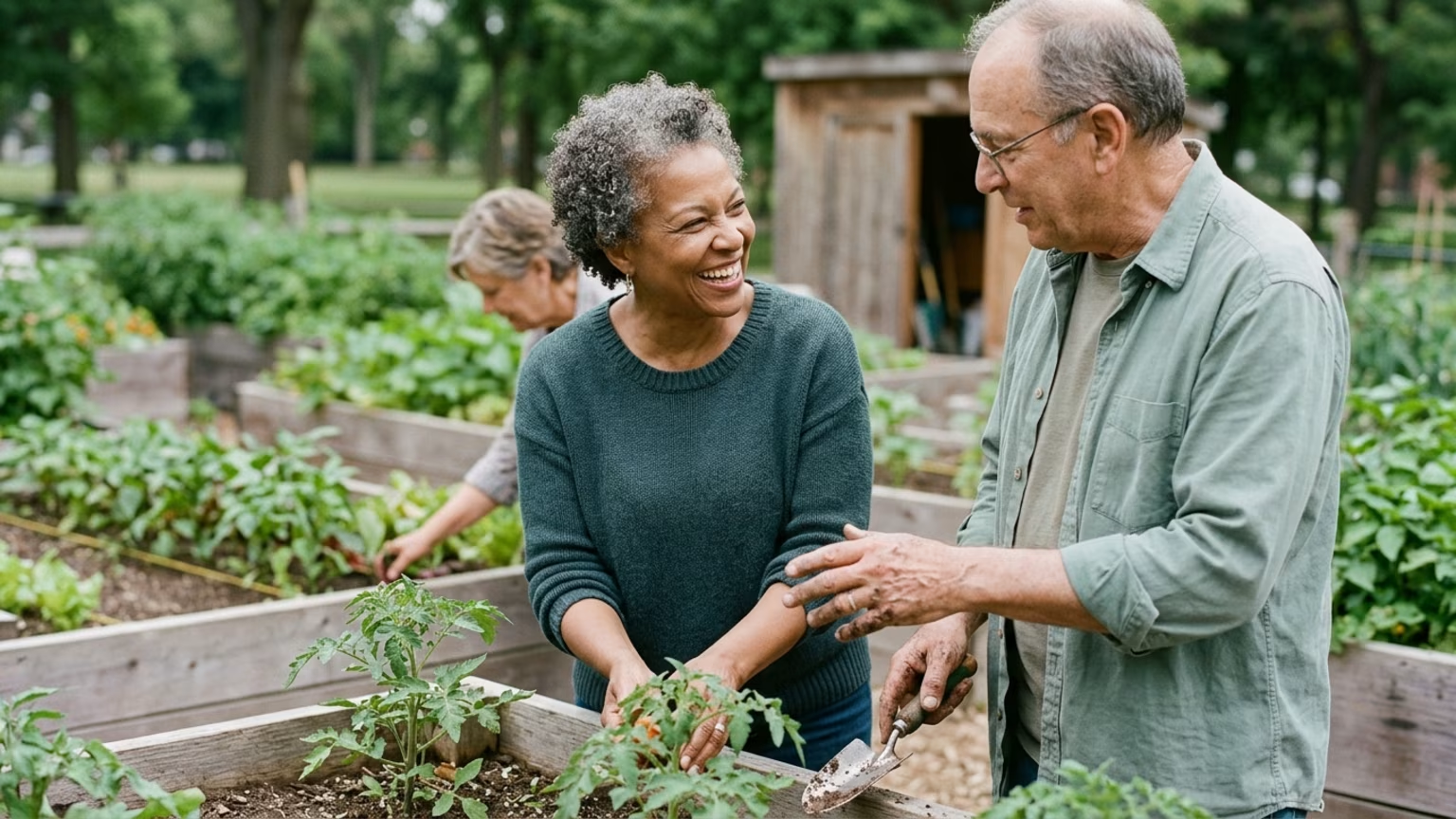
We review how everyday social connection, continuous learning and purposeful habits support memory preservation and cognitive vitality for adults over 60.

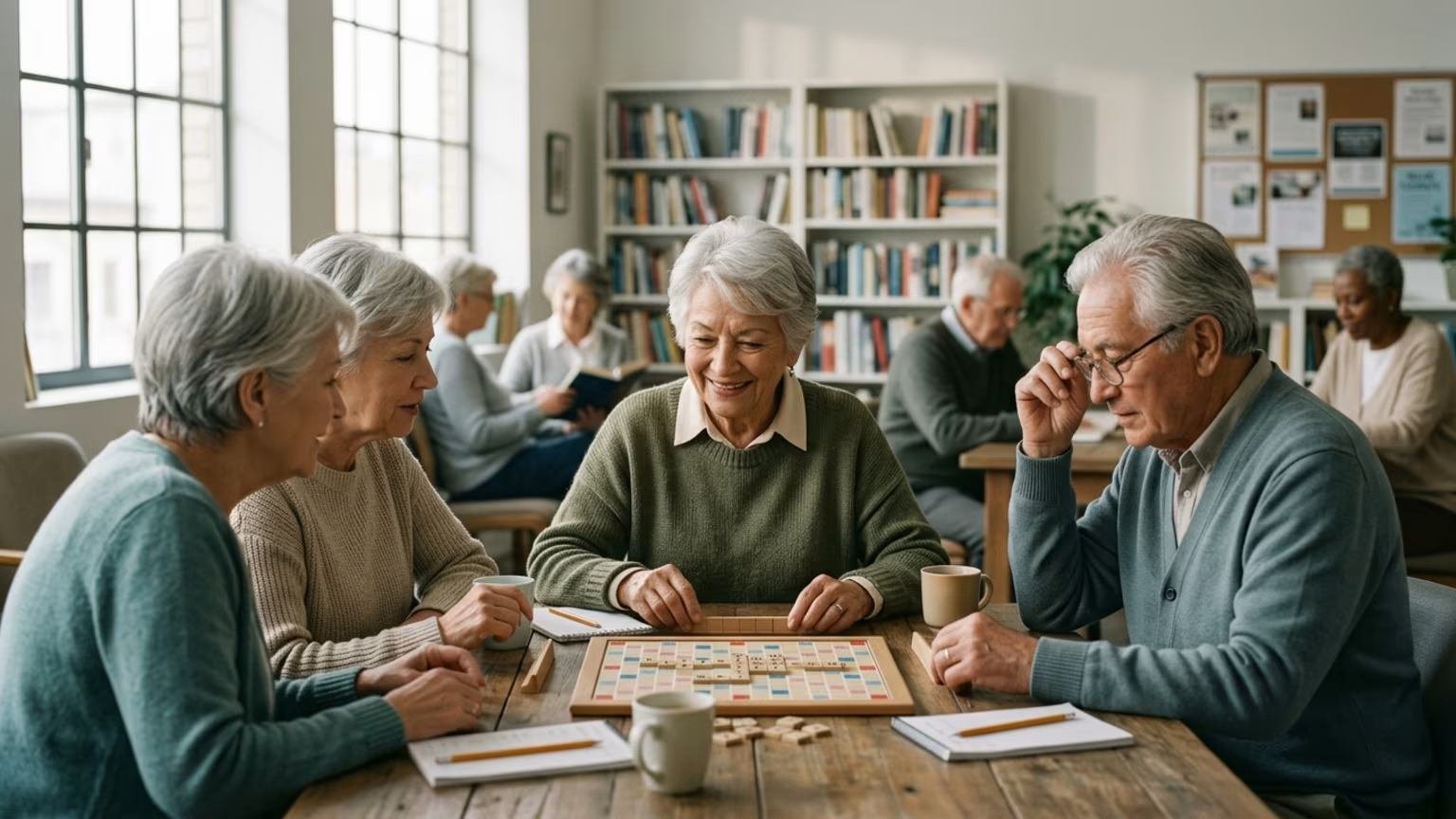
A University of Cambridge review associates reading with slower cognitive decline, highlighting how social routines support brain health after 60.

A 2026 Wake Forest study found observational associations between chronic stress, perceived social support, and cognitive aging. Learn how these factors operate.
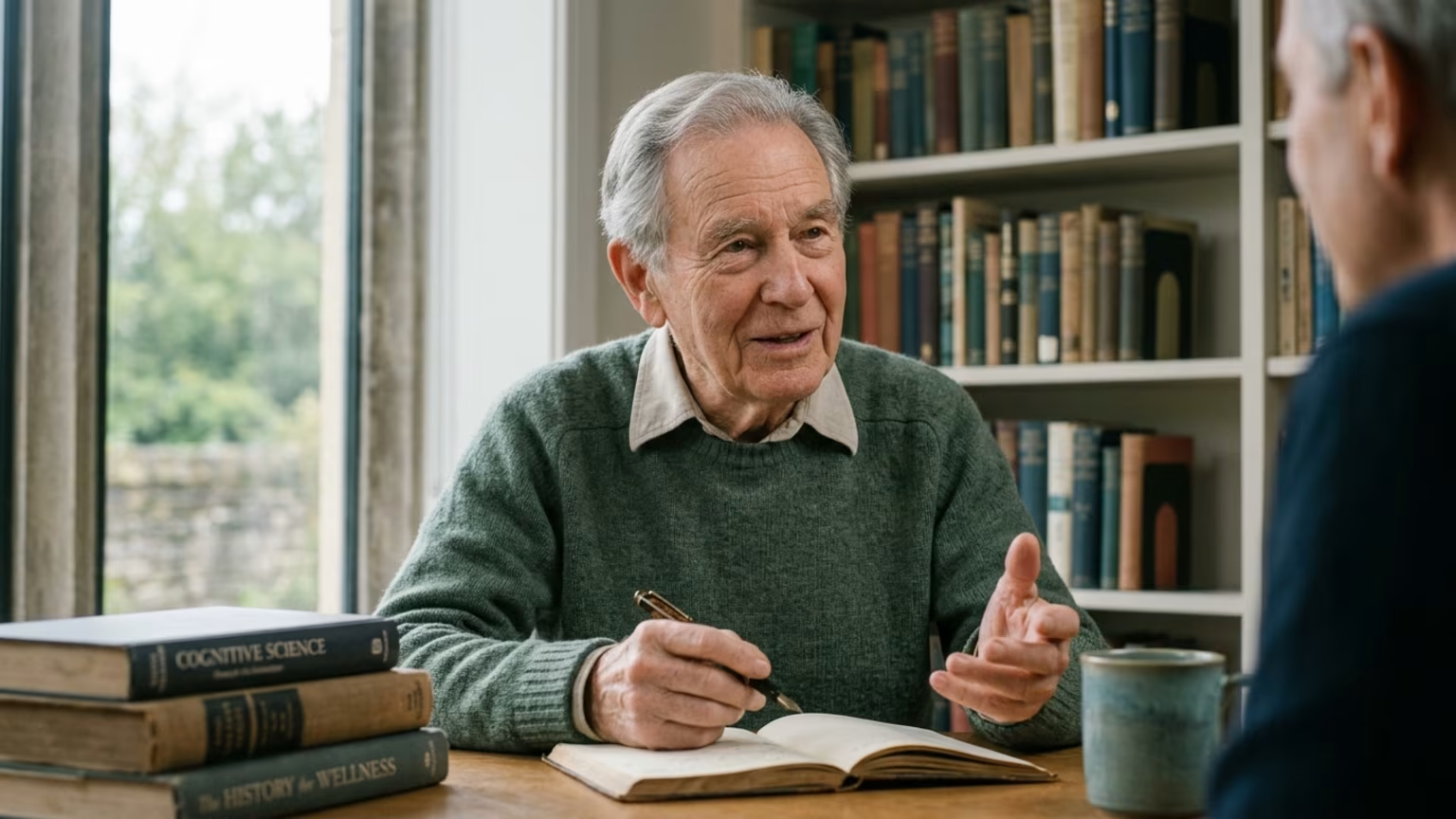
Chris Crowley shares his approach to mental engagement at 92. We review his advice on daily challenges alongside current evidence on cognitive longevity.
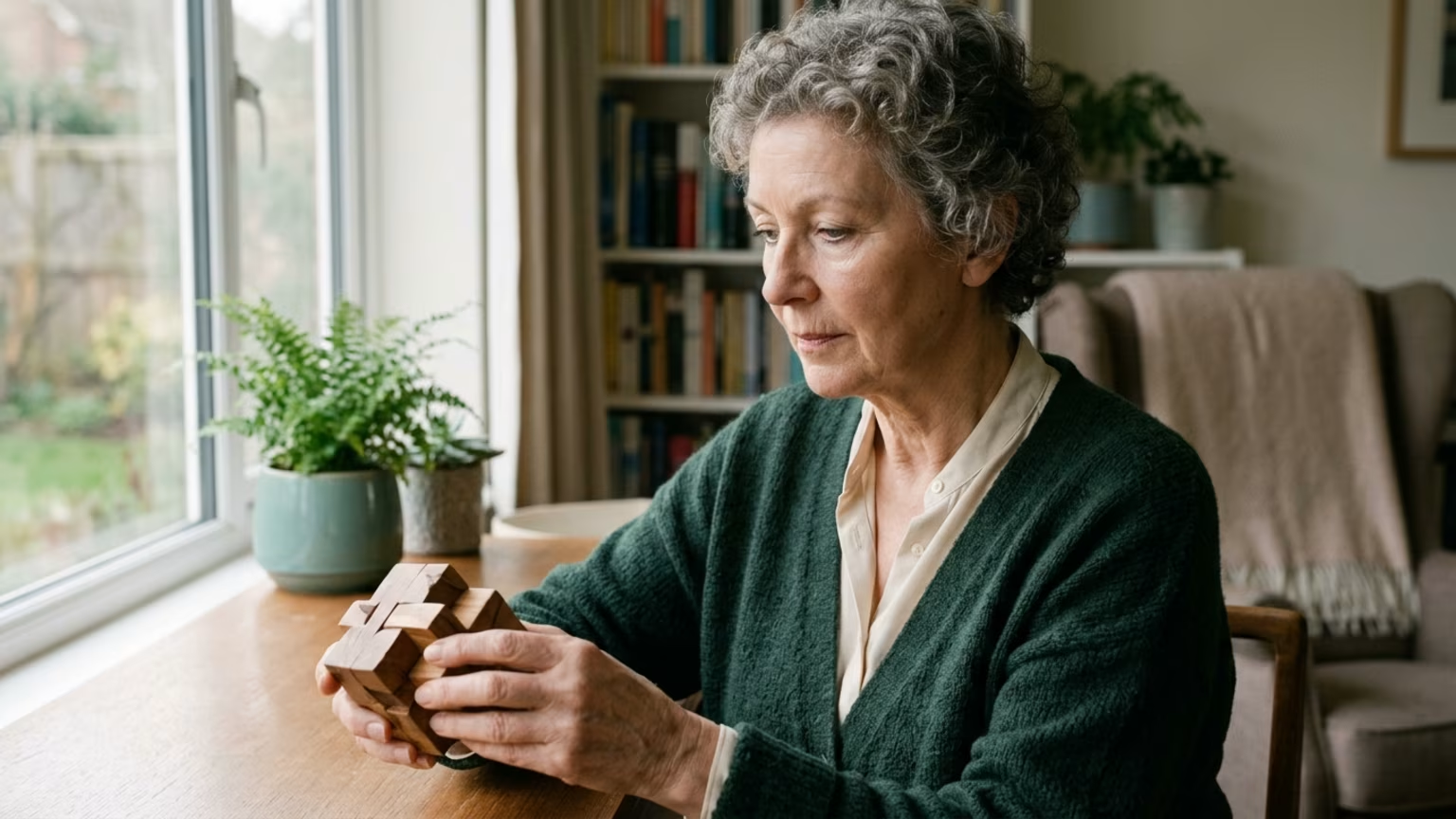
HMRI and the WHO highlight a life-course approach to cognitive health. Learn how managing sensory care, physical activity, and social ties impacts dementia risk.
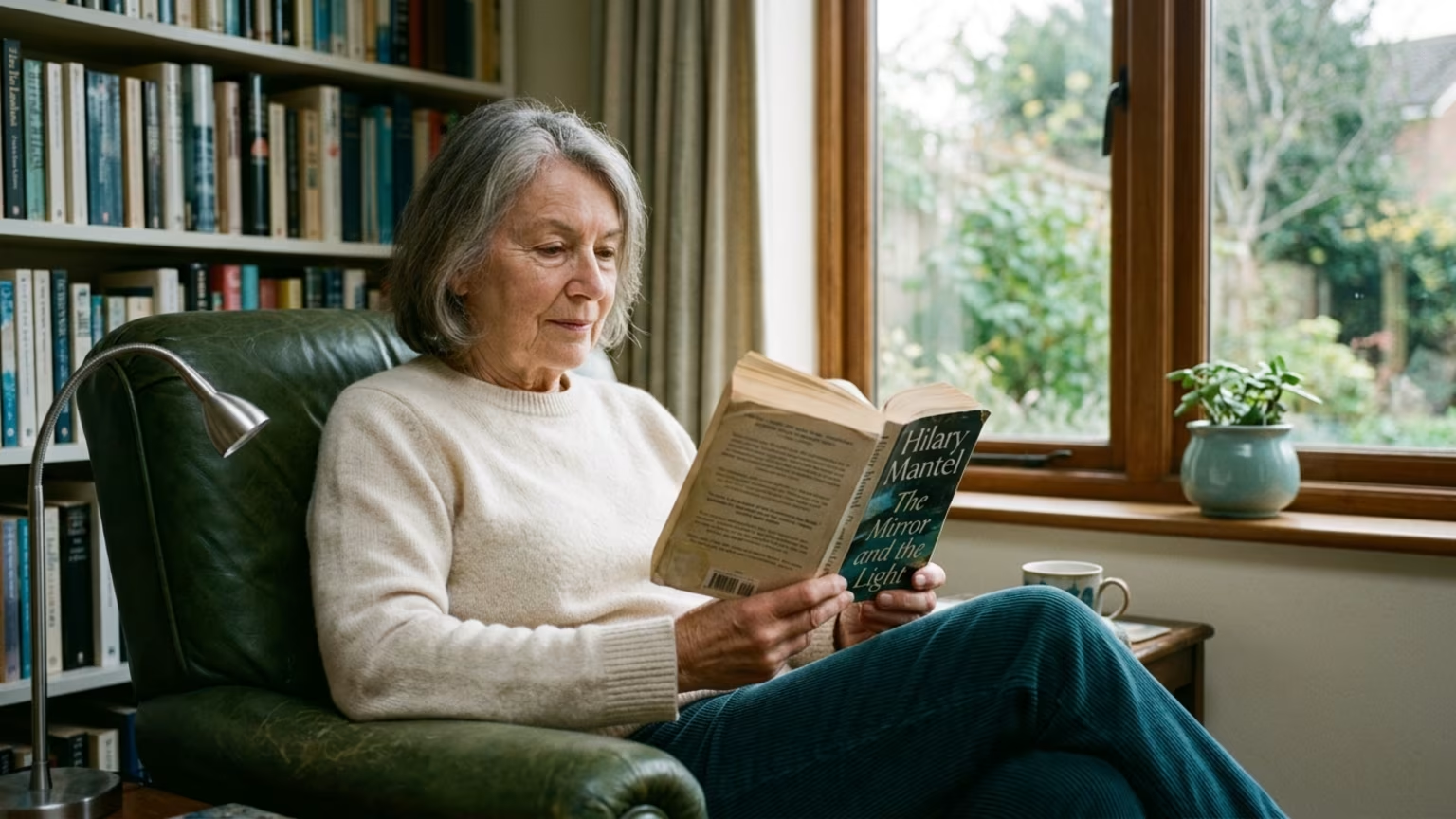
A Cambridge review examines how reading for pleasure and social book clubs relate to cognitive health, well-being, and memory in older adults.

A Columbia University study linked employment instability and early retirement to poorer later-life cognitive outcomes. Learn how to plan your daily routines.
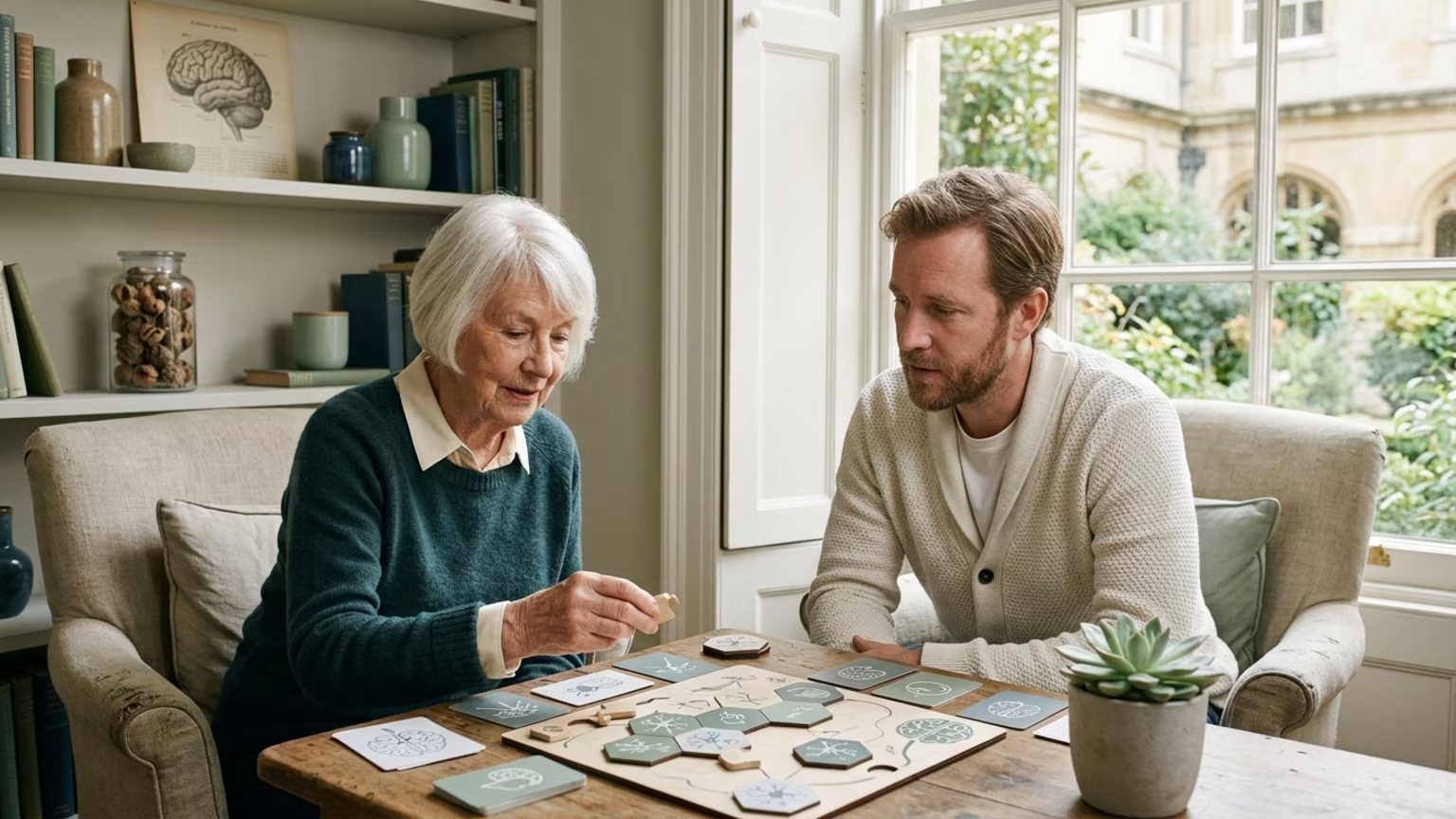
Healthy aging prioritizes healthspan and functional independence rather than pursuing youth. Learn how daily habits and sensory care support cognitive longevity.
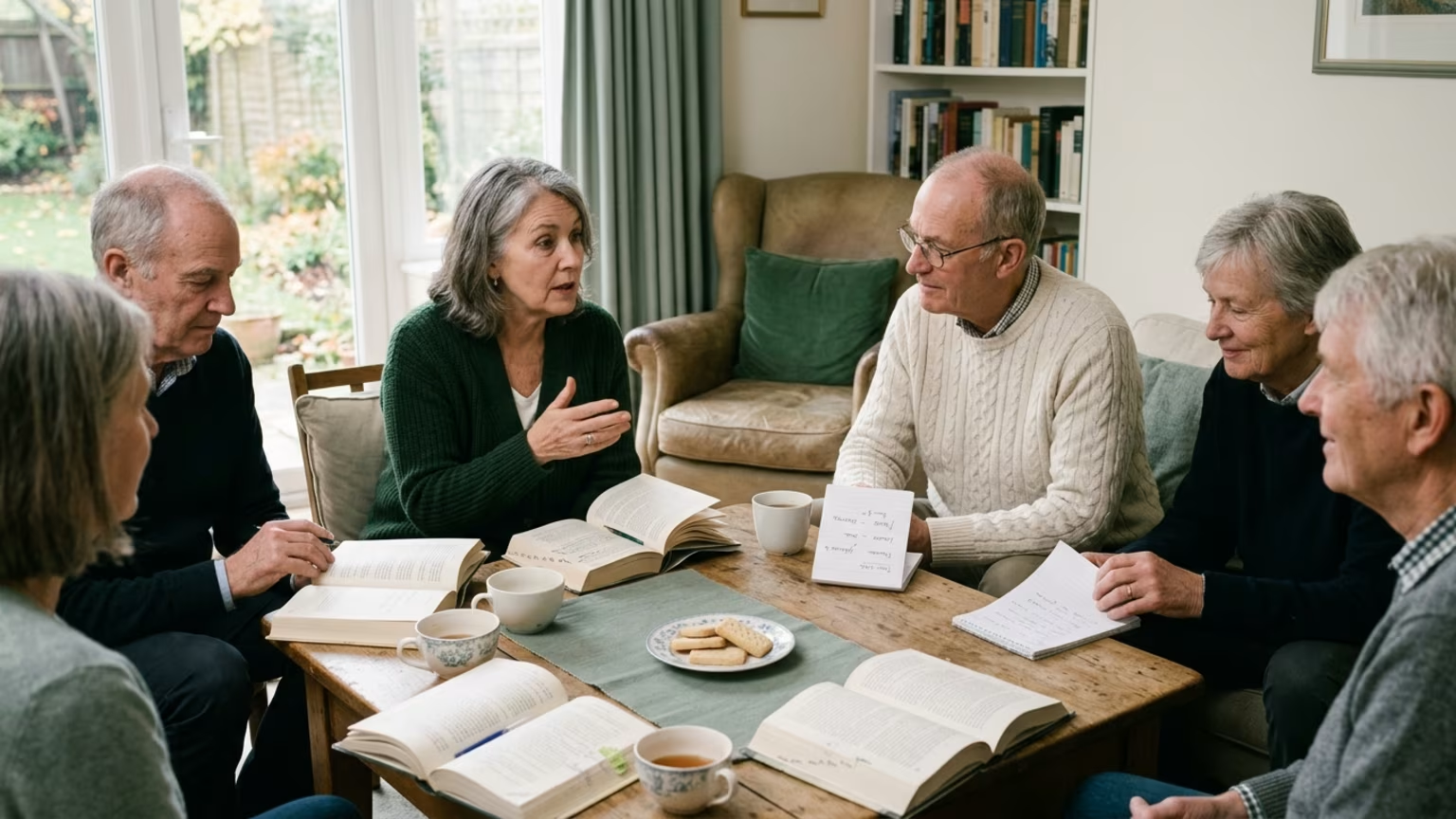
A 2026 Cambridge review explains how reading and joining a book club may support cognitive health, memory and social connection in adults over 60.

A neurologist advises older adults to prioritize exercise, the MIND diet and social connection over unproven memory supplements to support cognitive health.

A practical guide to Cleveland Clinic's 2026 recommendations on manageable, engaging social routines for adults living with mild cognitive impairment.
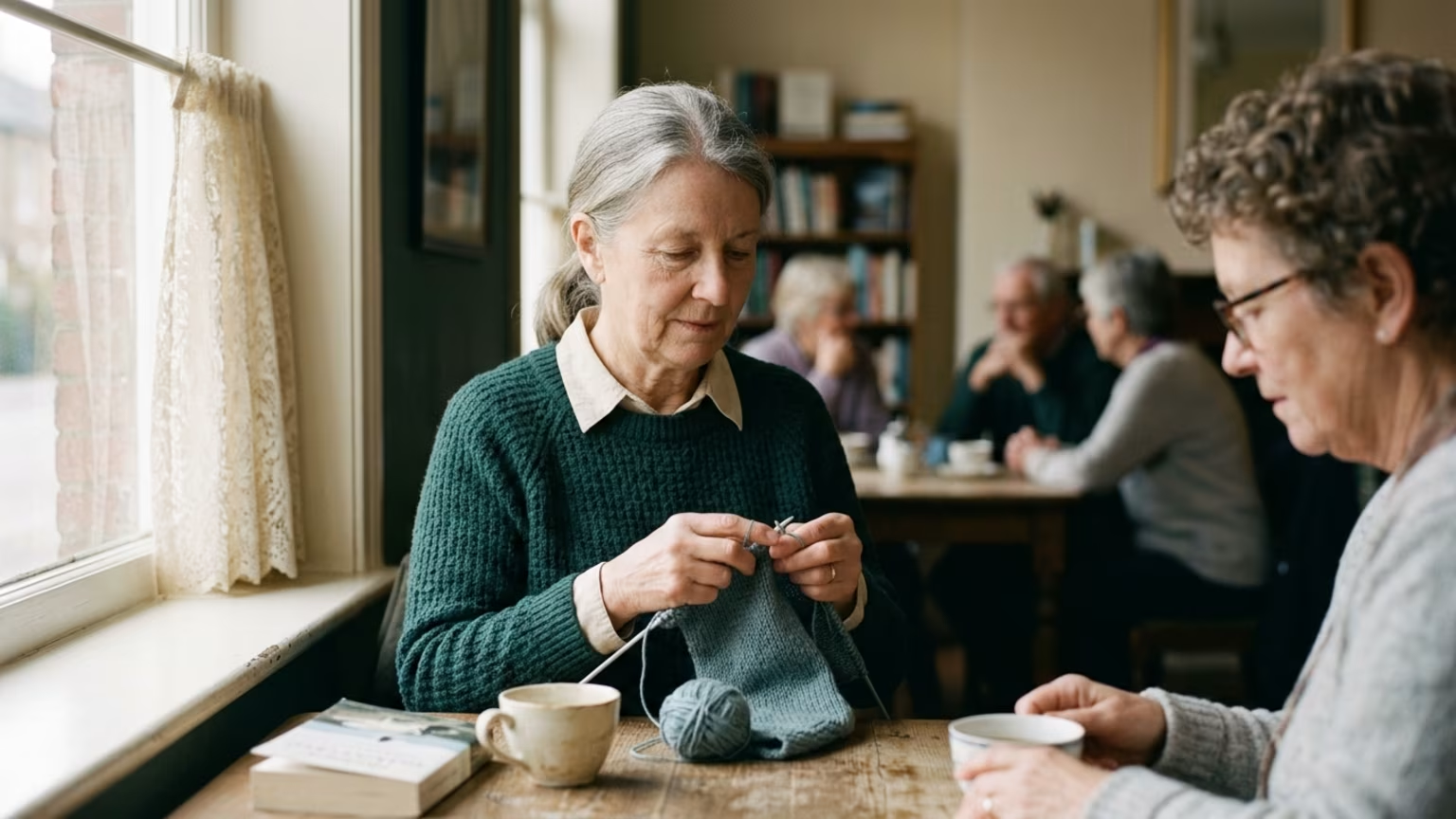
Le Figaro examines whether introverted older adults must socialize to age well. Recent data shows meaningful connection matters more than a packed schedule.

University of Arizona researchers propose the adaptive aging hypothesis, arguing that healthy late-life cognition shifts toward accumulated knowledge and meaning.

A recent analysis examines how leaving demanding careers affects mental health, offering practical ways for older adults to build structured daily routines.

New research from SISSA shows how lifelong learning, demanding work, and cognitive reserve influence language and memory performance in adults over 65.
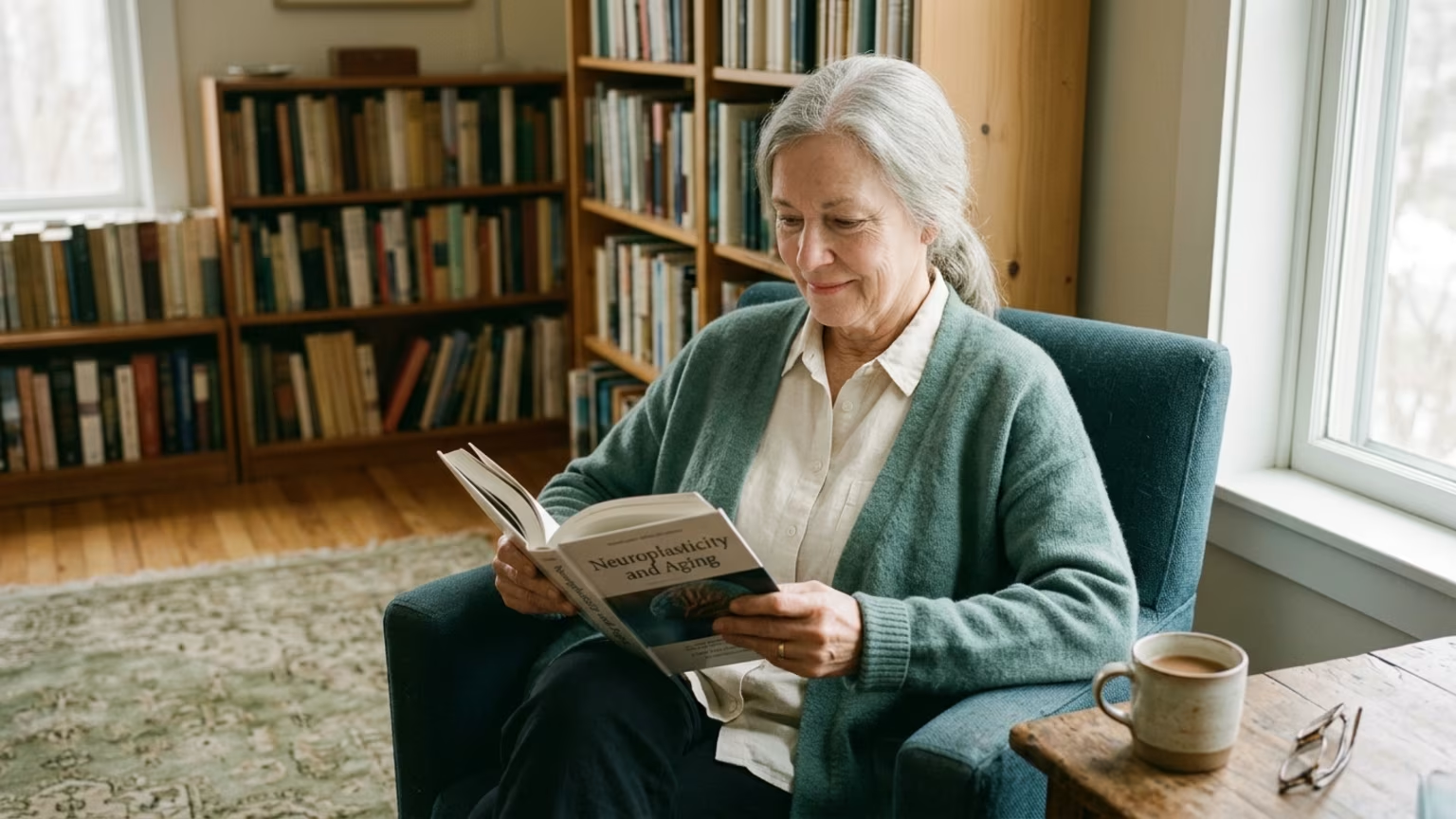
A 2026 review in Psychological Medicine associates reading for pleasure with better mental health and lower dementia risk. Learn how to build a safe daily habit.

Recent Cleveland Clinic research suggests caring for grandchildren may support cognitive outcomes. Read how active social routines benefit brain aging after 60.

A review of the Harvard Study of Adult Development and recent clinical research detailing how meaningful social relationships support healthier cognitive aging.
Build habits that support memory, focus and a curious, connected life.
Read the Blog