lifelong curiosity
Your sharpest years can still be ahead
Build habits that support memory, focus and a curious, connected life.
Read the Blog
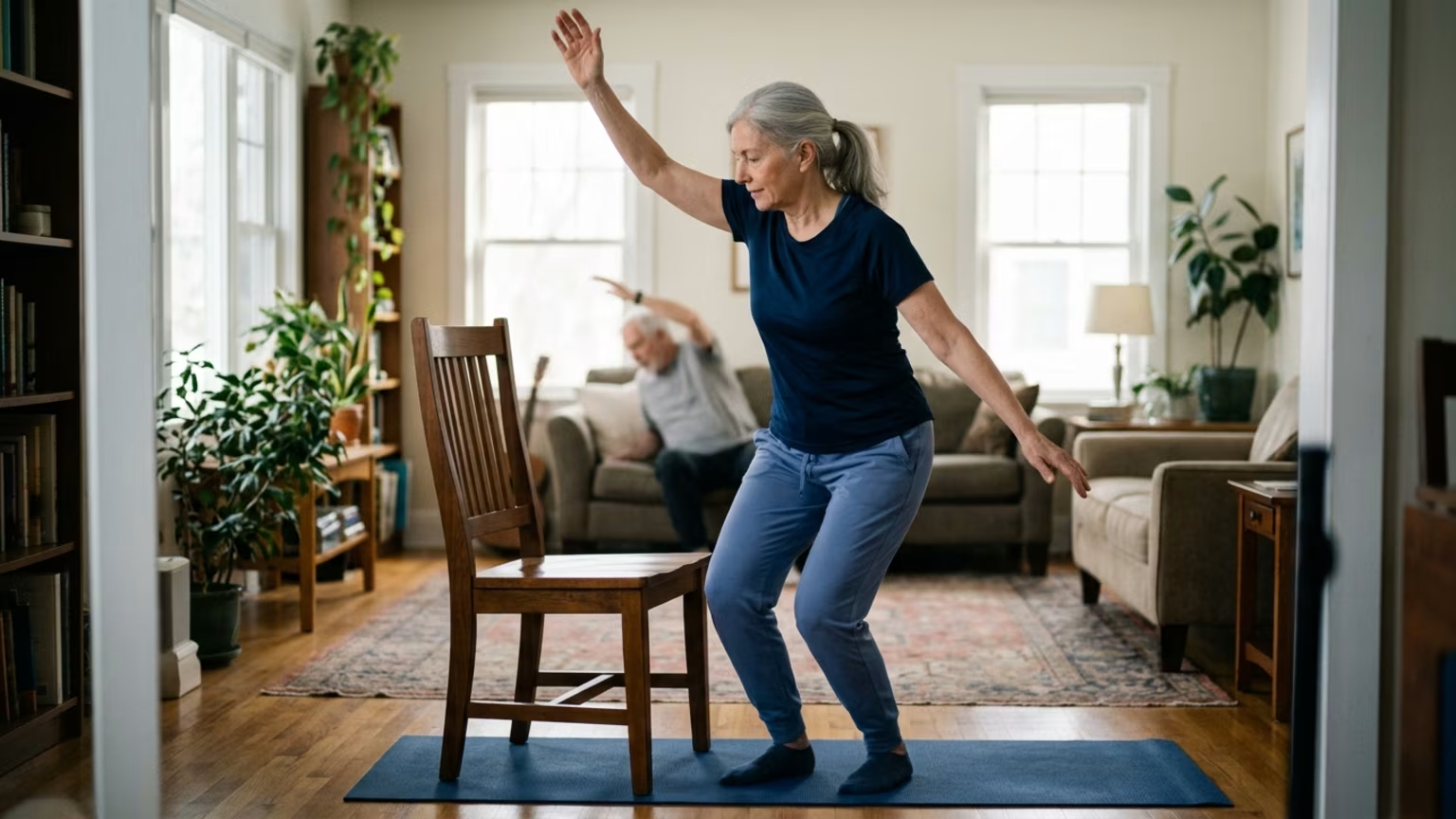
Plan movement after 60 with walking, strength, balance and daily activity. See how physical-health evidence differs from claims about memory.

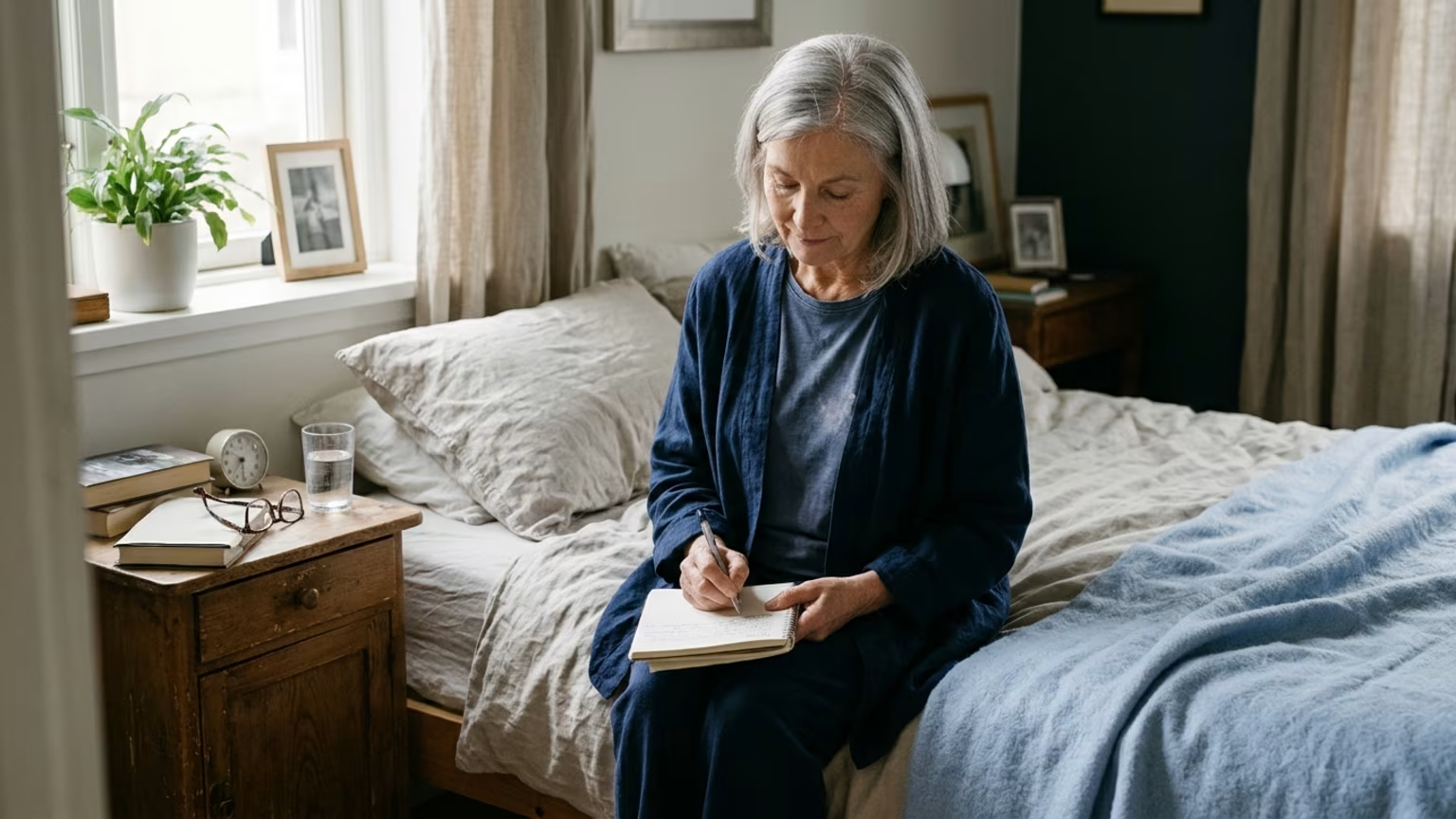
A flexible approach to sleep regularity after 60, with practical habits, clear evidence limits and reasons to discuss ongoing problems with a clinician.

A calm guide to sleep after 60, with flexible routines and signs worth discussing with a clinician, without treating each night as a memory test.
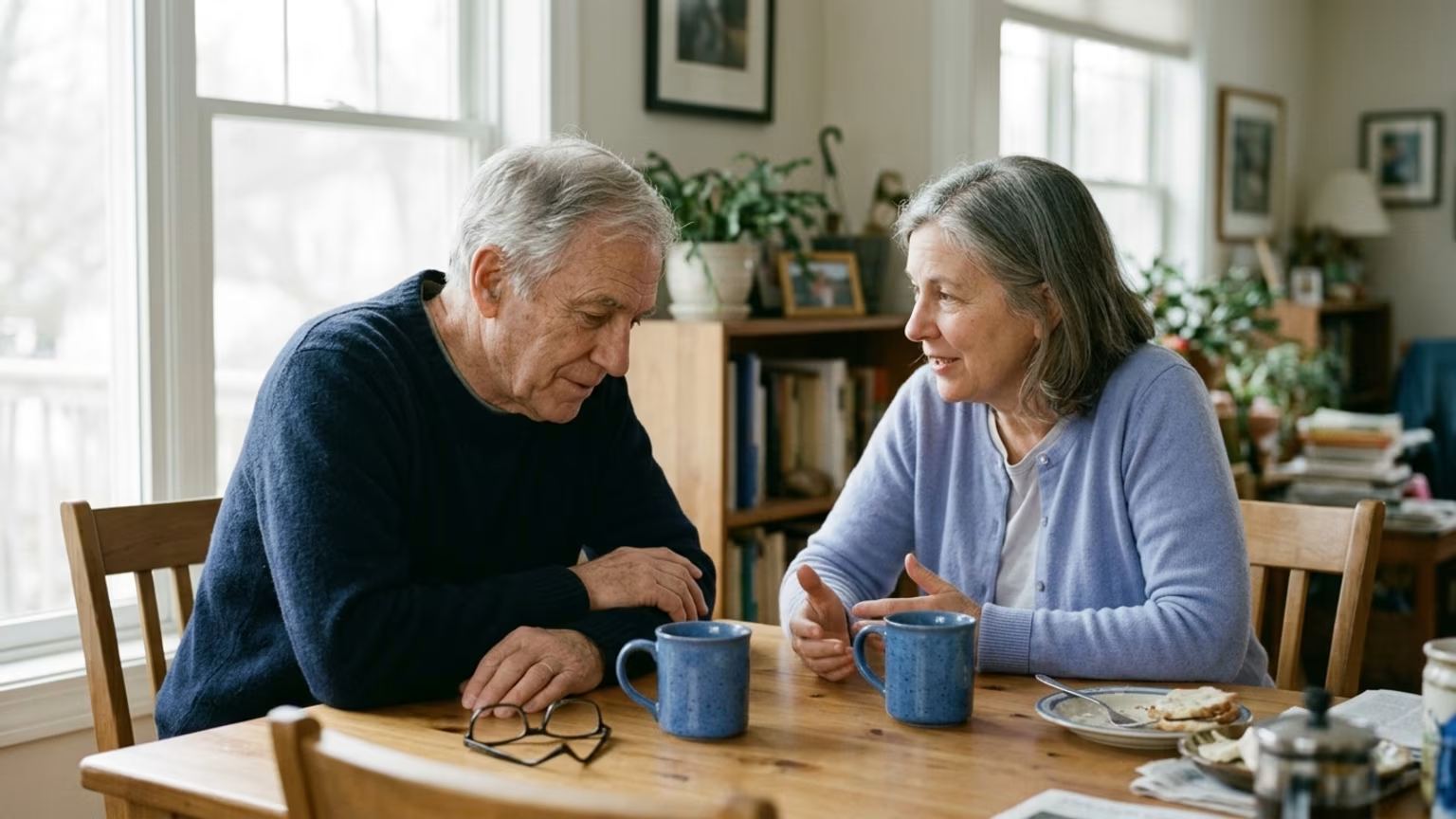
Understand why listening difficulties matter for conversation, when to ask about hearing assessment, and what research says about cognition.

A pooled study linked more social activity types with higher cognitive scores in older adults. See what the findings mean for everyday choices.
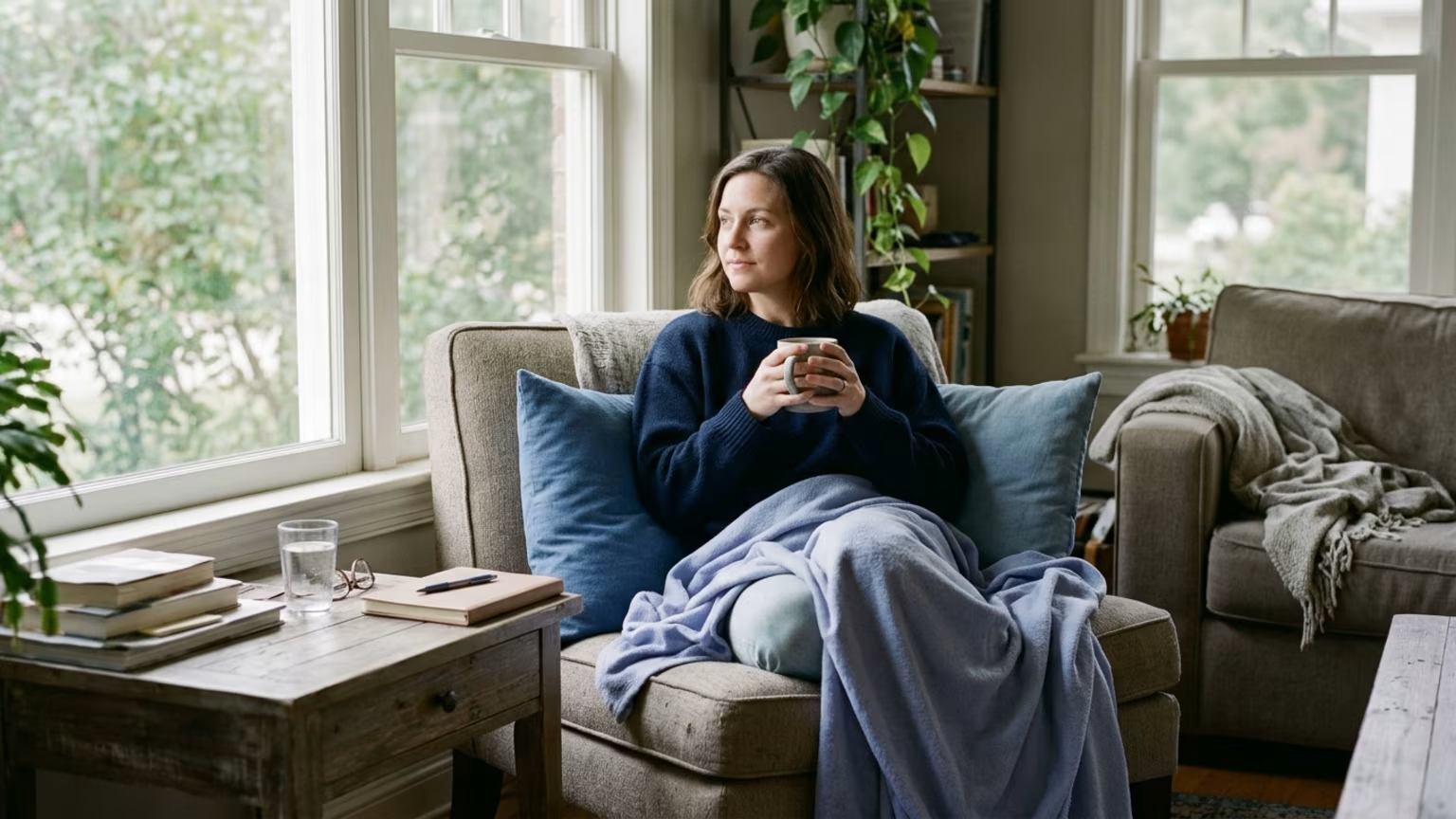
Use familiar daily anchors to make room for movement, connection and interests without turning brain health into a rigid schedule.

A UK Biobank report links small amounts of activity with lower dementia risk. Read the findings, evidence limits and practical context for adults over 60.

Movement after 60 has value beyond memory promises. Learn how to view the evidence and build a flexible mix of activity around everyday life.

Understand lighter sleep after 60, review everyday habits, and learn when persistent sleepiness, insomnia or snoring deserves clinical advice.

Strength and balance deserve attention beyond memory claims. Learn what WHO guidance supports and how to connect movement with everyday participation.

A calm look at movement breaks after 60, with practical ideas for sitting less and clear limits on claims about memory benefits.

A varied movement routine after 60 can address endurance, strength and balance. Weigh cognitive-health evidence without perfect-workout pressure.

A study of China’s aging-in-place policy reports better delayed recall. Read the findings, practical implications and limits for older adults.
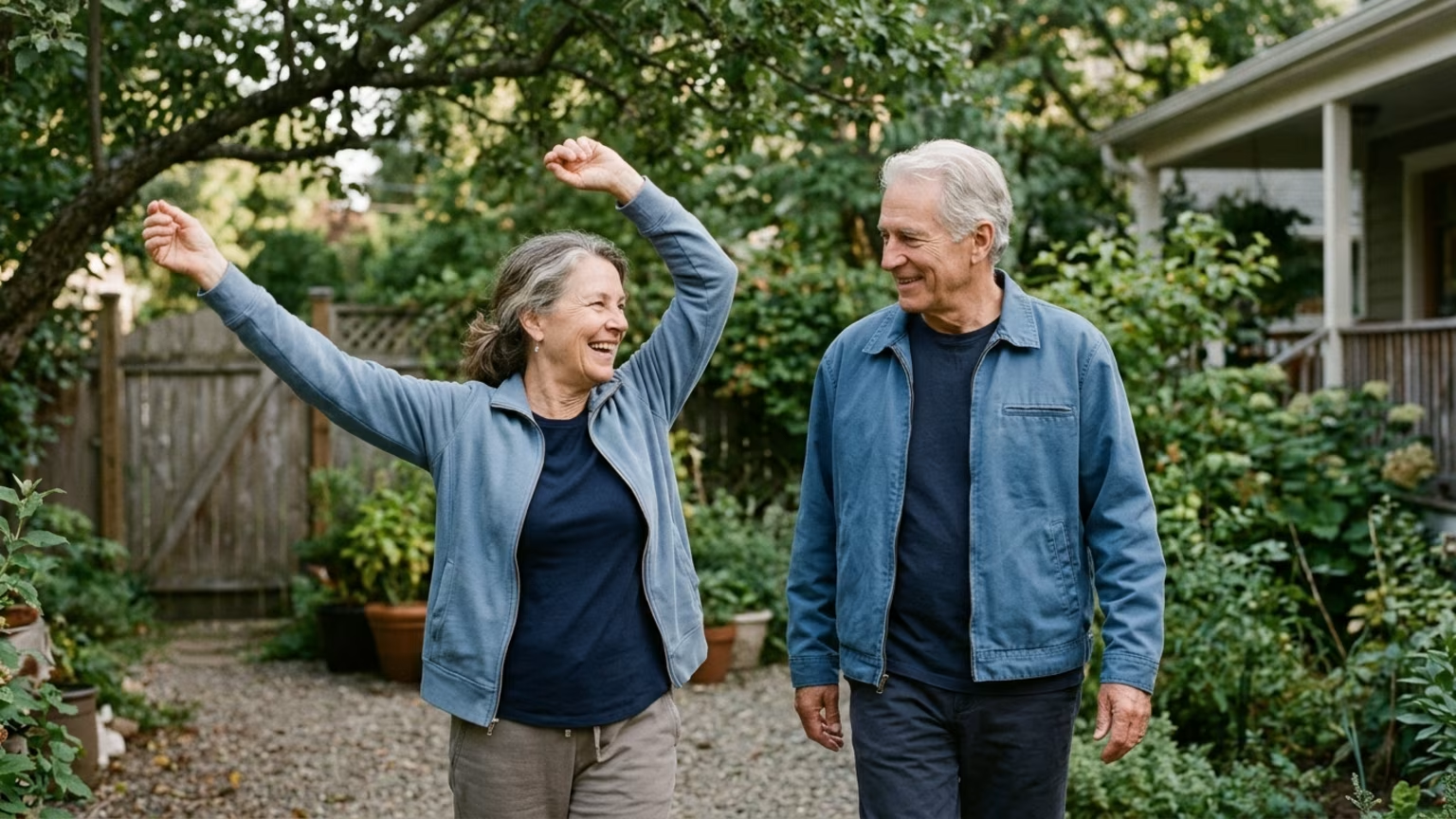
A calm look at mentally engaging movement after 60, with research on dancing and walking plus practical context on enjoyment, balance and adaptation.

An expert-advice feature highlights sleep, movement and social contact. Read its practical guidance alongside WHO dementia risk-reduction advice.

Novant Health’s preventive neurology interview connects exercise, sleep and vascular risk with personal care planning, with clear limits on prevention claims.

Sleep supports memory and mood after 60. Learn how to assess napping findings and which persistent sleep problems deserve a health conversation.

A study links immature-neuron profiles with cognitive resilience. Learn why the findings matter and why they do not establish prevention or treatment.
Build habits that support memory, focus and a curious, connected life.
Read the Blog




