lifelong curiosity
Your sharpest years can still be ahead
Build habits that support memory, focus and a curious, connected life.
Read the Blog
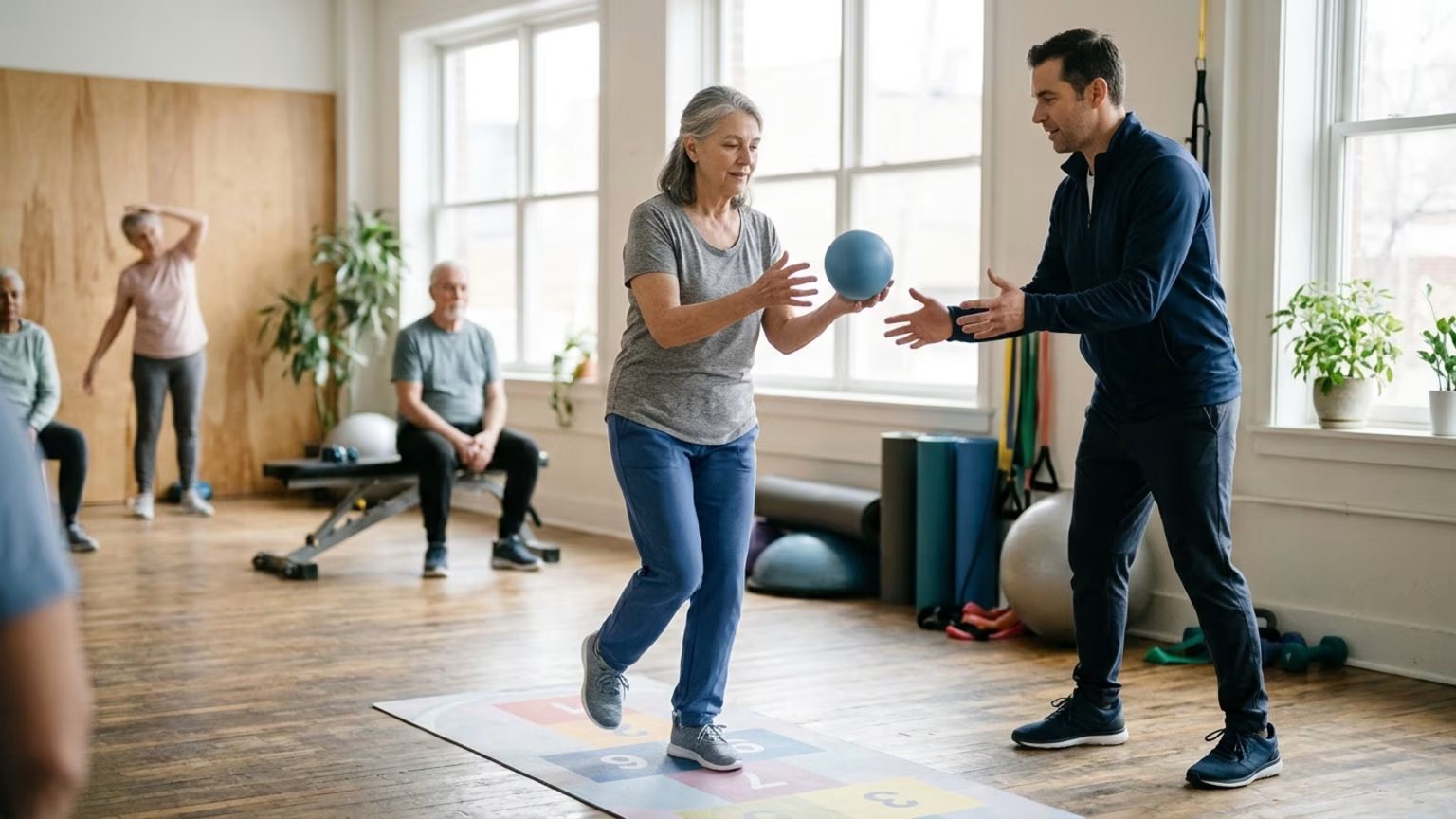
Louis Bherer describes programs pairing exercise and cognitive activity. Read about the findings, daily-life implications and limits of the evidence.

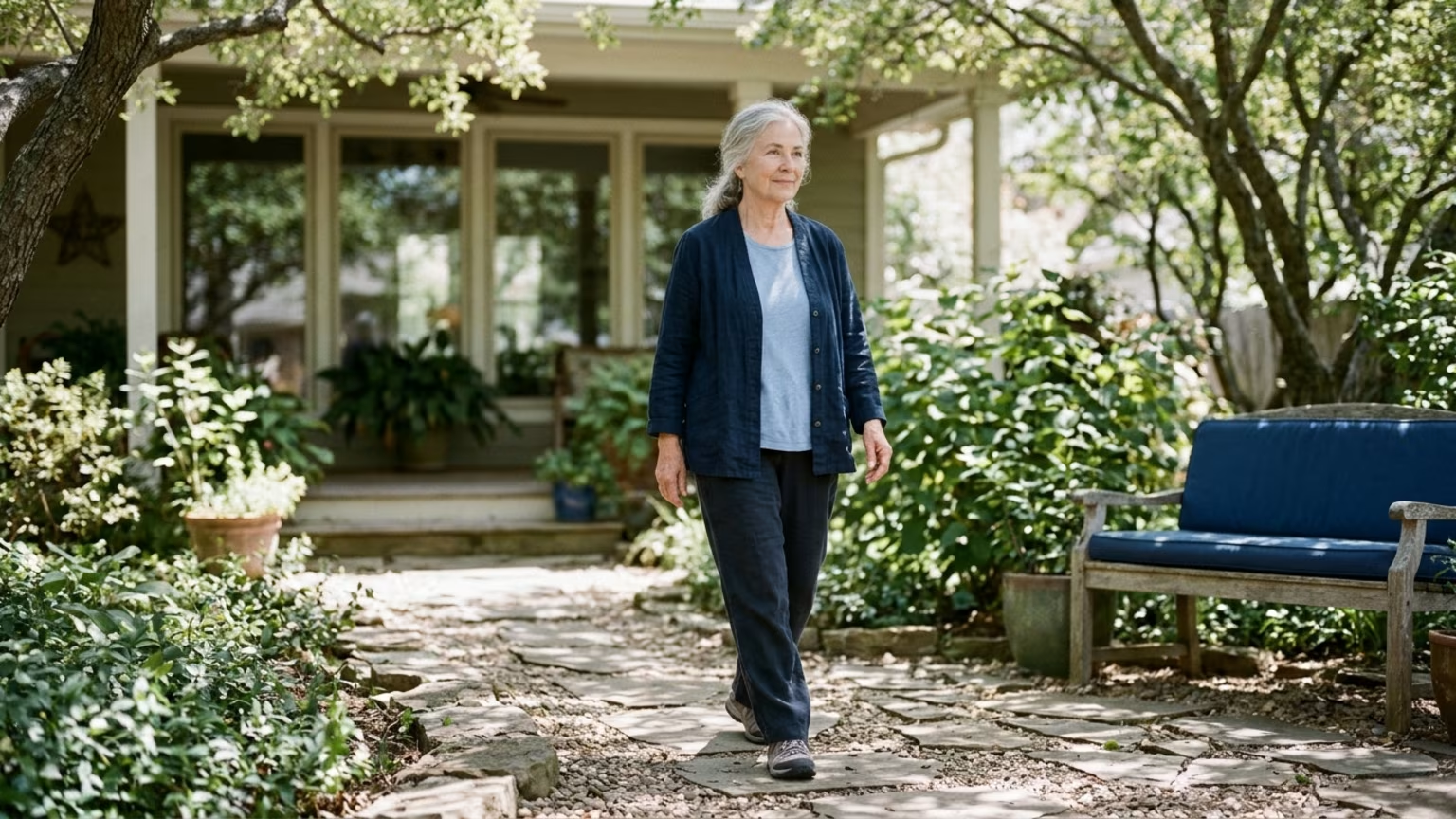
Daylight, activity and steadier sleep times may support sleep after 60. Find a flexible approach and learn when individual guidance matters.

Compare aerobic, strength and balance activity after 60, with adaptable planning and a clear distinction between physical benefits and dementia claims.

Unrefreshing sleep after 60 deserves attention, not blame. Learn how daytime function, steady routines and persistent symptoms guide the next step.

Gardening, housework and walking for errands can add movement after 60. Build a realistic view of activity without brain-health promises.

AARP's report connects education and dementia risk with later-life resilience. Read the U.S. POINTER findings and their limits.

Alzheimer’s Research UK highlights blood pressure, cholesterol, diabetes risk, hearing and vision checks as part of a broader approach to brain health.

Ron Petersen’s interview puts movement, enjoyable learning, sleep and social contact in context, with clear limits on claims about dementia prevention.

Compare walking with a varied movement routine after 60, including physical benefits, cognitive evidence and adaptable ways to organize activity.

A calmer guide to sleep after 60, with habits for consistent rest, a clear look at cognition research and signs to discuss with a clinician.

Cambridge experts highlight sleep, movement, social contact and learning in a brain-health guide. Read the practical implications and evidence limits.
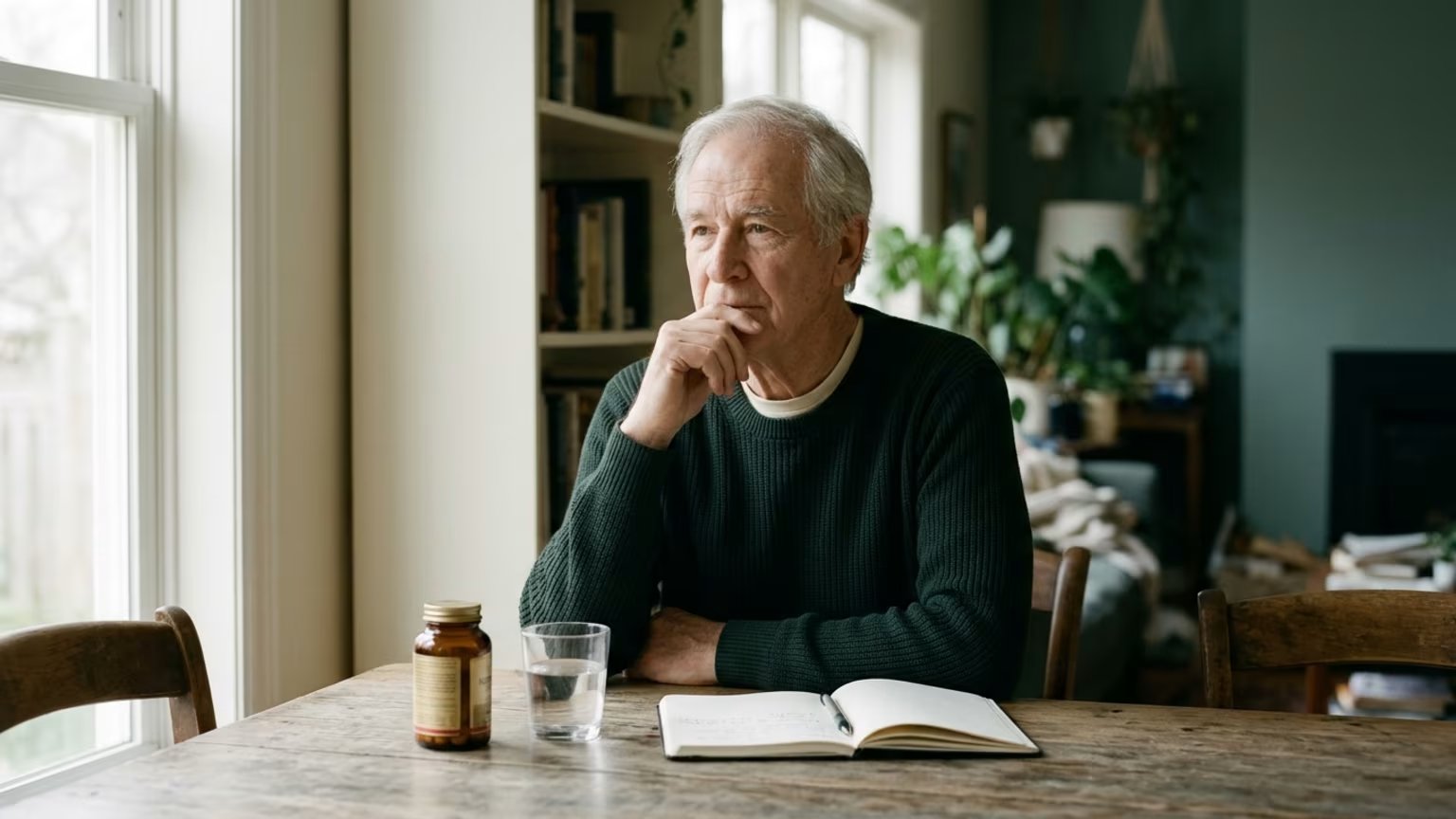
A two-year DHA trial found no memory benefit over placebo. Learn what the results mean for supplement expectations and why they do not settle questions about fish.

A Stockholm study linked greenery near home with lower dementia risk. Read the findings, limits and practical meaning for adults over 60.

A study linked activity with diabetes risk in adults 63 and older. Understand the findings, their limits and their indirect relevance to cognitive health.

A tissue study found signs of neuron formation in older adults and Alzheimer’s-related differences. Learn what the findings mean for daily brain-health choices.

AARP’s new feature highlights movement, sleep, learning and connection. Here is how adults over 60 can read its advice without overstating the evidence.

TMU reports links between vascular health and memory after menopause. Read about the findings, evidence gaps and relevance for adults over 60.
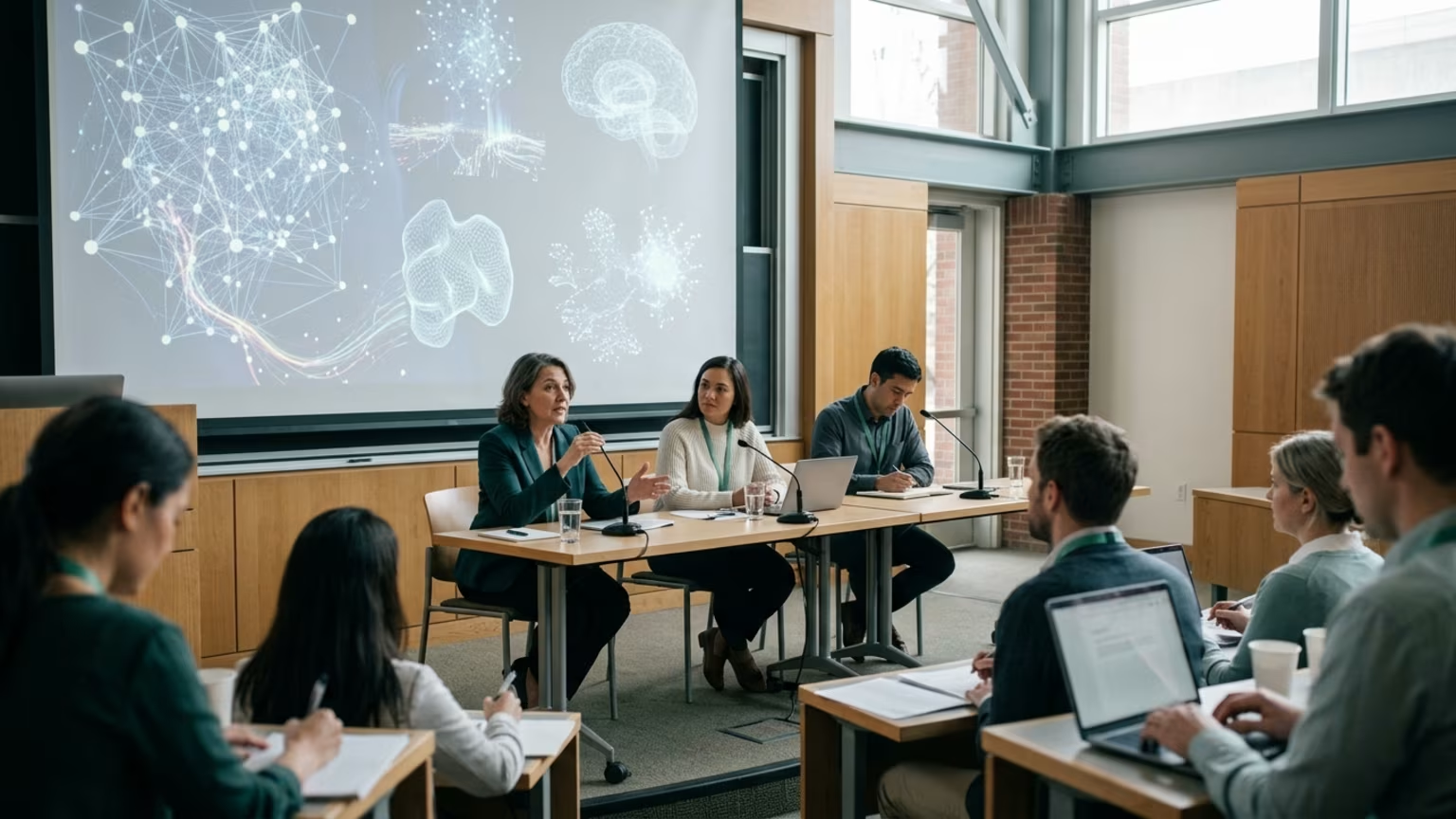
MIT researchers described an AI project combining lifestyle, clinical-trial and molecular data to study Alzheimer’s. Clinical benefits remain unproven.
Build habits that support memory, focus and a curious, connected life.
Read the Blog




