short eyebrow
Your sharpest years can still be ahead
Build habits that support memory, focus and a curious, connected life.
Read the Blog

A 2026 umbrella review links persistent insomnia to a 26% higher stroke risk and a dementia association, highlighting the need for clinical sleep evaluation.


A Chicago physician's new book highlights movement as a multidimensional health practice, though clinical evidence on dementia prevention remains inconclusive.

A 2026 interview and a major JAMA cohort study link moderate coffee intake to a lower risk of dementia, though experts advise maintaining balanced habits.
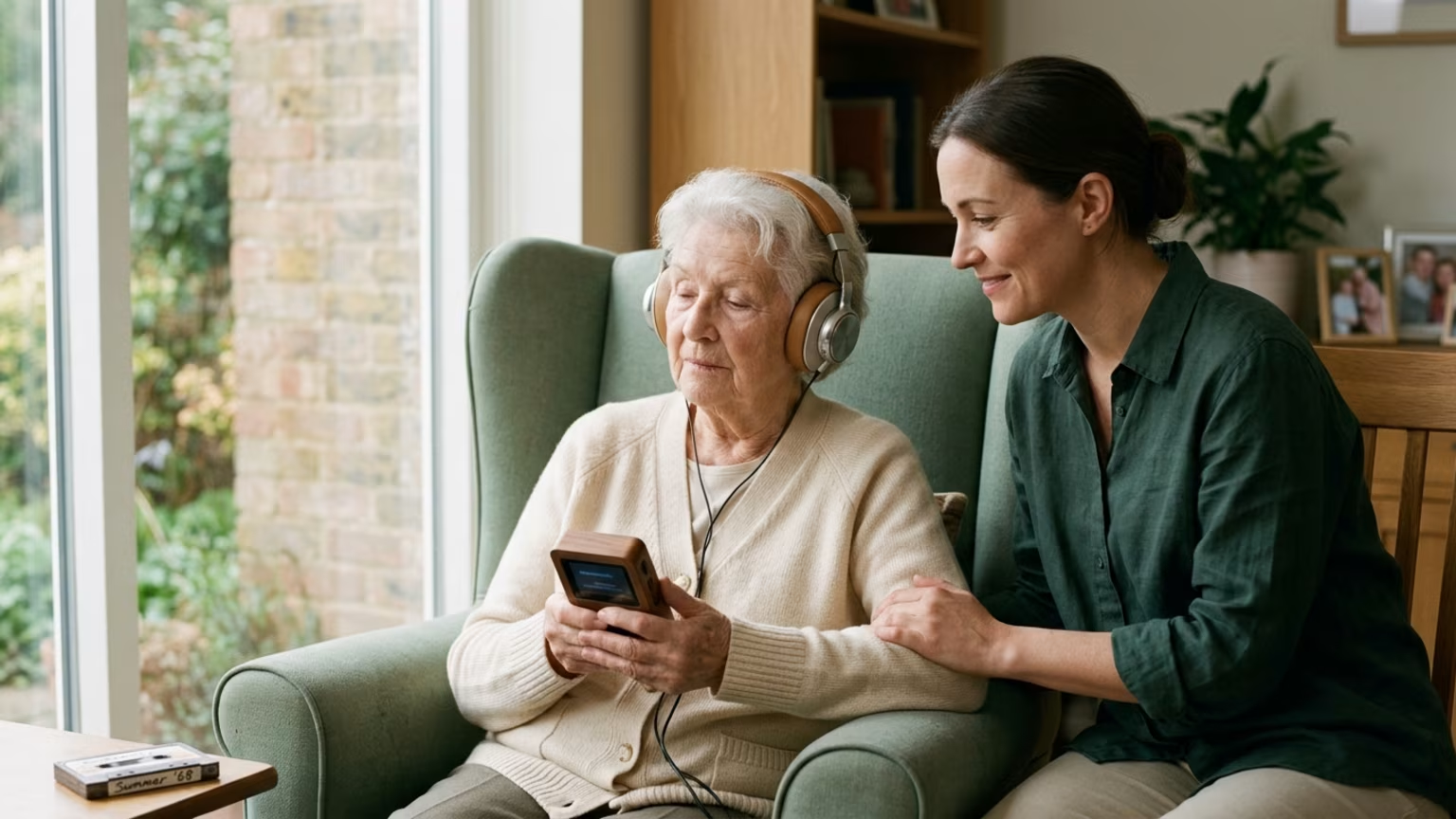
A 2026 study found personally meaningful music produces distinct brain activity in adults with dementia. Learn how to apply these neuroimaging observations.

A McGill University study tested whether a nap or a short cycling session best protects visual memory after sleep loss. Read the findings for older adults.

Learn how structured medication reviews and non-drug interventions can protect physical independence and mental clarity for adults managing multiple prescriptions.

A 2025 Nature Mental Health study examines how psychological profiles, mood, and sleep relate to cognitive changes and cortical thinning in older adults.

A recent analysis of the LIFE-Adult Study found no clear evidence that habitual physical activity directly slows brain aging or increases hippocampal volume.
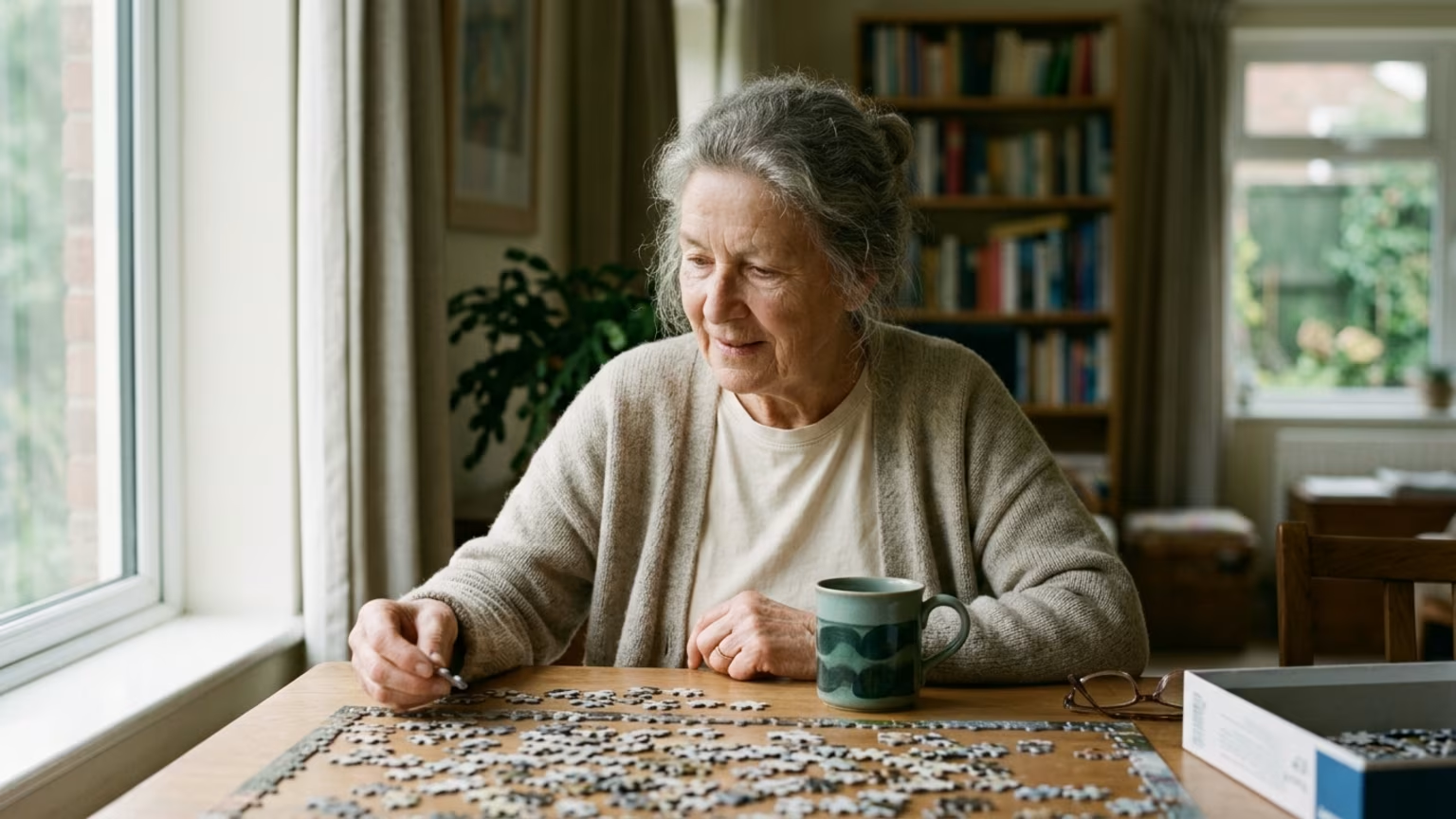
ZDFheute translates WHO guidelines on reducing dementia risk. Learn why a varied routine of sustainable lifestyle habits outperforms any single brain game.

Learn how the recent Alzheimer's Association educational session in National City encourages older adults to build personalized, brain-healthy daily habits.

A new observational study links midlife physical activity and fasting blood glucose management to a slower rate of cognitive decline in a diverse adult cohort.

A neurologist warns that weekend sleep-ins cannot reverse chronic weekday sleep loss, explaining how stable nightly routines support long-term cognitive health.

A prospective study linked six to eight hours of sleep and higher REM to lower dementia risk. FitBrainLab explains these findings and their clinical limits.

AARP reports that neural plasticity allows older adults to rebuild post-stroke movement and language skills through sustained, targeted rehabilitation.

An August 2026 study connects vascular health to 12.6 extra dementia-free years, showing why daily habits matter more than predictive blood tests.

A 2026 wearable study found adults in their 70s accumulated more daily physical activity than university students, reinforcing the value of regular movement.

An MIT-led study found timed pink noise increased sleep-related brain waves in 14 adults. Learn what this experimental research means for cognitive health.

A UCLA Health trial suggests cognitive behavioral therapy for insomnia may slow biological aging and improve rest in older adults compared to generic advice.
Build habits that support memory, focus and a curious, connected life.
Read the Blog