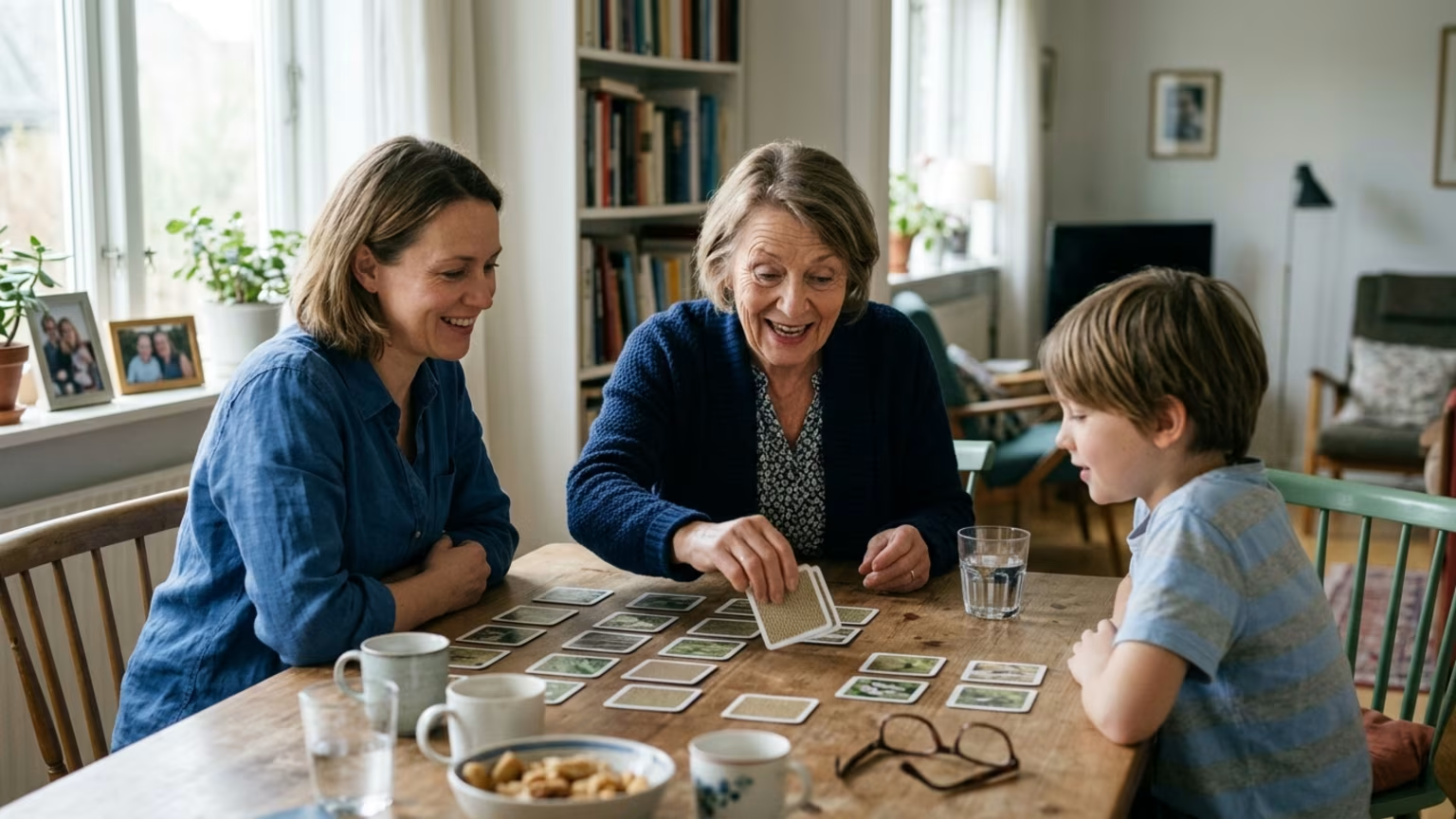

Later-born generations showed stronger memory and slower decline in a large analysis. Learn what the population finding means for adults over 60.





On November 17, 2026, researchers led by Anders Fjell published a Nature Medicine analysis showing that later-born generations entered older age with stronger memory and experienced slower decline afterward.
The study was titled “Generational gains in cognitive capacity and dementia incidence rates in Western countries.” Published in Nature Medicine, it examined about 783,000 episodic-memory assessments from approximately 219,000 people across five longitudinal studies. Follow-up extended up to 30 years.
The large number of assessments matters because the researchers were examining change over time. Their question involved both the memory levels people brought into older age and the course of memory afterward.
Those are different features of aging. A generation could enter older age with stronger memory yet decline at the same pace as an earlier generation. Or it could start at a similar level and decline more slowly. The researchers reported both advantages together.
The authors called this a “double dividend.” Later-born generations started with higher memory levels and then lost ground more slowly. That distinction helps explain why the finding is more informative than a simple statement that one generation scored better than another.
Fjell said repeated testing of the same people was crucial to separating a generation's starting cognitive level from how quickly it declined. Comparing different age groups at one moment would not reveal that distinction.
For a reader, this is the value of the longitudinal design: it moves the question from how groups compare at a single point toward how memory changes within the people being followed. That is why the number of assessments and the length of follow-up are central to interpreting this report.
The Nature Medicine paper also reported longer periods of stable memory among later-born generations. Generational improvements were concentrated among people with the steepest memory decline. This makes the pace and timing of change part of the story rather than treating older age as a single testing point.
According to the paper, slower memory decline was mirrored by lower rates of clinical impairment and slower hippocampal atrophy. The authors therefore examined a pattern that extended beyond the memory scores alone.
The researchers said the combined memory advantage could plausibly account for the reported decline of about 13% per decade in dementia incidence in Europe and the United States. This is their proposed explanation for how the memory findings fit a wider population trend.
The comparison concerns age-specific incidence. In plain language, it asks about new dementia cases among people of comparable ages. That is a different question from counting everyone who is living with dementia at a particular time.
For readers over 60, the immediate value is a clearer way to read the headline. Keep the question of starting memory separate from the question of later change. Both matter when discussing what a study means by better cognitive aging.
The authors frame prevention as a lifespan issue. Their interpretation separates memory capacity built mainly earlier in life from the rate of decline shaped by conditions during adulthood. That directs attention toward people's lives before older age rather than treating later life as an isolated chapter.
For a clinician explaining the research, the practical task is to keep those different questions clear. A discussion about a current memory concern has a different purpose from a discussion about historical population trends. Personal concerns about memory belong with a qualified health professional.
Readers preparing for that conversation can use FitBrainLab's discussion of brain and heart health to frame questions for a clinician. The useful focus is the evidence behind advice being discussed and how it relates to the individual's circumstances.
For researchers, the finding creates a more specific agenda. They can ask which historical changes relate to stronger starting memory and which relate to a slower later decline. Keeping those outcomes distinct could help sharpen future research questions.
For anyone weighing daily habits, a useful reading question is: did this study compare populations or test an action? That question helps keep a broad research finding in its proper place when making sense of health coverage.
This was an observational analysis, not a test of a treatment or daily habit. It does not establish what caused the generational differences or identify an action that will preserve someone's memory or prevent dementia. The researchers did not offer individual-level advice based on this analysis.
Speaking to Medical Xpress, Fjell suggested that more education and better nutrition may have played a part. He also mentioned childhood conditions and improved health care. Cardiovascular medications and lower pollution were other possibilities he raised. His view was that there was probably no single cause.
These proposed explanations span both personal circumstances and wider social conditions. They are useful questions for research rather than a basis for changing medication or creating a new routine. Decisions about personal care should be made with a qualified clinician.
The findings also describe averages across generations, not a forecast for an individual. They do not supply a personal estimate of future memory change or dementia risk.
There is also a technical challenge involving age, calendar period and birth cohort. Age describes how old people are when assessed. Calendar period places assessments in a historical setting. Birth cohort groups people by when they were born.
These features overlap, which makes their separate influences difficult to identify. The paper describes this identification problem and uses a bounding analysis with assumptions to narrow the possible explanations. The method limits the uncertainty rather than removing every historical influence.
Fjell also cautioned that generational averages may hide unequal gains. The researchers do not yet know whether people with different starting conditions or genetic vulnerabilities benefited equally. Nor is there a guarantee that the positive trend will continue.
Finally, the reported assessments focused on episodic memory. The headline should stay that specific rather than suggesting an identical improvement in every mental ability. FitBrainLab's broader discussion of different aspects of cognitive aging provides a useful framework for reading such claims.
The lasting contribution is a broader picture of cognitive aging: across generations, both memory at the start of older age and its later course showed improvement. That gives researchers reason to study how these gains arise and how they might be shared more widely.
The study brings the starting point and the pace of change into the same long-term view. For adults reading about brain health, that supports a calmer conversation about aging. It makes room for optimism grounded in measured change and sustained interest in the conditions people experience across their lives.
Daily brain-health choices remain with readers and their care teams, while FitBrainLab clarifies the evidence behind reports of generational memory gains. For adults 60+ uncertain about which habits support cognition, its reporting connects research on aging with practical questions and keeps established findings separate from early evidence.

Follow FitBrainLab for research-led insights on memory, focus, brain aging, nutrition and mental fitness after 60. Stay connected for new articles, practical guidance and ideas for a sharper, more engaged life.





Build habits that support memory, focus and a curious, connected life.
Read the Blog

