lifelong curiosity
Your sharpest years can still be ahead
Build habits that support memory, focus and a curious, connected life.
Read the Blog

Brain-training scores and everyday benefits are different outcomes. Read the ACTIVE findings and learn how to assess claims without pressure.

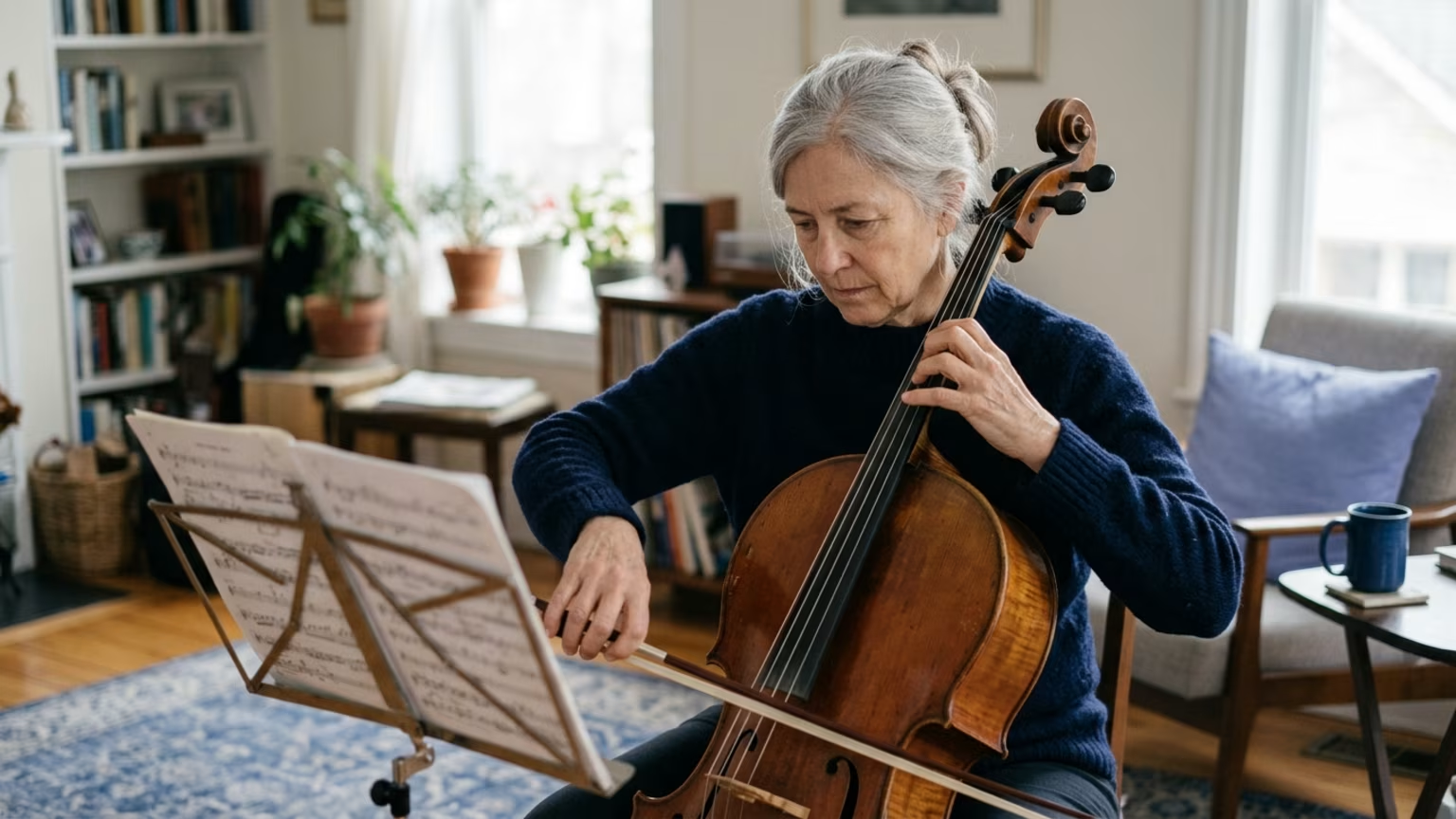
Understand neuroplasticity after 60 through evidence on brain networks, targeted learning gains and practical habits, without age-reversal claims.

Do brain-training gains reach everyday life? Learn how to assess transfer, follow-up results and claims about memory and daily function.

Learn how memory, attention and thinking speed may change with age, which strengths can remain, and when changes deserve a health professional’s attention.

A calmer look at learning after 60, with research on skill retention and practical ideas for small steps, repeated practice and rest.

A review links cognitive training with task gains and brain-activation changes. Learn why the findings do not establish protection against dementia.

Brain aging follows different paths across skills. See how speed, memory and attention compare with vocabulary, plus when to seek medical advice.

A realistic look at learning after 60: why repetition matters, how experience helps and how to choose a worthwhile skill without memory promises.

How attention, processing speed and memory interact after 60, with practical ways to reduce distractions and signs that warrant medical advice.

An SFU study found age-related differences in brain connectivity after short sleep. Here is why the results do not show preserved memory.

NPR examined an association between arts engagement and biological aging. Learn how to interpret the finding and put creative activities in context.

Expert advice puts memory concerns into routine care, with continued learning in context and clear limits on dementia-prevention claims.
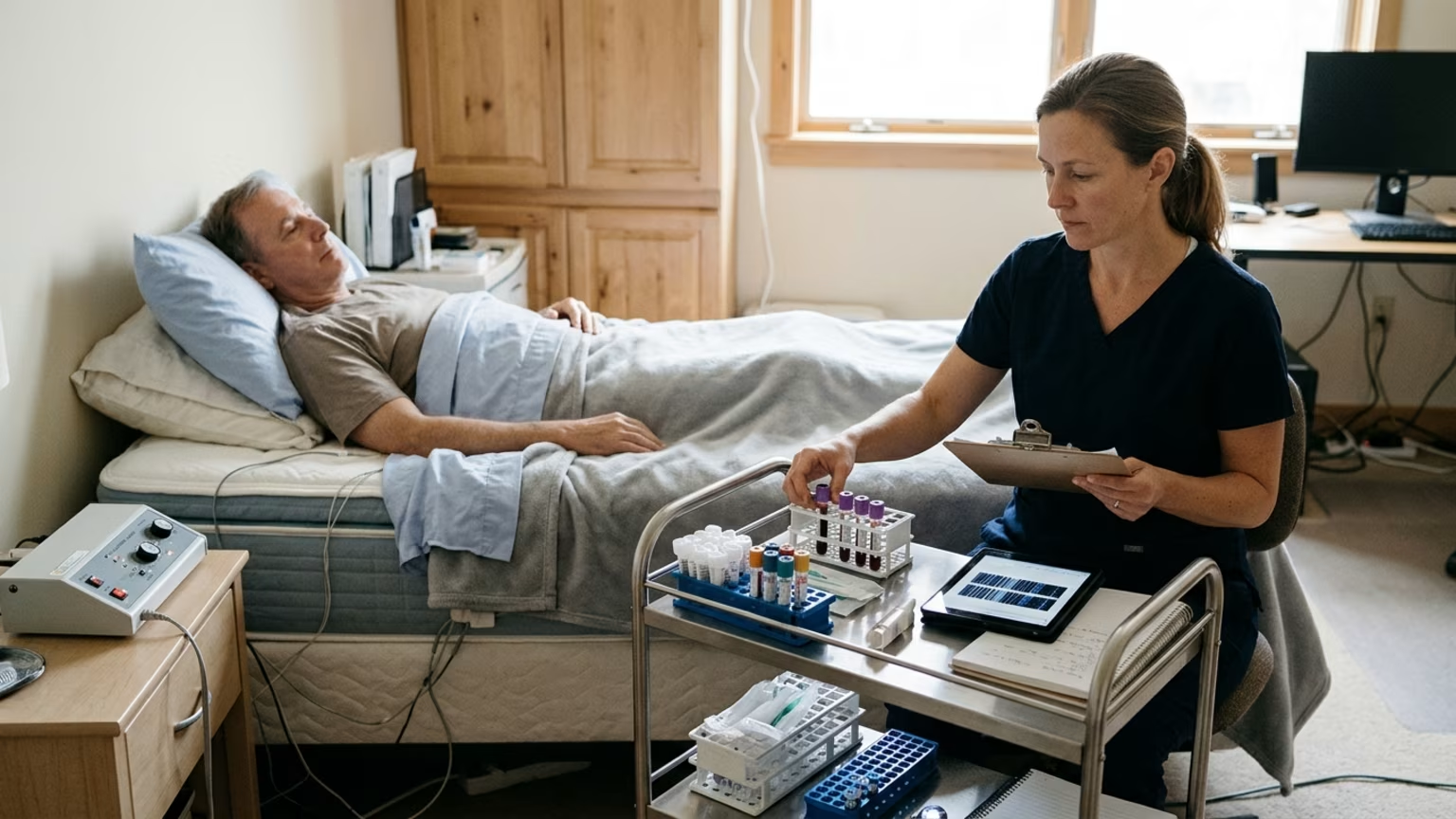
A small study paired vibration with nitroglycerin and found higher blood beta-amyloid. Learn why that signal is not proof of memory benefit.

Sohng So-won’s comments on brain plasticity put varied activity in focus. See how expert advice differs from trial evidence.

Understand varied patterns in brain aging, why speed is not the whole story and when changes in thinking deserve a conversation with a doctor.

A look at creative-experience research, EEG brain-age estimates and cultural attendance, with practical context for adults over 60.

Neuroplasticity means the brain can adapt after 60. Learn how experience matters, what MRI measures and how to judge claims about training.

Learn how speed and word retrieval differ from knowledge after 60, and when persistent changes in thinking deserve a clinical discussion.
Build habits that support memory, focus and a curious, connected life.
Read the Blog




