

NPR examined an association between arts engagement and biological aging. Learn how to interpret the finding and put creative activities in context.





On November 5, 2026, NPR’s “Can art help slow aging?” examined possible links between arts engagement and biological aging. The episode featured filmmaker Mira Nair, University College London (UCL) researcher Daisy Fancourt and physician assistant and singer Kristi Kalajian.
At the center of the episode was a reported association: NPR summarized a recent study as finding that people who regularly engage with the arts appeared to age about 4% more slowly than those who do not. The program placed that finding within a broader discussion of mental health, neuroplasticity and aging.
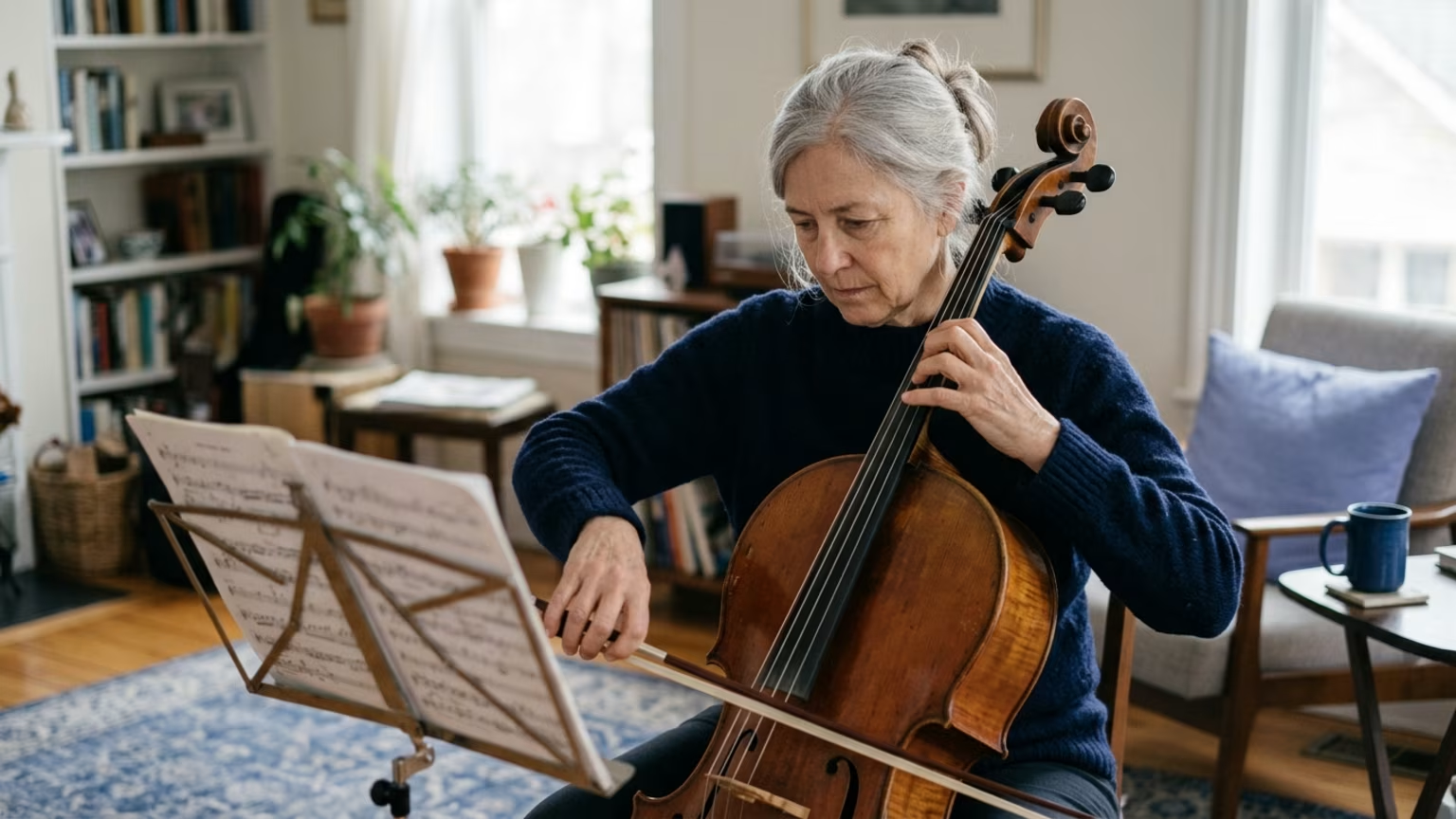
The activities discussed were broader than painting or making visual art. They included reading, listening to music and visiting museums. That matters because the report concerns cultural engagement across several forms, rather than one specific creative activity.
For readers who do not think of themselves as artistic, this is a useful distinction. The discussion includes encountering and enjoying creative work. It is not limited to producing something or performing for an audience.
A related policy discussion appeared in a 2026 report commissioned by Art Fund, with Fancourt’s involvement. That report argues for wider recognition of arts engagement in health and wellbeing. Together, the report and NPR episode bring cultural participation into a conversation often framed around other parts of daily life.
The question is therefore broader than whether a particular art class deserves attention. It is about how cultural experiences fit into an active later life and which health outcomes researchers should examine when studying them.
For adults over 60, the immediate practical value is permission to take creative interests seriously on their own terms. Reading a book or listening closely to music need not become a performance target. Interest and enjoyment provide a reasonable starting point for deciding where cultural activity belongs in everyday life.
The research packet supports choosing activities around interest, access and enjoyment. Those priorities offer a more useful framework than searching for the activity with the most impressive health headline.
Group or community settings may also offer opportunities for social engagement, as the wider discussion around the Art Fund report recognizes. For some readers, the shared experience may be part of the appeal. Others may prefer time with a book or music on their own.
The immediate implication for researchers is different. Because the activities are broad, a useful next question is which forms of participation relate to which outcomes. Treating every cultural pursuit as one intervention would make the findings harder to interpret.
For readers weighing this story alongside other lifestyle headlines, a broader look at habits and brain aging can help place a single activity within the larger discussion. The aim is an engaged life rather than a collection of health-related tasks.
The most important boundary concerns cause and effect. NPR characterized the finding as a correlation. The episode description does not provide enough information about the study’s methods to independently assess its design or how it handled other factors that might explain the association.
That leaves a specific unanswered question: did arts engagement contribute to the difference, or did other differences between participants help account for it? The reported association alone cannot settle that question. It should not be turned into a claim that participating in the arts causes aging to slow.
The finding NPR summarized concerned biological aging. It was not presented as a direct finding about retained memory or dementia prevention. These distinctions matter when a broad phrase such as “brain aging” appears in a headline.
The evidence discussed across this topic concerns several separate outcomes:
The 4% figure therefore should not be translated into extra years of good memory or a personal reduction in dementia risk. Those would be different claims requiring different evidence.
NPR also included neuroplasticity in its discussion. Mentioning neuroplasticity does not establish that a particular activity produced lasting changes in memory or attention. The aging association described in the episode is not a direct demonstration of those outcomes.
Readers interested in how different thinking abilities change with age can apply the same reading habit: identify the ability or outcome being discussed before accepting a broad conclusion about the brain.
The Art Fund report is a policy-oriented evidence synthesis. Its argument for wider recognition of arts engagement is not itself proof that participation slows aging. A case for including culture in health discussions serves a different purpose from establishing an intervention’s clinical effect.
Neither the NPR summary nor the Art Fund material establishes a clinically validated frequency of arts participation that prevents cognitive decline. The evidence does not support converting this story into a schedule or a target that everyone should meet.
The practical response is to choose activities for their interest and place in daily life. Personal concerns about memory or decisions about care belong with a qualified health professional. An arts headline is not a basis for assessing symptoms or changing care.
The lasting value of this discussion is the attention it gives to cultural life within aging research. Books, music and museums are not merely background details in people’s lives. They are forms of engagement that researchers can study while keeping biological aging, cognition and wellbeing distinct.
For readers, the useful shift is away from asking whether an activity has earned an anti-aging label. A better question is whether it offers something worth returning to: interest, enjoyment or connection. Those are clear reasons to make room for cultural participation without turning leisure into another obligation.
For research, progress will mean clearer answers about the outcomes associated with particular activities. That would make future findings more useful to older adults and clinicians. For now, NPR’s report offers a reason to pay attention to creative engagement while keeping the actual finding in focus.
Tracking memory and attention over time is a different goal from changing an aging estimate, and FitBrainLab helps readers understand those research distinctions. For adults 60+ trying to judge arts-related health claims, the publication turns complex evidence into clear context that separates established findings from early associations and supports informed choices about an engaged later life.

Follow FitBrainLab for research-led insights on memory, focus, brain aging, nutrition and mental fitness after 60. Stay connected for new articles, practical guidance and ideas for a sharper, more engaged life.



Build habits that support memory, focus and a curious, connected life.
Read the Blog

