A recent review examines how optimism, physical activity and social connection shape brain aging. Learn how these connected habits support cognitive health.





On September 24, 2026, The Boston Globe published a review of evidence showing how specific behaviors and psychological traits shape cognitive aging. The coverage examines optimism, physical activity, and social connection as interconnected lifestyle factors rather than guaranteed methods for preventing dementia.
The Boston Globe review frames brain aging as a nuanced progression rather than a strictly downward trajectory. The report distinguishes between crystallized knowledge and fluid abilities. Crystallized knowledge includes vocabulary, established facts and learned techniques. Research shows this type of knowledge can actually continue to build through later adulthood.
Fluid abilities have traditionally been thought to peak earlier in life before declining. However, the review presents evidence that cognitive aging is far more complex than simple deterioration. The publication cited a 2021 study of adults aged 58 to 98 to demonstrate this mixed process. That study found age-related slowing in the speed of responding to a new stimulus.
While reaction speed slowed, the same study documented improvements in other key areas. Older adults showed better capacity for filtering out distractions. They also demonstrated improvements in focusing on new information. This suggests that certain types of attention can actually become more efficient with age.
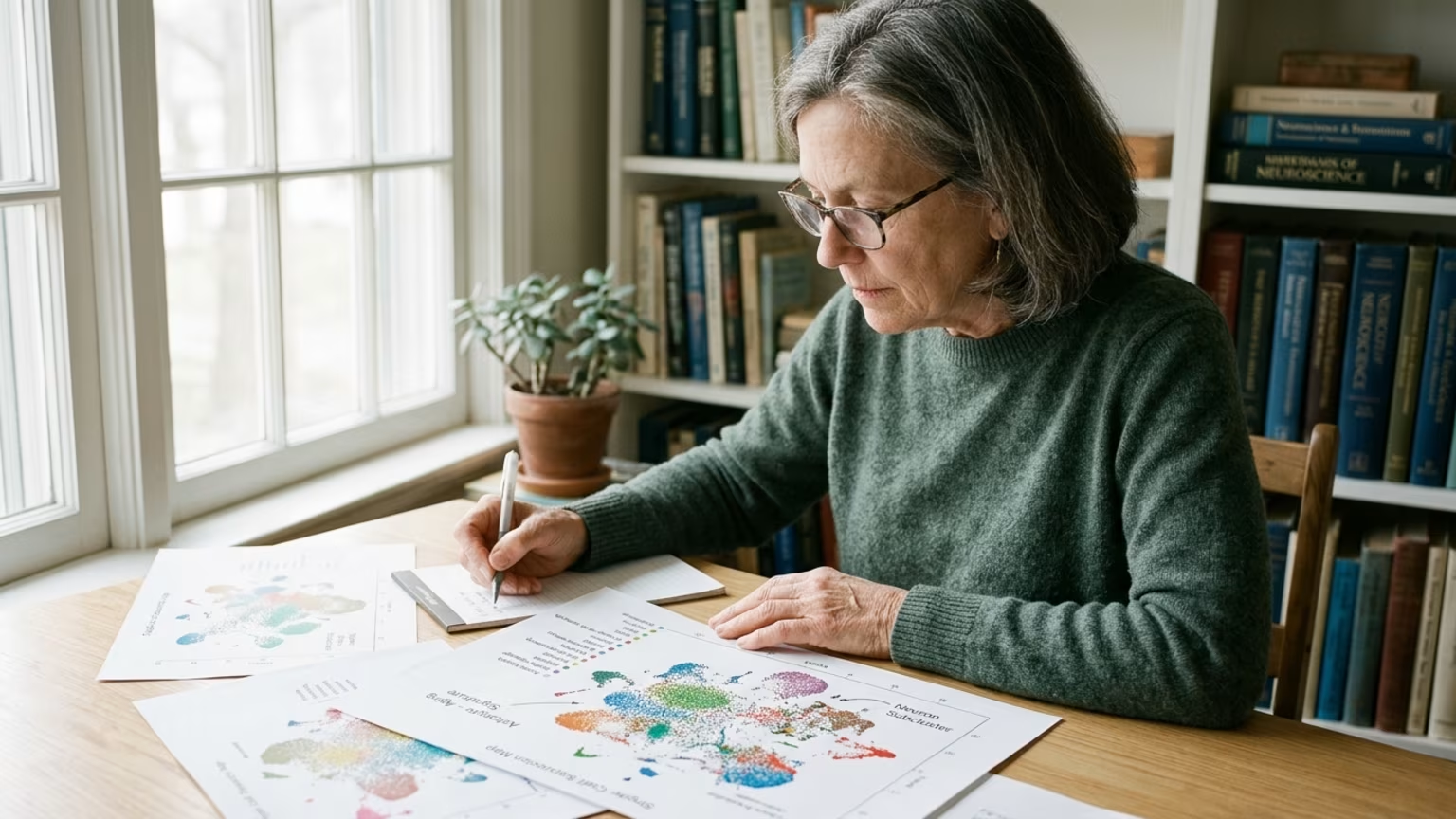
Michael Ullman is a neuroscience professor at Georgetown University who studies these patterns. He told the publication that experience and practice can counter some age-related losses. He suggests that repeated use of specific skills has the potential to improve those targeted abilities. This means older adults can actively support their daily function by engaging in demanding mental tasks.
The review highlights cognitive reserve as a critical factor in maintaining brain health. Cognitive reserve is the capacity to function better than expected when facing age-related brain changes. Genetics, formal education and accumulated life experiences all influence this baseline capacity. Continued learning and challenging activities help older adults maintain this vital resource.
Experts advise older adults to actively build cognitive reserve while they can. The goal is to build a foundation so that any later cognitive decline begins from a much stronger functional baseline. The Boston Globe lists learning a new language as one effective way to challenge the brain. Taking up a musical instrument is another practical method for building this reserve.
The Boston Globe coverage introduces findings from Hayami Koga at Columbia University. Koga and colleagues analyzed optimism data from more than 9,000 older adults between 2006 and 2020. The April 2026 study found that people reporting higher optimism were less likely to develop dementia. Secondary reporting suggests an approximately 15 percent lower risk for each six-point increase in optimism.
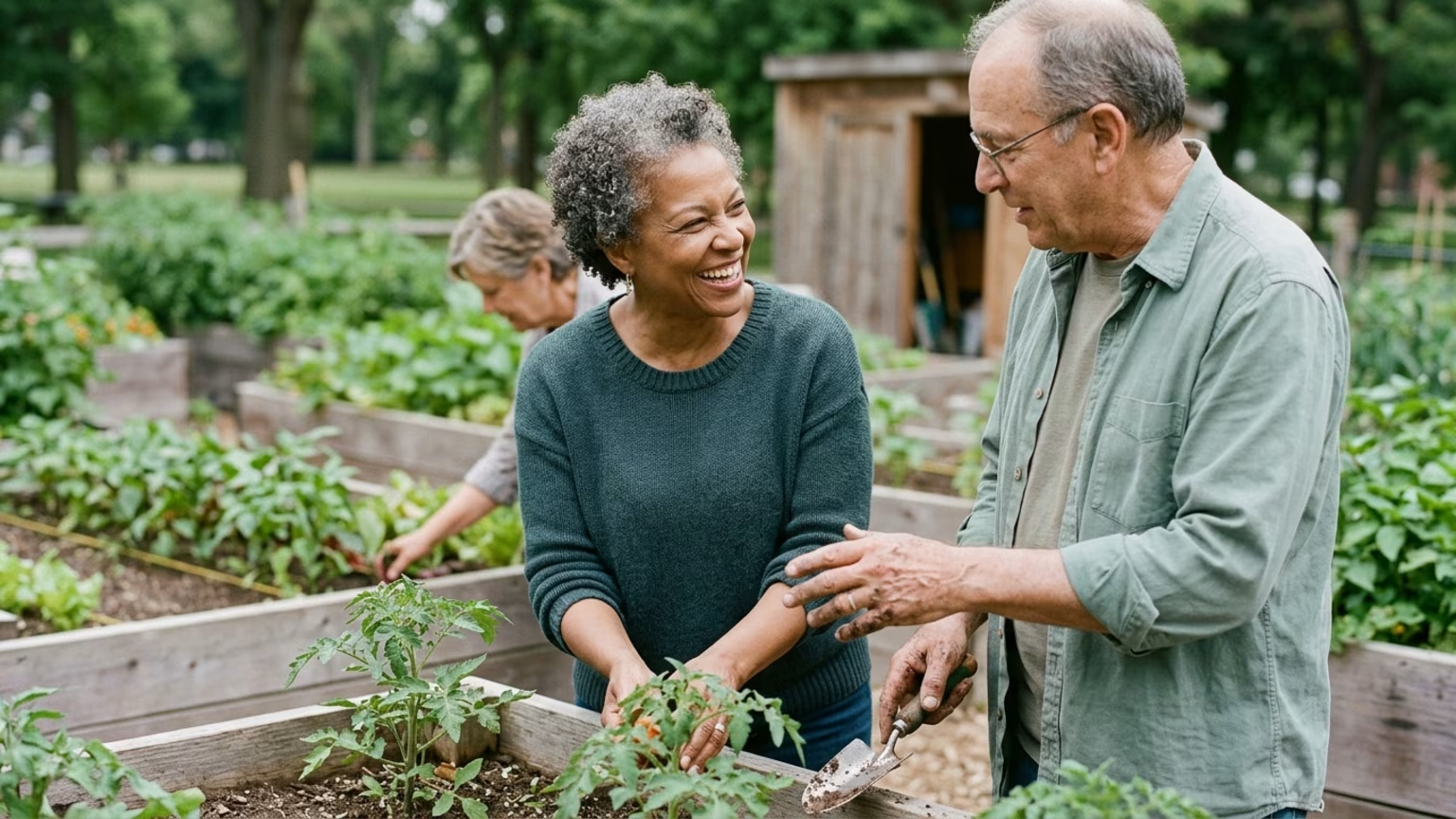
The researchers noted that more optimistic participants were also more likely to engage in healthier habits. These individuals maintained stronger social ties and were more likely to exercise regularly. The wording in the review is deliberately cautious about these connections. The coverage presents physical activity and social connection as possible contributors rather than proven explanations.
Recent dementia prevention coverage increasingly supports combining multiple lifestyle factors. The 2024 Lancet Commission estimated that addressing 14 potentially modifiable risk factors could be highly impactful. The Commission noted this approach could theoretically delay or prevent up to 45 percent of dementia cases worldwide. These factors include physical inactivity, hypertension, diabetes, obesity and hearing loss.
Related guidance from the World Health Organization outlines specific activity targets for older adults. The WHO recommends 150 to 300 minutes of moderate-intensity aerobic activity weekly. Adults can also aim for 75 to 150 minutes of vigorous physical activity. The WHO advises completing muscle-strengthening activity on at least two days per week to support overall function.
This review changes how older adults can approach their daily cognitive habits. The evidence suggests moving away from isolated brain-training games toward meaningful, real-world practices. Experts note that reading, speaking, listening and handling complex situations all provide valuable mental stimulation. Older adults can integrate these activities naturally into their existing schedules.
Combining different domains of wellness appears more useful than searching for a single intervention. The WHO recommendations explicitly support social-activity interventions for adults with normal cognition. These interventions are also recommended for older adults experiencing mild cognitive impairment. Structured social interaction is clearly associated with better long-term health and well-being.
By reviewing our brain aging and neuroplasticity articles, readers can understand how these habits influence cellular health. Older adults can prioritize regular contact with friends, family or community groups to reduce isolation. The available evidence does not require one specific format for social engagement. The goal is simply to maintain consistent, meaningful connections with other people.
Addressing conventional health risks alongside lifestyle interests is another vital step. The evidence summarized in recent dementia prevention coverage points to multiple physical health metrics. Managing blood pressure, diabetes, cholesterol and vision loss directly supports long-term cognitive function. Treating depression and avoiding excessive alcohol consumption are equally critical for protecting the aging brain.
Social isolation is strongly associated with conditions including depression, heart disease and dementia. By participating in local community programs or volunteering, older adults can actively combat these risks. The WHO guidance recognizes that social participation provides overlapping benefits for both physical and mental health. Older adults reading lifestyle and brain resilience articles often find that group exercise classes satisfy multiple recommendations at once.
The 14 risk factors identified by the 2024 Lancet Commission provide a comprehensive roadmap for public health. The list includes smoking, traumatic brain injury and prolonged exposure to air pollution. High LDL cholesterol is also recognized as a significant factor influencing long-term brain health. Addressing these issues requires a combination of personal habit changes and systemic medical support.
Interpreting this research safely requires separating documented associations from individual medical guarantees. The optimism findings are purely observational. This means researchers found a link between reported optimism and subsequent dementia risk in existing data. The study design does not prove that changing your mindset will directly stop cognitive decline.
Reverse causation remains a significant concern in all dementia research. Early cognitive or physical changes might cause a person to become less active before a formal diagnosis occurs. HMRI notes that the relationship between physical activity and dementia risk runs in both directions. Emerging illness can easily reduce a person's ability to stay active or maintain an active social schedule.
The Lancet Commission’s estimate of preventing 45 percent of cases requires careful interpretation. This figure applies strictly at a global population level. It is not a promise that an individual can reduce their personal risk by exactly 45 percent. Framing lifestyle interventions as guaranteed cures creates unnecessary fear and sets unrealistic expectations.
The evidence does not support telling readers that any single activity guarantees protection from dementia. Optimism, exercise, social contact and language learning are all beneficial habits. However, none of these practices offer absolute immunity against age-related cognitive diseases. Older adults should approach these habits as supportive measures rather than absolute medical shields.
Optimism and social opportunity are shaped heavily by cultural beliefs, financial resources and physical environments. Koga pointed out that governments and employers directly influence the conditions that allow optimism to thrive. A responsible approach to cognitive longevity must avoid implying that health outcomes depend entirely on personal attitude. Blaming individuals for cognitive decline based on a perceived lack of optimism is fundamentally flawed.
Readers reviewing dementia and cognitive protection resources should focus on sustainable habits rather than guilt. Evaluating lifestyle adjustments should be a pragmatic exercise focused on long-term independence. Healthcare providers can help older adults adapt physical activity targets to match their current abilities safely. This collaborative approach removes the pressure of achieving perfection in daily wellness routines.
The Boston Globe review confirms that brain aging is a complex mix of stability, decline and ongoing development. The evidence does not support using single activities to completely shield the brain from aging. Instead, the research validates a balanced approach involving purposeful learning, appropriate physical movement and sustained social connection. Maintaining these interconnected habits offers a realistic way to support long-term cognitive independence.
Individuals and their families navigate the ongoing task of making sense of cognitive longevity studies, and putting observational data into practice is simpler once FitBrainLab examines the actual facts. Feeling patronised by conventional senior wellness content can discourage meaningful lifestyle changes, but our transparent review of behavioral studies helps you adopt sustainable routines with confidence.

Follow FitBrainLab for research-led insights on memory, focus, brain aging, nutrition and mental fitness after 60. Stay connected for new articles, practical guidance and ideas for a sharper, more engaged life.




Build habits that support memory, focus and a curious, connected life.
Read the Blog