

Neuroplasticity means the brain can adapt after 60. Learn how experience matters, what MRI measures and how to judge claims about training.





Neuroplasticity is the brain’s ability to change how it works and how its connections are organized in response to experience. After 60, it means the brain can still respond to learning and practice.
The term describes a capacity rather than a particular activity. A plain-language overview of neuroplasticity explains this capacity as adaptation through experience. Learning an unfamiliar subject and practising a skill are everyday examples that fit the idea.
The definition also separates the process from the goal. Neuroplasticity concerns change in the brain. Remembering useful information or managing an everyday task is an outcome a person may care about. A clear explanation keeps those two ideas distinct.
A plain-language breakdown has three parts. These describe adaptation broadly rather than a fixed sequence that every brain follows.
This distinction matters when reading about learning. A discussion of changed brain activity and a discussion of changed connections may both concern plasticity. They are not interchangeable descriptions of exactly the same event.
For a broader introduction, FitBrainLab’s article on learning and change in the aging brain offers related reading.
The established points can be stated plainly:
A specific research example helps show how scientists examine related abilities. An ACTIVE trial abstract published in Archives of Clinical Neuropsychology reports long-term gains in trained reasoning and processing-speed domains. It also reports associations between higher reasoning and processing-speed scores and better everyday and functional abilities at follow-up.
The useful detail is the naming of the abilities studied. Reasoning and processing speed are specific outcomes. Describing them precisely gives readers a clearer account of the research than a broad phrase such as “better brain health.”
The limits belong alongside the findings. Neuroplasticity does not mean every age-related change is reversible or that a particular activity will reliably improve memory, independence or health. The broad definition also does not identify a single cell-by-cell pathway that explains every kind of learning.
Brain imaging adds another distinction. An explanation of imaging limits notes that structural MRI measures large-scale tissue features such as tissue volume and cortical thickness. It does not directly show individual synapses, the microscopic connections between nerve cells.
A scan change alone therefore does not establish that new neurons formed. Nor does it establish that a specific everyday ability improved or that brain aging was reversed. A short-term change also cannot establish a lasting everyday benefit by itself.
The ACTIVE findings need their own boundary. Associations between thinking scores and functional abilities do not establish that every app or activity produces those effects. Findings about trained reasoning and processing speed should not be expanded into a claim about every aspect of memory or independence.
These distinctions provide a practical way to read a headline. Ask what changed, how it was measured and whether the reported outcome matches the benefit being claimed. A scan feature, a thinking-test score and an everyday ability are different kinds of evidence.
The everyday examples below apply the broad value of learning and practice. They are not training programs tested in the cited abstract.
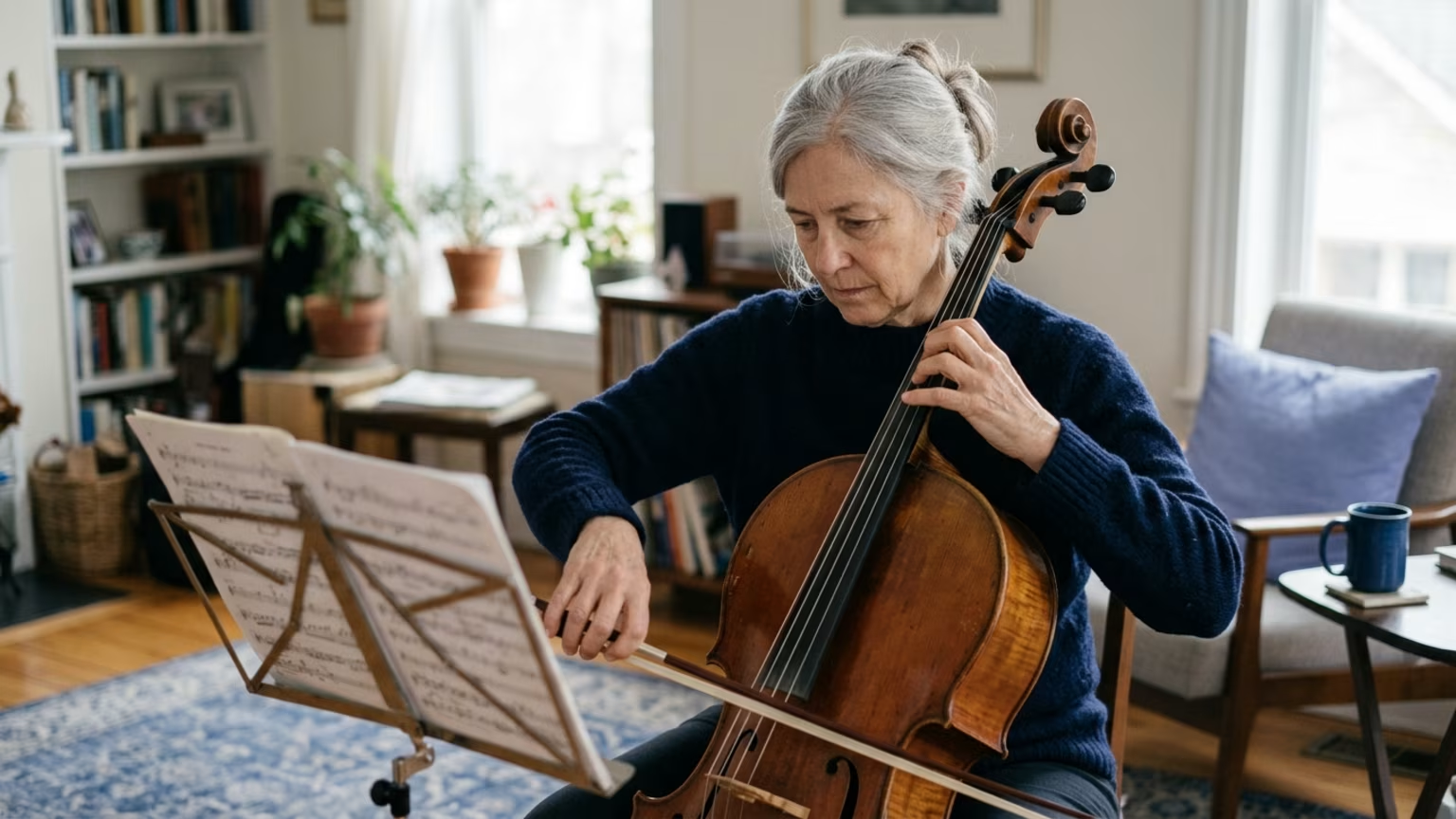
Learning is a reasonable way to put the idea of experience into daily life. The starting point can be an unfamiliar subject or a skill you would like to understand better. Choose the activity for its interest and usefulness rather than for a claim that it makes the brain younger.
Keep the goal concrete. “Understand this topic” is clearer than “change my brain.” It gives the activity a purpose that can be described without needing a scan or a commercial score.
Interest and personal relevance are reasons for choosing an activity. They are not measurements of its effect on memory. The practical aim here is participation in learning itself.
Practice can be tied to something you actually want to do. Rather than treating every mental activity as the same kind of workout, identify the skill involved. Is the task about reasoning through a problem or becoming more familiar with a set of instructions?
That question follows the useful specificity of the ACTIVE research. Its findings name particular thinking abilities rather than treating cognition as one undivided outcome. Everyday goals can use the same clarity without copying a research program.
FitBrainLab’s guide to judging cognitive-training claims provides another place to examine the language used around training.
When returning to an activity, pay attention to the part you are practising. Can you explain the material more clearly? Can you carry out more of the task as intended? These are questions about the activity rather than claims about the whole brain.
A useful description of progress names what became easier or more familiar. It does not need to turn that observation into a claim about a younger brain. This keeps personal goals connected to something understandable and relevant.
For personal concerns about memory or changes in daily functioning, a qualified health professional is the appropriate person to assess what those changes mean.
Neuroplasticity gives a reason to value learning after 60 while keeping claims about memory and daily function tied to what research actually measured.
Progress on a practised skill is a concrete outcome to examine; FitBrainLab explains research on learning and cognitive aging for adults 60+. Its editorial guidance addresses exaggerated health claims by making the evidence behind memory and brain-health advice easier to understand, helping readers distinguish promising findings from established knowledge.

Follow FitBrainLab for research-led insights on memory, focus, brain aging, nutrition and mental fitness after 60. Stay connected for new articles, practical guidance and ideas for a sharper, more engaged life.





Build habits that support memory, focus and a curious, connected life.
Read the Blog

