AARP’s new feature highlights movement, sleep, learning and connection. Here is how adults over 60 can read its advice without overstating the evidence.





On October 15, 2026, AARP published a feature about habits Gen X and Millennials can build in midlife to support later-life brain health. The article brought together expert advice on movement, sleep, learning and relationships rather than presenting one stand-alone intervention.
AARP’s central idea is cognitive resilience. Columbia University’s Caghan Kizil describes this as the brain’s ability to adapt and keep functioning through aging, injury or disease. He describes resilience as something built gradually through experiences and behaviors.
Learning and challenging activities are part of that picture. So are exercise and restorative sleep. Kizil also includes meaningful relationships and varied real-world experiences, placing brain health within a full life rather than a separate training task.
The feature extends beyond activities usually described as mental exercise. It discusses hearing protection and cardiovascular health, including blood pressure and cholesterol. Blood sugar, smoking and inactivity also enter the discussion.
The original audience is people in midlife. For readers over 60, the useful editorial question is how those same areas fit into life now. That means reviewing opportunities for movement and engagement alongside recovery and health care, rather than treating the article’s generational framing as an age cutoff.
For older readers, the immediate value is a framework for reviewing routines and preparing health discussions. AARP’s feature points toward several areas that can work together. The practical emphasis is on activities that fit the person’s interests and circumstances.
UCLA neurologist Kevin Bickart told AARP that movement should fit a person’s life and interests. He offers walking and practical activities such as fixing a car as examples. The starting point does not have to be a gym workout.
AARP also discusses less sitting and more everyday movement, followed by aerobic activity and resistance training. Those are related parts of its advice rather than competing choices. The useful question is which forms of movement are sustainable within someone’s actual life.
For readers with health conditions, balance concerns, pain or mobility limitations, a qualified clinician can help shape an appropriate approach before a new exercise routine begins. That keeps the decision grounded in individual ability and safety.
Restorative sleep sits alongside exercise in Kizil’s account of resilience. That gives recovery a place in the discussion, rather than treating brain health only as a matter of doing more.
A practical reading is to look at whether everyday routines leave room for restorative sleep. This is a different decision from adding another activity to an already full day. Persistent sleep concerns belong in an individualized discussion with a qualified health professional.
AARP’s framework includes both learning and challenging activities. For older readers, that supports paying attention to interests that involve learning rather than treating mental engagement as another obligation.
The useful question is whether an activity invites active involvement and continued learning. Enjoyment also has a place in the practical interpretation, since the research packet supports choosing learning activities that people find appealing. FitBrainLab’s coverage of daily cognitive activities offers a related area for further reading.
AARP quotes neurologist and Alzheimer’s researcher Ayesha Sherzai and neuropsychiatrist Reza Hosseini Ghomi on hearing protection. The feature describes greater listening effort and possible social withdrawal as reasons hearing matters in this discussion.
The practical implication is to include hearing concerns in ordinary health conversations and seek professional guidance when needed. Within the article’s broader framework, hearing is relevant to communication and participation in daily life. It is therefore part of the same conversation as meaningful relationships, rather than an unrelated issue.
Kizil includes meaningful relationships among the experiences that gradually build resilience. AARP’s broader account also supports making room for in-person connection.
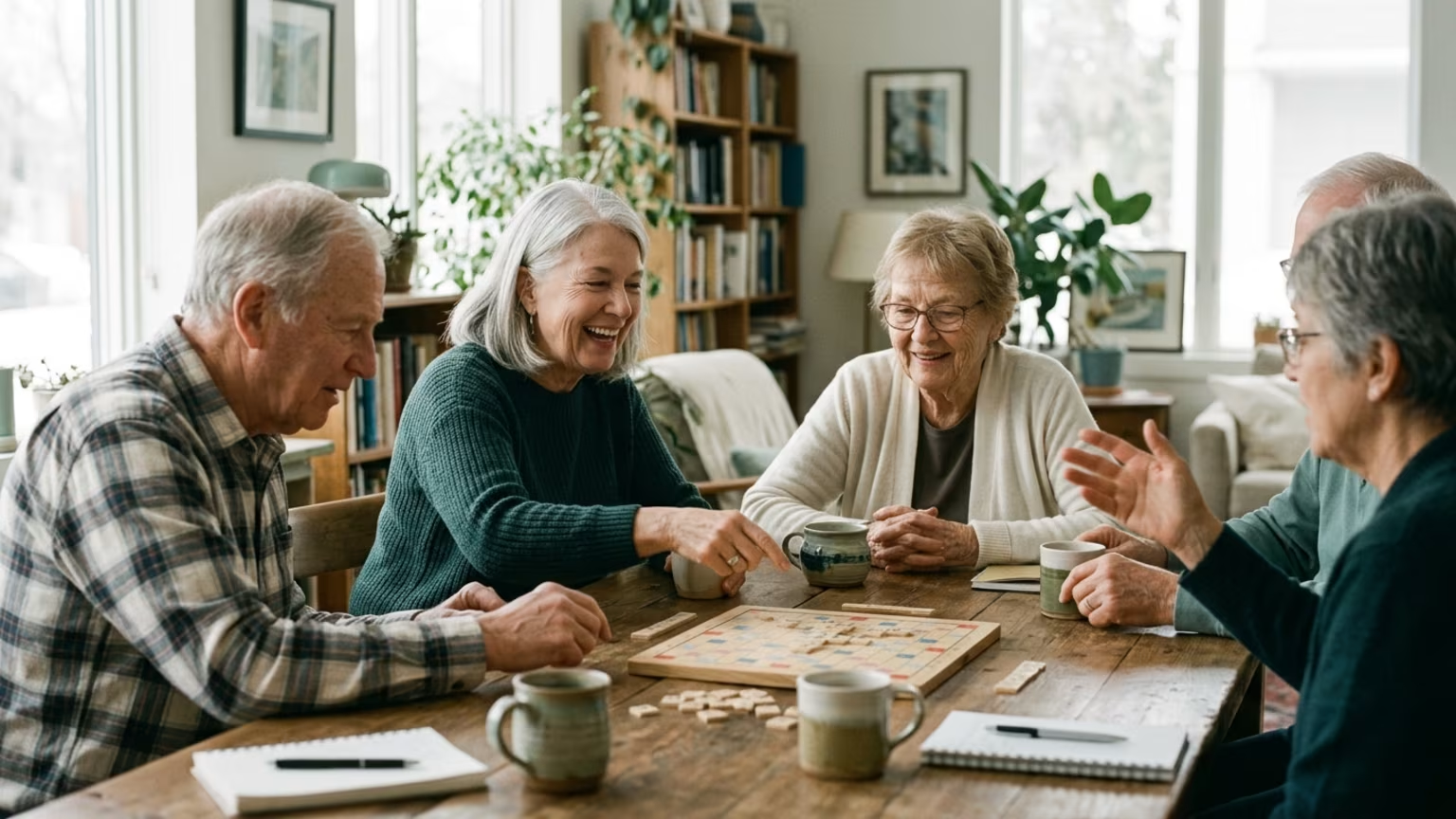
For readers after 60, that places relationships alongside movement and learning when reviewing everyday routines. The focus is on meaningful participation, not simply staying busy. An engaged life can include time with others and opportunities to learn without turning every activity into a brain-health task.
AARP connects cardiovascular and brain health through concerns such as blood pressure, cholesterol and blood sugar. It also discusses smoking and inactivity. These topics belong in individualized conversations with a clinician rather than being reduced to a lifestyle checklist.
The practical distinction is between choosing an enjoyable activity and making a medical decision. Walking or learning may be matters of preference and ability. Decisions about diagnosis or treatment require qualified care that takes the person’s health circumstances into account.
AARP’s story is a practical news feature, not a clinical guideline or an intervention trial report. It combines expert commentary with research references. Its publication does not establish that following the whole package will preserve an individual’s memory or independence.
Its exercise suggestions are attributed guidance rather than a proven brain-health dose for every adult over 60. The available material also establishes no required sleep duration or particular learning activity that prevents decline. It gives no required number of in-person contacts, and it does not prove that hearing treatment prevents dementia.
AARP cites a study reported in 2026 in Neurology Open Access comparing middle-aged people with healthy blood pressure, no diabetes and no smoking history against peers with all three risk factors. It reports an average of 13 more dementia-free years in the first group.
That is a reported association, not proof that changing those factors adds a set number of dementia-free years to someone’s life. The accessible AARP material does not identify the study authors or provide its full methods. The finding supports attention to cardiovascular health, but it cannot supply an individual forecast.
A separate source adds population-level context. The Hudson Medical Research Institute’s summary of the 2024 Lancet Commission describes 14 modifiable risk factors associated with up to 45% of dementia cases worldwide. Its summary includes physical inactivity and hearing loss, along with hypertension and social isolation.
That estimate describes patterns across populations. It does not mean an individual can reduce their personal dementia risk by that percentage, and it is not a guarantee of prevention.
The editorial distinction is straightforward: a practical suggestion and a proven prevention claim are different things. That distinction also matters when reading broader advice about healthy habits. It allows useful guidance to remain useful without making it carry a stronger claim than the evidence supports.
The value of AARP’s feature is its connected view of cognitive health. Movement and restorative sleep belong in the same conversation as learning, hearing and meaningful relationships. Cardiovascular care is part of that conversation too.
For adults after 60, this is a useful direction for long-term thinking. It shifts attention away from finding one special activity and toward a sustainable pattern of engagement and care. The lasting message is that brain health belongs within everyday life, with room for personal interests and informed medical decisions.
Deciding which parts of AARP’s advice fit an everyday routine starts with understanding the evidence, and FitBrainLab makes that research accessible to adults 60+. For readers uncertain about movement, sleep or mentally engaging activities, its coverage explains findings and open questions to bring greater clarity to daily-habit choices and long-term cognitive health.

Follow FitBrainLab for research-led insights on memory, focus, brain aging, nutrition and mental fitness after 60. Stay connected for new articles, practical guidance and ideas for a sharper, more engaged life.



Build habits that support memory, focus and a curious, connected life.
Read the Blog