Cambridge experts highlight sleep, movement, social contact and learning in a brain-health guide. Read the practical implications and evidence limits.





On October 24, 2026, BBC Science Focus published a brain-health guide by neuroscientists Professor Barbara Sahakian and Dr Christelle Langley. It set out seven habits covering sleep, movement and other parts of daily life.
Sahakian and Langley present brain health as a topic that includes cognition, mood and general wellbeing. Their BBC Science Focus article recommends a mix of physical, social and mentally engaging habits rather than focusing only on memory.
The seven suggestions are:
For adults over 60, four themes offer a useful focus: movement, sleep, social contact and continued learning. The authors name ordinary activities such as walking and cycling. They also suggest volunteering and book clubs alongside learning an instrument or language and playing chess.
The range matters. Readers are not being pointed toward one particular hobby or one formal programme. The examples allow room for different interests and circumstances while keeping physical activity and mental engagement in the same discussion.
The authors describe these recommendations as evidence-based changes they have brought into their own lives. They also say the habits form the basis of their book, Brain Boost: Healthy Habits for a Happier Life. That personal framing explains their approach; the evidence still needs to be judged separately from the authors’ enthusiasm for their own routines.
For readers over 60, the guide offers a way to organize a conversation about daily life. Rather than asking only which activity is best for memory, it invites a broader question: where do movement, rest and engagement fit into an ordinary week?
The practical value lies in the options it brings into view. It gives patients and clinicians concrete activities to discuss without requiring everyone to share the same interests or follow the same schedule.
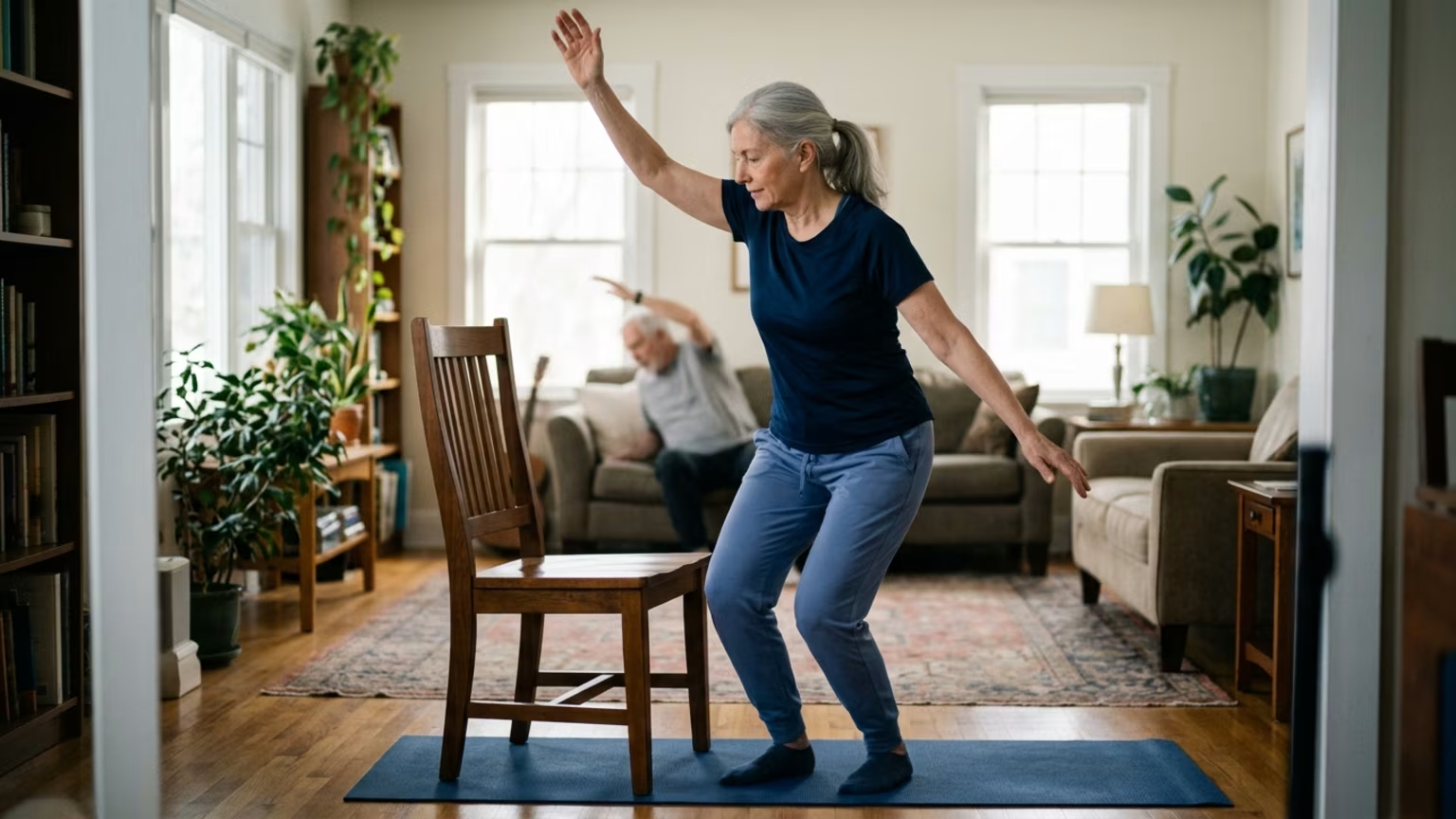
Walking and cycling are among the activities named in the Science Focus guide. These examples make the discussion more concrete than a broad instruction to “exercise more.” They also leave room to talk about what is appealing and realistic.
For personal decisions, the relevant question is how an activity fits a person’s health and mobility. Where those factors raise questions about intensity, a healthcare professional can help assess an appropriate approach. The guide provides a starting point for that conversation rather than an individual exercise plan.
It is useful to separate the choice of activity from claims attached to it. Enjoying a walk and understanding research about physical activity are related topics, but they are not the same decision.
The authors include a regular sleep routine among their seven habits. That places sleep beside activity and learning rather than treating it as a separate concern with no place in a brain-health discussion.
The practical issue is how sleep fits into daily life. Personal questions about sleep needs or persistent sleep difficulties belong in a discussion with a qualified healthcare professional. A magazine guide can introduce the subject without settling those individual questions.
For readers reviewing their routines, sleep deserves attention alongside the more visible activities on a calendar. A full schedule of hobbies does not answer every question raised by a broader guide to wellbeing.
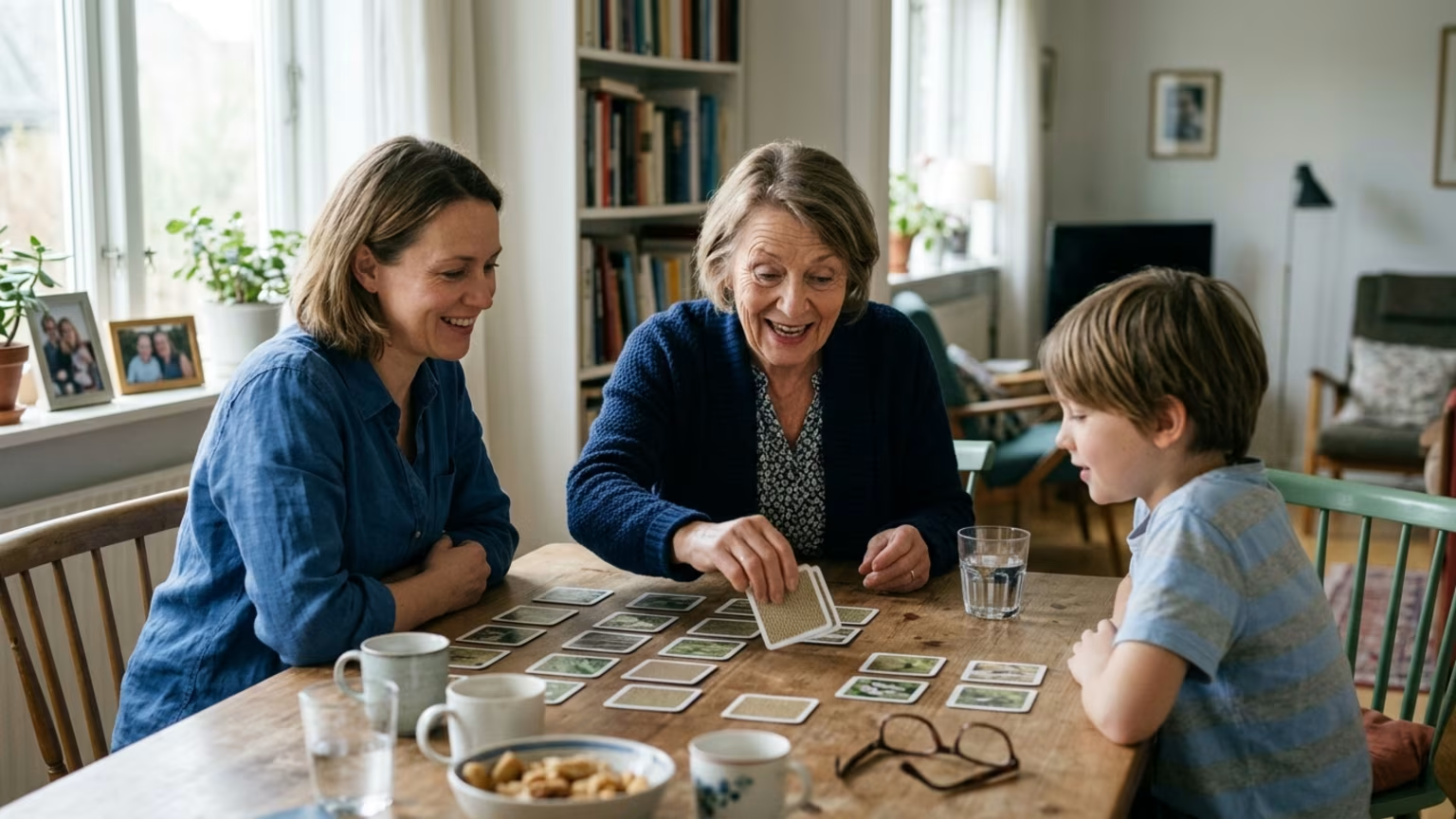
The Science Focus article suggests face-to-face activities such as volunteering or joining a group. Book clubs and cycling groups are among its examples. These are concrete forms of contact rather than an abstract instruction to become more social.
The useful decision is which setting offers a reason to participate. Reading with others and contributing through volunteering are different experiences. Neither needs to become a score or a test of how socially active someone is.
A discussion of which shared activities feel meaningful can help keep the focus on the activity itself. The guide’s examples are options for engagement, not a requirement to join a particular kind of group.
Sahakian and Langley recommend continued learning and mentally challenging activities. Their examples include music, languages and chess. Book clubs appear here too because the guide includes them among mentally stimulating activities.
This broad selection leaves room for curiosity. It does not make one subject or skill the defining brain-health activity. A discussion about learning can begin with what holds someone’s attention rather than with a product advertised as a memory solution.
Choosing an appealing activity is also different from finding a place for it in daily life. For that practical question, FitBrainLab’s guidance on making habits easier to repeat offers related reading. The aim is a workable routine rather than a crowded list of obligations.
The Science Focus publication is an expert-authored guide. It is not a report of a new clinical trial or a newly issued dementia guideline. Its publication is the news event; the habits draw on existing research and the authors’ recommendations.
For comparison, a separate longitudinal research paper published on October 1, 2026 addresses structured exercise and cognitive and social engagement across four aging cohorts. Its stated focus is cognitive impairment-free life expectancy. That is a different kind of publication from a magazine guide that brings several lifestyle topics together.
The sleep claim needs particular care. Sahakian and Langley report that their UK Biobank study found around seven hours optimal for middle-aged and older adults. They also say individual sleep needs may be higher or lower. That makes the figure a research reference point rather than a rigid target for every reader.
The Science Focus account does not supply full study references or methods for several claims. Its discussion also draws on research involving different ages and settings. Examples involving adolescents or students should not automatically be treated as direct evidence of benefits in adults over 60.
Its discussion of cognitive training describes changes in brain activity without enough detail to judge their size or durability. The guide does not establish that its seven habits, or any particular app or hobby, will prevent dementia.
The practical response is to keep the appealing activities in view while keeping the claims proportionate. Personal health decisions belong with qualified care. Everyday choices can remain worthwhile without being presented as a guarantee about future cognition.
The value of this update is its broad view of daily life. Sleep and movement sit beside social contact and learning rather than competing for the title of the single best brain-health habit.
For long-term cognitive health, that is a useful editorial direction. It keeps attention on an engaged life while leaving space for better evidence about which activities affect which outcomes. It also respects the fact that readers have different interests and circumstances.
The strongest takeaway is not a perfect routine to copy. It is a calmer way to discuss cognitive aging: take everyday engagement seriously and keep expectations tied to what the research actually shows.
A seven-habit guide still leaves the task of choosing a realistic focus; FitBrainLab explains the brain-health evidence behind that choice. Conflicting advice about sleep, exercise and brain performance can obscure that decision, so its coverage gives adults 60+ a clear account of established findings and open questions.

Follow FitBrainLab for research-led insights on memory, focus, brain aging, nutrition and mental fitness after 60. Stay connected for new articles, practical guidance and ideas for a sharper, more engaged life.



Build habits that support memory, focus and a curious, connected life.
Read the Blog