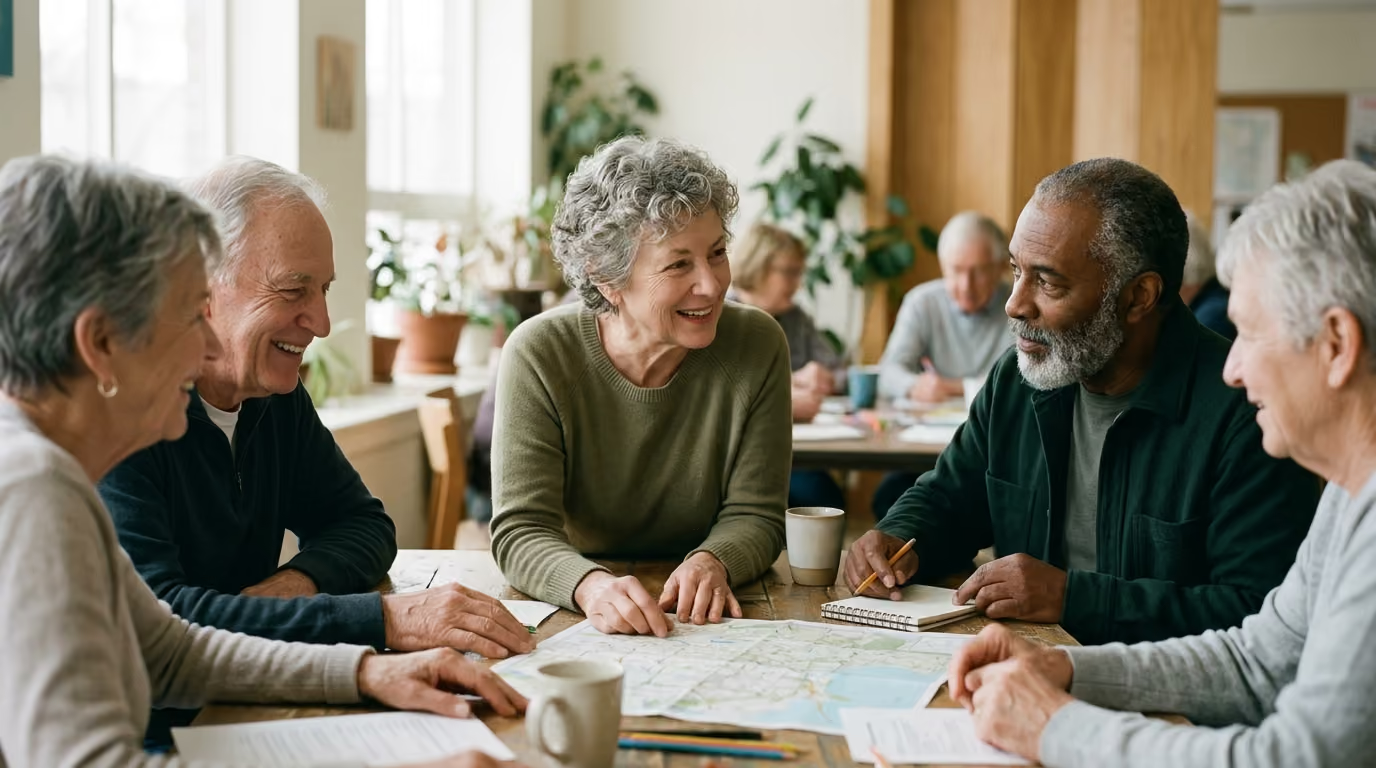
Many people search online for the best social activities to protect their memory after retirement. They often wonder whether joining a book club, volunteering at a local food bank, or taking an art class offers the strongest cognitive support. This guide provides a clear, research-based comparison of seven common social activities to help you find sustainable, meaningful engagement.
Key Takeaways
- Social engagement supports brain health through multiple pathways, including cognitive stimulation, emotional connection, physical movement, and regular daily routine.
- Observational research links activities like volunteering and group exercise with better cognitive outcomes, but no single activity is proven to prevent dementia.
- The most effective activity is one that matches your personal values, fits your physical abilities, and can be maintained consistently over time.
Mechanisms of Cognitive Resilience and Social Contact
The human brain changes throughout adulthood, yet it retains the capacity to adapt. When you interact with other people, your brain must process multiple streams of information at once. You listen to speech, interpret facial expressions, recall shared memories, and formulate thoughtful responses. This complex process activates networks across the frontal, temporal, and parietal lobes.
Social activities often require executive function, which involves planning, organizing, and problem-solving. For example, coordinating a volunteer shift or following the rules of a group game challenges your working memory and mental flexibility. These mental demands encourage neural communication and support cognitive reserve. Cognitive reserve refers to the brain's resilience against age-related changes or neuropathology, allowing a person to maintain functional independence longer.
Beyond direct mental challenge, social engagement affects the nervous system through emotional and physical pathways. Chronic isolation can elevate stress hormones such as cortisol, which may negatively affect the hippocampus over time. Positive social contact helps regulate stress responses, promotes emotional stability, and encourages healthy habits like physical activity and regular sleep schedules.
You can learn more about how everyday habits shape brain architecture by reviewing our guide to brain aging and neuroplasticity. Understanding these mechanisms makes it clear that social contact is an active, multifaceted form of mental stimulation.
Current Scientific Evidence on Social Participation
Researchers have spent decades investigating how social connections influence long-term cognitive health. Scientific studies distinguish between social isolation, which is an objective lack of contact, and loneliness, which is the subjective feeling of being alone. According to data from the National Institute on Aging, about one-quarter of community-dwelling Americans aged 65 and older are socially isolated, and roughly one-third report feeling lonely.
Large-scale population studies show clear links between strong social networks and better cognitive maintenance. A meta-analysis of observational studies found that formal social participation was associated with a lower likelihood of cognitive decline. However, researchers rated the overall certainty of this evidence as low because observational studies cannot prove direct cause and effect. People who maintain high social participation may already have better baseline health, higher education levels, or greater financial resources.
The table below summarizes findings from prominent studies examining various forms of participation:
- Long-Term Cognitive Trajectories: A twelve-year study on social group participation found that individuals participating in volunteer groups maintained cognitive performance more consistently than nonparticipants.
- Brain Protection Mechanisms: Research highlighted by the UC Davis Alzheimer's Disease Center noted that late-life volunteering correlates with better episodic memory and executive function, suggesting voluntary work provides balanced cognitive and physical demands.
- Physical and Multicomponent Interventions: A systematic review published in the British Journal of Sports Medicine showed that group-based exercise programs support executive function and attention in adults with mild cognitive impairment.
While these associations are encouraging, scientists do not treat social participation as a guaranteed cure or shield against neurological conditions. Instead, research supports social activity as one helpful lifestyle factor among many. For a broader look at research-backed habits, visit our cognitive health and protection articles.
Comparison of Seven Common Social Activities
Different activities offer unique combinations of mental challenge, emotional satisfaction, physical effort, and routine. Below is a detailed analysis of seven common avenues for engagement after age 60.
Volunteering
Volunteering provides a structured role where your efforts directly help others. Tasks can range from sorting donations at a pantry to serving on a nonprofit board or greeting visitors at a nature center.
- Cognitive Challenge: High. Volunteers often learn new computer systems, follow specific protocols, solve logistical challenges, and communicate with diverse groups of people.
- Emotional Value: High. Making a tangible difference fosters a strong sense of personal value and self-worth.
- Physical Component: Moderate to High. Many volunteer roles involve standing, walking, lifting, or moving across facilities.
- Social Reciprocity: Moderate to High. You interact with both fellow volunteers and the people you serve, building a wide community network.
- Sustainability: Moderate. Organizations sometimes ask for rigid hours or heavy physical labor, which can cause fatigue if boundaries are not maintained.
Interest-Based Clubs and Groups
Interest groups include book clubs, gardening societies, birdwatching circles, choir ensembles, and hobby groups. These gatherings center on a shared passion or intellectual topic.
- Cognitive Challenge: Moderate to High. Reading a book, analyzing themes, learning musical scores, or discussing complex subjects keeps memory and analytical thinking active.
- Emotional Value: High. Shared enthusiasm creates easy conversation and reduces the pressure of making small talk.
- Physical Component: Low to Moderate. Most groups meet while seated, though hiking, gardening, or travel clubs include physical activity.
- Social Reciprocity: High. Members usually form close, equal friendships through recurring, low-pressure meetings.
- Sustainability: High. Clubs typically meet once or twice a month, making them easy to fit into busy schedules.
Lifelong Learning Classes
Community colleges, libraries, and senior centers offer classes on history, foreign languages, art, technology, creative writing, and practical skills.
- Cognitive Challenge: Very High. Formal education requires the acquisition of new concepts, retention of facts, and active practice of novel skills.
- Emotional Value: Moderate to High. Mastering a difficult topic builds confidence, though some individuals may feel occasional academic anxiety.
- Physical Component: Low. Most courses involve sitting in a classroom or working at a desk, with exceptions for dance, pottery, or studio arts.
- Social Reciprocity: Moderate. The primary focus is often on the instructor, but small group discussions and partner projects encourage peer connection.
- Sustainability: Moderate. Courses run for specific terms or semesters, requiring regular attendance and study outside of class hours.
Faith Communities and Philosophical Groups
Religious congregations, spiritual centers, and secular humanist groups provide regular services, group study, social hours, and community service projects.
- Cognitive Challenge: Moderate. Engaging with philosophical texts, listening to lectures, participating in discussions, and learning ritual music stimulate reflection.
- Emotional Value: High. Shared values, pastoral support, and communal traditions offer deep emotional comfort during major life changes.
- Physical Component: Low to Moderate. Activities are mostly seated, but group singing, liturgical movements, and volunteer committees add light activity.
- Social Reciprocity: High. Congregations often provide intergenerational contact and mutual aid during times of illness or bereavement.
- Sustainability: High. Weekly schedules and established community structures make participation predictable and accessible over decades.
Mentoring and Intergenerational Programs
Mentoring involves pairing experienced adults with children, students, young professionals, or individuals learning a new trade. This can occur through formal youth organizations, literacy programs, or career networks.
- Cognitive Challenge: High. Mentors must listen actively, explain concepts clearly, remember personal goals, and tailor advice to another person's needs.
- Emotional Value: Very High. Passing on wisdom and supporting younger generations creates a strong sense of generativity and personal pride.
- Physical Component: Low. Most sessions take place over coffee, at a desk, in a library, or through video calls.
- Social Reciprocity: Moderate. The relationship centers primarily on supporting the mentee, though mentors often gain fresh perspectives and cultural insight.
- Sustainability: High. Commitments are usually bounded, such as one hour per week, allowing for clear scheduling.
Neighborhood Involvement and Civic Action
Neighborhood engagement includes participating in tenant associations, block clubs, community gardens, local historical societies, or town advisory boards.
- Cognitive Challenge: Moderate to High. Managing local projects requires negotiation, local planning, budget discussions, and public communication.
- Emotional Value: Moderate. Working with neighbors creates practical security, though local disagreements can sometimes cause social tension.
- Physical Component: Low to Moderate. Tasks range from seated committee meetings to physical labor in community gardens or neighborhood cleanups.
- Social Reciprocity: High. These ties create local acquaintances who can offer immediate, practical assistance during emergencies.
- Sustainability: High. Proximity makes attending meetings simple, eliminating long drives or complex transportation arrangements.
Group Physical Exercise
Group fitness includes walking clubs, water aerobics, chair yoga, tai chi classes, and low-impact strength groups designed for older adults.
- Cognitive Challenge: Moderate. Learning choreography, following verbal cues, and coordinating body movements challenge the motor cortex and spatial awareness.
- Emotional Value: High. Exercising with peers provides encouragement, shared laughter, and accountability, which helps reduce loneliness.
- Physical Component: Very High. Group workouts build cardiovascular fitness, muscular strength, balance, and joint flexibility.
- Social Reciprocity: Moderate. Interaction occurs mainly before and after class, but mutual encouragement creates strong social bonds.
- Sustainability: High. Classes operate on predictable weekly schedules, making it easy to establish a consistent morning or afternoon habit.
For more perspectives on physical activity and mental performance, review our collection of lifestyle and brain resilience articles.
Core Pathways Linking Connection to Daily Function
Social activities support long-term brain health through several interconnected pathways. Understanding these pathways helps you choose an activity that meets your specific lifestyle needs.
- PATHWAYS TO COGNITIVE RESILIENCE
- COGNITIVE STIMULATION EMOTIONAL REGULATION
- Complex problem solving - Reduced chronic stress
- Active communication - Strong sense of belonging
- Continuous learning - Reassurance during grief
- PHYSICAL MOVEMENT PURPOSE AND STRUCTURE
- Enhanced blood flow - Predictable weekly schedule
- Motor coordination - Defined social roles
- Balance and joint support - Motivation to leave home
Cognitive Stimulation and Novelty
When you participate in group discussions, plan events, or learn a new subject, your brain processes complex information. Novel environments force the nervous system to adapt, which encourages synaptic communication. Activities that demand quick thinking, such as debating current events in a club or coordinating logistics for a food pantry, provide intense mental exercise.
Emotional Regulation and Stress Reduction
Sustained stress can damage brain structures involved in memory formation, particularly the hippocampus. Being part of a supportive social circle buffers against emotional distress. Having trusted friends to talk to reduces feelings of isolation, lowers resting blood pressure, and helps maintain emotional balance during difficult life transitions.
Physical Health and Cerebral Blood Flow
Many social roles naturally increase your daily physical activity. Walking to meetings, setting up chairs for an event, or participating in a group fitness class gets your body moving. Regular movement improves cardiovascular health, which ensures a steady supply of oxygen and glucose to the brain.
Purpose, Identity, and Behavioral Routine
Retirement often disrupts the daily schedule that work provided for decades. Engaging in meaningful volunteer work or recurring classes restores structure to the week. Waking up with a clear goal gives you a reason to get dressed, leave the house, and maintain a consistent sleep-wake rhythm, all of which support brain health.
You can find more ideas for structuring your post-career routine in our dedicated section on retirement and mental fitness.
A Practical Selection Method for Long-Term Participation
Finding an activity you enjoy and can maintain over time is far more effective than forcing yourself into an overly demanding program. Follow this step-by-step approach to select the right fit for your lifestyle.
- Step 1: Identify Your Primary Need
- Step 2: Inventory Personal Constraints (Mobility, Energy, Budget)
- Step 3: Pick a Low-Risk Trial (Attend 2-3 sessions)
- Step 4: Check Accessibility and Accommodations
- Step 5: Review Energy Levels and Enjoyment After 30 Days
Step 1: Identify Your Primary Need
Begin by reflecting on what is currently missing from your daily life.
- Do you feel mentally unchallenged? Consider a formal class or book club.
- Do you miss having a clear mission? Look into volunteer roles with defined responsibilities.
- Do you feel physically sluggish? Search for a local walking group or water aerobics class.
- Do you feel lonely? Seek smaller, recurring groups where deep conversations occur naturally.
Step 2: Inventory Personal Constraints
Be realistic about your current physical, financial, and logistical circumstances.
- Mobility and Hearing: If you experience hearing loss, large, noisy rooms can cause fatigue. Smaller groups or rooms with good acoustics are a better choice.
- Transportation: Choose locations close to home or near reliable public transit to avoid stressful driving at night or in bad weather.
- Energy Budgets: If you experience afternoon fatigue, look for morning programs. Schedule rest periods before and after social commitments.
- Financial Costs: Many library programs, community center groups, and volunteer roles are entirely free, whereas specialized classes or sports clubs may charge fees.
Step 3: Start with a Short Trial Period
Avoid signing long contracts or making open-ended commitments immediately. Agree to attend three sessions of a club or complete two short volunteer shifts before deciding to join permanently. A trial period gives you room to evaluate the group culture without feeling guilty if you choose not to return.
Step 4: Check for Practical Accommodations
A welcoming group makes adjustments for participants of all physical abilities. Check whether the facility has elevator access, comfortable seating, accessible restrooms, and good lighting. In educational settings, ask if the instructor uses microphones and provides printed handouts.
Step 5: Evaluate Your Energy After One Month
After thirty days of participation, ask yourself these honest questions:
- Did I feel welcomed and respected by the group?
- Did I leave the activity feeling energized or completely exhausted?
- Did the mental or physical challenge feel manageable?
- Am I looking forward to the next meeting?
If the activity feels like an unpleasant chore, adjust your involvement or try a different option. Sustainable participation requires genuine enjoyment.
Real-World Scenarios and Tailored Adjustments
Everyone enters their sixties and seventies with unique life histories, personal preferences, and health profiles. Below are common real-world situations and practical ways to adapt social activities for each.
The Recently Retired Professional
- Profile: A 64-year-old former project manager misses the mental stimulation and social network of their career. Casual social hours feel aimless to them.
- Strategic Fit: Structured volunteering with administrative or organizational duties, or serving as a mentor for small business owners.
- Why It Works: It uses their executive skills, provides a clear objective, and recreates a professional identity without requiring a full-time commitment.
The Introverted Adult Managing Grief
- Profile: A 71-year-old who recently lost a spouse finds large, noisy gatherings overwhelming and exhausting.
- Strategic Fit: A quiet community garden group, a one-on-one library reading program, or an online discussion circle.
- Why It Works: It allows for deep, focused social contact around a shared, quiet task without the pressure of mingling in large crowds.
The Individual with Mobility Limitations
- Profile: A 78-year-old with joint pain and reduced walking endurance who spends most of the week at home.
- Strategic Fit: A seated chair yoga class at a local senior center, a telephone-based peer support volunteer role, or a weekly bridge club.
- Why It Works: It eliminates fall risks and long walking requirements while delivering regular mental and social stimulation.
The Overcommitted Volunteer
- Profile: A 67-year-old who joined four different nonprofit committees and now feels stressed, sleep-deprived, and irritable.
- Strategic Fit: Stepping down from two committees to focus on one high-value volunteer role, paired with a weekly walking group.
- Why It Works: Reducing excess responsibilities lowers chronic stress, protects sleep, and balances mental demands with physical movement.
The Adult with Mild Cognitive Changes
- Profile: A 75-year-old noticing occasional memory lapses who wants to stay active without feeling embarrassed.
- Strategic Fit: Familiar faith community gatherings, structured group exercise, or gardening groups with a supportive friend.
- Why It Works: Predictable routines, familiar faces, and clear tasks provide emotional security and support executive function without causing cognitive overload.
If you are exploring practical tools to support daily mental clarity, read our guide on memory and focus resources.
Common Misconceptions About Socializing and Aging
Navigating advice about brain health can be confusing. Separating established science from popular exaggerations helps you make informed choices.
Misconception 1: Any Social Activity Protects Against Dementia
Many people believe that simply being in a room full of people protects the brain from neurodegenerative diseases. Current scientific consensus shows that while social activity correlates with better overall health, it does not guarantee protection against conditions like Alzheimer's disease. The value lies in the combination of mental effort, emotional support, and healthy daily habits.
Misconception 2: Complex, Difficult Classes Are Always Best
Some older adults push themselves to take highly advanced courses that cause intense frustration and anxiety. If a class makes you feel stressed or inadequate, your body produces elevated cortisol levels, which is counterproductive for brain health. A moderately challenging, enjoyable subject that you stick with consistently is far more beneficial than an advanced class you drop after two weeks.
Misconception 3: You Must Be Naturally Outgoing to Benefit
Introverted individuals often worry that they cannot gain brain health benefits because they dislike large parties or group sports. In reality, meaningful connection does not depend on group size. A focused, one-on-one conversation with a friend or a shared quiet activity like birdwatching provides excellent emotional and cognitive stimulation without causing social burnout.
Misconception 4: Online Interaction Is an Equal Replacement for In-Person Contact
Video calls and online forums provide valuable connections for individuals who are homebound or live in remote areas. However, virtual meetings lack the rich sensory cues, spontaneous physical movements, and environmental navigation involved in in-person gatherings. When possible, combining online groups with face-to-face local interactions yields the best balance.
Clinical Discussions and Medical Considerations
Lifestyle activities complement regular medical care, but they do not replace clinical evaluations. If you or a loved one are experiencing noticeable memory lapses, mood changes, or functional difficulties, speak with a primary healthcare provider.
Bring the following questions to your next appointment:
- Are my current memory and attention changes typical for my age, or do they warrant a formal cognitive screening?
- Could any of my current prescription medications, sleep patterns, or underlying medical conditions be contributing to mental fatigue?
- Are there specific physical limitations I should keep in mind before joining a new group exercise or volunteer program?
- Can you recommend a local occupational therapist, speech-language pathologist, or community wellness program tailored to my physical abilities?
- Should I have my hearing and vision re-evaluated to ensure I can participate comfortably in group environments?
For additional reading and evidence-based materials, visit our complete directory of brain health resources.
Next Steps for the Coming Week
Building a socially and cognitively rich routine does not require an immediate lifestyle overhaul. You can make measurable progress this week by taking small, deliberate steps.
- [ ] Monday: Write down the two social activities from this guide that sound most enjoyable and match your current energy level.
- [ ] Tuesday: Check your local community center, library, or volunteer matching service for meeting times and entry requirements for those activities.
- [ ] Wednesday: Schedule a hearing and vision checkup if you have had trouble following conversations in noisy rooms recently.
- [ ] Thursday: Contact one organization to arrange a visit or register for a short trial session next week.
- [ ] Friday: Reach out to a friend, neighbor, or family member to let them know about your plan, or invite them to attend the first session with you.
Sources
- Effects of Participation in Social Activities on Cognitive ... - PMC
- Types of Social Group Participation and Long-Term Cognitive ...
- Volunteering in late life may protect the brain against ...
- Social connections as determinants of cognitive health and ... - PMC
- 3.1. Demographics
- The relationship between volunteering and cognitive performance in older adults: A systematic review
- Volunteering Is Associated with Lower Risk of Cognitive Impairment - PubMed
- Social Activities Can Help Keep the Brain Young
- Health benefits and harms of older adult volunteering
- Social isolation, loneliness in older people pose health risks
- Social Isolation and Loneliness
- Recommendations - Risk reduction of cognitive decline and ...
- Physical Activity and Cognitive Decline Among Older Adults
- Effects of exercise training on the cognitive function of older adults with different types of dementia: a systematic review and meta-analysis
- RECOMMENDATIONS - WHO Guidelines on Physical Activity ...
- 1 of 9
- Religious Involvement and Cognitive Function Among ...
- Effect of religious involvement on cognition from a life-course perspective: protocol for a systematic review and meta-analysis
- Organizational and non-organizational religious participation and trajectories of cognitive function among older African Americans
- Life-Course Religious Attendance and Cognitive Functioning in Later Life - PubMed