Ron Petersen’s interview puts movement, enjoyable learning, sleep and social contact in context, with clear limits on claims about dementia prevention.





On October 27, 2026, The Seattle Times published an interview with 80-year-old dementia researcher Ron Petersen about his personal brain-health habits. Petersen directs the Mayo Clinic Study of Aging and has studied aging and cognition for more than 50 years, according to the report.
The Seattle Times interview centers on regular movement, enjoyable intellectual activity, sleep and social connection. Petersen describes how these priorities fit into his own life while offering advice drawn from his professional experience.
His research helped establish the concept of mild cognitive impairment. The interview describes this as a state between healthy cognitive aging and dementia. That background makes his account a useful window into how a researcher approaches aging outside his work.
Asked to choose one habit, Petersen puts exercise first. He told The Seattle Times that he exercises about three or four days a week when he is not traveling. His wife often joins him.
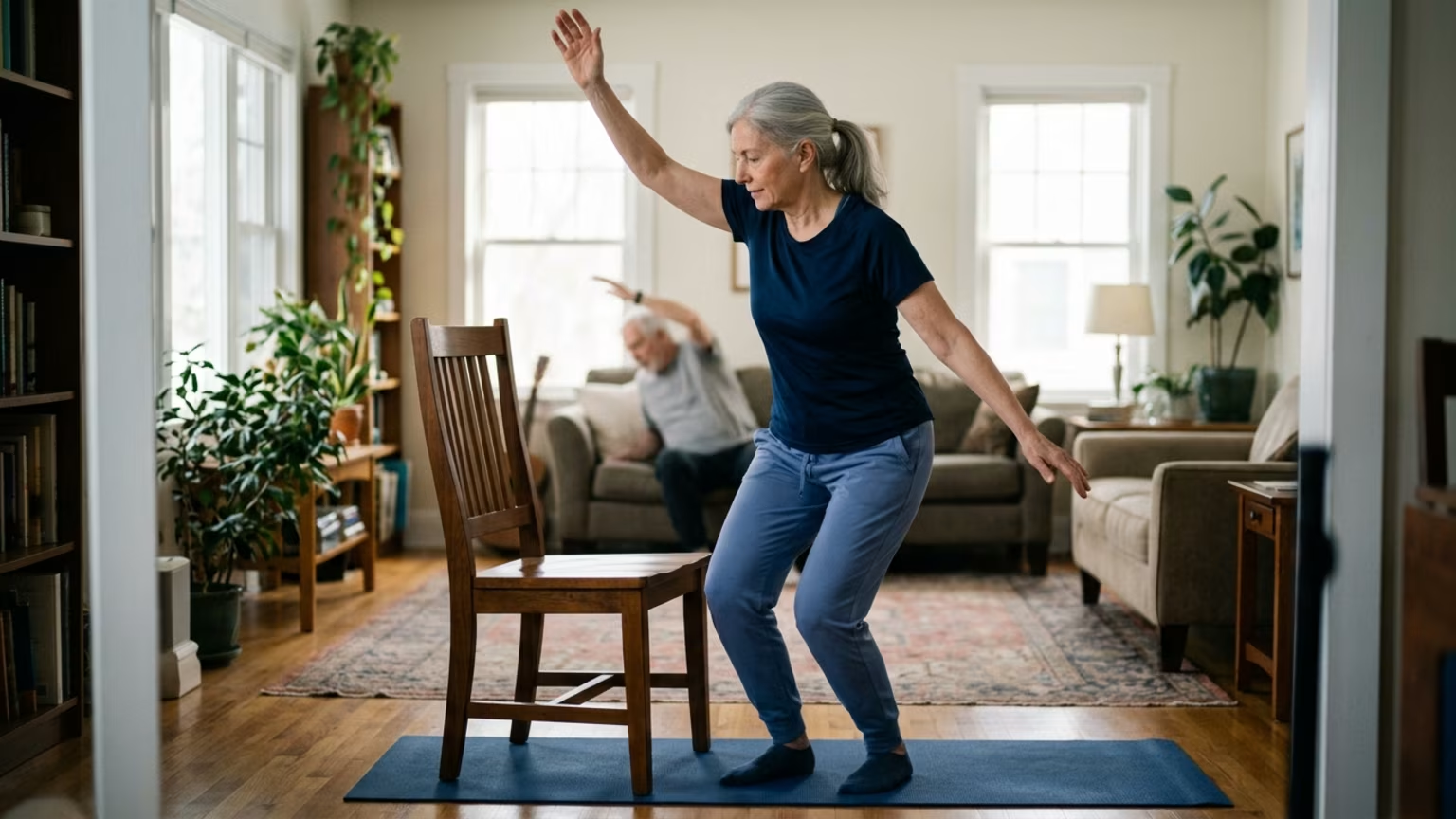
His activities include brisk walking and treadmill workouts. He also does resistance training and flexibility work and plays golf. The routine spans planned exercise and recreation rather than centering on a single activity.
Petersen recommends 150 minutes of aerobic exercise a week. He also stresses the value of doing more than one currently does. His account presents movement as a recurring part of life that must fit around other commitments.
Petersen recommends choosing an intellectual activity that feels enjoyable and worth returning to. The interview offers reading, lectures and discussing ideas as examples. He enjoys nonfiction reading himself.
He does not rely on puzzles or brain-game apps. His emphasis is on interest and continued participation rather than completing a particular kind of mental task.
That gives his advice a different tone from a daily brain-training assignment. The central question is what a person looks forward to doing. A book or conversation has a place in that picture because it engages the person’s interests.
Petersen described avoiding caffeine at night and keeping roughly consistent bed and wake times. His account pairs those habits with attention to possible sleep-breathing disorders such as sleep apnea.
He also distinguishes a brief refreshing nap from regularly sleeping for a long stretch during the afternoon. In the interview, he says the latter may warrant a discussion with a health care provider. The focus is broader than keeping a tidy bedtime routine: it includes paying attention to sleep concerns.
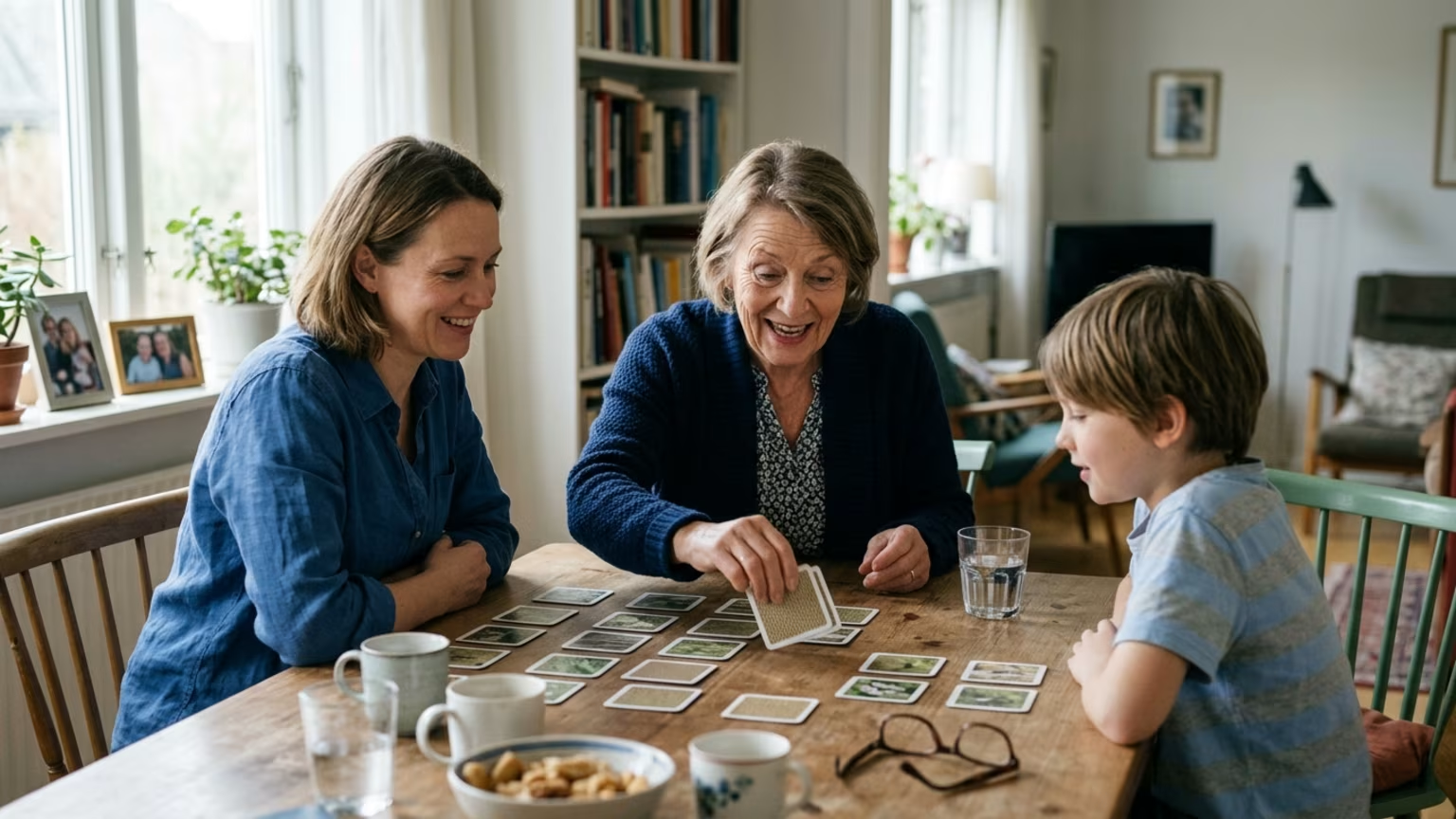
The Seattle Times reports that Petersen’s two children and six grandchildren live relatively nearby. He sees them weekly and regards regular contact with family and friends as important.
He also advises against withdrawing simply because it feels easier to avoid going out. In his account, connection has a recurring place in the week. It is part of how he lives rather than a separate task labeled as brain care.
For adults over 60, the useful part of this interview is its focus on ordinary activities. Petersen describes movement and engagement that have a place in daily life. Readers can examine those priorities without trying to reproduce every detail of his calendar.
The interview’s practical message is to build aerobic movement into the week in a way that suits current ability and circumstances. Petersen’s own mix of activities shows how one person puts that priority into practice. His travel schedule also forms part of the account.
The reported weekly exercise target is his recommendation, not an individualized plan for every reader. Questions about suitable activity for a person’s health circumstances belong with qualified care. Readers weighing related headlines can find more context in FitBrainLab’s coverage of research on brief aerobic activity.
Petersen’s advice makes room for personal taste. Reading appeals to him, but his examples also include attending lectures and discussing ideas. The shared feature is an activity the person wants to continue.
This offers a useful way to sort competing claims about mental activity. Enjoying a discussion group is a different question from asking whether a specific training program changes a measured outcome. That distinction also helps frame research about cognitive training.
A practical reading of his advice is to keep enjoyment and meaning in view. The choice need not turn every free hour into an assignment or make a favorite activity feel like a test.
Petersen’s account places sleep habits alongside attention to possible sleep problems. Concerns about persistent excessive daytime sleepiness or sleep apnea are matters to raise with a health care provider. They are not simply questions of willpower or scheduling.
His social advice also reaches beyond the details of his family life. Nearby relatives are his circumstances; regular contact with family or friends is the broader priority he describes. The practical focus is keeping connection in the picture rather than copying his weekly visits.
Taken together, these priorities offer a way to organize brain-health information: movement, enjoyable engagement, sleep and contact with other people. They are a starting point for thinking about daily life and for discussing personal health questions with qualified care.
The interview did not test Petersen’s routine in a clinical trial. His choice of exercise as the leading habit reflects his professional judgment. It does not establish that exercise alone prevents dementia or that his weekly target produces a predictable benefit for an individual.
The same boundary applies to his reading preferences and family visits. His age and research experience make his perspective relevant, but his personal story cannot identify which habits caused his present health. The publication also did not establish a new guideline or treatment approval.
A separate study examining structured exercise and cognitive-social engagement across four longitudinal aging cohorts provides a useful evidence distinction. Its authors described model-based associations and cautioned that the observational design could not establish cause and effect. Those findings should not be turned into a claim that the studied activities caused longer cognitive health.
Sleep requires its own careful interpretation. Daytime drowsiness can have several explanations, and a long nap alone does not identify sleep apnea. Petersen’s practical point is to discuss possible sleep problems with a health care provider rather than diagnose a disorder from one sign.
These limits keep the interview in its proper place: an experienced researcher’s account of healthy-aging priorities, supported by advice rather than proof of guaranteed prevention.
Petersen’s account matters because it connects cognitive health with participation in ordinary life. Movement shares space with books and conversation. Sleep receives attention alongside time with people who matter to him.
For the long-term discussion of cognitive health, that is a useful direction. It leaves room for practical action without reducing aging to a scorecard. The strongest lesson is not to copy one expert’s life, but to keep meaningful activity and connection within the picture of healthy aging.
An expert’s personal routine can become a rigid brain-health formula when the context gets lost. FitBrainLab addresses conflicting advice about exercise, sleep and brain performance through research-led reporting for adults 60+, helping readers distinguish practical habits from exaggerated health claims and understand cognitive aging without fear.

Follow FitBrainLab for research-led insights on memory, focus, brain aging, nutrition and mental fitness after 60. Stay connected for new articles, practical guidance and ideas for a sharper, more engaged life.





Build habits that support memory, focus and a curious, connected life.
Read the Blog