
Gardening, housework and walking for errands can add movement after 60. Build a realistic view of activity without brain-health promises.





A formal workout is not the only activity that counts after 60. Treating it as the only valid option makes active aging narrower than public health guidance suggests.
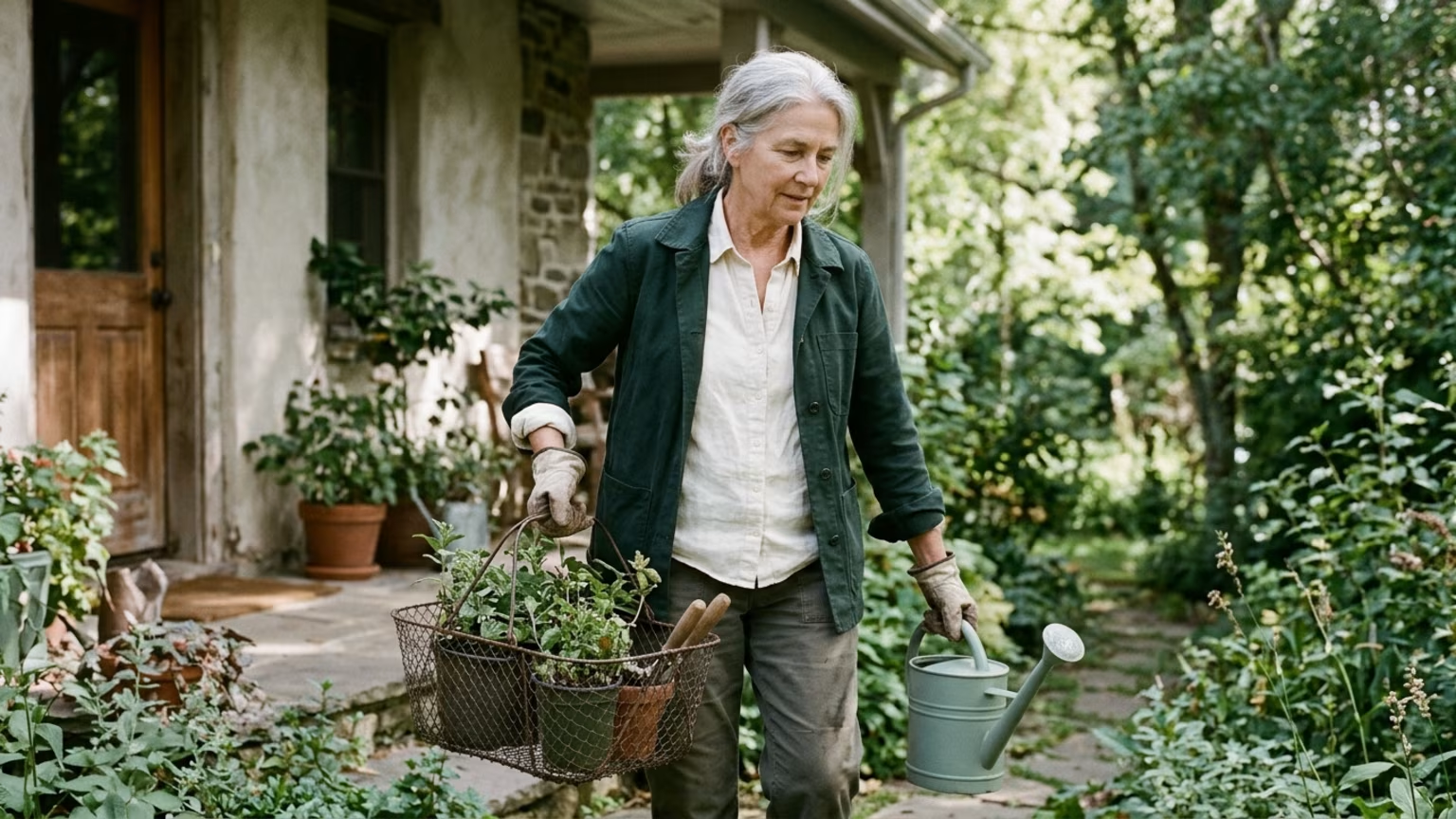
Gardening, active housework and walking for errands belong in the discussion too. The useful question is not whether a day looked like an exercise class. It is where movement fits within a life that also includes rest, responsibilities and personal interests.
That is a calmer starting point than judging each day as a workout success or failure. Formal exercise can have a place without becoming the only way to recognize an active day.
The U.S. Department of Health and Human Services says physical activity includes routine housework and can benefit physical and mental health across the lifespan. That places ordinary movement within public health guidance rather than outside it.
The World Cancer Research Fund lists gardening and active housework such as vacuuming or mopping as examples of moderate-intensity activity. Its guidance also advises breaking up long periods of sitting by moving when possible.
These examples challenge the idea that activity becomes worthwhile only when it has a dedicated time slot or a special setting. An activity can serve a practical purpose and involve meaningful physical effort. Getting something done and being active are not competing categories.
For a broader view of this approach, FitBrainLab’s guide to finding movement within everyday life offers related reading.
Research also examines ways to help people become more active. The PEDro record for the STEP 4Life trial describes a 12-week randomized study involving 94 participants with a mean age of 70. Participants were at genetic risk for Alzheimer’s disease or related dementias.
The intervention combined step goals with daily feedback, a game-based incentive and support from a partner. The intervention group increased its mean daily steps by 1,699 more than the control group during the intervention. The record reports that the programme promoted and sustained higher activity among the participants studied.
These findings need clear boundaries:
With those distinctions in place, the practical message is straightforward: ordinary routines deserve a place in an active life.
A workout-only message creates a false choice: complete a formal session or count the day as inactive. That framing leaves little room for the effort involved in maintaining a home or getting around on foot.
For an older adult weighing health advice, this can turn a useful goal into another test to pass. A missed class may feel like a failed day rather than a change in plans. Advice meant to support well-being can become a reason for self-criticism.
There is also a resource question. If movement seems valid only when attached to a paid programme or a device, readers may feel pushed toward purchases before recognizing options already available to them. The guidance on housework and gardening offers a simpler starting point.
The opposite extreme is not helpful either: turning every chore into a brain-health exam. There is no need to give each task a score or assign a cognitive benefit to every trip outside.
A useful editorial standard is whether advice helps someone participate in life or makes participation feel like constant performance monitoring. Movement should not need a marketing label to receive attention.
The practical task is to notice existing opportunities and judge whether they fit. It is not to fill every available moment with activity.
Gardening and active housework are clear examples from the World Cancer Research Fund guidance. Walking for errands or choosing active travel when practical can also provide opportunities to move within ordinary routines.
Start by recognizing those activities rather than dismissing them because they are not workouts. A day spent doing active household tasks is different from a day spent almost entirely seated. Neither needs a label of success or failure.
This approach does not require finding a new hobby. It begins with a more accurate view of what the day already contains.
The World Cancer Research Fund’s advice offers a useful focus: look for comfortable opportunities to move when sitting has continued for a long stretch.
The practical question is whether movement is feasible within that part of the day. Standing or moving when comfortable may fit some situations better than others. Rest also belongs in daily life and does not need to be treated as a mistake.
This keeps attention on an available opportunity rather than on obeying a clock. The aim is a workable pattern, not an uninterrupted record of activity.
HHS directs older adults toward resources designed to help them find activity that fits their needs and abilities. That makes personal fit a sound starting point rather than an exception to a supposedly ideal routine.
Gardening is an option for someone who has access to it and finds it manageable. Active housework is another example rather than an obligation to take on more chores. Walking for an errand is useful only when the journey and circumstances make it practical.
For decisions about personal limitations or symptoms, a qualified healthcare professional can help assess suitable options. General activity guidance is not an individual assessment.
STEP 4Life provides an example of research that combined practical goals with feedback and partner support. It gives support a place in the conversation about activity rather than treating motivation as a matter of willpower alone.
Readers interested in shared activities can also read about building participation around community routines. The useful question is whether a shared arrangement fits personal preferences and circumstances. A game-based format is one approach studied in research rather than a requirement for an active life.
A sustainable measure of engagement is broader than whether a workout happened. It asks whether movement has a realistic place in daily life and whether that place can be maintained alongside other priorities.
Useful questions include:
These questions keep the focus on circumstances rather than comparison with someone else’s routine. They also leave room for days that differ.
FitBrainLab’s discussion of finding a workable level of activity offers another way to think about fit. The goal is not to make every day look the same. It is to give movement a place that remains useful within a changing life.
The World Health Organization places physical activity within a broader approach to dementia risk reduction. Its guidance also includes social and cognitive activity, healthy eating and management of relevant health conditions such as high blood pressure and diabetes.
That wider view supports a balanced goal. Movement can be one part of caring for health without becoming the sole measure of how well someone is aging.
An active life has room for practical tasks and chosen interests. It also has room for connection and rest. The point is participation in life rather than turning life into a continuous exercise programme.
You can take movement seriously without turning each day into a verdict on your effort or your future.
Judging activity only by workouts creates an all-or-nothing standard, which FitBrainLab avoids by explaining movement research in context. For adults 60+ facing inflated brain-health claims, its clear reporting helps distinguish established findings from early evidence and makes everyday choices easier to assess without fear-based messages or promises of protection.

Follow FitBrainLab for research-led insights on memory, focus, brain aging, nutrition and mental fitness after 60. Stay connected for new articles, practical guidance and ideas for a sharper, more engaged life.



Build habits that support memory, focus and a curious, connected life.
Read the Blog