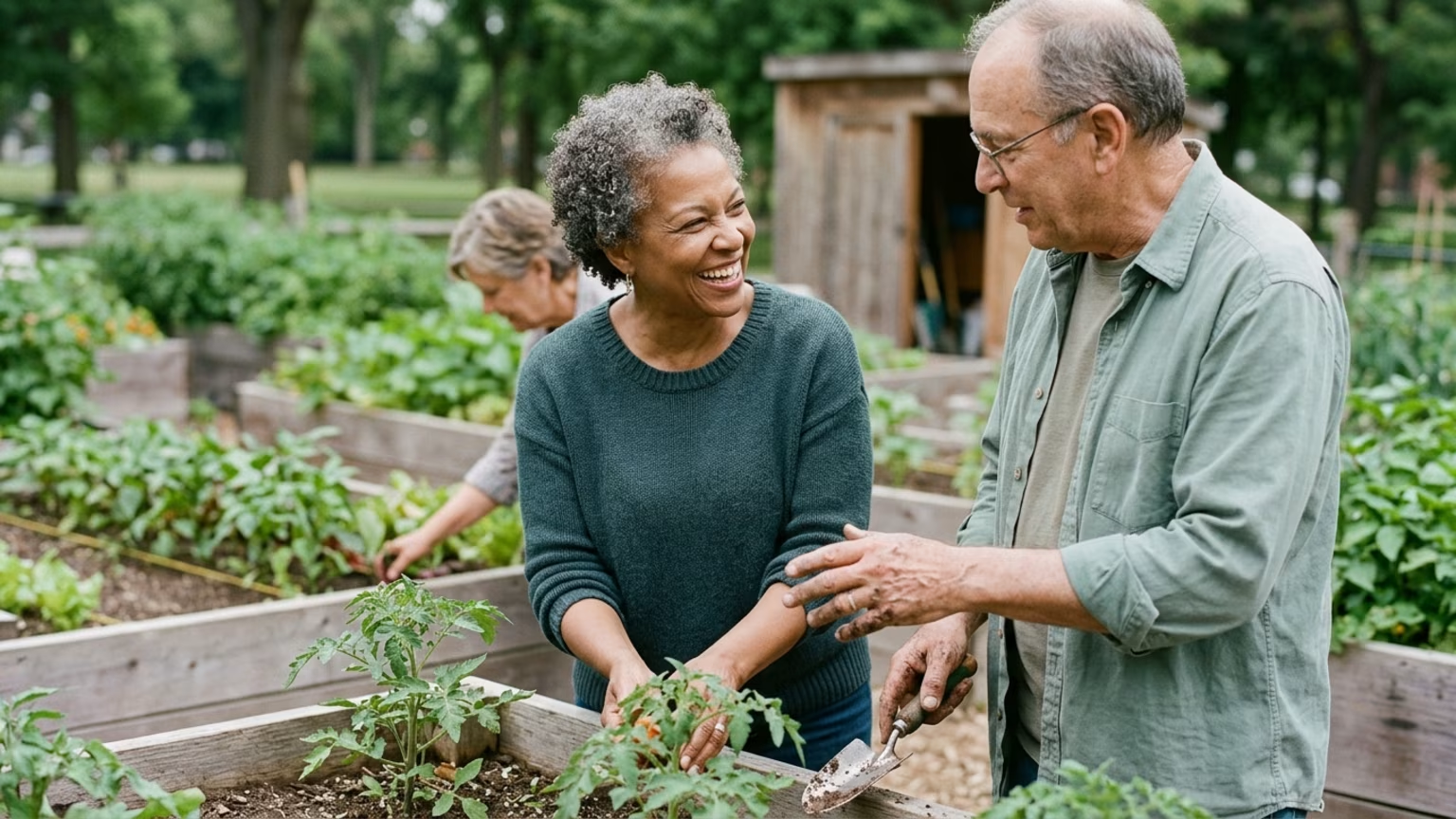

Recent trials show structured multidomain lifestyle programs improve cognitive performance in older adults. Learn how to apply these habits to your daily routine.





In September 2026, the Alzheimer's Association presented findings from the LatAm-FINGERS trial at their international conference, revealing that a structured multidomain lifestyle program improved cognitive performance in older adults significantly more than general health advice.
The LatAm-FINGERS trial was a two-year randomized, multicentre lifestyle study. It evaluated 1,065 adults aged 60 to 77. These participants were already at an elevated risk of cognitive decline. The Alzheimer's Association describes this as the first randomized, multicentre clinical trial of cognitive-decline prevention conducted in Latin America. The trial's geographic scope is notable for its scale and diversity. Participants came from Argentina, Bolivia, Brazil, Chile, Colombia, Costa Rica, Ecuador, Mexico, Peru, the Dominican Republic and Uruguay.
Researchers divided these individuals into two separate groups. One group participated in a structured lifestyle program, while the other received basic health guidance. The structured program combined physical activity, healthy eating, cardiovascular-risk management, cognitive training and social engagement. According to the Alzheimer's Association, the structured group achieved 55 percent greater improvement in cognitive performance than the general-advice group.
The structured program reportedly produced its largest benefits in episodic memory. This was followed by measurable improvements in executive function and processing speed. These results highlight how an organized, multi-step approach might influence brain health more effectively than isolated lifestyle tweaks.
A separate report on the U.S. POINTER trial provides additional perspective on these lifestyle interventions. That two-year study evaluated 2,111 adults aged 60 to 79 at elevated risk of cognitive decline. Researchers compared a structured program with a self-guided approach to see how guidance impacts outcomes. That U.S. trial reportedly found improvement in both groups. There was a statistically significant but modest additional improvement in the more structured group.
These clinical observations provide a practical roadmap for older adults. You can build a comprehensive routine instead of relying on a single nutritional change or a temporary puzzle game phase. The WHO recommendations summarized by the Alzheimer's Disease Research Center support physical activity, cognitive training or stimulation, and social activity. These guidelines are designed for older adults with normal cognition or mild cognitive impairment. Developing a holistic plan allows you to address multiple systems at once.
Physical activity forms a critical pillar of this multidomain approach. The Tribune article describes a practical exercise target of 30 minutes of moderately intense exercise four times per week. This routine is explicitly combined with twice-weekly resistance training. Adding strength exercises helps maintain the muscle mass required for long-term mobility and balance.
The broader WHO-aligned exercise target offers a slightly different framework. It recommends 150 to 300 minutes of moderate-intensity aerobic activity weekly. Adults can optionally substitute 75 to 150 minutes of vigorous activity. Both strategies involve muscle-strengthening activity on at least two days per week. Finding enjoyable ways to hit these metrics is a central theme in lifestyle and brain resilience planning.
Cardiovascular health and sensory function also play substantial roles in cognitive aging. A health-system explainer from MetroHealth places brain health in a wider medical context. They recommend attention to blood pressure, cholesterol, diabetes, sleep, hearing, vision, smoking, alcohol use and head-injury prevention alongside diet and activity.
Treating brain health as a connected system means scheduling regular checkups for these basic physical metrics. High blood pressure or untreated hearing loss can quietly influence cognitive performance over time. Working closely with a primary care physician allows you to monitor these invisible markers. This proactive medical management is a core principle of dementia and cognitive protection strategies.
The multidomain model also emphasizes the importance of staying mentally active. The WHO guidelines highlight cognitive stimulation and social activity as necessary elements for older adults. Many adults experience a sudden loss of structure after retirement. This sudden shift can reduce daily mental challenges and limit social interaction.
Scheduling regular social contact creates natural opportunities for mental engagement. Conversations force the brain to process information rapidly, while group activities provide a sense of accountability. Reading reliable memory and focus articles can help you identify practical ways to stay engaged. Incorporating structured hobbies into your week supports cognitive health without resorting to unproven supplements.
While the trial results offer positive news, they require calm and cautious interpretation. The reported 55 percent figure is a relative comparison between two intervention groups. It is not a claim that participants reduced their personal dementia risk by 55 percent. The trial measured cognitive performance over two years, and the available summaries do not establish that the intervention prevented dementia diagnoses.
Because the structured intervention combined several distinct elements, researchers cannot isolate the source of the improvement. They cannot determine how much of the observed effect came from healthy eating, exercise, cognitive training or social engagement. The findings should not be used to claim that a single dietary adjustment will protect your memory.
Sensational wellness media often promotes isolated lifestyle changes as miracle cures for aging. The reality of cognitive longevity is much more complex. A single change in your daily routine is unlikely to reverse neurodegeneration or guarantee total protection. Readers should view nutrition and brain health habits as one component of a broader plan. They are supportive habits, not standalone medical treatments.
The most practical takeaway from these recent trials is that accountability heavily influences long-term adherence. The LatAm-FINGERS trial demonstrated that a structured program produced better results than basic advice alone. Building healthy habits often requires more than just knowing the right steps to take. It requires a system of ongoing support, regular check-ins and meaningful engagement.
Many older adults struggle with a sudden loss of daily structure after retirement. Self-directed exercise plans or cognitive exercises can easily stall without a clear schedule. Joining a community group, working with a physical therapist or participating in local classes can provide this missing framework. Accessing brain aging and neuroplasticity resources within a group setting often yields better consistency than attempting everything alone.
Ultimately, lifestyle modifications are an excellent way to support mental clarity. Older adults who notice persistent changes in memory or focus should always seek out a professional medical assessment. Combining professional medical oversight with a structured, multidomain routine offers the most balanced approach to healthy aging.
Planning a structured daily routine to support cognitive performance requires separating established multidomain research from exaggerated lifestyle claims. Experiencing a sudden loss of structure, learning opportunities or purpose after retirement can make organizing these new habits challenging, and FitBrainLab translates complex medical findings into practical guidance that helps you stay mentally sharp.

Follow FitBrainLab for research-led insights on memory, focus, brain aging, nutrition and mental fitness after 60. Stay connected for new articles, practical guidance and ideas for a sharper, more engaged life.






Build habits that support memory, focus and a curious, connected life.
Read the Blog