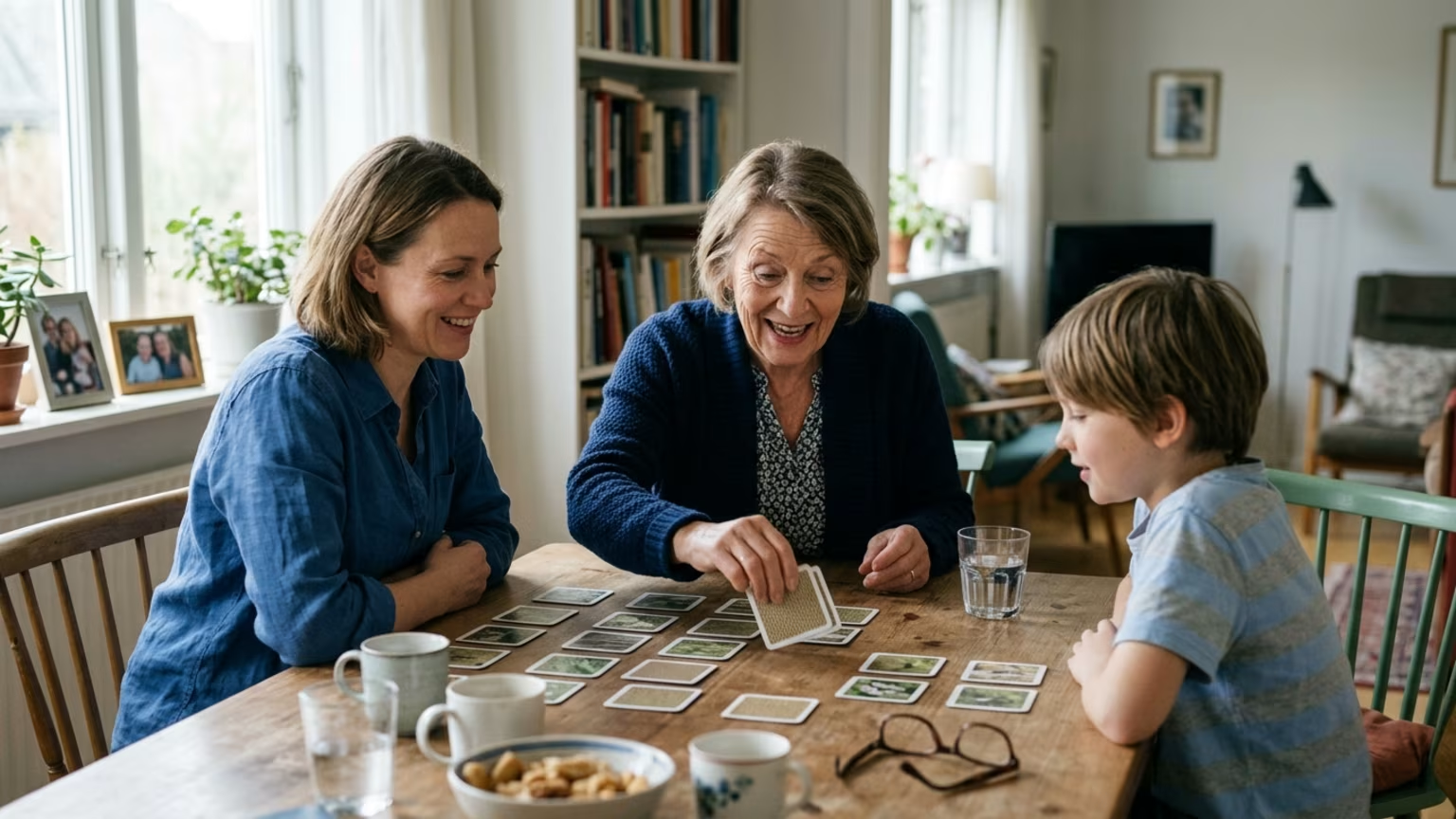
Learning and social contact lead a newsletter’s brain-health advice. NIH guidance helps put the suggestions and their limits in perspective.





On October 10, 2026, the Iron Mountain Daily News published advice from SuperAge’s newsletter “The Mindset” about trying new activities and maintaining regular social contact.
The newsletter describes brain health in terms of clear thinking, social engagement and purpose, and emotional balance and resilience. Its practical message is to make space for unfamiliar experiences and regular contact with other people. That puts attention on the shape of daily life rather than on one isolated activity.
The article suggests learning a language or taking up a hobby. It also includes doing a familiar hobby differently. That last option matters for interpreting the advice: novelty can involve a fresh approach to something already enjoyed rather than a completely new pursuit.
For retirement planning, this offers a choice of starting points. Someone interested in a new subject has one route. Someone who values an existing hobby has another. The newsletter presents these as options for engagement rather than a requirement to replace familiar interests.
The relationship suggestions include arranging shared walks, meeting others and actively listening. These are ordinary forms of contact rather than a specialized program. The newsletter also mentions making lists of things for which one is grateful.
Other recommendations include focused work without interruptions, technology-free breaks, stress management and regular sleep habits. These sit alongside the learning and relationship suggestions. The article’s broader theme is that brain health involves thinking, engagement and emotional life rather than test performance alone.
For readers, the immediate value is a set of options for structuring time. A manageable translation is to choose an enjoyable activity that offers novelty and give social contact a regular place alongside it. This turns a broad message about engagement into a planning question: which activity and which shared time fit the life someone wants to lead?
NIH’s healthy-aging guidance provides a broader public-health basis for paying attention to connection. It says older adults who are socially isolated or feel lonely are at higher risk of cognitive decline. Its suggestions include scheduled calls and groups built around shared interests.
The sources support several practical options:
These options need not become a crowded checklist. The practical aim is a manageable plan built around interest and contact. For readers shaping life after paid work, a framework for mentally engaging retirement offers a related starting point for thinking about structure and purpose.
The Iron Mountain Daily News credits SuperAge’s “The Mindset” newsletter. It does not identify a separate scientific report or name an expert. That distinction matters because the event is the publication of practical advice, not the announcement of new clinical findings.
The article reports that a review of seven studies involving more than 20,000 people found that those who felt least lonely performed best on cognitive tests. It does not identify the review’s authors or publication. Its date and methods are also missing. The figure should therefore remain attributed to the newsletter’s account rather than presented as independently verified research.
NIH’s guidance supplies firmer context for discussing social connection, but it describes an association between isolation or loneliness and higher risk of cognitive decline. That does not establish that a shared walk or language activity independently prevents dementia. The newsletter itself acknowledges that much remains unknown about preserving and building brain health.
There is also no supported league table of hobbies here. The newsletter suggests that clubs and activities are “probably more effective” than crossword puzzles and word finds, but it provides no named study or comparison data. Readers do not need to turn that unsupported ranking into a reason to abandon a pastime they enjoy.
NIH makes a separate distinction about cognitive training. Training designed to improve specific skills appears to benefit cognitive health in older adults. Evidence is insufficient to conclude that commercial computer-based brain-training apps are as effective as methods tested in research. A general recommendation to stay mentally engaged is not evidence for a particular app.
The practical response is to keep the activity choice separate from questions about a personal memory change. Those concerns belong with a qualified health professional. For related reading, FitBrainLab’s guide to making sense of cognitive changes after 60 addresses the distinction between normal aging and concerns that merit attention.
The long-term significance of this coverage is its focus on ordinary participation in life. It gives readers a way to think about new learning and relationships together, rather than treating brain health as a narrow contest of scores or products. For someone shaping a retirement routine, that is a useful change of focus.
At its best, the message is about making room for something interesting and for other people. A familiar hobby approached differently can sit beside a regular conversation or a shared walk. The plan does not have to be identical for every reader to reflect the newsletter’s central ideas.
For cognitive-health reporting, the lasting standard should be just as clear: explain what was actually published and match practical suggestions to the strength of the evidence. Useful guidance respects both the wish to stay engaged and the need for honest science.
Making room for learning and shared walks is a practical choice; FitBrainLab addresses the research questions behind that choice. When advice about everyday habits and brain performance conflicts, its coverage gives adults 60+ clear accounts of cognitive aging and lifestyle evidence so they can weigh options for staying mentally engaged.

Follow FitBrainLab for research-led insights on memory, focus, brain aging, nutrition and mental fitness after 60. Stay connected for new articles, practical guidance and ideas for a sharper, more engaged life.



Build habits that support memory, focus and a curious, connected life.
Read the Blog