Rice and Belmont Village bring virtual courses and group discussion to 33 U.S. communities. A closer look at the model, access and evidence limits.





On October 27, 2026, Rice University’s Susanne M. Glasscock School of Continuing Studies and Belmont Village Senior Living announced Lifelong University across all 33 of Belmont Village’s U.S. communities. According to Rice’s announcement, the program pairs faculty- and expert-led virtual courses with discussion and activities facilitated by trained community staff.
Rice says the partnership began as a pilot several years ago. It grew from 12 communities to the full U.S. network, with the university describing this launch as the next phase after the pilot.
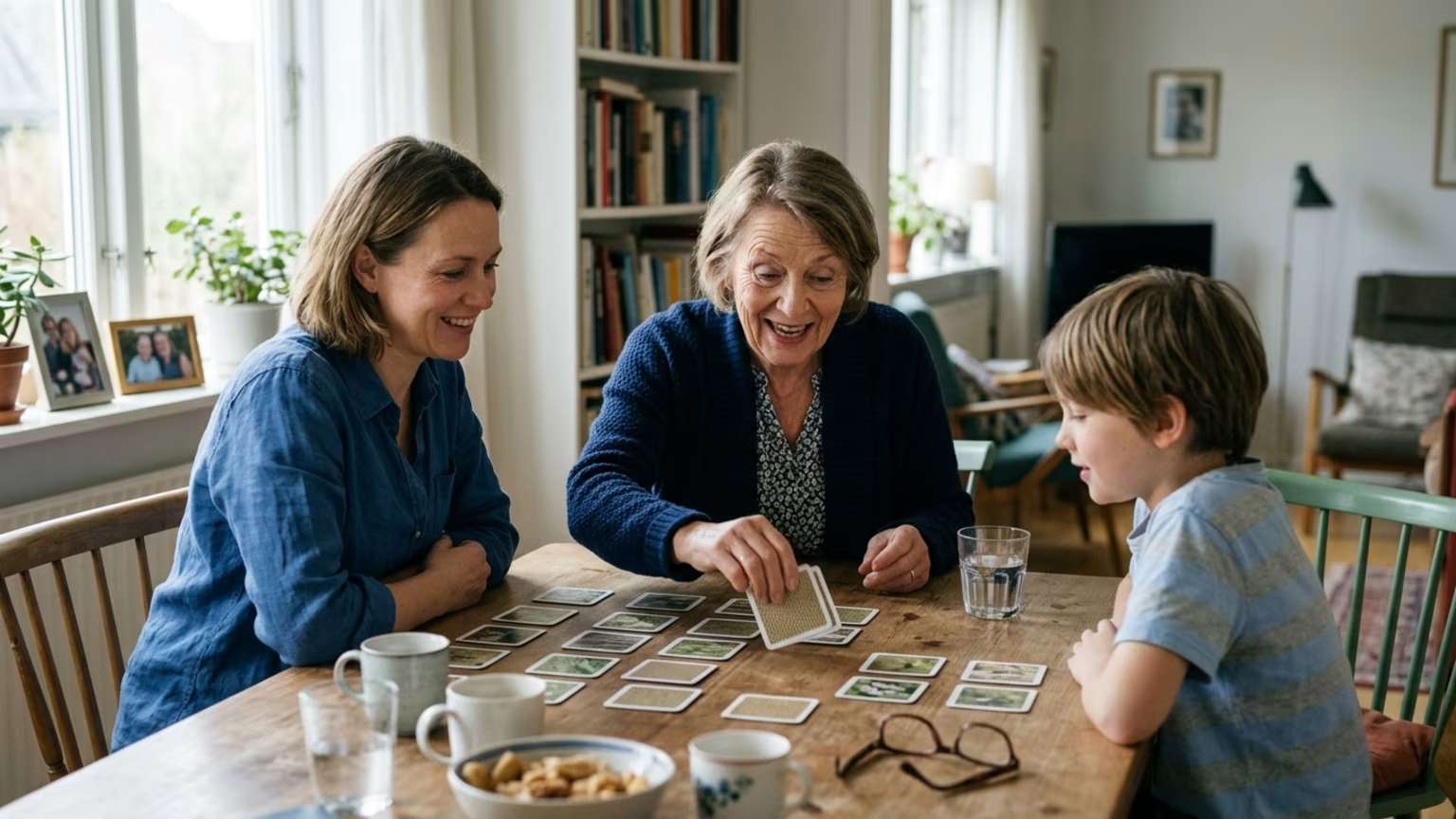
The format combines remote teaching with local participation. Faculty members and other experts present course material virtually. Trained Belmont Village staff then help residents discuss the material and take part in related activities.
That division of roles is a central part of the design. The university supplies academic content and custom staff training, while community staff facilitate group participation. Rice describes their role as helping residents engage with the material beyond the virtual lectures.
The subjects are not limited to health or aging. Rice says the curriculum has ranged from Art Deco architecture to ant behavior. Creative workshops have also been added as another format for learning and interaction.
These examples suggest a useful way to view the program: as access to subjects worth learning about for their own sake. A resident’s interest in architecture or the natural world can be the starting point. Learning does not have to begin with a concern about memory.
Rice says feedback from residents and staff has helped refine both the curriculum and its delivery. Surveys are also used to guide improvements. This gives participants a stated role in shaping how the program develops.
In Rice’s announcement, Belmont Village founder and CEO Patricia Will described a shared belief that “learning should not have an expiration date.” That is a statement of the partnership’s values rather than a research finding.
For residents in the participating communities, the practical change is access to a structured university partnership where they live. The model brings academic instruction into the community rather than requiring residents to attend courses on a campus.
For people comparing retirement learning options, the useful feature is the combination of content and participation. A lecture provides material to think about. Facilitated discussion creates an opportunity to ask questions and hear how other people interpret the same subject.
A practical comparison can focus on the experience being offered:
Rice describes the staff training and discussion format. Its announcement leaves course frequency and costs unspecified, along with arrangements for residents who need participation support. Those details belong in a conversation with the provider before someone makes plans around the offering.
For a person missing the structure of working life, a course can be evaluated as a possible place in the weekly calendar. Does the subject hold their attention? Is there room to contribute? Would they look forward to returning?
Those are questions about fit and purpose rather than a test of how seriously someone takes brain health. A person can value learning without treating every class as a health intervention.
FitBrainLab’s guide to approaching new subjects after 60 offers related reading beyond this particular program. A university partnership is one feature to weigh when assessing a community, not a substitute for examining whether the wider setting meets someone’s needs.
The expansion documents broader delivery within this partnership. It is not a measure of health benefit. Rice’s announcement reports no measured effects on memory or cognition, loneliness, or quality of life. It does not establish dementia prevention or another clinical benefit.
The announcement also does not provide participation totals or resident demographics. Attendance and retention rates are not reported. Rice says surveys inform improvements, but it does not publish quantified survey findings. Those gaps limit what readers can judge about participation and residents’ reported experiences.
Separate research offers context for studying programs that combine learning with social activity. Medical News Today reports that an analysis of five national surveys across 24 countries included nearly 58,000 people. Greater participation in social activities was associated with higher cognitive scores, including scores for memory and executive function.
The coverage also reports associations between volunteering or sports-club participation and lower risk of cognitive decline. Training courses and caring for children were linked with more favorable yearly cognitive scores in some analyses. These findings concern several forms of social participation rather than one course format.
This was observational research, not an evaluation of Lifelong University. It cannot establish that social participation caused the cognitive differences. Reverse causation is possible: people with stronger cognitive abilities may be more able to remain socially active.
The distinction matters when reading a headline about learning and brain health. The separate study gives researchers a reason to examine social participation more closely. It does not transfer a measured benefit to the Rice and Belmont Village program.
The practical response is to judge a learning opportunity on its actual design. Interesting material and opportunities for shared discussion are concrete features to ask about. They need not be presented as medical outcomes to be worthwhile.
For now, Rice says the formal partnership is exclusive to Belmont Village during the current academic year. The university is inviting potential partners to discuss possible launches as early as fall 2027. That is a possible starting point for expansion, not a confirmed schedule for additional providers.
The announcement does not identify confirmed new partners or establish access for people outside Belmont Village communities. Readers elsewhere should therefore treat it as an example of a learning model rather than an open enrollment announcement for the public.
Any later expansion would need to be assessed on its own details. The relevant questions would remain practical: where courses are offered, who can participate and how local staff support the learning experience.
Lifelong University gives a concrete example of higher education reaching people in the places where they live after retirement. Its defining feature is not simply a screen carrying a lecture. The design connects academic teaching with staff-supported discussion and activities within a community.
For long-term cognitive-health reporting, this is a useful shift in focus toward the learning environment. It invites questions about access to interesting subjects and opportunities to participate. It also treats older adults as learners with interests rather than only as people being assessed for health risks.
The next useful questions concern how the model works for different residents over time. Evaluation could examine participation and accessibility alongside residents’ feedback and measured outcomes. That would help distinguish an appealing design from a well-documented experience.
For readers thinking beyond one program, planning continued intellectual engagement offers another way to approach retirement. The lasting value of this development is its attention to continued learning as a part of later life worth making room for.
Retirement activity planning rests with older adults and those supporting them; FitBrainLab adds an evidence-based perspective on learning and purpose. For people missing the structure of working life, its reporting connects practical choices with research on cognitive aging so continued engagement can be assessed without inflated health promises.

Follow FitBrainLab for research-led insights on memory, focus, brain aging, nutrition and mental fitness after 60. Stay connected for new articles, practical guidance and ideas for a sharper, more engaged life.



Build habits that support memory, focus and a curious, connected life.
Read the Blog