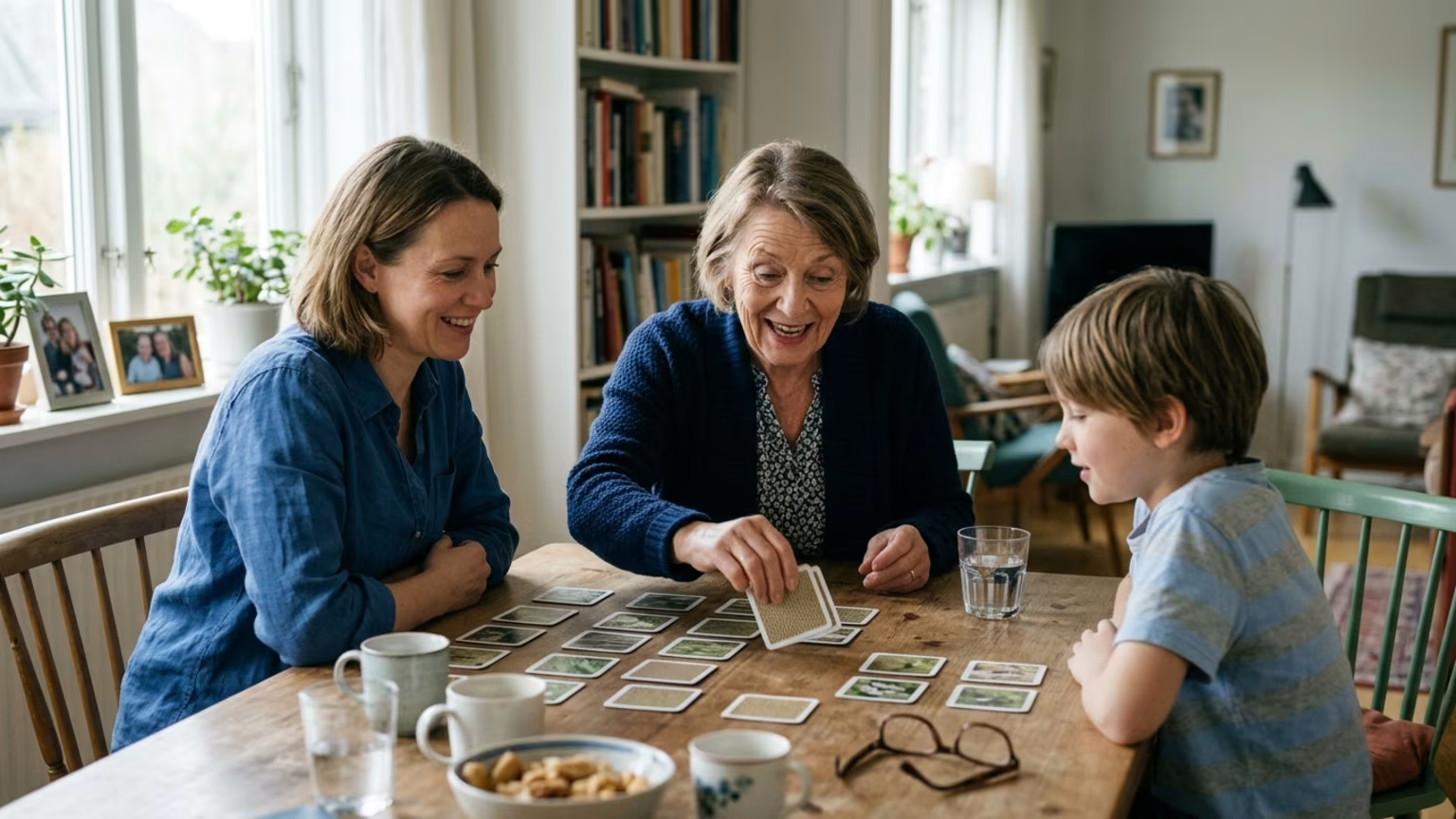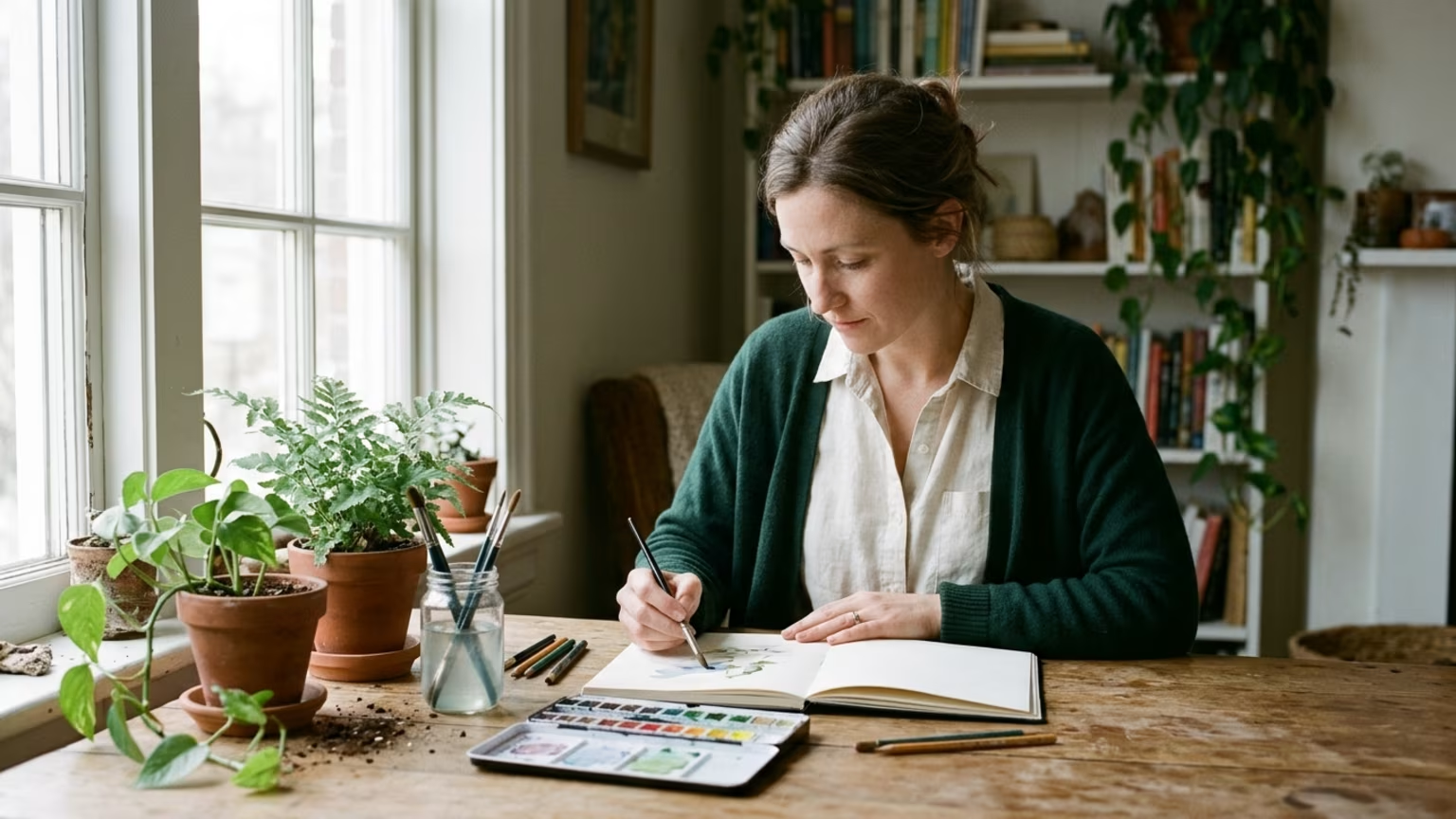

A Washington Post report examines crafts, mood and cognition. Learn what the findings mean for choosing an engaging hobby after 60.





On October 25, 2026, The Washington Post published a report examining how crafts such as knitting, pottery and jewelry-making may relate to mood and cognition. The article revisited earlier research and interviewed experts about the mental demands and possible value of hands-on hobbies.
The report looked back at a 2019 study in Neurology. Yonas Geda and colleagues followed 2,000 people aged 70 and older for five years. Researchers collected information about leisure habits and assessed participants’ cognition over time.
According to Geda’s account in the Post, craft participation was associated with a 42% lower risk of developing mild cognitive impairment (MCI). That comparison was between people who engaged in crafts and those who did not. The analysis adjusted for age, gender and education.
The Post also reported that participants who did crafts five or six times a week showed more benefit than those who did them once or twice weekly. Crafts were part of a broader picture: socializing, exercise and puzzles were also associated with reduced MCI risk in the study.
Related research has examined social activity and cognition among older adults across five longitudinal cohort studies. That wider research interest places crafts within questions about engagement in later life rather than treating them as an isolated category.
Psychologist Kristine Kelly told the Post that knitting can involve planning, short-term memory, visual processing and finger dexterity. Her explanation gives a concrete picture of what mentally engaging activity can look like.
A craft does not have to resemble a memory test to require thought. In Kelly’s description, the thinking and the hand movements are parts of the same activity. The work of making something can involve keeping track of a task while coordinating what the hands are doing.
The Post also described a 2013 survey linking more frequent knitting with knitters’ reports of feeling “calm and happy.” This finding concerned how participants felt rather than their performance on a cognitive assessment.
Geda described crafts as an “anchoring exercise” that may help people focus on the present during distress or anxiety. His image shifts attention toward the experience of making something. For a reader choosing a hobby, that experience may be a more immediate point of interest than a distant health outcome.
For adults over 60, the most practical part of the report is the experts’ approach to choosing an activity. They favor something that engages both hands and mind. They also suggest a manageable challenge and an emphasis on learning rather than producing a perfect result.
These suggestions are about the quality of the experience. They leave room for personal interest instead of making the choice revolve around a headline about memory.
Kelly suggests finding a level of difficulty that holds attention without becoming frustrating. Knitting, pottery, whittling and jewelry-making are among the examples discussed in the report. The useful starting point is interest in the activity itself.
A practical question is: Would I enjoy learning how to do this? Another is: Does this feel engaging rather than overwhelming? Those questions reflect the experts’ advice without turning a leisure activity into a test of personal discipline.
The aim is not to select the most demanding craft available. It is to find a challenge that makes the process of learning appealing. That distinction keeps the focus on participation rather than on proving skill.
The experts interviewed by the Post recommend valuing learning over a flawless finished object. This changes the standard by which a project is judged. The result does not have to be impressive for learning to remain the point of the activity.
For someone deciding whether to try a craft, the relevant question becomes whether the process is interesting. Judging every attempt by the quality of the finished object sets a different goal from the one those experts propose.
This is a useful way to approach a new hobby without attaching a performance target to it. The report’s advice makes room for being a learner.
The Post’s experts also suggest crafting with other people when that appeals. The report includes individual accounts of craft gatherings making social situations feel more approachable.
That suggestion leaves room for different preferences. Someone drawn to company can include it in the choice of activity. Someone more interested in the making itself can keep that interest central. The report offers social participation as an option rather than the defining feature of a worthwhile craft.
For readers comparing this story with other headlines, the same evidence-first approach applies to other aspects of cognitive health: identify what was studied before deciding what a finding means for daily life.
The central limitation belongs in plain view. Geda cautioned that the craft finding shows an association rather than proof that crafting caused the difference. Healthier people may have been more likely to take up crafts. Adjusting for the reported background factors does not establish cause and effect.
Several other boundaries affect how the report should be read:
Elise Bromann Bukhave, an associate professor studying crafts and mental health, told the Post that evidence is accumulating but more rigorous research is needed. The article did not establish that a craft prevents MCI or dementia.
The practical boundary is straightforward: an enjoyable hobby and medical care serve different purposes. Personal concerns about memory or mood belong in a conversation with a qualified healthcare professional.
The long-term significance of this research is that it takes ordinary leisure seriously. It asks how activities people choose for enjoyment relate to cognitive aging. That is a worthwhile question for researchers and for adults who want an engaged life after retirement.
For readers, the most useful response is modest and concrete: let interest guide the choice of craft. Give learning room to happen. Include company when it adds something welcome to the experience.
A worthwhile hobby need not carry the entire burden of a brain-health plan. It can have a place in life because the activity itself is absorbing and worth returning to. Keeping that perspective also helps when reading the wider discussion of brain health and aging.
Craft choices belong to the person doing the making; FitBrainLab’s role is to translate the brain-health evidence behind those choices. For adults 60+ weighing which everyday habits deserve attention, the publication offers clear explanations of cognitive aging and research uncertainty without turning an enjoyable activity into a medical promise.

Follow FitBrainLab for research-led insights on memory, focus, brain aging, nutrition and mental fitness after 60. Stay connected for new articles, practical guidance and ideas for a sharper, more engaged life.



Build habits that support memory, focus and a curious, connected life.
Read the Blog