lifelong curiosity
Your sharpest years can still be ahead
Build habits that support memory, focus and a curious, connected life.
Read the Blog
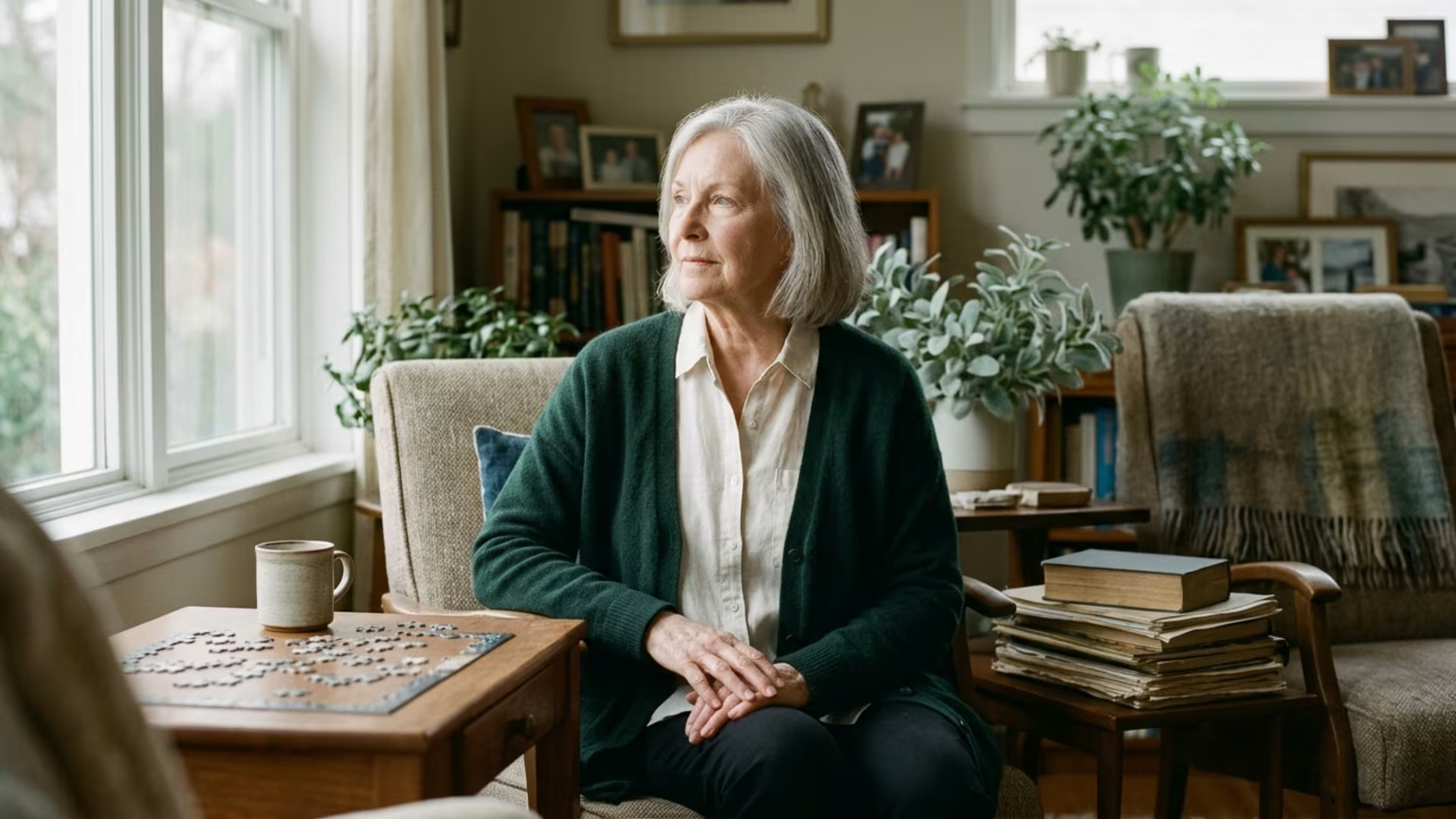
A report examines reduced activity and cognitive change. Learn why familiar routines need context and when broader concerns merit a care discussion.

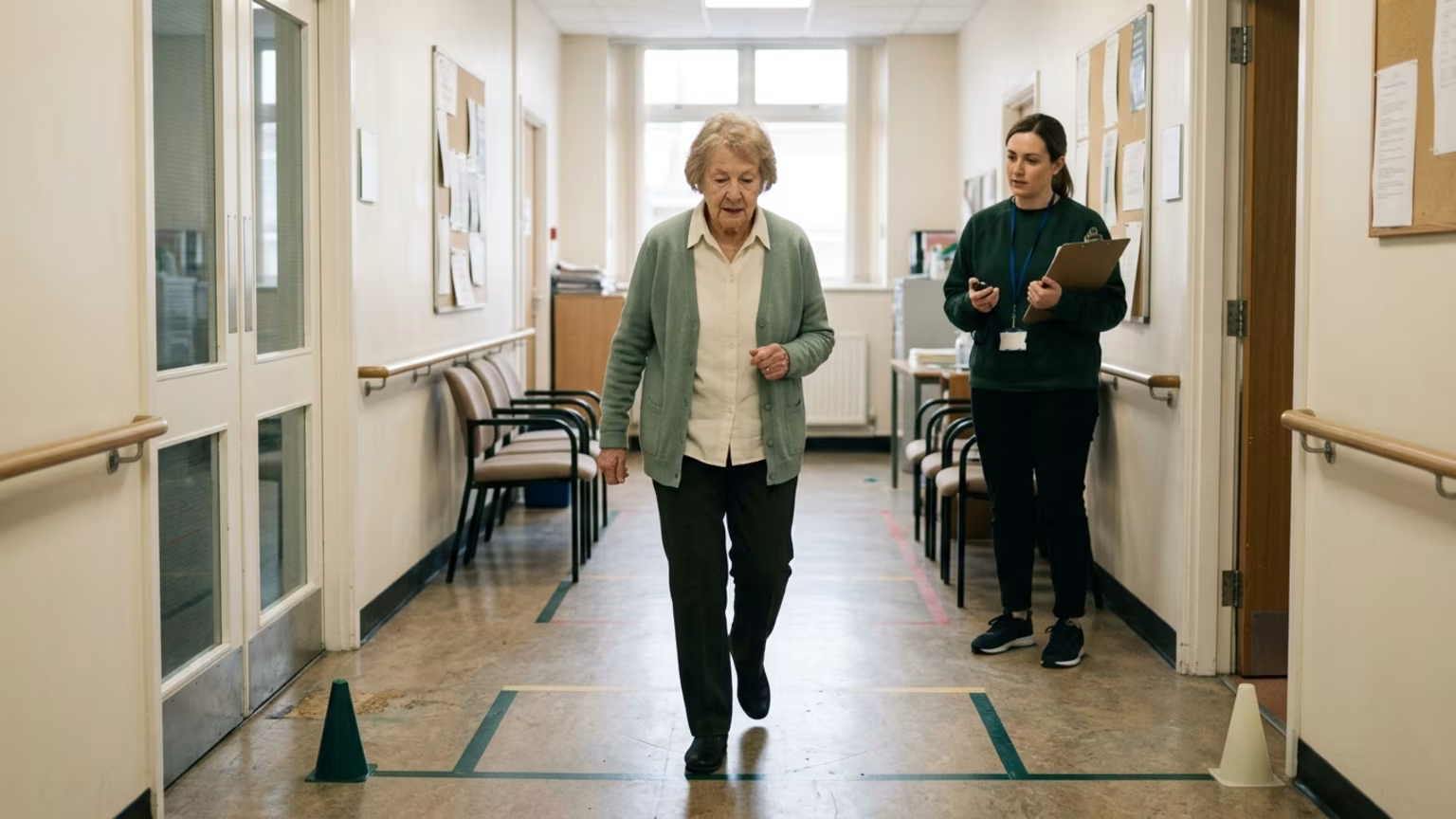
A supervised walking trial examined frailty, not memory. Learn why its setting matters and what to discuss with a qualified professional.

Yale researchers found a gap between recorded dementia diagnoses and patient reports. Learn what the findings mean for communication, support and care.

A recent BMC Geriatrics review reveals significant reporting gaps in how multi-component active aging programs measure real-world feasibility and costs.

The upcoming Super Age Games expands fitness goals to include working memory and social connection. Learn how multidomain routines support healthy aging.

Hackensack Meridian Health's new clinical guide offers adults over 60 specific brain-health questions about standard lab results to ask at an annual physical.

A recent study investigated whether digital speech clocks can estimate cognitive aging. FitBrainLab explains the findings and limits of voice assessment tools.

A 2026 observational study examines how midlife employment trajectories relate to cognitive health, highlighting the value of structured routine in retirement.

The University of Maine launched a three-year study testing whether group recorder lessons and music listening are feasible cognitive activities for older adults.

A longitudinal study of 5,217 older workers finds that continuing to work for financial or health insurance reasons is associated with poorer mental health.
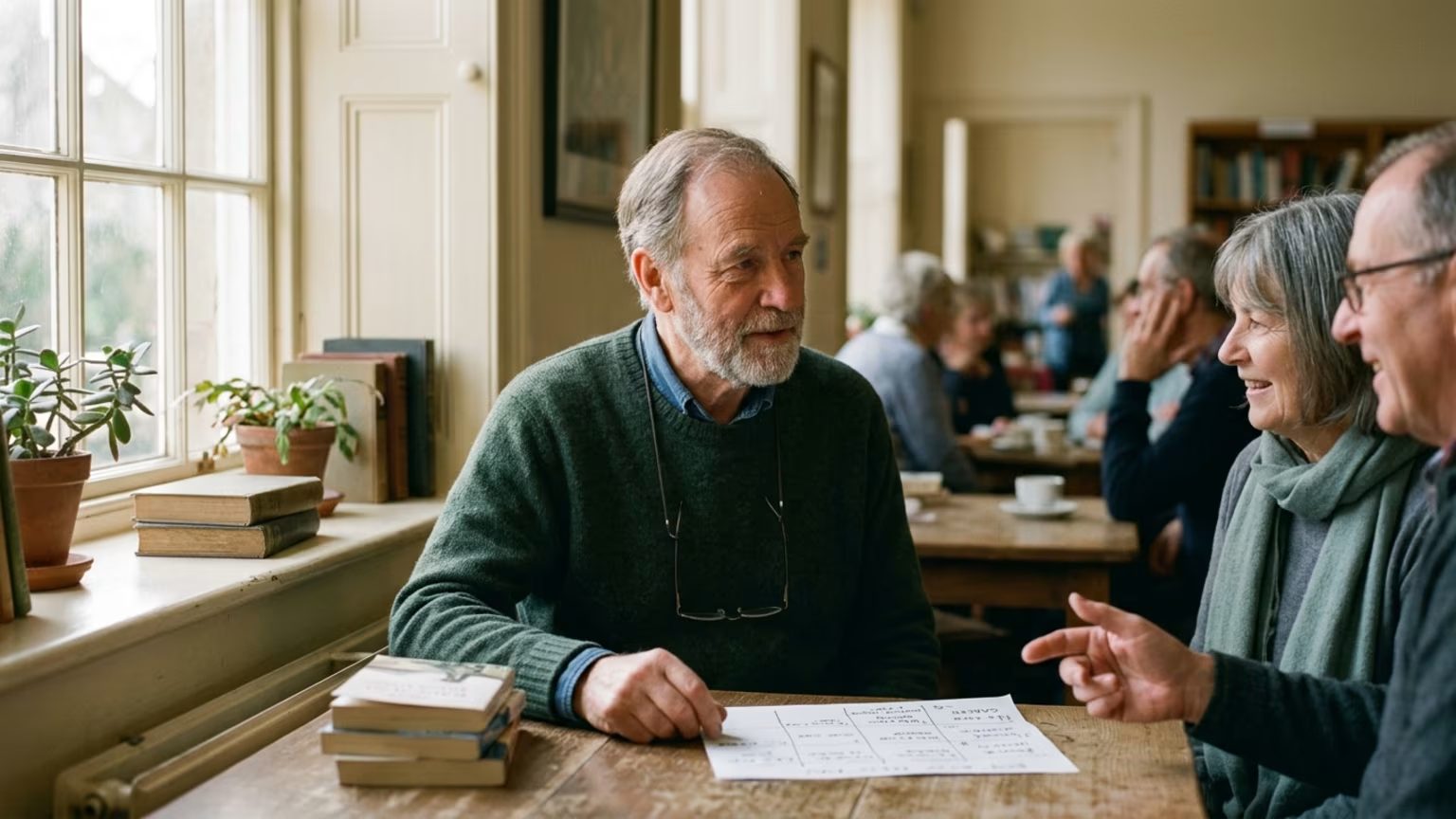
A structured social plan for retirement can help replace workplace interaction. Read how intentional connection supports mental well-being and independence.

A 2026 Johns Hopkins study links lower thoracic spinal bone density to faster cognitive decline, suggesting shared aging factors rather than a direct cause.

A 2025 survey associates meaningful pursuits and close friendships with retirement satisfaction. Learn practical ways to build an engaging schedule.

New research shows language brain networks remain remarkably stable in healthy aging, offering practical ways for adults over 60 to stay mentally engaged.

A survey by Wes Moss links multiple core interests to higher retirement satisfaction. Learn how to build a varied daily routine to stay mentally engaged.
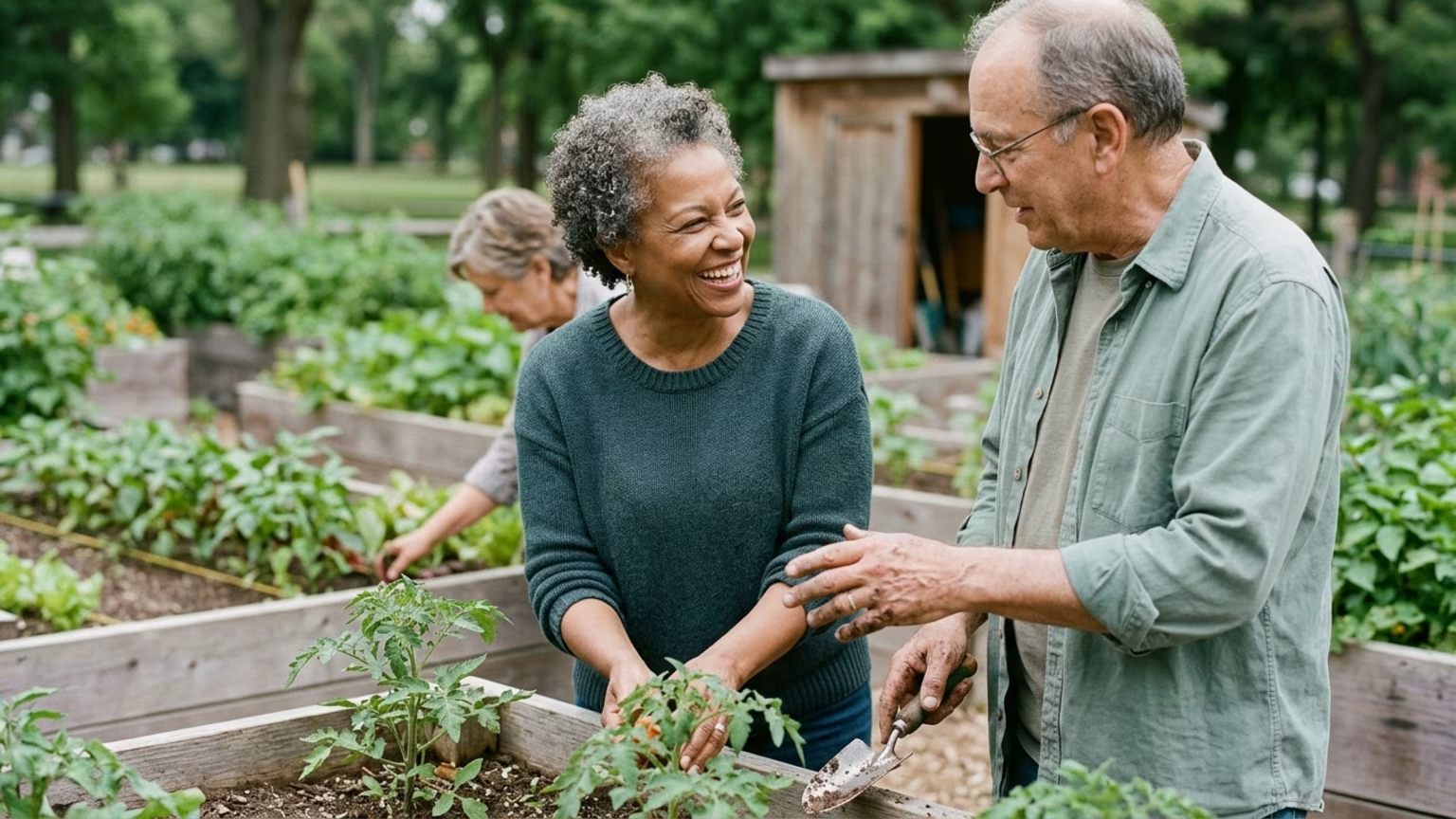
We review how everyday social connection, continuous learning and purposeful habits support memory preservation and cognitive vitality for adults over 60.
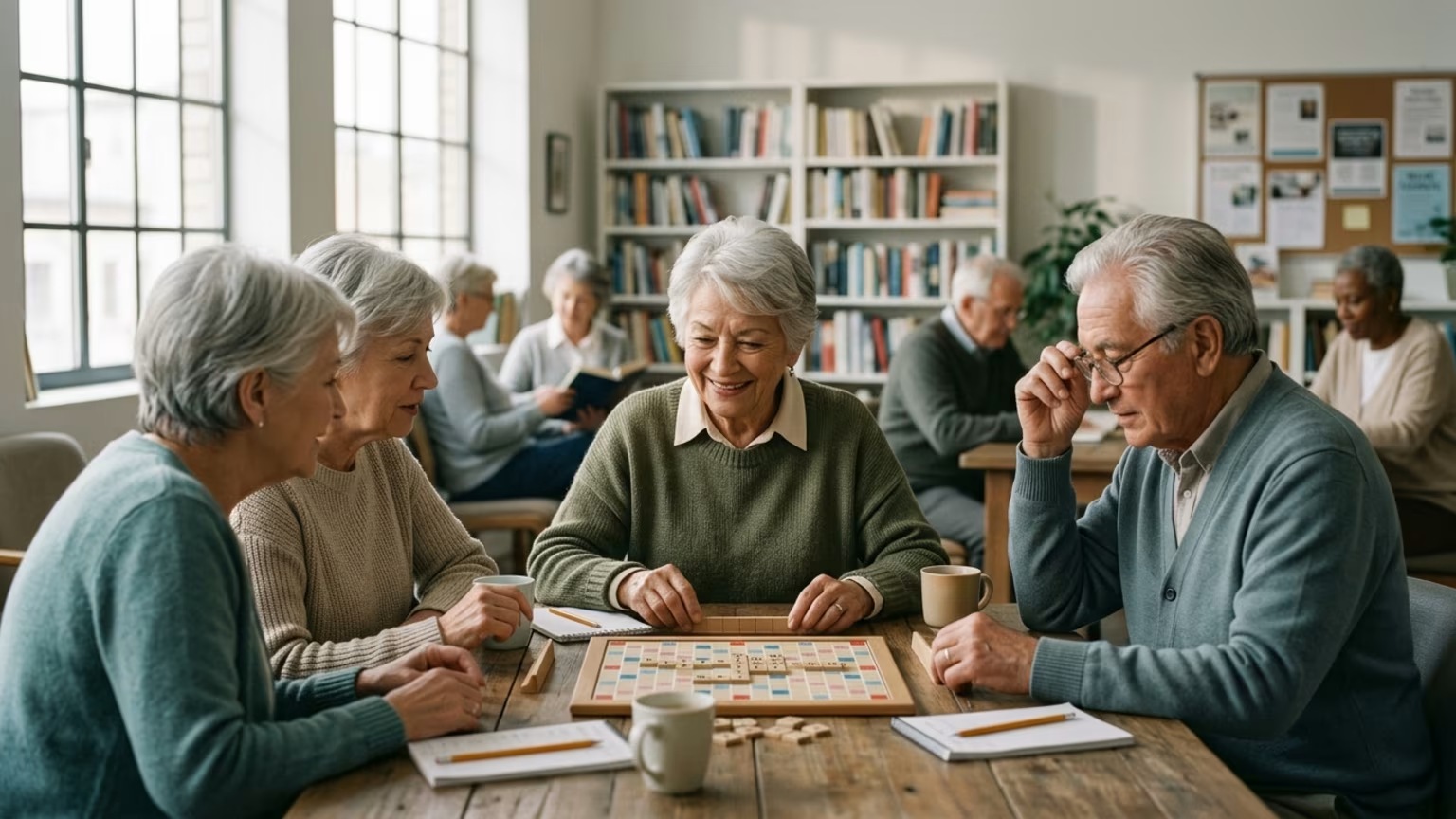
A University of Cambridge review associates reading with slower cognitive decline, highlighting how social routines support brain health after 60.

A 2026 Wake Forest study found observational associations between chronic stress, perceived social support, and cognitive aging. Learn how these factors operate.
Build habits that support memory, focus and a curious, connected life.
Read the Blog




