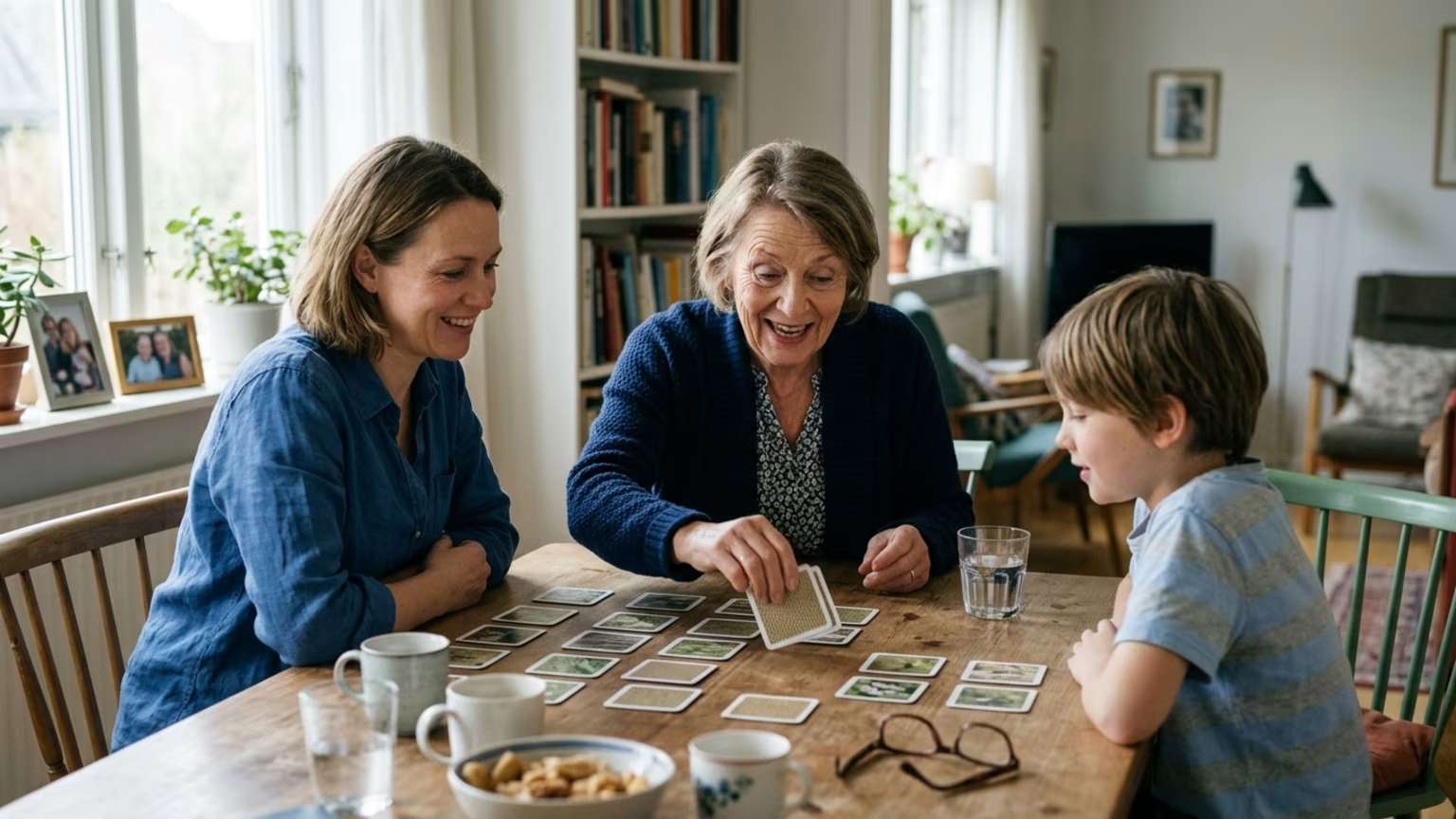

A survey by Wes Moss links multiple core interests to higher retirement satisfaction. Learn how to build a varied daily routine to stay mentally engaged.





On September 30, 2026, 247WallSt reported that retirement researcher Wes Moss and his team surveyed 1,200 Americans across all 50 states to compare the habits of happy and unhappy retirees.
Moss refers to deep ongoing interests as core pursuits. He describes these activities as super activities or hobbies on steroids. According to the findings reported by 247WallSt, unhappy retirees typically have four or fewer of these pursuits. Happy retirees tend to maintain at least five core pursuits in their daily lives.
The time dedicated to these activities also shows a clear and measurable difference. Happy retirees spend about 2 hours and 40 minutes a day on their core interests. Unhappy retirees average about 1 hour and 50 minutes daily. The report characterizes this daily gap as a difference of more than 280 hours a year. This significant time difference suggests that frequency and dedication matter.
Moss noted in a Motley Fool interview that these pursuits must be activities people truly love. They are done regularly rather than just once or twice a year. People anticipate doing them and often want to improve at them over time. This continuous desire for improvement separates a true core pursuit from passive entertainment.
The 247WallSt article notes that 15 years prior, Moss’s earlier research found happy retirees averaged 3.6 core pursuits. The shift toward a benchmark of five activities indicates that expectations for retirement have changed. Modern retirees may need more structured engagement to replace the social stimulation previously provided by full-time work. This historical comparison shows that building a satisfying life after work is an evolving process.
The recent report highlights specific gaps in activity types among the less satisfied group. For instance, 57% of the unhappy retirees in this research had no adventure-related interests. While the survey does not define what counts as an adventure, this finding suggests that novelty plays a role in retirement satisfaction. Breaking away from highly predictable routines might help older adults maintain a stronger sense of active engagement.
Social connection also plays a highly significant role in the survey findings. The Motley Fool interview reports that 81% of happy retirees agreed they had enough friends. Only 38% of unhappy retirees felt the same way about their social circles. This gap highlights the clear difference between solitary hobbies and pursuits that build local community. Activities that involve other people naturally provide a deeper level of ongoing emotional support.
These findings offer a practical way to think about daily routines after work ends. Rather than searching for one single life purpose, independent adults can build purpose through multiple regular activities. This shift in thinking takes the pressure off finding a perfect retirement calling. It encourages older adults to try different types of structured engagement.
This framework helps retirees move past empty hours to a weekly schedule of active participation. If a person currently spends two hours a day on casual television viewing, they might choose to redirect some time. Allocating time to activities they actively anticipate can profoundly change the structure of their day. It turns unstructured time into clear opportunities for skill building and social connection.
The focus on regular practice gives retirees a clear standard for choosing new hobbies. An activity done only twice a year does not qualify as a core pursuit. To count as a core pursuit, an activity needs a dedicated block of time. This required time investment forces individuals to prioritize the activities that genuinely bring them lasting satisfaction.
The 247WallSt article suggests taking stock of your existing relationships and groups. From there, you can sort your current and planned activities into distinct functional categories. These categories include physical, intellectual, social, creative and service activities. Balancing activities across these different areas can create a highly engaging weekly schedule. For more guidance on building meaningful routines, review our Retirement & Mental Fitness Articles.
Physical activities help maintain mobility and independence as you age. Intellectual pursuits challenge the brain and keep the mind sharp during retirement. Sorting your interests into these buckets supports a balanced approach to aging well. You do not need to master every category to see a practical benefit in your daily life. Taking a daily walk or reading challenging books can serve as simple starting points.
Social activities provide regular contact with peers and community members. This aligns closely with the survey finding that happy retirees feel they have enough friends. Creative roles allow for consistent self-expression and ongoing learning. Service activities offer a powerful sense of duty and connection to the broader local community. To find ways to add mental structure, visit our Brain Aging & Neuroplasticity Articles.
While this framework offers helpful ideas for structuring a week, readers should clearly understand its limitations. The reported relationship between multiple pursuits and retirement satisfaction is purely survey-based and observational. It does not establish that adopting five interests directly causes greater satisfaction. It also does not prove that five is a clinically meaningful threshold for everyone.
The 247WallSt report provides very limited details about the actual survey methodology. It does not share the survey dates, sampling method or specific questionnaire wording used. The report also leaves out the response rate and the exact statistical procedures applied. Readers cannot assess exactly how the survey defined the happy and unhappy groups.
These findings are entirely about reported life satisfaction and self-reported time use. This survey is not a medical study measuring memory, attention or general cognitive decline. It does not track dementia outcomes or brain health metrics over time. Older adults should not view these survey results as a guaranteed method to prevent cognitive decline.
Treat the recommendation for five pursuits as a helpful prompt rather than a universal target. There is no definitive medical rule that states every retiree must have exactly five hobbies. The actual goal is to build a sustainable routine that fits your personal energy levels. Relying on strict numbers can create unnecessary stress for independent older adults.
This development matters because it fundamentally changes how we talk about planning for life after work. Moving away from vague ideas of happiness toward measurable time investments provides a highly practical starting point. When independent older adults track their active hours, they can quickly spot gaps in their daily routines. They can then fill those gaps with activities that require deep focus and provide personal meaning.
Building a life with varied pursuits supports long-term mental resilience by keeping the brain consistently challenged. Learning a new skill, maintaining complex friendships and volunteering all demand entirely different types of mental effort. This diverse engagement keeps daily life highly interesting and prevents the isolation that often accompanies aging. Older adults who actively shape their schedules are much better positioned to maintain their independence.
The true value of this survey lies in its simple reminder to stay deeply involved in the world. Whether you have three core pursuits or six, the active investment of focused time is what counts. Prioritizing activities you love and anticipate will naturally lead to a more structured and highly satisfying week. For additional strategies on remaining active, review our Lifestyle & Brain Resilience Resources.
Tracking daily hours spent on challenging core pursuits offers a practical way to measure retirement satisfaction. Uncertainty about which everyday habits may support cognitive health often complicates these lifestyle transitions for older adults. FitBrainLab translates complex evidence on brain aging into clear, practical guidance to help readers maintain mental clarity. Our research-led editorial approach ensures you can build varied routines without relying on exaggerated wellness claims. Explore Resources

Follow FitBrainLab for research-led insights on memory, focus, brain aging, nutrition and mental fitness after 60. Stay connected for new articles, practical guidance and ideas for a sharper, more engaged life.




Build habits that support memory, focus and a curious, connected life.
Read the Blog