lifelong curiosity
Your sharpest years can still be ahead
Build habits that support memory, focus and a curious, connected life.
Read the Blog
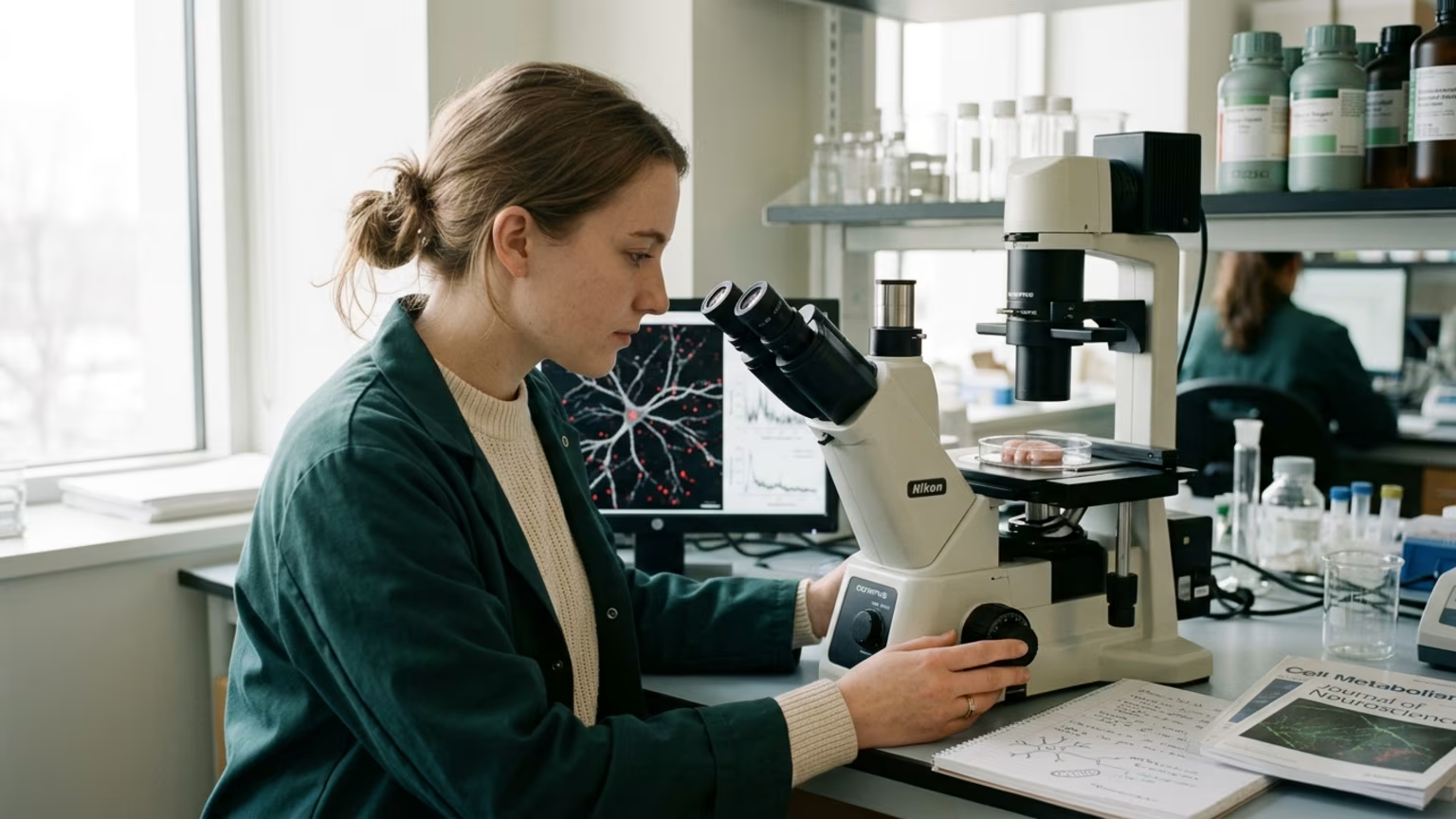
A new mouse study suggests that mitochondrial performance at specific synapses may influence cognitive flexibility. Learn why these findings require caution.

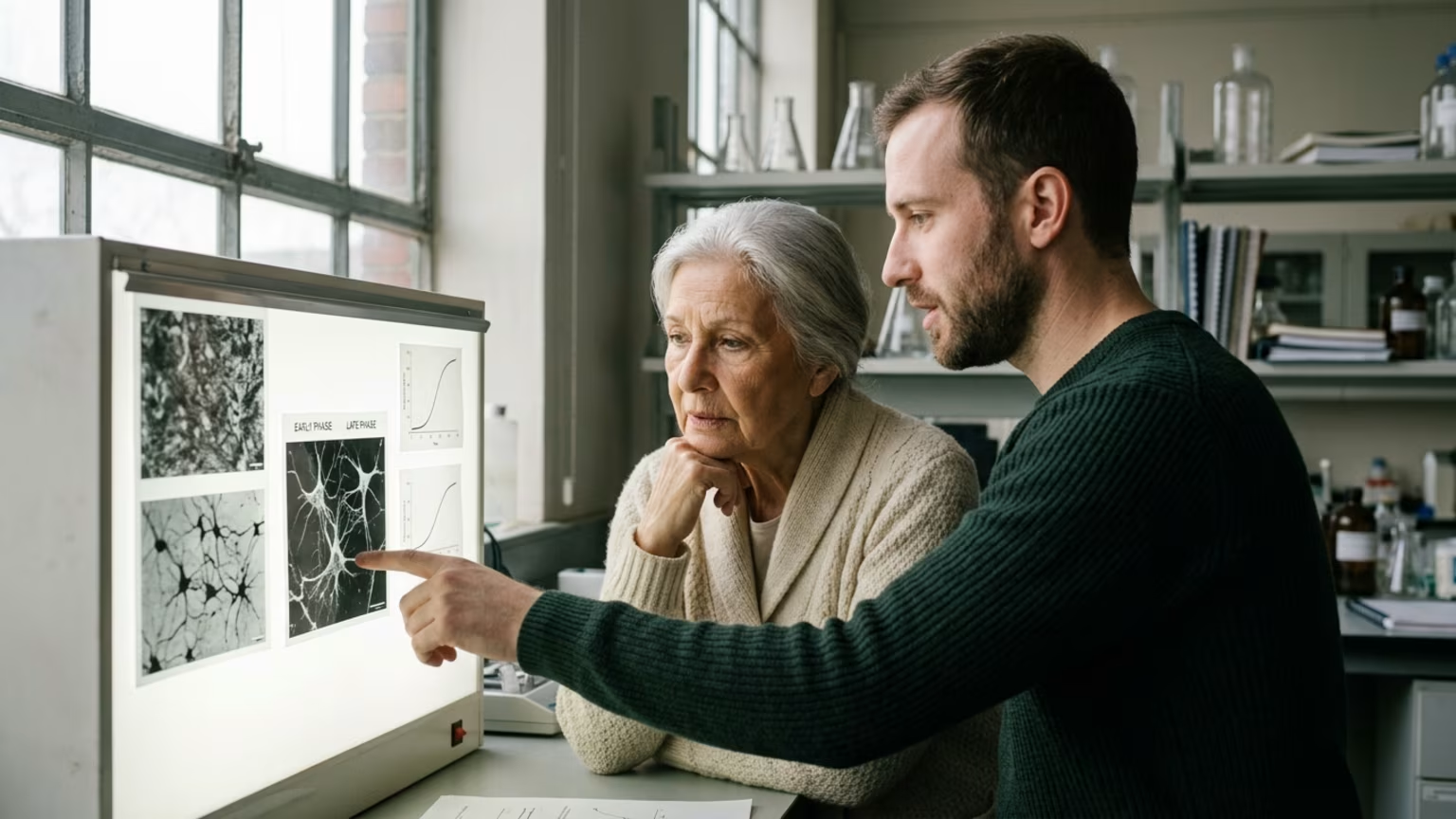
A Drexel-led study proposes that tau-associated dementia involves two phases of microtubule disruption. Learn how this lab research impacts cognitive science.
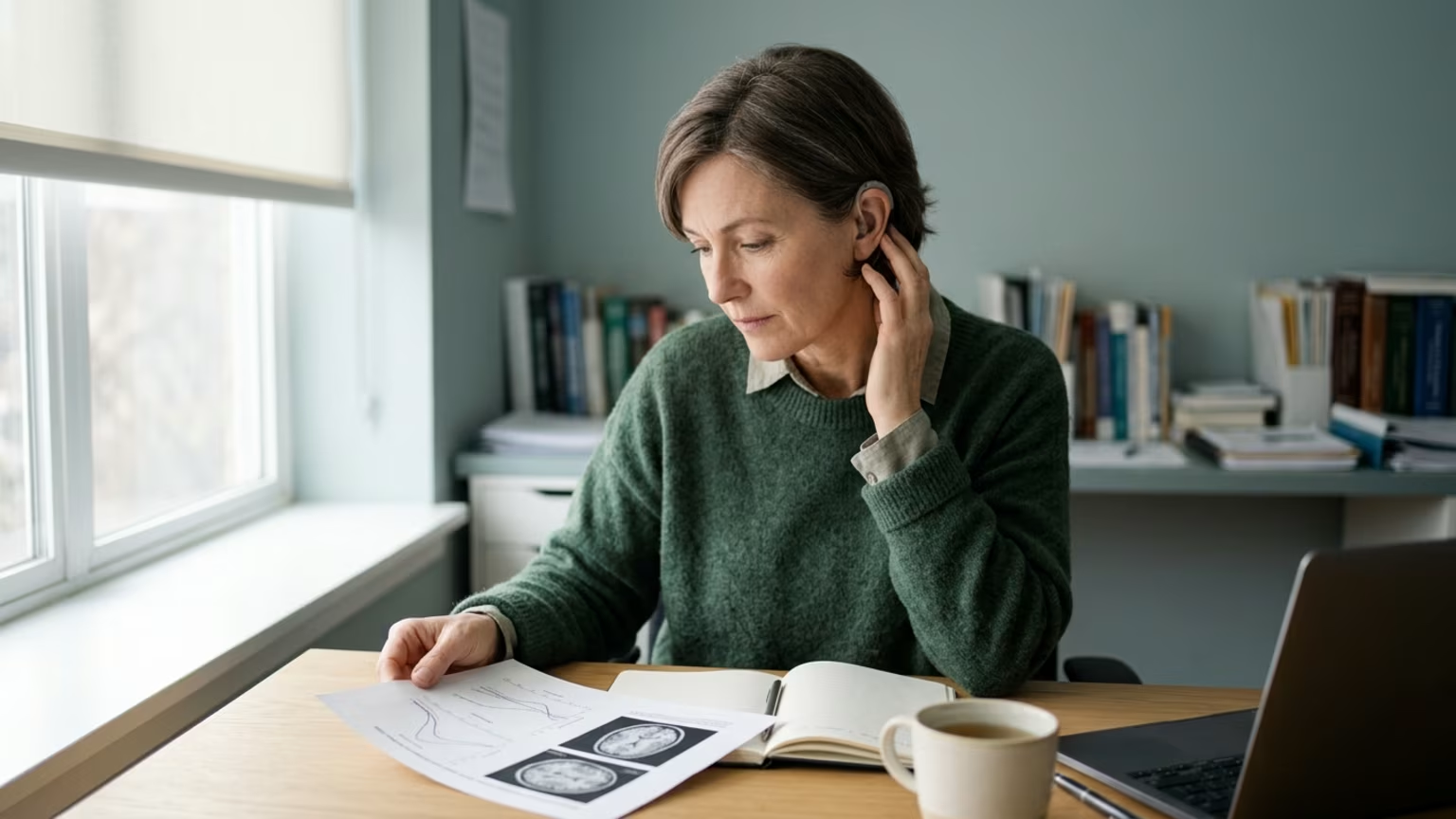
A 2026 secondary analysis of the ACHIEVE trial found that comprehensive hearing intervention may slow the rise of a blood biomarker linked to neuroinflammation.

A 2026 study links physical fitness to healthier brain structure in adults over 60, supporting long-term brain maintenance rather than immediate memory benefits.

Recent Merkin Prize coverage highlights Michael Merzenich's neuroplasticity research and examines new clinical data from BrainHQ cognitive training trials.
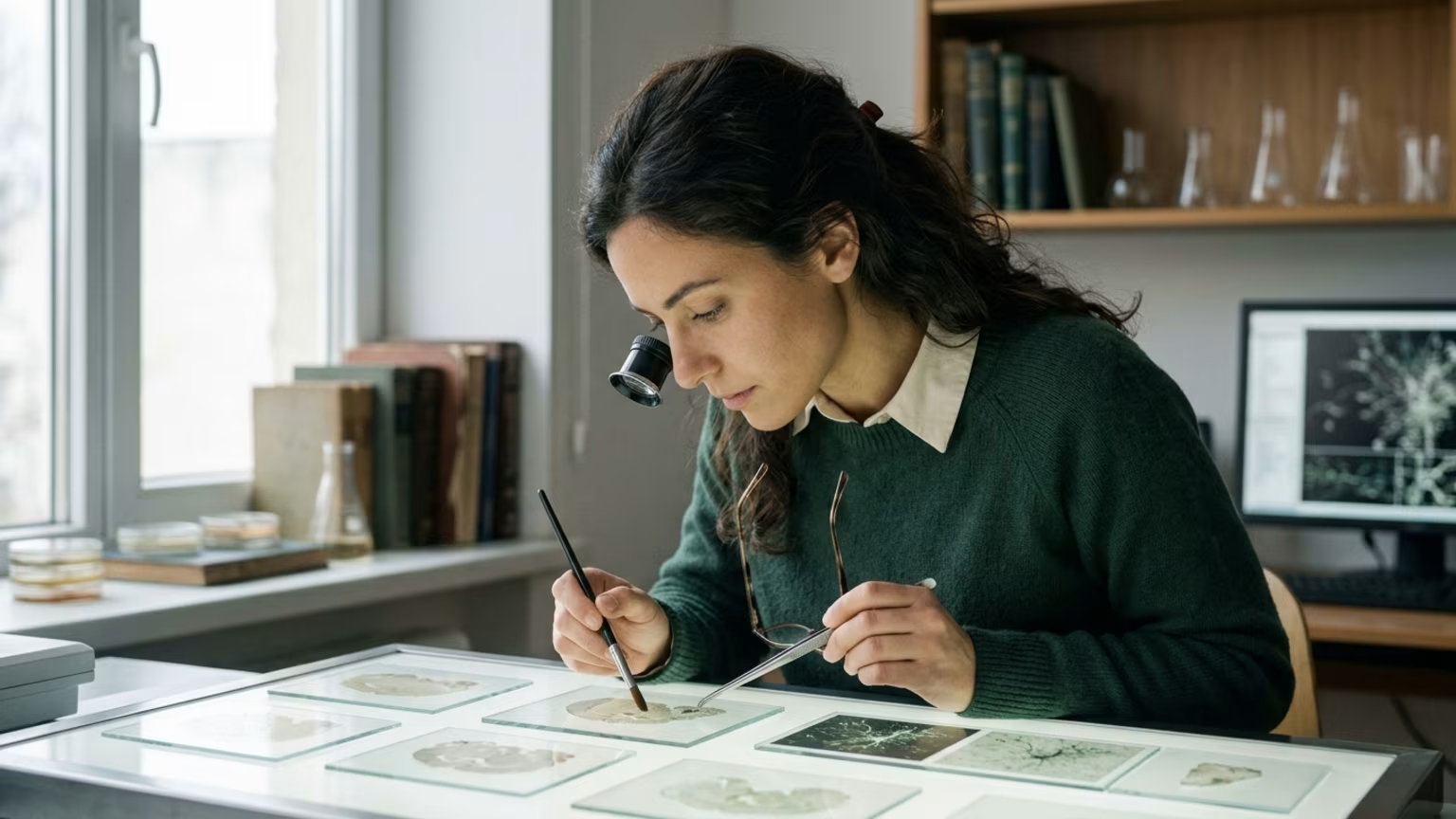
A Nature Aging study by the Salk Institute maps thousands of overlooked microproteins in the human brain. Learn what these findings mean for cognitive health.
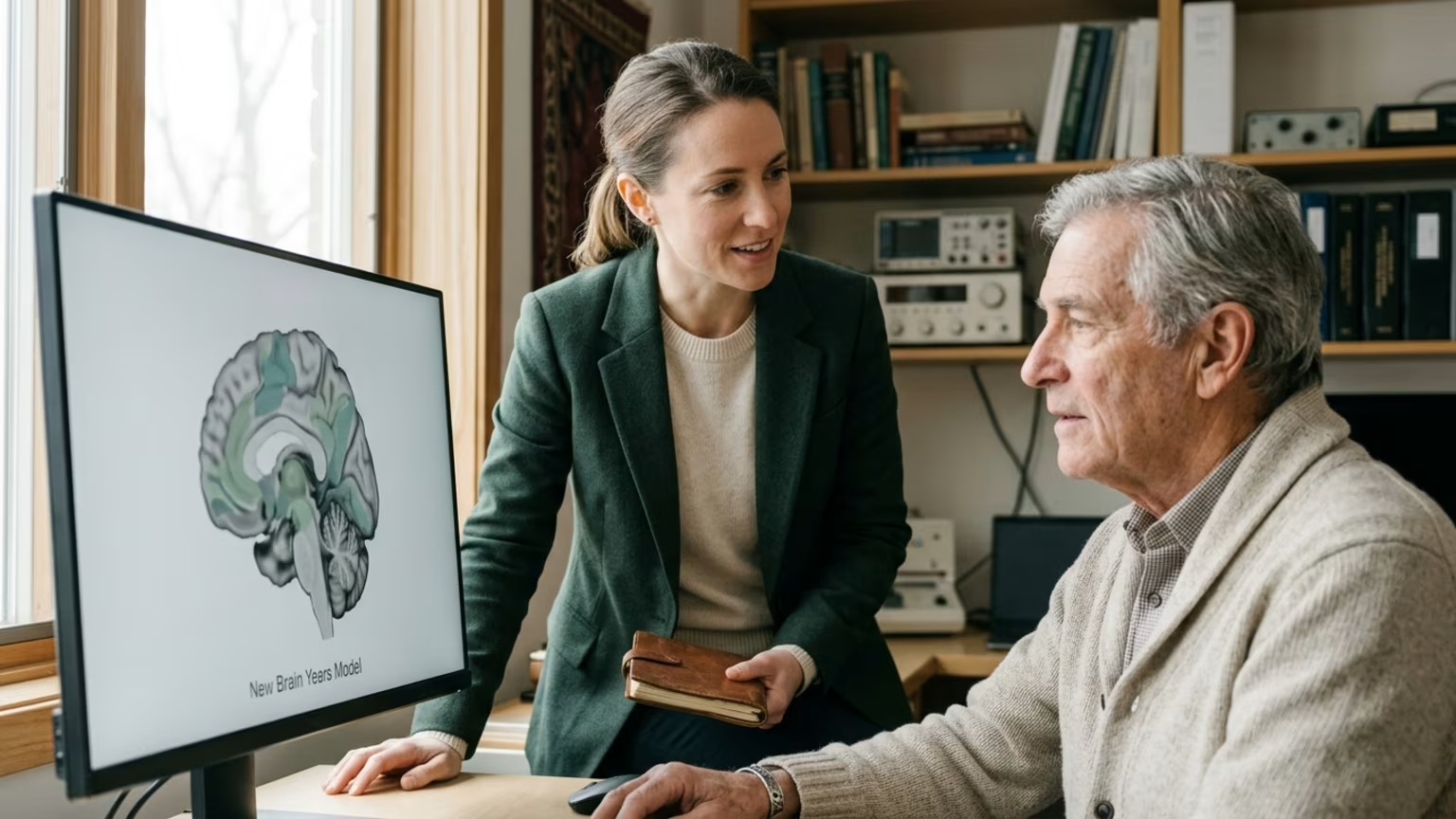
Read how the Brain Years model measures functional brain aging. Learn why researchers caution against using preliminary biomarker scores as clinical advice.

An objective look at how resistance training influences aging brains. We evaluate short-term BDNF research, hippocampal volume preservation, and physical mobility.
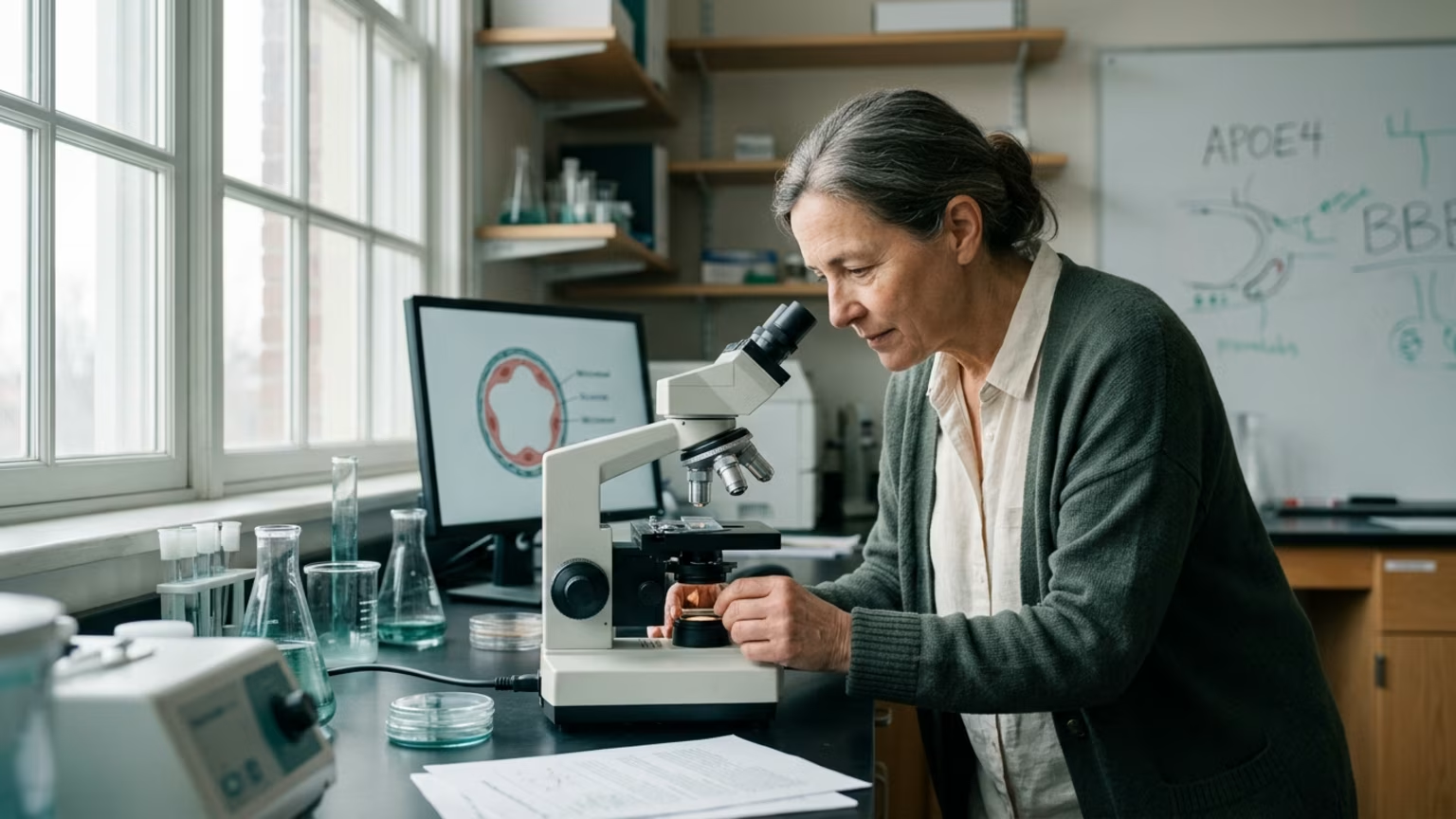
A new Nature Aging study links the APOE4 gene to blood-brain barrier dysfunction via fibronectin. Learn why managing vascular health protects cognitive aging.
Emerging natural-experiment data from Wales, Australia, and Ontario suggests an association between shingles vaccination and lower dementia incidence.
UConn Health recently launched a multi-site clinical trial to test whether ketone esters can improve a composite physical and cognitive score in older adults.
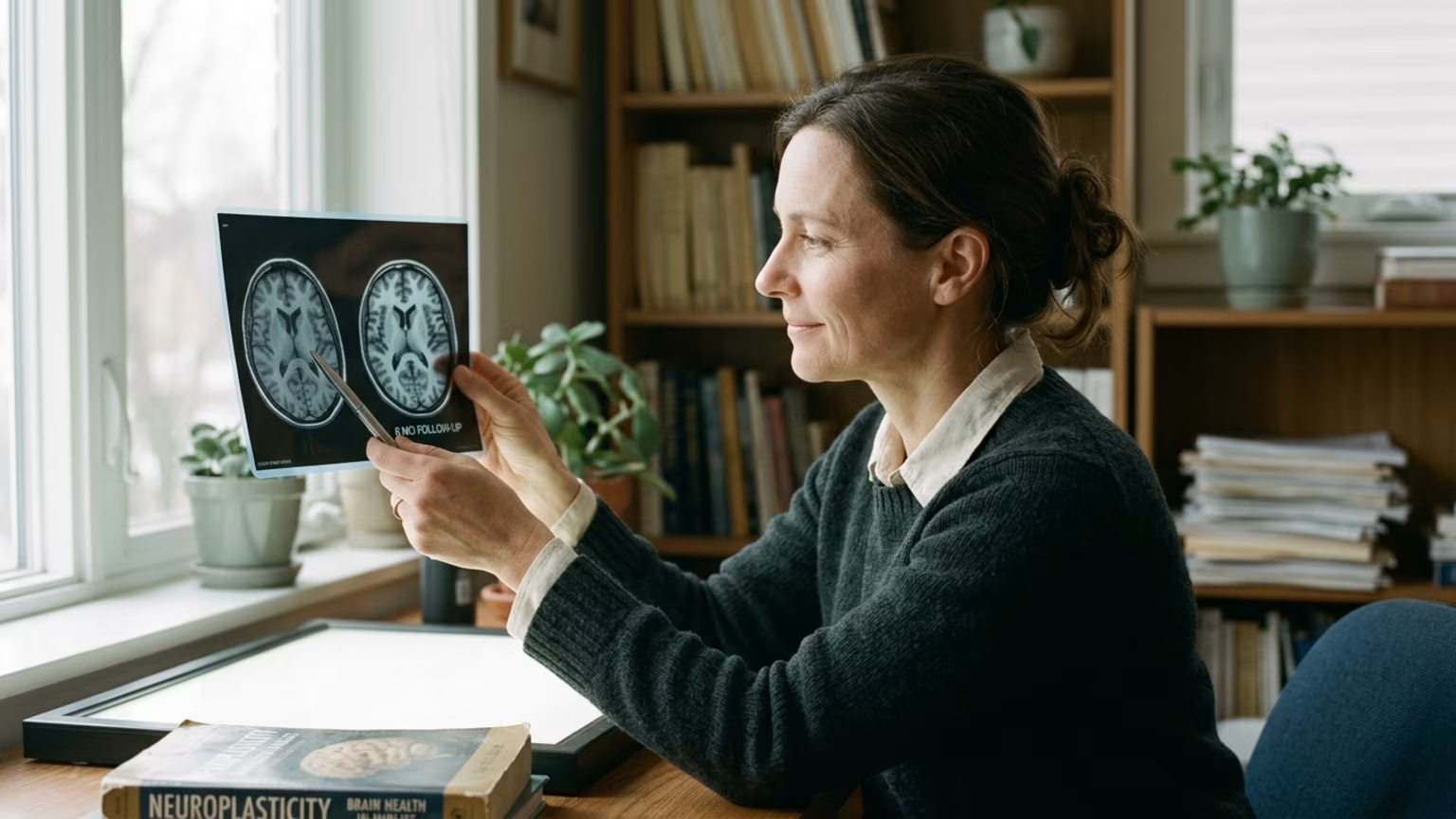
Research shows neuroplasticity allows the aging brain to partly reverse damage from inactivity and smoking through exercise, learning and diet changes.

Understand what neuroplasticity realistically supports after 60. Read how the aging brain adapts through demanding learning and targeted practical habits.
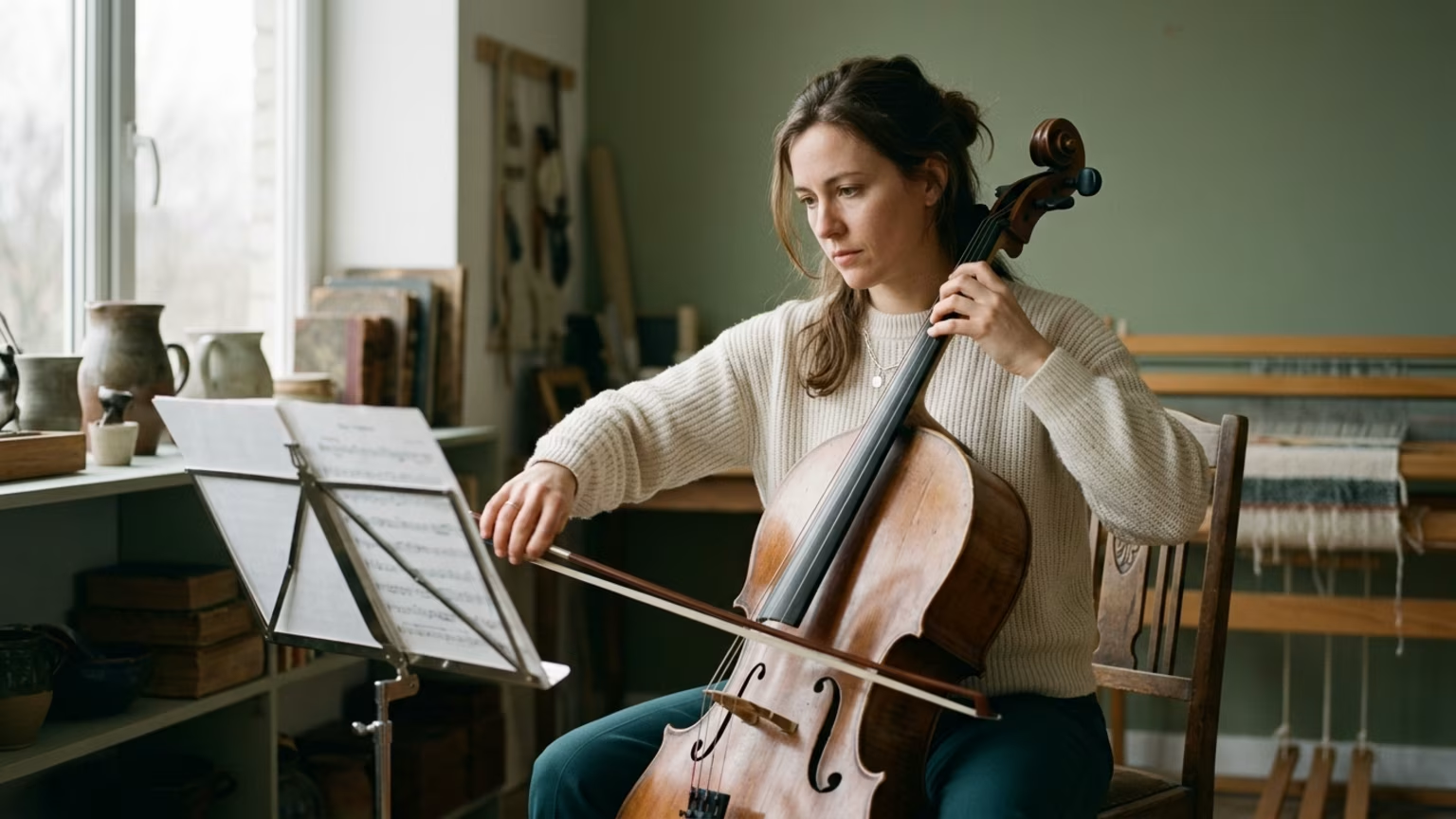
A comparison of targeted brain puzzles and complex skill learning for older adults. Learn why unfamiliar hobbies provide different mental stimulation than apps.
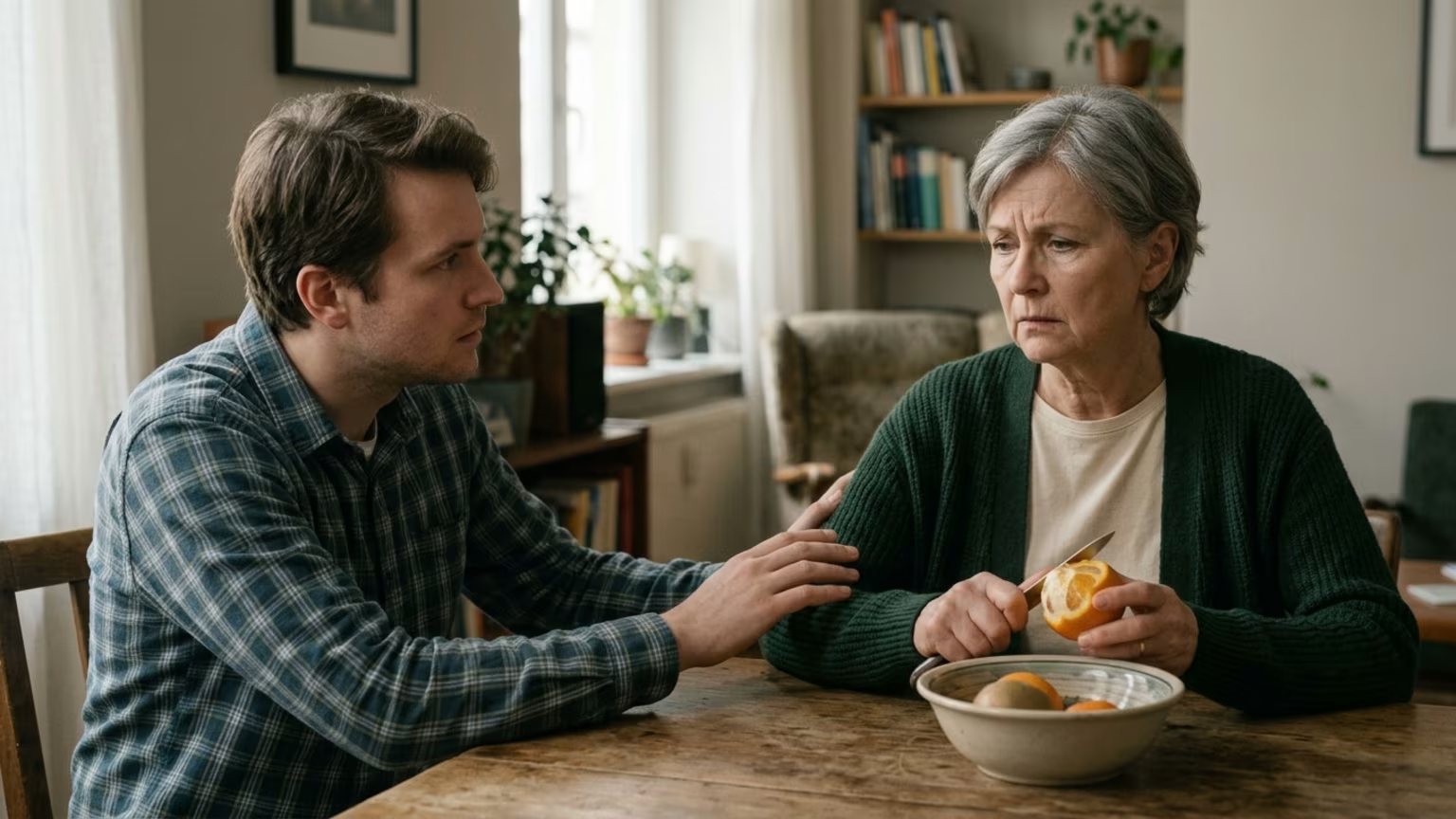
Understand how to distinguish typical age-related memory changes from mild cognitive impairment, and find out which symptoms require medical evaluation.
Build habits that support memory, focus and a curious, connected life.
Read the Blog




