

Active Brains tested online cognitive exercises with lifestyle guidance. See the 12-month results and why they do not prove puzzles prevent dementia.





On September 28, 2026, the University of Southampton reported findings from the Active Brains trial of an online programme combining cognitive exercises with physical-activity and diet guidance.
According to Yahoo Health’s account, the Active Brains trial included 11,563 adults aged 60 to 85 recruited through GP practices in England, Scotland and Wales. Participants entered the study with low cognitive-test scores indicating possible cognitive impairment.
Medical Xpress reports that the study was published in The Lancet Primary Care in 2026. It was a three-arm, open-label, randomised controlled trial that compared different levels of advice and access to an online resource.
Participants were assigned to one of three approaches:
The website brought several elements together. Cognitive exercises sat alongside guidance on physical activity and a healthy Mediterranean-style diet. This made Active Brains a combined brain-health programme rather than simply a collection of online puzzles.
Medical Xpress reports that the trial assessed cognition using the Baddeley verbal-reasoning test. This is a brief computerised measure of verbal reasoning and reading comprehension. Understanding that measure helps put the reported results in context: the researchers were tracking performance against a defined cognitive-test standard.
Yahoo Health reported the following proportions of participants who no longer met the study’s criteria for cognitive impairment after 12 months:
The University of Southampton presented another comparison from the findings. It reported an 8% reduction in the number of participants with mild cognitive impairment in the website group compared with the advice group.
The university also reported an 18% reduction in severe cognitive impairment among participants receiving additional support compared with the advice group. These reported reductions refer to different outcomes and intervention groups. They should be read with those labels attached rather than treated as interchangeable measures of success.
The findings therefore contain more information than a single headline percentage conveys. They describe changes in test-based classifications across several approaches to support. Keeping the group results beside the university’s reported comparisons gives a clearer account of what the trial found.
For readers, the practical value lies in the programme’s breadth. It places mental activity beside movement and food choices rather than presenting a puzzle as the centre of cognitive health. That is a useful way to frame a brain-health routine without turning every pastime into a test of future memory.
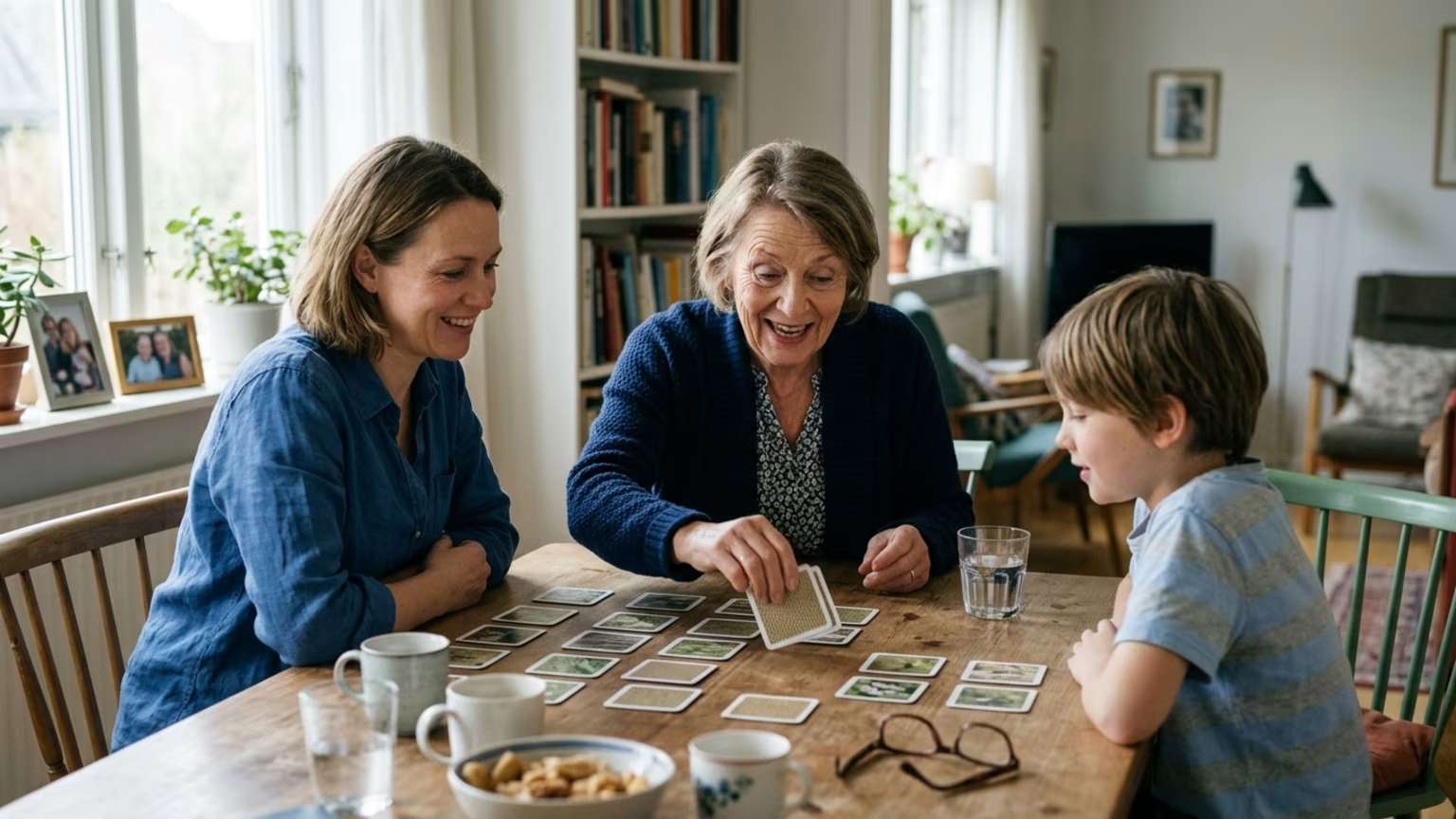
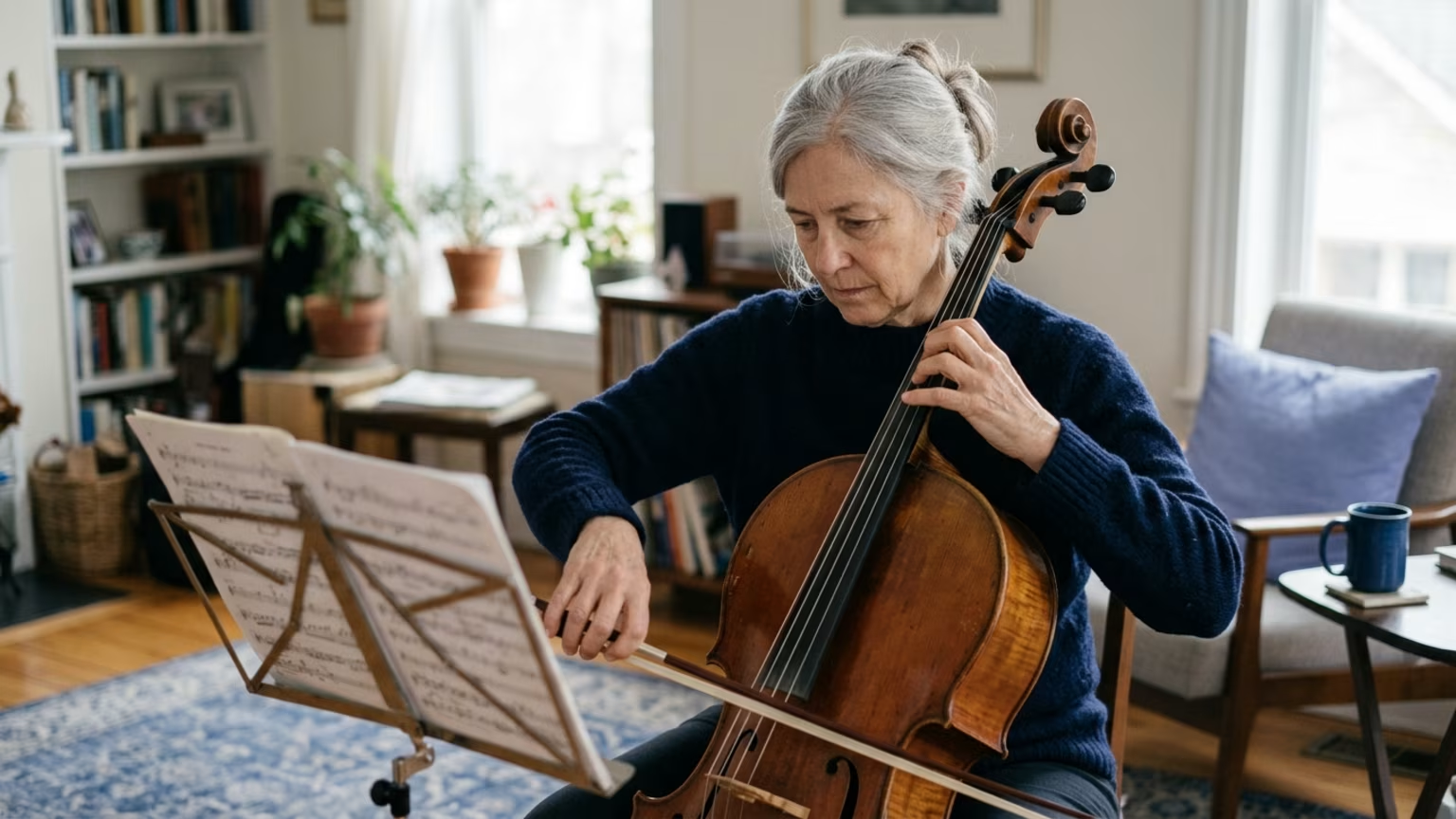
The researchers’ account describes brain-stimulating activities broadly. It includes puzzles and reading, music and learning a skill, plus social activities. The relevant idea is mental engagement in several forms rather than loyalty to one type of puzzle.
A reasonable everyday interpretation is to leave room for activities that hold attention and interest while also recognising the programme’s physical-activity and dietary elements. This is an interpretation of the combined approach tested in Active Brains, not a claim that every activity produces the same result.
Readers interested in that broader perspective can find related context in FitBrainLab’s coverage of reading and social connection within cognitive-health research. The focus remains on understanding the evidence rather than ranking hobbies by a promised protective effect.
The trial also has practical relevance for primary care. Paul Little, the University of Southampton professor who co-led the study, described an approach that could involve relatively little health-service input. Participants were recruited through GP practices and directed toward a resource they could use online.
For doctors and researchers, that delivery model deserves attention alongside the cognitive results. It raises a useful service question: how can meaningful support reach people without depending entirely on intensive specialist-led programmes? Active Brains provides evidence about one approach to that question.
Its combination of brief advice and online access also gives readers a useful lens for assessing other reports about digital exercises paired with lifestyle guidance. The practical question is what the whole programme offered and how it was compared with other support.
The findings are encouraging, but several distinctions determine how far they can be taken.
Active Brains combined cognitive exercises with physical-activity and diet guidance. The trial therefore does not establish that puzzles alone caused the observed changes or identify which part of the programme mattered most.
Writing in The Conversation, Little said a formal process analysis had not yet been completed to identify what predicted the changes. That leaves the contribution of individual activities unresolved. Choosing a particular puzzle on the strength of this trial would go beyond the evidence.
Every group improved. The advice group’s result matters because the trial was not a comparison between the website and an untreated group.
In The Conversation, Little explained that comparison participants received cognitive testing and advice. They were also asked about their brain-stimulating activities. The authors suggested that these elements could themselves have prompted changes in behaviour.
Testing, advice or changes over time may therefore have contributed to improvement. The useful comparison is the additional difference associated with access to the programme, not the assumption that all improvement came from the website.
Low screening scores are not the same as a confirmed diagnosis of mild cognitive impairment or dementia. Yahoo Health’s report cautioned that it remains unclear whether the findings apply to people with those diagnoses or whether the changes persist over time.
The outcome was a cognitive-test classification. It was not proof of dementia prevention or reversal of a clinical diagnosis. The reported results should not be expanded into claims about restored independence or everyday memory that the available evidence does not establish.
People concerned about changes in memory or thinking should bring those concerns to a qualified clinician. A puzzle programme is not a substitute for clinical assessment.
The university’s reported reduction in mild cognitive impairment was relative to the advice group. It does not mean that an individual’s chance of developing dementia falls by eight percentage points.
The clearest reading keeps the outcome and comparison together: a reported difference in cognitive impairment between study groups. Translating that into a personal dementia-risk estimate would change both the measure and the meaning.
Active Brains matters because it tested a practical way of bringing mental engagement and lifestyle guidance together through primary care and an online resource. Its contribution is not a winning puzzle formula. It is evidence that a relatively brief, combined approach deserves further attention in cognitive-health research.
For adults over 60, the useful perspective is broader than a score or a favourite game. Reading and learning can sit beside social engagement, movement and attention to diet within an engaged life. The study gives researchers a concrete programme to examine while leaving everyday activities valuable for reasons beyond a promised medical outcome.
The long-term direction worth watching is how accessible support can help people stay engaged with cognitive health. Clear reporting will matter along that path: keeping the measured findings visible while allowing worthwhile activities to remain more than a prevention task.
Puzzle headlines can make a combined programme sound like a single-activity solution, so FitBrainLab keeps the underlying evidence in view. Its research-led articles help adults 60+ distinguish early findings from established knowledge about memory and brain aging, making cognitive-health news easier to assess without inflated promises.

Follow FitBrainLab for research-led insights on memory, focus, brain aging, nutrition and mental fitness after 60. Stay connected for new articles, practical guidance and ideas for a sharper, more engaged life.




Build habits that support memory, focus and a curious, connected life.
Read the Blog
