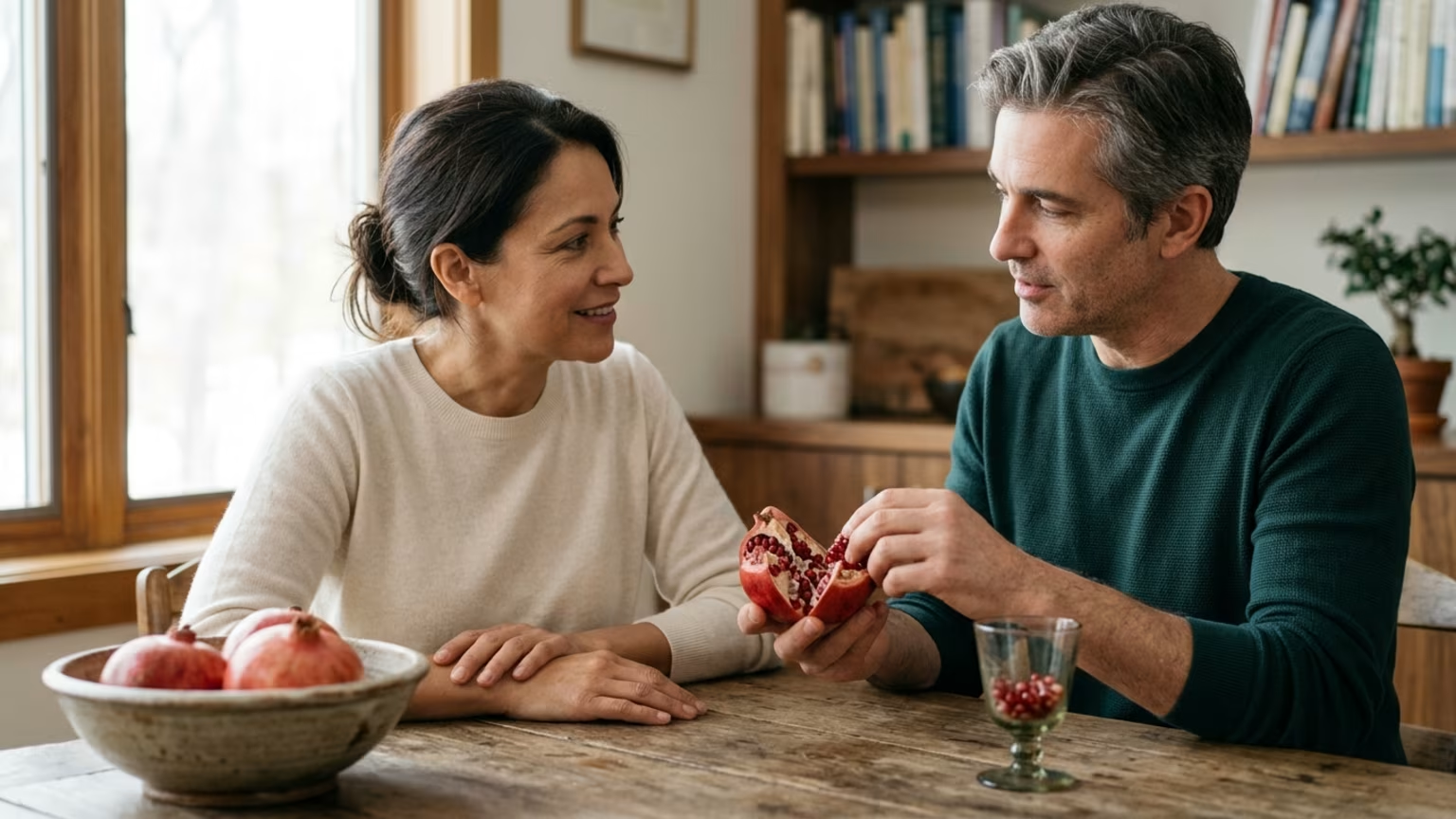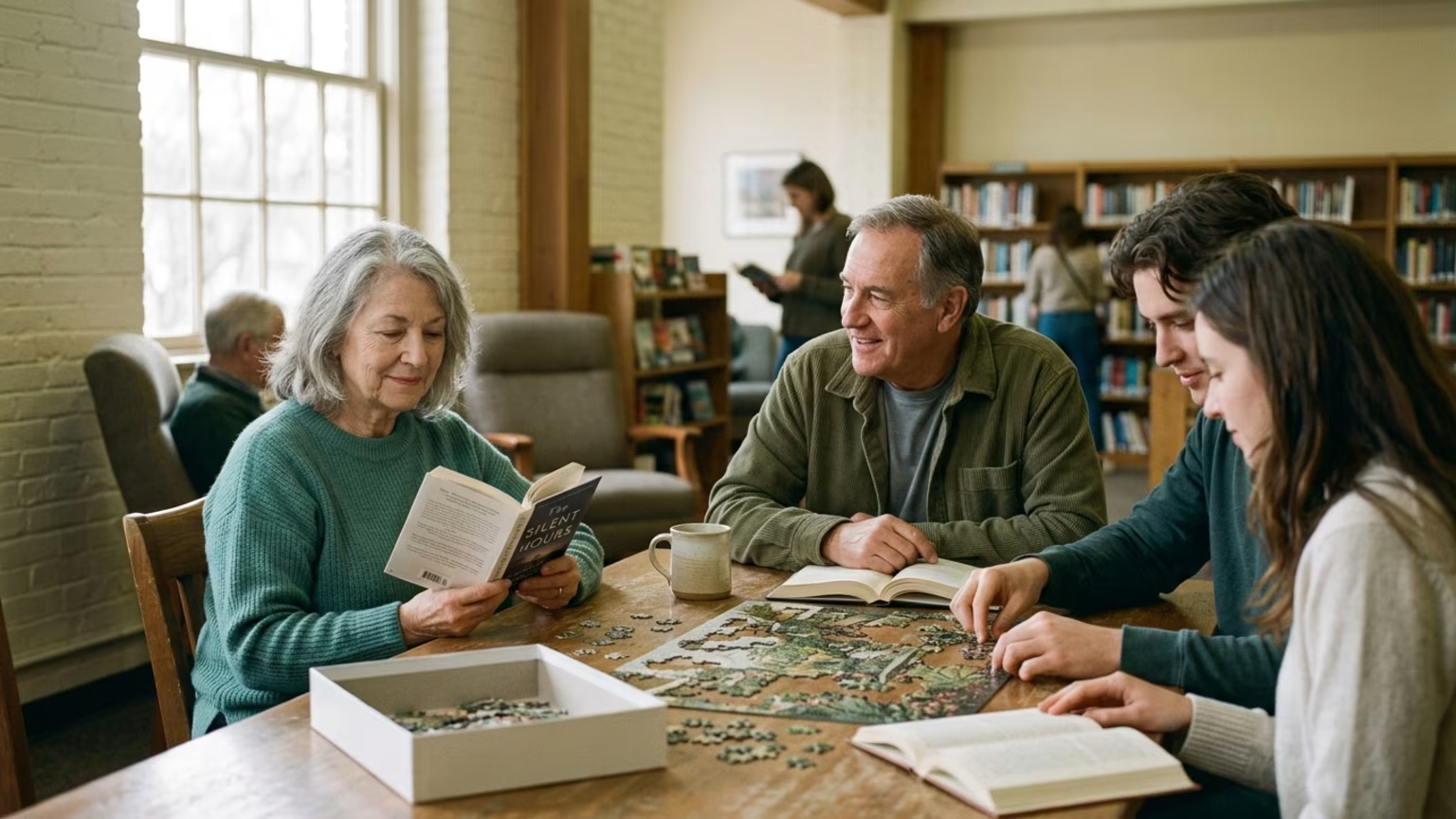

The 2026 Active Brains trial shows how combining reading, puzzles, and social activities with lifestyle advice may support cognitive health in older adults.





In October 2026, researchers published the results of the Active Brains trial in The Lancet Primary Care. The report details how older adults who received lifestyle advice and digital support for brain-stimulating activities showed improvements on short cognitive assessments.
The study at the center of this medical news is the Active Brains trial, which involved 11,500 adults between the ages of 60 and 85. The participants had varying levels of cognitive impairment ranging from mild to severe. Researchers identified this impairment using a short computerized Baddeley verbal reasoning test. The trial was organized as a three-arm, open-label, randomized controlled trial to observe changes over 12 months.
Participants were divided into three separate groups. The first group received baseline cognitive testing and brief advice about physical activity, healthy eating, and brain-stimulating activities. The second group received that same advice plus access to a website offering brain exercises and healthy lifestyle guidance. The third group received all those measures plus two brief contacts with a facilitator, which was typically a nurse.
The activities discussed and encouraged during the trial included reading, completing puzzles, doing crosswords, and playing music. Participants were also presented with options like brain-training games, learning a new language, or engaging in social activities such as seeing friends and singing in a choir. The researchers sought to understand how these activities, combined with general health advice, might alter cognitive test scores.
After 12 months, the study reported measurable changes across all three participant groups. According to the data, 28 percent of the advice-only group no longer showed signs of cognitive impairment on the assessment. In comparison, just under 33 percent of the website group and around 32 percent of the website-plus-support group no longer met the impairment criteria. The report described small additional improvements in the Baddeley scores for the two website groups relative to the advice-only group.
When looking closer at the intervention groups, the website-plus-support group experienced specific reported reductions compared with the advice-only group. The news coverage reported an 8 percent reduction in the number of participants with mild cognitive impairment. Among those who were severely impaired at the start, the website-plus-support group had an 18 percent reduction in severe cognitive impairment. The published article did not specify whether these reductions were absolute or relative, and it did not provide the underlying participant counts.
These findings offer an encouraging perspective on how bundles of support might help older adults maintain mental clarity. The trial suggests that combining structured guidance with accessible digital resources can be a practical approach to brain health. Older adults do not necessarily need highly specialized medical facilities to access these potential benefits. A combination of healthy eating, physical activity, and engaging hobbies like reading or puzzles can form a reasonable daily routine.
For doctors and patients, the trial provides a structured framework for discussing cognitive health outside of strict clinical settings. Medical professionals can point to the Active Brains trial when suggesting multifaceted lifestyle adjustments. The results support the idea that social activities and mental challenges are worthwhile additions to a daily schedule. This concept aligns closely with broader research into lifestyle and brain resilience for adults over 60.
Another significant implication is the value of highly accessible interventions for large community populations. The trial tested practical tools like a supportive website and brief nurse consultations, rather than intensive medical treatments. This approach could make it easier for independent adults to find manageable ways to support their memory and cognitive performance at home. The findings suggest that giving older adults structured, clear advice empowers them to take proactive daily action.
While the percentage reductions sound promising, readers must interpret these reversal figures carefully. The reported improvements refer strictly to participants who no longer met the impairment classification on a short verbal-reasoning test. This specific test is not a comprehensive measure of every cognitive ability, nor is it a clinical diagnosis of dementia. The news article does not provide the detailed score changes or classification thresholds needed to judge the exact size of the effects independently.
The comparison used in the trial does not isolate any single activity like doing puzzles, reading, or socializing. The advice-only group received cognitive testing, and participants were asked directly about their brain-stimulating activities during the study. Because the other groups received bundles of support including a website and general lifestyle advice, the results cannot establish that any specific hobby independently caused the changes. Evaluating the specific impact of reading or music alone remains difficult.
Furthermore, the advice-only group was not a classical untreated control group. All participants received some form of intervention and testing, which means the study cannot compare the active groups to adults doing nothing at all. The researchers noted that participants were already described as having fairly healthy diets and being physically active during the study. Presenting this trial as proof that cognitive activities work in total isolation would be a misinterpretation of the research.
The Active Brains trial currently provides outcomes at the 12-month mark, leaving questions about long-term application open. The study report clearly states that longer follow-up is needed to understand whether these effects last or affect actual dementia development. A formal analysis of which specific variables predicted the cognitive changes had not yet been completed at the time of publication.
To put this timeline and the need for longer studies into context, a separate 2026 study known as LatAm-FINGERS tested a structured lifestyle program over two full years. That separate trial involved 1,065 adults aged 60 to 77 across 11 Latin American countries. The program incorporated exercise, nutrition counseling, computerized cognitive training, and cardiovascular risk management. The LatAm-FINGERS program favored the structured intervention on global cognitive function compared with a flexible education group.
Because these trials have entirely different populations, follow-up periods, and interventions, the LatAm-FINGERS findings do not directly confirm the Active Brains results. The medical community will likely require multiple years of extended follow-up data before standardizing these specific digital interventions into regular medical practice. Until longer-term data clarifies the trajectory, these bundled lifestyle programs remain promising preliminary tools rather than guaranteed preventive measures for cognitive longevity.
The Active Brains trial serves as encouraging evidence about a package of accessible brain-health supports. It shows that providing older adults with clear guidance, digital tools, and occasional facilitator contact can yield positive outcomes on short cognitive assessments. The findings validate the effort of staying mentally and physically active, offering a practical path forward for those concerned about age-related changes.
At the same time, readers should maintain realistic expectations about what this specific trial establishes. It is not a guarantee that a particular hobby will prevent dementia or completely reverse a diagnosed condition. Choosing enjoyable activities that involve learning, reading, music, or social connection is consistent with the trial, provided they are part of a broader healthy lifestyle. You can find more updates on this evolving research on our brain health blog as new studies emerge.
Integrating reading, puzzles, and social connection into a structured routine offers a practical way to approach brain resilience. Uncertainty about which everyday habits may support cognitive health can make daily planning stressful, but FitBrainLab translates complex research into the clear guidance needed to maintain memory and focus.

Follow FitBrainLab for research-led insights on memory, focus, brain aging, nutrition and mental fitness after 60. Stay connected for new articles, practical guidance and ideas for a sharper, more engaged life.




Build habits that support memory, focus and a curious, connected life.
Read the Blog