lifelong curiosity
Your sharpest years can still be ahead
Build habits that support memory, focus and a curious, connected life.
Read the Blog

A 26-year observational analysis links midlife blood pressure, blood sugar, and smoking habits to the number of dementia-free years experienced later in life.


The international TEIDe project is analyzing massive datasets and clinical trials to advance personalized exercise research for dementia prevention.

A recent pilot study found that low-dose rapamycin increased brain blood flow in middle-aged APOE4 carriers, but it does not prove cognitive protection.

An observational analysis of Framingham adults links the MIND diet to slower gray-matter loss over 12 years, adding context to cognitive aging research.

A recent observational study of 3,873 adults shows how reported chronic stress and social support correlate with attention and memory changes in older age.

A 2026 study suggests standard cognitive tests may miss modifiable health risks like poor sleep and inactivity, supporting comprehensive risk assessments.

The 2026 Active Brains trial shows how combining reading, puzzles, and social activities with lifestyle advice may support cognitive health in older adults.

An analysis of ASPREE trial data links low-dose aspirin to lower dementia incidence in a specific genetic subgroup, though major bleeding risks remain high.

Recent reports link daily step counts of 3,800 to 9,800 steps with lower dementia risk. Read the observational findings and practical takeaways.

Recent clinical trials highlight tau as a new target for Alzheimer’s drugs. Learn what investigational treatments like diranersen mean for cognitive health.

The CHOICE trial showed hearing aids didn't significantly reduce dementia conversion for older adults with MCI, despite a secondary signal of cognitive gain.

A 2026 narrative review examined the gut microbiome's role in the Mediterranean diet's cognitive benefits, finding that direct human evidence remains limited.

Recent research maps cellular brain changes, identifying a molecular shift driven by glial cells around age 60. Learn what this means for cognitive health.

A recent review examines how optimism, physical activity and social connection shape brain aging. Learn how these connected habits support cognitive health.

A 2026 review explores the association between ultraprocessed foods and cognitive health, emphasizing overall dietary patterns rather than strict food bans.

Cleveland Clinic is studying how blood-based biomarkers like pTau-217 perform in primary care workflows to help doctors assess cognitive impairment.
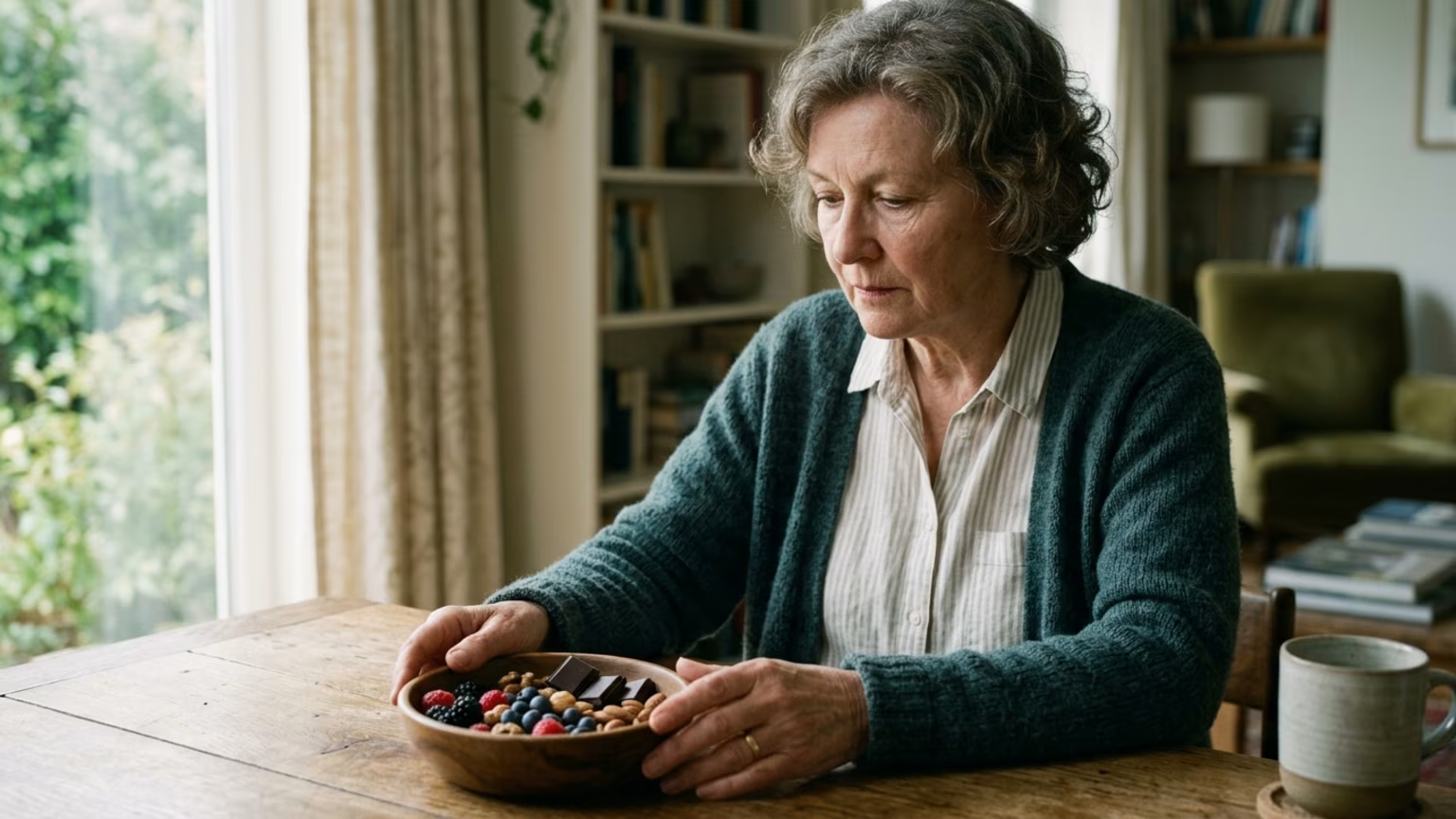
A 2026 cross-sectional study found that older adults with higher dietary polyphenol intake were less likely to have mild cognitive impairment.

Researchers found that overall speaking speed relates more closely to cognitive performance than occasional word-finding pauses. Learn what this means for aging.
Build habits that support memory, focus and a curious, connected life.
Read the Blog




