lifelong curiosity
Your sharpest years can still be ahead
Build habits that support memory, focus and a curious, connected life.
Read the Blog

A genetic study links higher BMI to vascular-related dementia. See how blood pressure fits in and why the findings are not a personal forecast.


A mouse study links exercise with TMEM9 and brain lipid-droplet breakdown. Read the findings, human biomarker results and limits for adults 60+.

ASU and Mayo Clinic will study whether retinal images add value to Alzheimer’s blood markers. The project is research, not a routine screening test.

The 45% dementia estimate is a population figure, not a personal target. Learn how to focus on manageable health priorities without blame.

NYU Langone highlights exercise, blood pressure and sleep for memory health, plus when recurring forgetfulness deserves medical attention.

ARPA-H’s $41 million investment will test early Alzheimer’s prevention candidates. Here is what the report establishes and which questions remain.

A small report described decline after COVID-19 in 14 people with dementia. Read the findings, limits and practical points for clinical follow-up.

Context for Dean Sherzai’s dementia prevention interview, including the Lancet estimate and practical questions about lifestyle and vascular health.

The ACC connects cognitive impairment and frailty with heart-care decisions. Learn what its guidance recommends and where the evidence remains limited.

UNC Health clinicians encourage assessment of memory changes. Learn how testing fits together and why early-treatment claims need context.
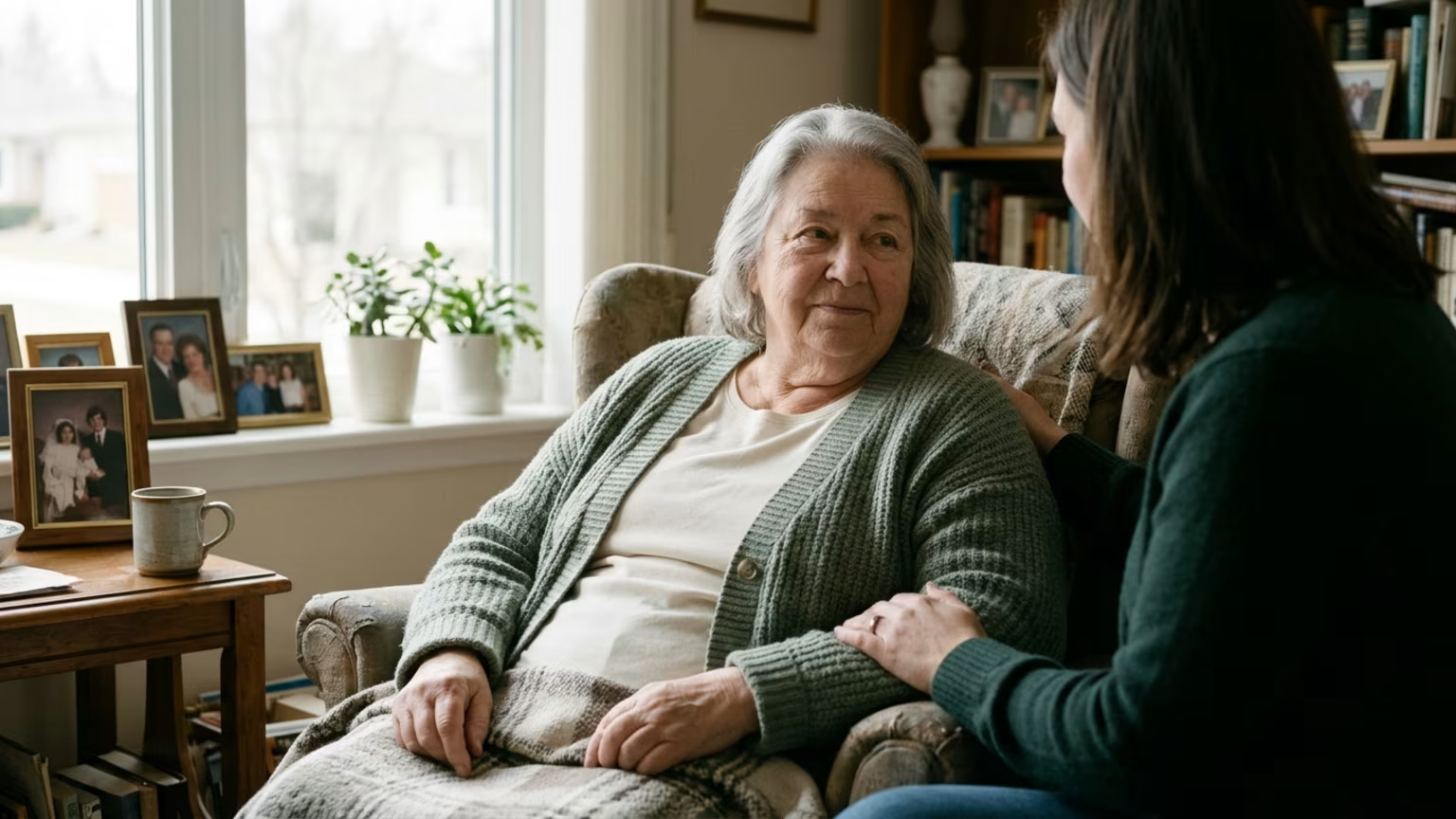
A study linked higher BMI at dementia diagnosis with lower mortality. Learn why this concerns survival, not prevention or advice to gain weight.

UMMC's MIND Center and Mayo Clinic are studying individualized dementia-risk estimates. See how the projects differ and why validation matters.

Vanderbilt plans a ketamine safety study for adults over 60 with depression and cognitive impairment. Read about its design and evidence limits.

The FDA’s Alzheimer’s Prevention Accelerator focuses on evidence for future medical products. Here is what the launch means for adults over 60.

An ACC review reports lower dementia rates with structured hypertension care. Learn the trial results, practical implications and limits.

Barcelona researchers reported memory-test gains in a small eye-tracking study. Read how risk-dependent blood results and evidence gaps limit the claims.

A large international study linked varied social participation with better cognitive scores. Here is how to read the results and their limits.

CREST-H found no added cognitive benefit from carotid procedures over medication alone. Learn how that differs from decisions about stroke prevention.
Build habits that support memory, focus and a curious, connected life.
Read the Blog




