lifelong curiosity
Your sharpest years can still be ahead
Build habits that support memory, focus and a curious, connected life.
Read the Blog

A French study links persistent loneliness with higher dementia risk. Read the findings, limits and practical reasons to seek support without alarm.


Understand the 45% dementia estimate, its population-level assumptions and how to discuss risk reduction without blame or personal guarantees.

A balanced look at hearing loss, the ACHIEVE trial and why hearing care can focus on communication without promises of dementia prevention.

Understand the 45% dementia estimate, why it applies to populations and how to approach everyday risk reduction without blame or promises.

Questions about blood pressure, cholesterol, diabetes and smoking after 60, with a clear look at the evidence linking heart and brain health.

Learn how hearing and vision difficulties relate to brain health, what the evidence shows, and which questions to bring to an assessment.

Understand the 45% dementia estimate, why risk factors overlap, and how to use population research without mistaking it for a personal forecast.

See what ACHIEVE found about hearing treatment and cognition, why dementia prevention remains unproven, and which hearing-care questions to ask.

A clear guide to blood pressure, blood sugar and cholesterol after 60, with evidence on cognition and questions for a clinician.

A JAMA analysis linked higher blood p-tau217 to later cognitive impairment. Learn what the group estimates mean and why routine screening remains limited.

Northumbria's five-factor dementia-risk score targets research in lower-income settings. Read about its evidence, intended use and limits.

A new Brain Health Viewpoint calls for specific exercise plans within broader care, while explaining why dementia prevention remains unproven.

A study linked type 2 diabetes to faster cortical thinning and processing-speed decline. Learn what the findings mean and where the evidence stops.

A study linked women’s reproductive history and hormone use with brain MRI findings, but it does not support hormone therapy for dementia prevention.
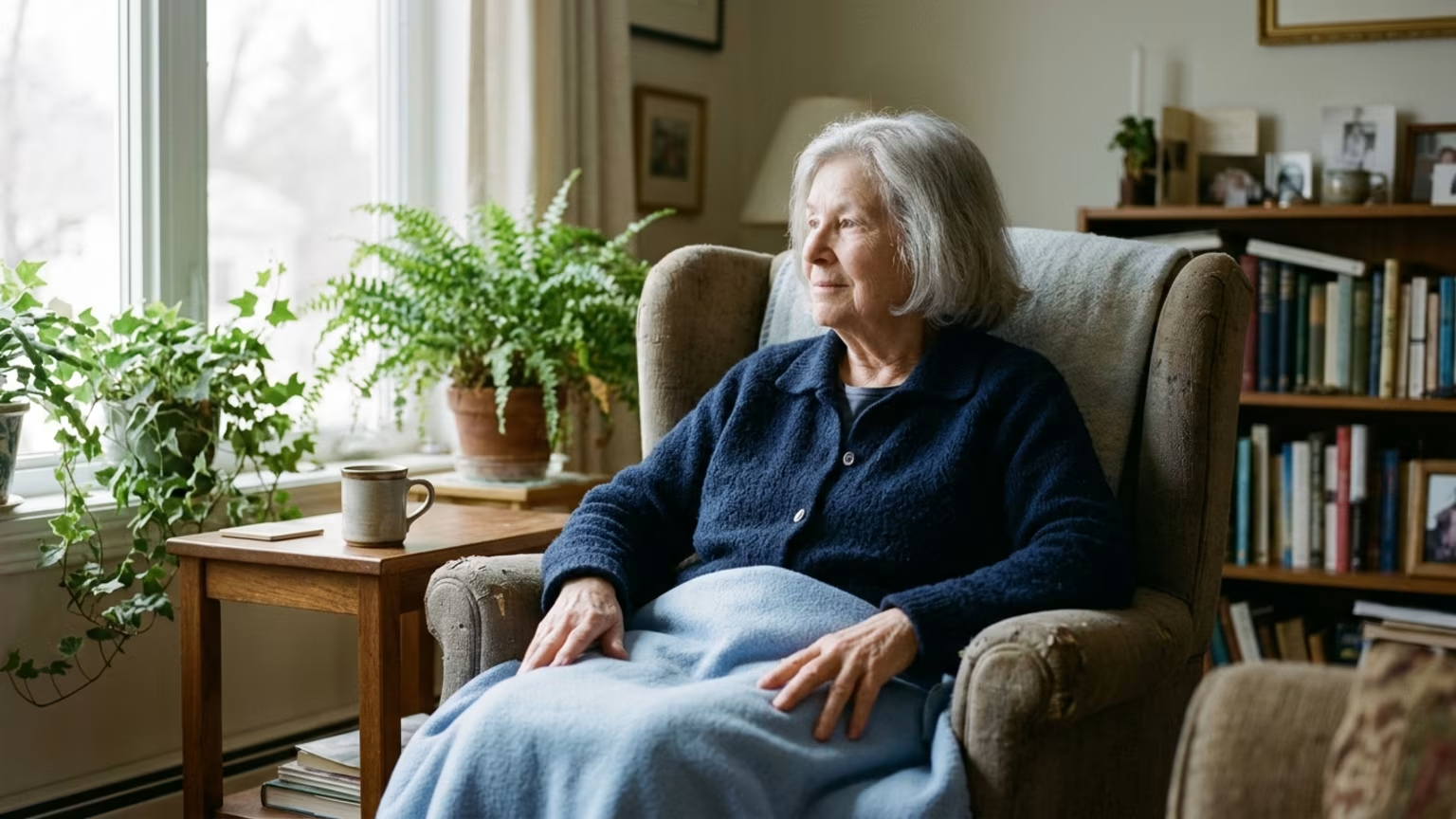
A large observational study linked daytime light with lower dementia risk. Read the findings, limitations and practical context for adults over 60.

Acumen stopped sabirnetug development after ALTITUDE-AD missed its main goal. Learn why plaque findings and clinical benefit are different results.

Understand vascular risk and brain health after 60, with clinician questions about blood pressure, cholesterol, blood sugar and individualized care.

Learn how population estimates and risk scores differ from personal forecasts, with a practical, non-blaming approach to dementia risk reduction.
Build habits that support memory, focus and a curious, connected life.
Read the Blog




