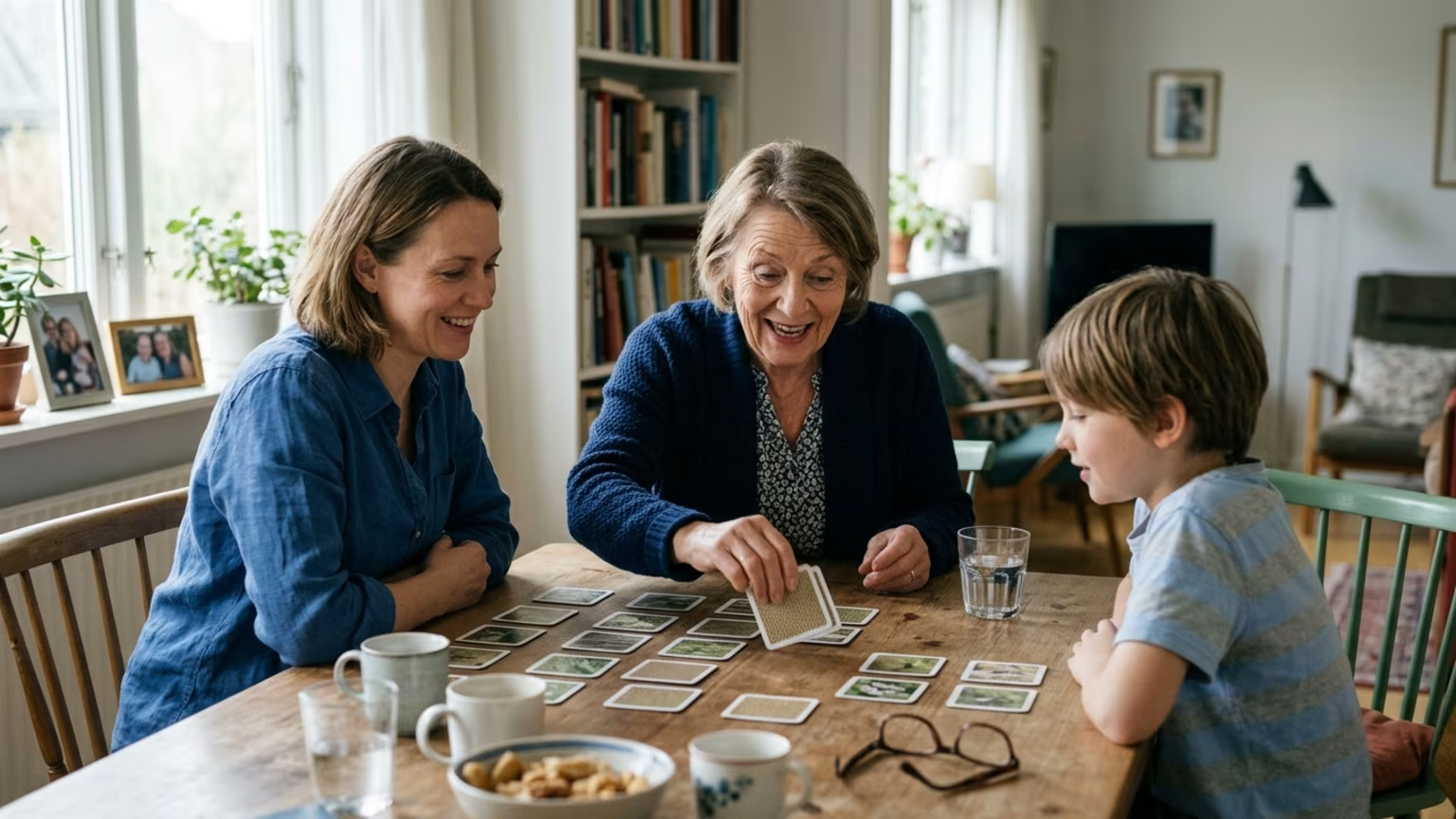
The 45% dementia estimate is a population figure, not a personal target. Learn how to focus on manageable health priorities without blame.





Dementia risk reduction should not become a test of how well you are aging. You do not have to treat every meal or missed activity as a verdict on your future. Taking care of your health can be serious without becoming a full-time prevention project.
The aim is thoughtful care, not perfect control. That is a calmer standard, but it is not a less responsible one.
An explanation of the widely cited 45% figure describes it as a population-level estimate of potential prevention or delay. It asks how much dementia might be avoided or delayed across populations if relevant risk factors were addressed. That is a hypothetical question, not a forecast for the person reading the headline.
The explanation also draws a distinction between an estimate and an observed result. The figure is not the measured result of a program that eliminated all 14 factors and then observed dementia cases fall by that amount. Estimating a potential effect is different from testing what an intervention actually achieves.
The estimate does not give your probability of developing dementia. It does not account for your full health history or circumstances. Nor does a factor's share of risk across a population tell you how much your own risk would change if you addressed it.
There is also a difference between a link and a cause. A factor associated with dementia has not necessarily caused every case linked with it. Removing that factor does not establish that a particular person will avoid dementia.
The estimate does not mean dementia is fully preventable. Nor is the remaining share a prediction of inevitable dementia. The figure does not divide people into those who can prevent the condition and those who cannot. These are limits on how the number should be used, not reasons to ignore health.
The problem with a prevention scorecard is the pressure it can create. If a population estimate becomes an individual assignment, every unfinished item may feel like evidence that you are falling behind. Yet the number provides no fair basis for that judgment.
For adults over 60, time and attention are resources too. A long list can draw effort toward completing the list rather than addressing a relevant health need. Spending more time worrying about every possible influence is not the same as making a useful health decision.
A checklist also says little about the effort behind a change. A reader may already be dealing with a health concern or weighing several priorities. Treating every factor as equally urgent can distract from a focused conversation about what matters now.
The framing can also invite blame. A diagnosis should not become a judgment about whether someone tried hard enough or lived correctly. Turning a statistical estimate into a moral test adds a burden that the evidence does not justify.
Risk reduction is best treated as an opportunity for support, not a requirement to prove personal discipline. A helpful plan should leave room for ordinary life. If it creates only vigilance and self-criticism, the standard needs to change.
A better goal is a workable pattern of care and engagement. Instead of asking whether you have done everything, ask whether your priorities match a real need and fit your life. That shifts attention from an abstract percentage to decisions you can actually make.
A guide to risk-reduction questions for a clinician identifies practical areas for discussion. These include physical activity and a healthy balanced diet. It also covers not smoking, avoiding harmful alcohol use and staying socially and cognitively active. Managing relevant health conditions is another part of that approach.
Blood pressure, blood sugar and cholesterol are among the topics identified in the guide. Hearing and vision needs can also be part of a review with a qualified healthcare professional. The guide includes hearing aids when needed among its risk-reduction actions.
A useful starting question is: “Which existing health need deserves attention?” That keeps the conversation tied to your situation rather than a population statistic. Decisions about treatment belong with qualified care, not with a headline.
For related context, FitBrainLab looks at why hearing assessment belongs in later-life health discussions. The point is to bring a relevant concern into view, not to create another score to monitor.
The activity and diet areas described in the guide are options to work with, not a demand for an all-or-nothing overhaul. Relevance matters before ambition. A change that fits your life is a more sensible starting point than a plan built around doing everything.
Questions about feasibility are practical questions. What activity interests you? What fits your current circumstances? What would make a routine manageable rather than burdensome?
Personal health needs may affect the choices available, so discuss those questions with a qualified healthcare professional. There is no need to make ambition itself the measure of success. A plan can be modest and still reflect careful thought.
It is reasonable to tell a healthcare professional which parts of a plan feel difficult to fit into daily life. That information belongs in a discussion about priorities. The goal is a useful decision, not a display of commitment.
Social and cognitive activity are part of the guide's risk-reduction areas. Those words need not turn your interests into performance tests. Connection and participation are also worthwhile parts of daily life.
Ask whether an activity gives you contact with others or something you find engaging. The answer can matter without being translated into a risk percentage. Enjoyment does not need to become a claim about medical prevention to have value.
An activity can matter because it is interesting or brings you into contact with people you value. You are allowed to have interests that are simply interests. Not every part of life needs a health justification.
A broader look at the factors linked with dementia can provide context for these choices. It should not turn every interest into another item that has to earn its place.
A sustainable yardstick is whether your plan supports relevant care and leaves room for an engaged life. Does it help you raise a health concern with the right professional? Does it make space for activity or social contact that matters to you? These are grounded questions about how you live.
The answer need not be the same for every person. Your health and circumstances shape what is feasible. A list of risk factors is a starting point for discussion, not a universal order of tasks.
Progress can mean a clearer priority rather than a longer checklist. A useful plan deserves attention because it serves your life, not because it promises control over every possible outcome.
You can choose thoughtful care and a meaningful life without treating your future as a test you must pass.
Putting a health concern ahead of a prevention scorecard calls for context; FitBrainLab contributes research-led explanations of brain aging and dementia risk. For adults 60+ sorting established evidence from inflated claims, that editorial guidance supports an informed view of memory and cognitive health without fear-based messaging.

Follow FitBrainLab for research-led insights on memory, focus, brain aging, nutrition and mental fitness after 60. Stay connected for new articles, practical guidance and ideas for a sharper, more engaged life.






Build habits that support memory, focus and a curious, connected life.
Read the Blog