Stony Brook's symposium treated daily habits as connected. See how its message fits NIH guidance without promising memory protection.





Stony Brook University's Food as Medicine Symposium took place on September 25, 2026, at Chancellors Hall in Stony Brook Southampton. The FoodLab at Stony Brook Southampton hosted the morning event, according to the university's report.
The program addressed nutrition and movement alongside sleep and stress. It also brought culture and social connection into the discussion of long-term health. Presentations led into a culinary demonstration and lunch, giving the event both an educational focus and a shared-meal setting.
Raja Jaber, MD, of Stony Brook Medicine discussed lifestyle medicine. Her presentation covered food and movement alongside sleep and stress reduction. Mindfulness and social connection were also part of her account of how everyday behaviors interact.
Jaber said exercise can affect metabolic health and sleep. She described other connections involving sleep, stress reduction, mindfulness and social connection. Her central message was: “You see how everything is interconnected.”
That framing shifts attention from a single habit to the relationships among daily routines. In Jaber's presentation, movement was not separate from sleep or emotional well-being. The discussion invited a broader view of health rather than a search for one behavior that deserves all the attention.
Paula Montagna, director of clinical nutrition at Stony Brook Southampton Hospital, demonstrated a whole-food meal. She discussed protein and fiber along with fruits and vegetables.
The university's report described her flexible “bowl method”: begin with a base and add protein, colorful fruits and vegetables, and flavor. The approach allowed adaptation to personal preferences, culture and beliefs. Its practical appeal was flexibility rather than a demand that everyone follow the same menu.
Food also appeared in a cultural context. Sohl Lee, a Stony Brook associate professor, discussed food and memory through miyeok-guk. This Korean seaweed soup is traditionally associated with postpartum recovery. Her presentation connected food with culture and healing, adding a different perspective to the nutrition discussion.
Together, these presentations treated meals as more than a list of nutrients. The event gave space to the foods people recognize and the meanings attached to them. That is a useful editorial distinction when healthy-aging advice becomes so rigid that personal preferences disappear from view.
Krista Zvoch, StoryPoint Group's director of nutrition, spoke about food and healthy aging. Her discussion included dining for older adults and people in memory care. She used “health span” to describe the portion of life spent healthy, active and independent.
Zvoch's emphasis placed quality of life alongside longevity. That distinction matters for this audience: the goal under discussion was not simply living longer. It also included the experience of daily life and the ability to remain engaged.
According to the university's report, The FoodLab was broadening its work beyond support for local food production and farmers. Nutrition education and food-as-medicine programming were becoming part of that work.
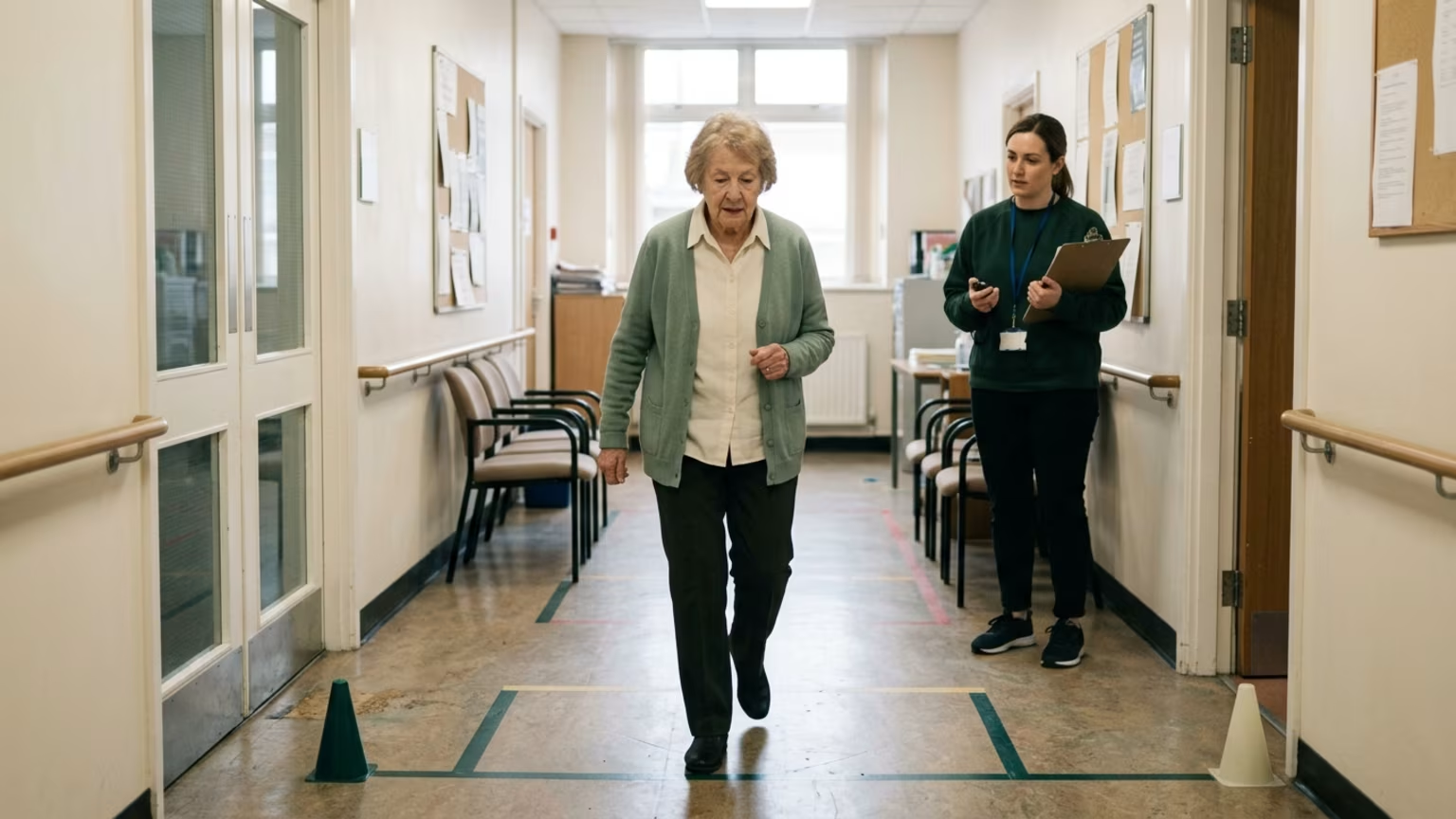
For adults over 60, the event offers a way to organize a health conversation. Instead of treating food or exercise as a separate project, the discussion can include movement and sleep alongside meals and social life. Practical guidance should then come from established recommendations and personal circumstances.
NIH's healthy-aging guidance recommends at least 150 minutes per week of moderate-intensity aerobic exercise. It also recommends muscle-strengthening activity at least two days each week. These recommendations provide a more concrete reference point than a broad instruction to “stay active.”
Personal activity decisions belong in the context of health and daily circumstances. A qualified clinician can help adapt general guidance when an individual's needs make those decisions more complex. The symposium's message is a reason to include movement in the conversation, not to turn an event recap into a personal exercise plan.
The practical question is how activity fits into an ordinary week alongside other priorities. FitBrainLab's discussion of assessing everyday habits through the evidence offers a related way to think about that broader picture.
Montagna's demonstration supplied a usable idea without naming one required diet. A meal could follow a broad structure while still reflecting familiar ingredients and cultural preferences. Readers do not need to interpret that flexibility as a demand to replace the foods that make meals meaningful.
For health professionals and community educators, this suggests a useful communication approach: explain the food pattern being discussed and leave room for individual preferences. The demonstration itself modeled that approach through an adaptable meal rather than a fixed menu for everyone.
NIH notes that older adults who are socially isolated or lonely are at higher risk for cognitive decline, heart disease and depression. It also says staying connected may support mood and overall well-being.
This makes social well-being a reasonable subject for health discussions rather than a pleasant extra. The symposium's shared lunch illustrated one possible setting for connection. Social contact does not have to be presented as a formal program or another performance target.
Personal preferences still matter. Readers who value quieter routines can read more about making room for both solitude and meaningful company. The relevant issue is connection that fits a person's life, not copying someone else's social calendar.
Sleep also belongs in this broader discussion. Jaber's presentation placed it alongside movement and stress reduction. The practical use of that framing is to keep sleep visible when reviewing daily routines, rather than treating each part of health as unrelated to the others.
The symposium was an educational event, not a clinical trial. Stony Brook University's coverage reports no measured cognitive outcomes or demonstration that the described habits prevent dementia. The flexible bowl method and the speakers' discussion of interacting behaviors therefore should not be presented as tested memory-preservation treatments.
NIH's general healthy-aging guidance also does not establish that one behavior or a particular combination will prevent dementia in an individual. Its statement about social isolation describes higher risk, not proof that loneliness directly causes dementia or that greater social contact guarantees protection.
The cultural discussion of food and memory belongs in that same careful reading. A presentation about a food's personal or cultural meaning is different from a study measuring changes in cognitive performance.
For researchers, the unanswered question is whether defined combinations of behaviors produce measurable cognitive benefits. Answering that question requires evidence about the interventions and their outcomes. Agreement that daily habits interact is a starting point for inquiry rather than the answer itself.
The symposium's value was its broad view of daily life. Food was discussed alongside movement and sleep, with culture and human connection also given space. That approach keeps the experience of aging in view rather than reducing health to a single nutrient or activity target.
For the long-term direction of cognitive health, this is a useful emphasis. Memory and independence matter within a life that also includes familiar meals and meaningful relationships. The next step is to keep practical healthy-aging guidance tied to evidence while research tests more specific claims about cognition.
When a healthy-aging event is mistaken for a tested memory program, FitBrainLab's separation of established and early findings keeps the discussion grounded. Conflicting messages about meals, exercise and sleep can blur everyday choices; its clear reporting helps adults 60+ assess those messages alongside claims about supplements and brain performance.

Follow FitBrainLab for research-led insights on memory, focus, brain aging, nutrition and mental fitness after 60. Stay connected for new articles, practical guidance and ideas for a sharper, more engaged life.


Build habits that support memory, focus and a curious, connected life.
Read the Blog