
A 20-point checklist from the Ahmedabad Mirror highlights practical daily habits to support memory, independence, and long-term cognitive health after 60.





On September 21, 2026, the Ahmedabad Mirror published a comprehensive feature titled “20 habits to protect your brain” for World Alzheimer’s Day. The article carries the byline of Dr. Heli Shah, who is identified as a neurologist and movement-disorders specialist. It presents a practical checklist designed to support memory and independence. The guidance translates broad evidence into specific weekly actions for older adults.
Dr. Heli Shah frames long-term brain health as a multidomain project rather than a single memory exercise. The published checklist covers 20 specific areas of daily life. These range from aerobic movement and strength training to sleep hygiene and hearing care. The article also addresses blood-pressure control, diabetes management, and head protection.
A major focus of the checklist is physical activity. The first recommendation advises readers to aim for at least 150 minutes of aerobic exercise per week. This activity should be distributed across at least five days. It also suggests adding resistance and balance exercises two or three times weekly.
These targets align closely with broader international health advice. The World Health Organization also recommends 150 to 300 minutes of moderate-intensity aerobic activity weekly. Individuals can also choose to perform 75 to 150 minutes of vigorous activity. The WHO physical-activity guidance includes muscle-strengthening activity on at least two days each week.
Beyond physical activity, the article recommends incorporating yoga, breathing exercises, and tai chi into a regular routine. These mindful practices can help improve balance while simultaneously lowering daily stress levels. The feature also suggests practicing mindfulness and gratitude to support mental and emotional well-being. Together, these habits create a foundation for a resilient and active lifestyle.
The Ahmedabad Mirror feature highlights cognitive stimulation, social connection, and healthy eating patterns. It outlines the necessity of managing cardiometabolic risks such as cholesterol and weight. The checklist covers stress reduction, avoiding tobacco, and limiting alcohol consumption. It even advises practicing cleaner-air habits to protect overall health.
The sector is gradually shifting away from the idea that brain health relies entirely on memory games. Current guidance clearly connects cognition with vascular health, mobility, sleep, and injury prevention. The Ahmedabad Mirror article reflects this shift by pairing familiar lifestyle advice with highly practical daily supports.
One immediate step older adults can take is to implement external memory supports. The article recommends using calendars, alarms, written lists, and pill organisers. These tools are explicitly presented as practical supports to reduce mental overload. They should never be viewed as signs of weakness or personal failure.
Home safety is another critical area with immediate implications for independence. The checklist advises older adults to check that their homes have adequate lighting and clutter-free floors. Installing handrails and wearing secure footwear can significantly reduce the risk of falls. The article links these practical safety measures directly to long-term cognitive health.
Social connection is another crucial element with immediate benefits for daily life. A regular shared walk, community group, volunteer role, or scheduled phone call can create meaningful structure. These regular interactions actively reduce the risk of social isolation. WHO-related guidance specifically supports social-activity interventions for older adults with normal cognition or mild cognitive impairment.
Readers are also encouraged to schedule comprehensive health reviews. Worsening memory that affects conversations, finances, navigation, or everyday activities requires medical evaluation. A clinician can check for treatable contributors to memory problems like thyroid disease or vitamin B12 deficiency. The article specifically warns against self-medicating or overmedicating without professional guidance.
Sensory care plays a vital role in maintaining engagement and communication. Older adults should not dismiss hearing loss as a normal part of aging. The article recommends regular eye examinations, correct spectacles, and timely treatment for vision issues. Addressing sensory loss helps individuals stay active and connected with their communities.
You can read more about integrating these practices in our lifestyle and brain resilience articles.
While lifestyle adjustments are highly valuable, it is crucial to manage expectations regarding dementia prevention. The checklist draws heavily on an influential estimate from the 2024 Lancet Commission. That report estimated that addressing 14 potentially modifiable risk factors could theoretically prevent or delay nearly 45% of dementia cases worldwide.
These 14 factors include hearing impairment, high blood pressure, smoking, and obesity. The 2024 Lancet Commission expanded its earlier framework by adding high LDL cholesterol and untreated late-life vision loss. Other risks include depression, physical inactivity, diabetes, and excessive alcohol consumption. Lower educational attainment, traumatic brain injury, air pollution, and social isolation complete the list.
However, the 45% estimate is a population-level prevention model. It does not mean that an individual who follows all recommendations will completely avoid dementia. Age, genetics, underlying disease, and earlier-life education all influence cognitive risk. A focus on individual choices must not obscure barriers like hearing-aid cost or unequal medical access.
Furthermore, statistical association does not equal guaranteed prevention. The WHO evidence summary describes social activity and cognitive stimulation as recommendations with conditional evidence. At the same time, while hearing aids may support communication, the recommendation for cognitive-risk reduction rests on limited-quality evidence. Vision care is clearly valuable for safety, but evidence is not yet conclusive enough to claim it prevents dementia.
Sleep quality also requires a balanced perspective. The Ahmedabad Mirror links sleep and cognition by recommending seven to eight hours of good-quality rest. Persistent snoring, disturbed sleep, or daytime drowsiness may indicate obstructive sleep apnoea requiring medical evaluation. However, evidence for sleep interventions specifically preventing dementia remains insufficient for a definitive medical claim.
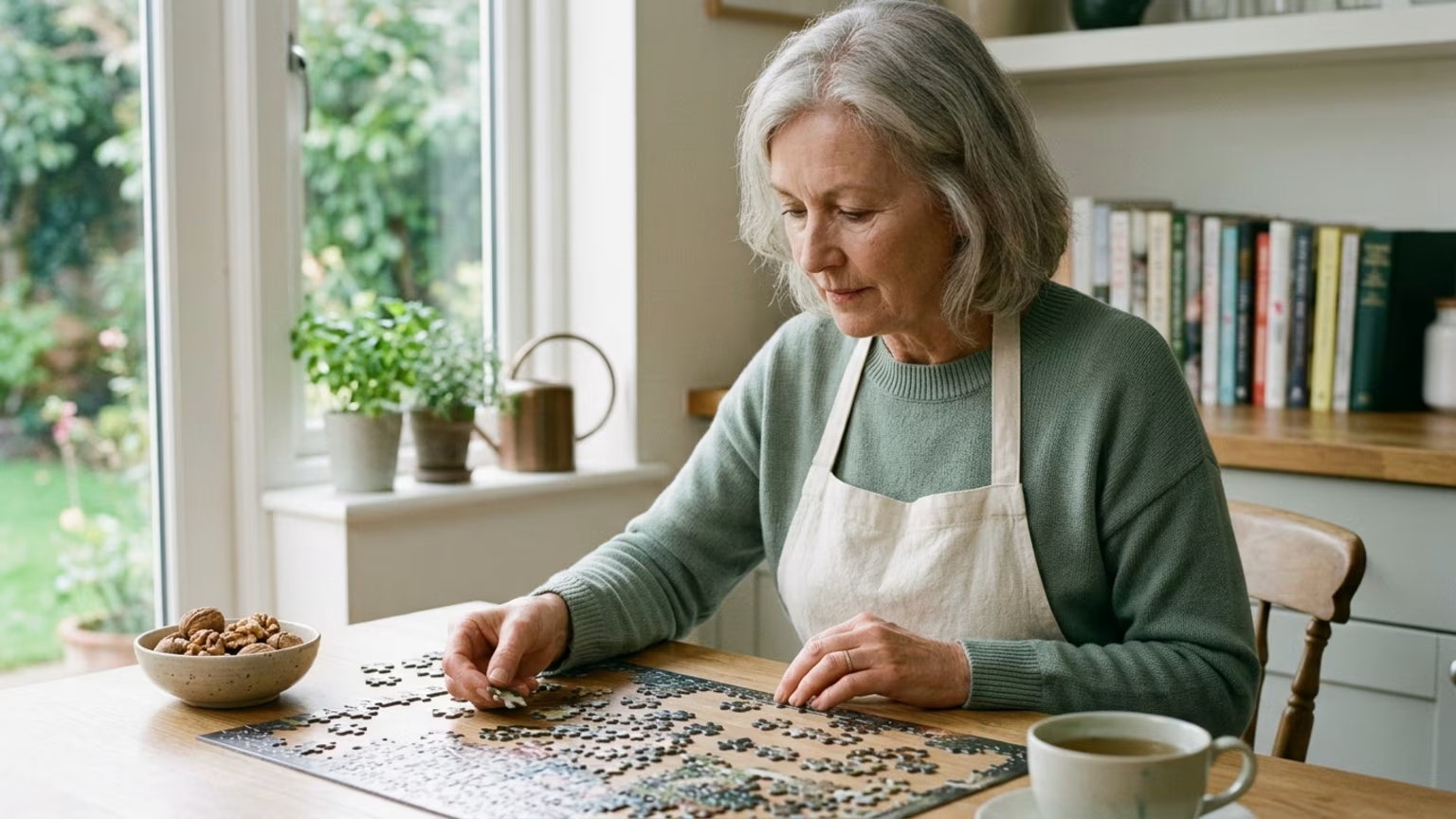
The article also recommends puzzles, chess, strategy games, and novel activities. These activities are excellent ways to practice attention or support confidence. However, they should not be described as a guaranteed way to prevent Alzheimer’s disease. Understanding these distinctions is vital for evaluating brain aging and neuroplasticity research accurately.
The most significant takeaway from this World Alzheimer’s Day feature is the value of a well-rounded approach. Maintaining mental clarity requires a combination of movement, sensory care, social engagement, and practical home adaptations. It is not about achieving perfect health or buying expensive supplements.
Nutrition also plays an ongoing role in supporting long-term brain function. The checklist includes healthy eating habits and points specifically toward a MIND-style dietary pattern. This approach prioritizes nutrient-dense foods while minimizing heavily processed items. Combined with blood-pressure control and weight management, a balanced diet supports the vascular system that feeds the brain.
A related Ahmedabad Mirror report noted that doctors warned of rising Alzheimer’s cases in Gujarat. Cases had reportedly doubled over the previous decade and could rise further. Against this backdrop, clear and actionable guidance becomes highly relevant for older adults. Taking proactive steps can help maintain autonomy and a high quality of life.
The focus should remain on sustainable habits rather than rigid rules. A target of 150 minutes of exercise is an excellent goal, but the right starting point relies on individual mobility. Choosing cognitively demanding activities with personal meaning is often more sustainable than repetitive exercises. Language practice, volunteering, reading, or group games can provide valuable mental stimulation.
Ultimately, building a supportive environment is just as crucial as individual health metrics. Utilizing memory aids, treating hearing loss, and adapting the home all contribute to long-term resilience. By embracing these practical adjustments, older adults can better protect their memory and focus as they age.
Uncertainty about which everyday habits may support cognitive health can make routine planning overwhelming for older adults. FitBrainLab translates complex evidence on brain aging and memory into clear, practical guidance that respects your intelligence. Our research-led approach helps you build sustainable lifestyle routines without relying on fear, hype or miracle claims.

Follow FitBrainLab for research-led insights on memory, focus, brain aging, nutrition and mental fitness after 60. Stay connected for new articles, practical guidance and ideas for a sharper, more engaged life.




Build habits that support memory, focus and a curious, connected life.
Read the Blog