
An Adelaide study links cognitive reserve with better performance after trauma exposure. Learn what the finding means for meaningful activity after 60.





On 14 October 2026, Adelaide University reported that higher cognitive reserve was associated with better cognitive performance in adults exposed to traumatic events. The study involved 745 adults aged 50 to 86, according to coverage of the university’s announcement.
The researchers assessed traumatic-event exposure, post-traumatic stress symptoms, cognitive performance and cognitive reserve. According to the university’s account, participants with higher reserve were less affected by post-traumatic stress symptoms and performed better cognitively in the context of trauma exposure. The university says the findings were published in the Journal of Affective Disorders.
Adelaide University describes cognitive reserve as adaptability that helps explain why brain aging affects people’s thinking abilities differently. It is thought to develop through enriching experiences across a lifetime. Education and leisure activities are among the experiences the university identifies as possible contributors.
That definition matters because reserve is not simply another name for doing puzzles or staying busy. In the university’s explanation, it concerns how people differ in their ability to adapt. FitBrainLab’s background guide to reserve and brain function provides further context for this concept.
Lead researcher Dr Sabrina Sghirripa said about 87% of participants reported directly experiencing at least one traumatic event. That figure describes exposure within this study group. It does not describe the proportion with post-traumatic stress disorder or cognitive impairment.
Sghirripa explained that the research aimed to examine how good and difficult life experiences interact in relation to cognitive aging. Healthy-aging discussions often focus on activities people can pursue. This study added another part of the picture: the difficult experiences people may carry alongside those activities.
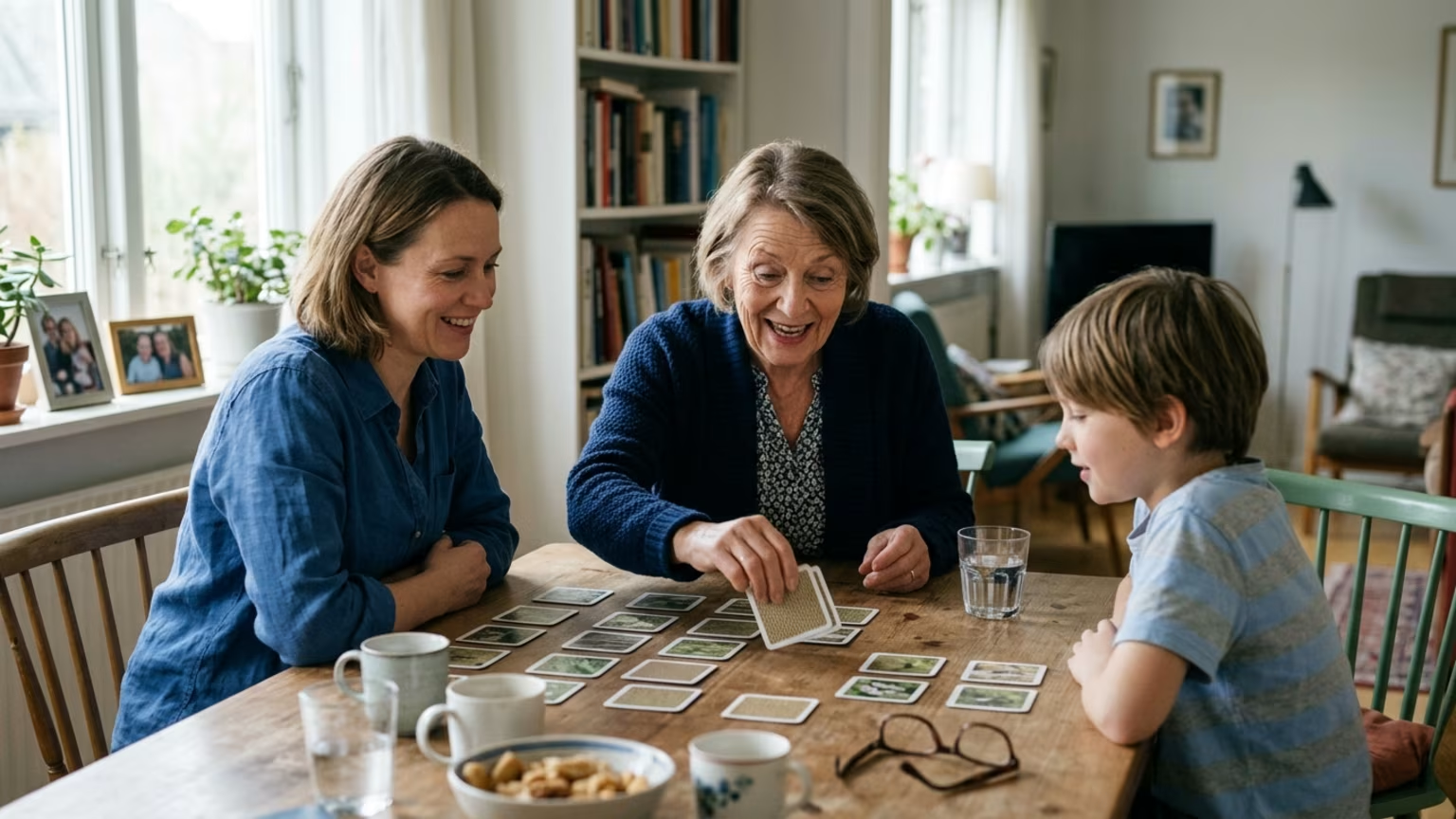
For adults over 60, the immediate value is a broader way to think about everyday engagement. Sghirripa suggested that leisure activities and social participation could help build cognitive reserve. She also pointed to meaningful activity and social connection as possible supports for cognitive and mental health later in life.
The practical implication is to value activities that fit a person’s interests and circumstances. The research discussion supports a broad focus on leisure and connection rather than a prescribed brain-training routine. Enjoyment and sustainability are reasonable guides when thinking about that focus.
At this broad level, options include:
These examples translate the university’s general discussion into everyday terms. Their value here is that they keep the conversation grounded in an engaged life. They need not become a schedule of tasks completed for the sake of a future test score.
Readers thinking about the learning side of engagement can also turn to FitBrainLab’s discussion of curiosity and cognitive reserve. The useful question is which forms of participation feel meaningful enough to remain part of everyday life.
The study also offers a useful perspective for conversations with healthcare professionals. A discussion about memory or attention can include difficult life experiences alongside current concerns and daily activities. That is a broader starting point than looking only at whether someone has stayed mentally active.
For a person with a history of trauma, the practical response need not be to become busier. Meaningful leisure and connection can be valued without turning them into another demand. Questions about memory changes, distress or personal care decisions belong with a qualified healthcare professional.
For researchers, the finding makes the relationship between life experiences and cognition worth closer examination. A useful next question is whether changes in engagement and reserve over time relate to later outcomes. That is a research question rather than a recommendation for a particular activity.
The central limit is causation. Coverage of the findings explicitly cautions that the study found associations. It did not establish that particular activities prevent trauma-related cognitive difficulties. Sghirripa’s suggestions about leisure and social engagement are practical implications offered by the researcher rather than results from a tested activity program.
This distinction separates two different questions. One asks whether people with higher reserve show a different pattern of cognitive performance in the context of trauma. The other asks whether starting a hobby or joining a social activity changes that outcome. The reported findings address the first question without settling the second.
Sghirripa described higher reserve as providing “a buffer of sorts” against cognitive and psychological impacts associated with traumatic experiences. She also made clear that people may still be affected by trauma. The phrase should be read as a cautious description of the observed pattern rather than a claim of immunity.
The age range also needs attention. Participants were aged 50 to 86, so the study was not exclusively about adults aged 60 and older. Its reported association does not provide a personal forecast for someone of a particular age or with a particular history. Past trauma should not be read as making future memory or attention problems inevitable.
The public summary does not provide effect sizes, detailed participant demographics, full assessment tools or statistical methods. Those details would help readers judge the size and reliability of the association. Without them, the phrase “better cognitive performance” cannot responsibly be translated into a specific level of protection or a predicted change in daily functioning.
The reported outcome also concerns cognitive performance rather than proof that an activity slows future decline. An active social life should not be treated as a substitute for appropriate care. Nor should the finding become a judgment about whether someone has done enough to cope with difficult experiences.
For readers weighing a headline, the clearest distinction is between a finding about reserve and a claim about an intervention. The former is what this study reports. A claim that a class, hobby or social routine prevents trauma-related cognitive problems would go beyond the evidence presented.
This development matters because it places meaningful experiences and difficult experiences within the same research question. The Adelaide team did not look only at activities associated with aging well. It also examined how traumatic-event exposure and post-traumatic stress symptoms related to cognitive performance in people with different levels of reserve.
That approach offers a more complete direction for cognitive-health research. It leaves room for what people have experienced rather than reducing healthy aging to a list of habits. It also creates a reason to investigate reserve more carefully without turning an early association into a promise.
For adults over 60, the grounded takeaway is to give meaningful activity and connection a place in life. Neither needs to be pursued as a test of personal resilience. The long-term value of this research will rest on whether further work clarifies the relationship and identifies supports that genuinely help people.
Turning a trauma finding into a hobby prescription confuses evidence with a promise, a distinction FitBrainLab keeps visible in its brain-health coverage. For older readers uncertain about which everyday habits may support cognition, the publication explains research on learning and meaningful engagement so practical choices can be weighed alongside open scientific questions.

Follow FitBrainLab for research-led insights on memory, focus, brain aging, nutrition and mental fitness after 60. Stay connected for new articles, practical guidance and ideas for a sharper, more engaged life.





Build habits that support memory, focus and a curious, connected life.
Read the Blog