Learn how the recent Alzheimer's Association educational session in National City encourages older adults to build personalized, brain-healthy daily habits.





On September 22, 2026, the Alzheimer's Association San Diego/Imperial Chapter supported a free educational session on brain-healthy habits at the National City Chamber of Commerce. The event focused on teaching adults how daily lifestyle choices might support long-term cognitive health.
The Alzheimer's Association San Diego/Imperial Chapter is supporting a free educational session focused on daily routines. The gathering is titled "Building Brain-Healthy Habits" and is scheduled for Tuesday, September 22, 2026. The program runs from 11 a.m. to noon, providing a midday opportunity for older adults to learn. The event takes place at the National City Chamber of Commerce.
The official venue is located at 901 National City Boulevard in National City, California. The public listing provides registration information for interested community members. The Alzheimer's Association San Diego/Imperial Chapter is clearly identified as the supporting organization. However, the available event listing does not identify a specific presenter or guest speaker.
The page provides logistical details but lacks information about the specific qualifications of the host. It also does not provide a target attendance number or expected audience size. The public KPBS listing does not describe a formal research protocol for the session. It also does not report any outcomes or success rates from previous iterations of the class.
This educational session is designed to explain how everyday habits support memory and thinking. The program covers the importance of maintaining brain health across the entire lifespan. One of the stated topics is the relationship between brain and heart health. The event focuses entirely on practical lifestyle areas rather than a single medical intervention.
Attendees are encouraged to create a personalized action plan during the gathering. The curriculum highlights movement, cardiovascular health, mentally stimulating activities, and meaningful social engagement. The focus remains on general education and personal planning rather than clinical results. The session avoids complex medical jargon in favor of actionable guidance.
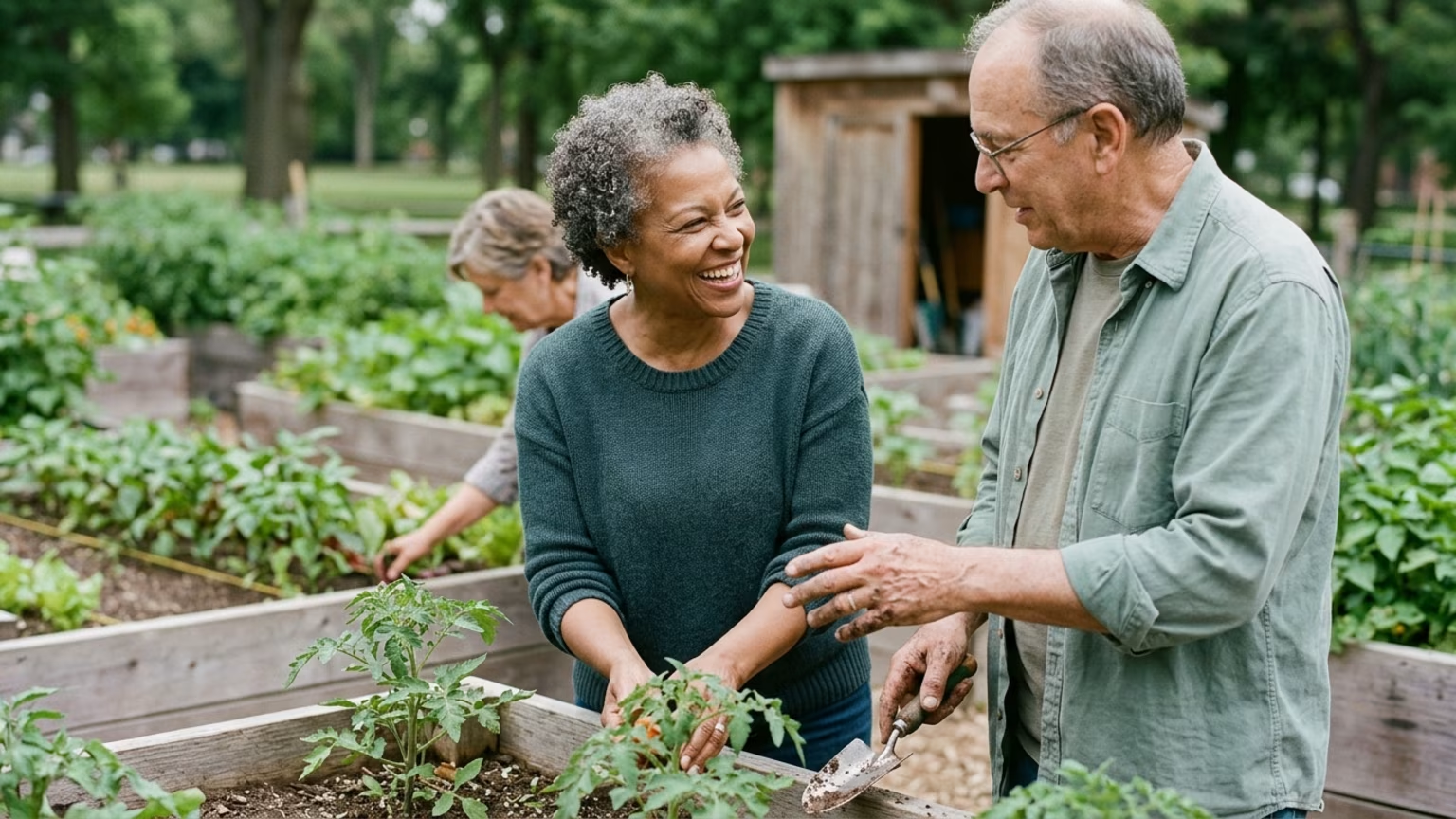
The shift toward a multidomain lifestyle approach changes how older adults manage their health. Physical activity acts as a core component of this broader risk reduction strategy. Older adults can begin by setting one achievable movement goal for their week. Simple activities like daily walking or gardening can support physical and cognitive resilience.
The evidence supports treating physical activity as a helpful habit rather than a guaranteed safeguard. Building an effective habit system means starting with small and manageable changes. Adults might struggle to overhaul their entire daily routine at once. Focusing on a single goal builds confidence before adding new behavioral adjustments.
A person might begin by adding a short daily walk before modifying their diet. Gradual changes create lasting physical adaptations without overwhelming the individual. Consistency carries far more weight than intensity when managing age-related health factors. Extreme workout regimens or rigid diets often lead to burnout and abandonment.
A moderate physical activity habit sustained over years offers better cumulative support. Understanding the brain-heart connection requires patients to include cognitive concerns in routine medical care. Older adults should ask their clinicians about blood pressure, diabetes, and cholesterol levels. Managing weight and discussing smoking habits also support long-term vascular health.
These common physical factors directly influence the blood vessels that supply the brain. Keeping these metrics in check forms a practical foundation for cognitive longevity. The educational session also frames sleep as part of a broader brain health strategy. The public event listing does not provide a specific sleep recommendation or cite a particular study.
Monitoring sleep quality remains a practical step for adults navigating their later years. Older adults frequently experience changes in their sleep architecture after retirement. Discussing persistent nighttime disturbances with a doctor can uncover treatable issues. Mentally stimulating activities provide another avenue for older adults to support their daily routines.
The event listing does not establish a specific best puzzle, app, or training program. Readers should choose mental activities that feel engaging and sustainable over the long term. Learning a new language or mastering a complex hobby provides structured cognitive engagement. Reading comprehensive brain aging and neuroplasticity articles can also offer valuable mental stimulation.
Social connection requires conscious planning and regular effort to remain effective. The session treats meaningful relationships as a fundamental health behavior for older adults. Regular contact with friends, relatives, neighbors, or volunteer groups can help address social isolation. Building a plan around real life means combining social events with other daily goals.
Community engagement also offers indirect benefits for emotional regulation and stress management. Participating in local community groups provides a natural buffer against daily anxieties. Friendly conversations and shared activities help lower resting heart rates over time. Managing stress through social means adds another layer of vascular protection.
Connecting these habits provides a unified purpose for adults managing their retirement years. Older adults might already monitor issues like mobility, hearing, and vision. Incorporating these physical factors into a cognitive health protection strategy makes daily health maintenance more cohesive. A flexible routine is much easier to sustain over months and years.
Public discussions about memory often create confusion regarding what lifestyle changes can actually achieve. Readers must carefully evaluate educational sessions to maintain realistic expectations about their outcomes. Lifestyle changes can lower or modify risk, but they cannot eliminate the possibility of developing dementia. Biological aging remains a primary risk factor for Alzheimer's disease and other conditions.
Modifiable lifestyle factors represent only one part of a person's overall risk profile. Health education events often attract individuals seeking immediate fixes for memory concerns. Attendees must remember that cognitive decline develops slowly over decades. Reversing or stopping this biological process cannot happen through a single lifestyle adjustment.
Daily habits serve as a long-term maintenance strategy rather than a rapid cure. Patience and consistency remain the most reliable tools for supporting brain health. The public event listing does not state that the session will diagnose cognitive impairment. The program does not treat dementia, replace medical care, or provide individualized medical advice.
Educational events help clarify general healthy habits, but they are not professional medical interventions. The lack of a formal clinical evaluation at community events is a significant boundary. Health professionals use detailed assessments to understand a patient's unique cognitive baseline. A one-hour public seminar cannot replace these comprehensive medical screenings.
The available KPBS listing does not quote a named expert, physician, or researcher. It also lacks direct commentary from an Alzheimer's Association executive. A personalized action plan should be understood merely as a starting point for medical discussions. It does not replace individualized guidance from a licensed primary care doctor.
Patients must consult their physicians about exercise safety, blood pressure treatment, and diabetes care. Managing fall risk, sleep problems, and medication side effects also requires direct clinical oversight. Community health plans cannot safely account for advanced cardiovascular conditions or complex physical restrictions. Readers should view the National City session as a helpful but limited educational tool.
The event page does not provide enough information to assess the overall quality of the presentation. It does not clarify whether the session includes evidence-based handouts or structured follow-up support. Educational settings provide motivation, but the daily execution of habits requires independent discipline. Older adults must actively filter out exaggerated health claims and oversimplified wellness advice.
The cognitive health sector often struggles with absolute promises. This event avoids such pitfalls by focusing on ordinary daily behaviors rather than commercial products. However, older adults must remain cautious when applying general lifestyle advice to their specific lives. Adopting a balanced, realistic view of brain health prevents unnecessary frustration and disappointment.
The upcoming session represents a practical approach to community health education for older adults. It translates broad prevention concepts into manageable daily choices that fit into existing routines. The event reinforces the idea that cognitive longevity relies on a combination of physical and social habits. This multidomain strategy respects the complexity of the aging brain without offering false certainties.
Older adults can take control of their daily schedules without falling for sensationalized health claims. Consistent movement, careful heart care, and regular social participation build a reliable framework for aging well. The Alzheimer's Association's support for this structured education highlights the value of proactive health planning. Readers can review lifestyle and brain resilience articles on FitBrainLab for more context.
Conflicting advice about nutrition, exercise, sleep, supplements and brain performance makes evaluating educational lifestyle sessions needlessly difficult. Building a personalized routine out of general community presentations requires careful attention to the actual science. FitBrainLab translates complex evidence on brain aging and dementia risk into clear guidance, helping adults over 60 separate established habits from exaggerated claims.

Follow FitBrainLab for research-led insights on memory, focus, brain aging, nutrition and mental fitness after 60. Stay connected for new articles, practical guidance and ideas for a sharper, more engaged life.





Build habits that support memory, focus and a curious, connected life.
Read the Blog