lifelong curiosity
Your sharpest years can still be ahead
Build habits that support memory, focus and a curious, connected life.
Read the Blog

A recent 10-person study reported improved visual learning from a turmeric extract, but a lack of a control group means the findings remain preliminary.


A secondary analysis shows online group nutrition counseling helped older adults with mild cognitive impairment reduce alcohol intake over 12 months.

UCLA researchers linked gut microbe profiles to estimated brain aging and memory scores in a recent study. Learn what these early observational findings mean.

The University of Cambridge plans a new Mind and Brain Institute for 2027 to study lifelong cognitive health. Review how this research affects daily habits.

New research links the inflammatory biomarker eotaxin-1 to cognitive decline. Current clinical guidelines still advise against testing symptom-free adults.

Learn what the American Medical Association’s new age-friendly care guidelines mean for evaluating memory changes, medication safety, and daily mobility.
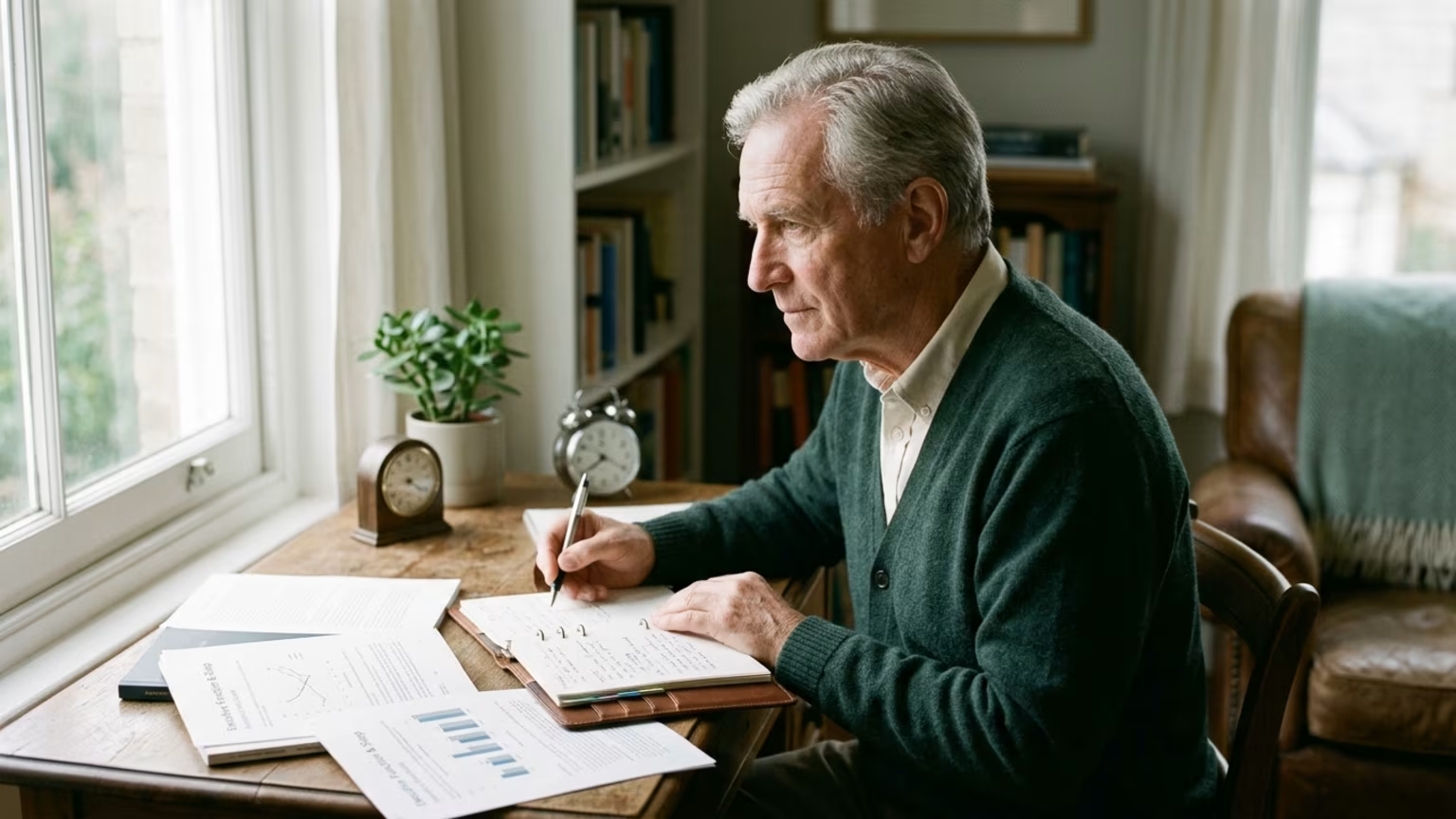
A two-year observational study of 233 adults found higher sleep efficiency was associated with better executive function, while total sleep duration was not.

Boston University researchers found that analyzing speech patterns during structured memory tests is associated with cognitive changes over a seven-year period.

The October 2026 Monitor on Psychology reports that unfilled pauses may benefit working memory, though real-world effects for older adults remain unclear.

The Washington Post reports that obstructive sleep apnea can mirror cognitive decline. Learn why daytime mental fog warrants a professional sleep evaluation.

Read about practical ways to challenge your memory and attention daily. We review short cognitive habits and explain why they do not prevent dementia.

A Swedish study associated lower cognitive scores in adults 60 to 69 with higher future stroke risk, reinforcing the value of monitoring vascular health.

A 12-week trial reported exploratory memory signals for creatine in adults aged 45 to 65. Review the clinical findings and what they mean for adults over 60.

Recent multi-cohort research associates active computer use with better global cognition in older adults, while passive television viewing shows the opposite.

The Active Brains trial tested how digital cognitive activities and lifestyle guidance affect memory. Learn why experts urge caution on early reversal claims.
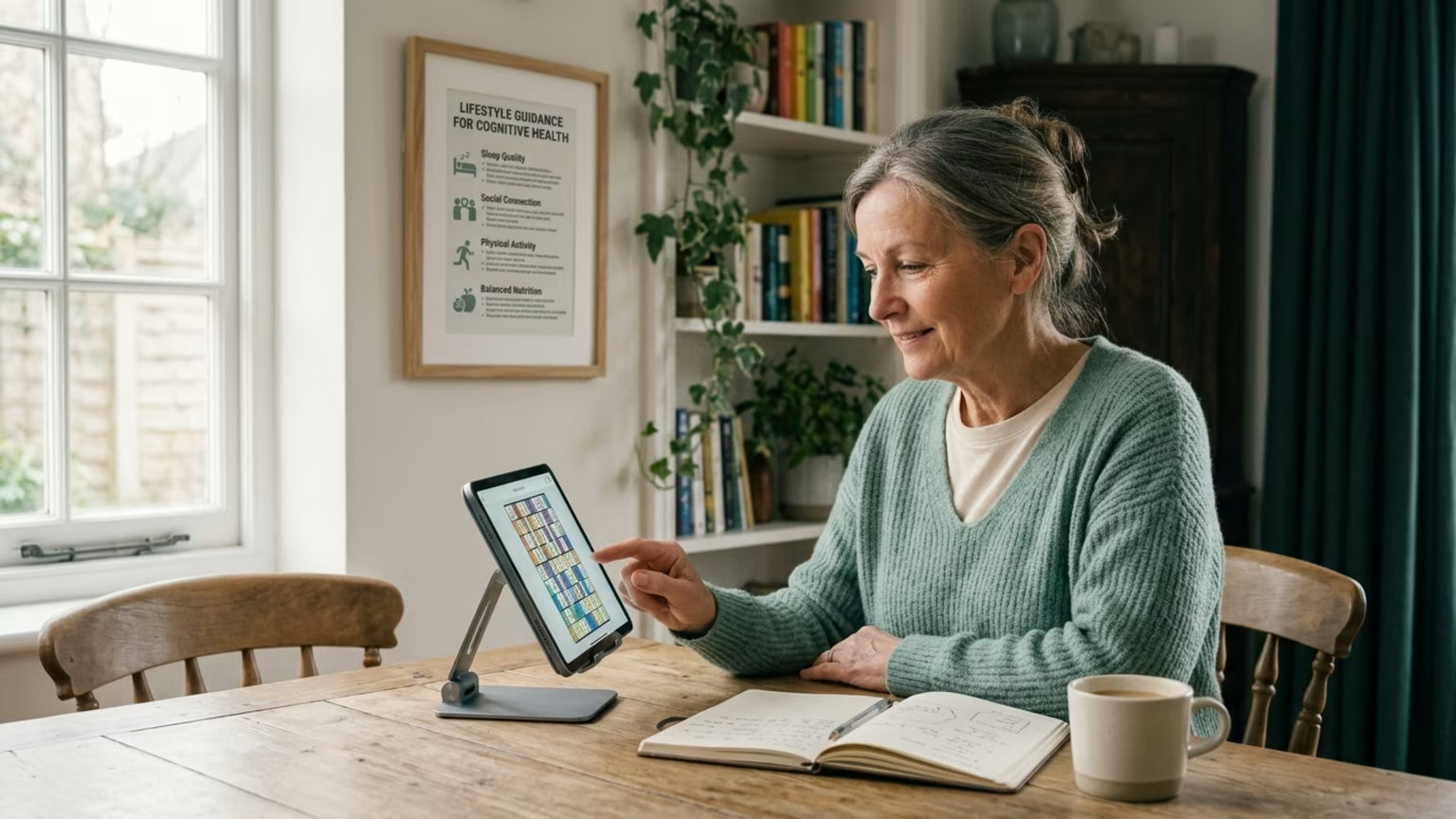
A University of Southampton study examines how an online lifestyle and puzzle program affected cognitive scores in 11,563 older adults over one year.

UCLA Health received a $25 million grant to evaluate artificial intelligence tools for dementia care. Learn what this evaluation program means for patients.

Preliminary 2026 data shows a shorter eating window may affect cognition, but evidence lacks scale to alter memory guidance.
Build habits that support memory, focus and a curious, connected life.
Read the Blog




