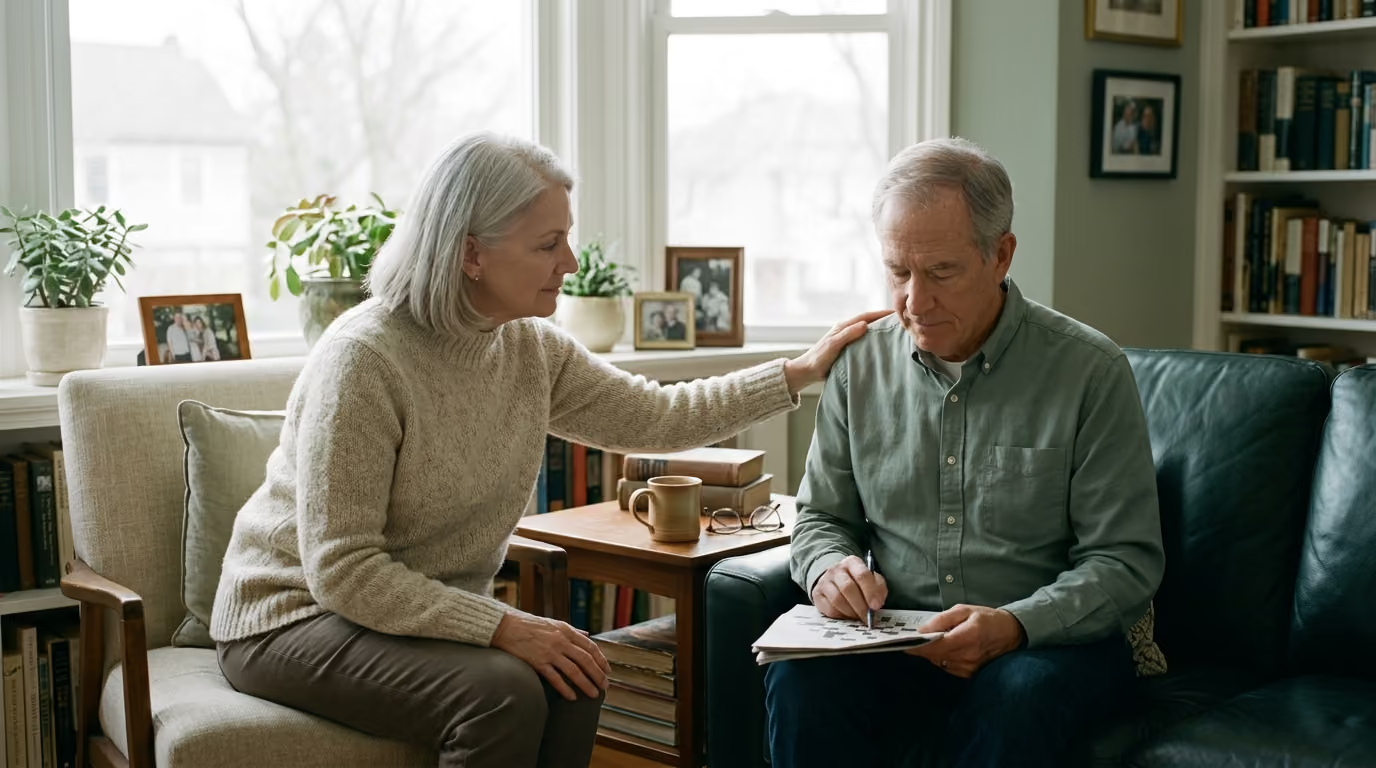

One in three older adults experiences social isolation, making strong ties, recurring routines, and healthy communication channels essential for lifelong cognitive and physical well-being.





Many older adults find themselves searching online for ways to stay connected when retirement, physical changes, or distance disrupt daily routines. You might search for how to make friends after 60, how to maintain conversation when hearing fades, or how to avoid isolation while living alone. This guide provides a definitive, research-based framework to rebuild, adapt, and protect your social world across changing circumstances.
Human conversation is one of the most complex tasks the brain performs. When you talk with someone, your brain processes auditory signals, decodes facial expressions, and retrieves relevant memories. It also anticipates the other person's perspective and regulates emotional responses in real time.
This dynamic exchange engages multiple neural systems at once. The prefrontal cortex manages attention and conversational turn-taking. The temporal lobes decode language and process vocal tone. Meanwhile, the limbic system processes emotional resonance and shared empathy.
When social routines disappear, these neural networks receive less regular stimulation. Meaningful conversation exercises working memory and cognitive control. Engaging with people who have diverse viewpoints keeps mental models flexible and active.
Social interaction also regulates our biological stress response. Supportive interactions lower physiological arousal and help stabilize blood pressure. Feeling disconnected can keep the nervous system on high alert. Over extended periods, chronic alert states increase inflammation and disrupt restful sleep.
Maintaining social connections provides cognitive scaffolding throughout life. A supportive network helps you process complex medical information, encourages healthy physical routines, and provides intellectual stimulation. Through these combined physical and mental pathways, social engagement acts as a fundamental pillar of long-term brain health.
Extensive public health research demonstrates that social ties relate directly to physical health, cognitive longevity, and emotional well-being. Epidemiologists treat social connection as a major health determinant rather than a matter of personal preference.
The World Health Organization reports that loneliness affects roughly one in six people globally. The organization estimates that social isolation affects up to one in three older adults. In specific regional surveys, about one in four older people experience objective social isolation, while 11.8 percent report persistent loneliness.
The National Academies of Sciences, Engineering, and Medicine completed a comprehensive consensus report on this topic. Their findings link objective social isolation to an estimated 50 percent higher risk of developing dementia. Poor social relationships are also associated with a 29 percent increase in coronary heart disease risk and a 32 percent increase in stroke risk.
These epidemiological numbers demonstrate clear associations between disconnection and systemic health risks. Researchers suggest several explanatory pathways for these findings:
Clinical trials examining interventions to reduce isolation show nuanced results. A Cochrane review evaluated video calling interventions designed to reduce loneliness in older adults. The review found very low-certainty evidence that video calls reduced loneliness after three, six, or twelve months compared to usual care. Video calls can introduce technical hurdles, eye fatigue, and conversational awkwardness if not implemented thoughtfully.
A 2024 randomized crossover trial of remote social interaction found that 91 percent of participants preferred telephone calls over video calls. In that study, brief conversations three times per week did not shift cognitive scores over four weeks. Sustained and structured outreach, however, yields different outcomes.
A 2025 randomized controlled trial examined 119 community-dwelling adults aged 65 and older over nine months. Participants received weekly structured, empathic telephone calls. The program produced clear improvements in loneliness, perceived social support, depressive symptoms, and cognitive status compared to standard care.
Studies following adults across life transitions show predictable patterns in relationship networks. Research among Finnish public-sector workers found an average loss of approximately one personal network tie during the retirement transition. This loss occurred primarily among casual work acquaintances rather than close personal friends.
Other longitudinal studies indicate that newly retired individuals often increase contact with immediate family while seeing a decrease in non-family relationships. A 2025 longitudinal analysis found that retirement briefly lowered the odds of social isolation in the short term, but showed no long-term reduction in isolation or loneliness. These findings indicate that retirement does not automatically improve social life without deliberate planning and effort.
Understanding social health requires distinguishing between objective circumstances and subjective feelings. Clear terminology prevents common misunderstandings and helps you choose the right interventions.
Social isolation is an objective measurement of a person's social environment. It counts the number of relationships, the frequency of contact, and the breadth of community ties. A person living in a remote home with few visitors is objectively isolated.
Loneliness is a subjective, distressing feeling. It happens when there is a mismatch between the social connection you want and the connection you actually experience.
Because of this distinction, people can experience these states independently:
Living arrangements do not tell the whole story of someone's social well-being. Measuring social health requires looking beyond physical household composition.
A complete view of social well-being includes four primary elements:
Frequency alone cannot create a healthy social life. Transactional interactions with doctors, delivery workers, or retail staff provide contact without emotional depth. A resilient network balances frequent casual contact with deep, dependable ties.
Sociologists divide human networks into strong ties and weak ties. Both types serve distinct and necessary roles in supporting mental clarity and emotional health.
Strong ties include spouses, close family members, and intimate, long-standing friends. These people offer emotional safety, crisis support, and personal history. They are the people you call during medical emergencies or major life disruptions.
Weak ties consist of casual acquaintances, former colleagues, neighbors, group members, librarians, and local business owners. Weak ties provide low-pressure contact that builds belonging and keeps you connected to your local community.
Weak ties expose you to fresh ideas, current news, and varied viewpoints without requiring intense emotional energy. When work-based weak ties vanish after retirement, intentionally rebuilding casual acquaintances through neighborhood spots or clubs protects your sense of purpose.
Relying on a single person or one communication channel creates vulnerabilities. Illness, caregiving, relocation, or bereavement can suddenly disrupt a narrow social setup. Building a balanced connection portfolio provides stability across life transitions.
Anchor relationships are the people you turn to when you feel unwell, stressed, or need practical help. These ties provide deep emotional safety and honest conversation.
A resilient portfolio contains more than one anchor relationship. When a spouse becomes ill, relying solely on them for emotional support strains both partners. Cultivating close friends, siblings, or adult children creates a dependable circle of care.
Recurring routines remove the friction of having to organize social plans from scratch every week. These predictable events create reliable rhythm in your schedule.
Examples include:
The National Institute on Aging recommends scheduling regular check-ins with friends and family to stay engaged. Predictable commitments help you stay involved even when your energy or motivation fluctuates.
Activity-based connections center on a shared task or interest. In these settings, the project carries the interaction, reducing the pressure to make constant small talk.
Shared activities include community gardening, choir rehearsals, woodworking, language study, or local historical research. Working alongside others toward a common goal builds natural camaraderie and mutual respect. For practical ideas on building habits that support mental sharpness, review our guide to lifestyle strategies for brain resilience.
Low-intensity ties keep you engaged with your immediate surroundings. These brief, recurring interactions confirm that you are a recognized member of your community.
Greeting a neighbor, chatting with a postal worker, or speaking with the local pharmacist builds low-stakes social connection. These simple interactions provide variety and cognitive engagement without demanding heavy energy.
Continuity contacts are people who know your regular routine and understand how to reach you. They step in if a scheduled check-in is missed.
This component is critical for individuals who live alone or manage chronic health conditions. A practical safety plan includes a neighbor with a spare key, a family member with your medical details, and a clear emergency check-in routine.
Every communication method has distinct strengths and limitations. Choosing the right channel for each interaction prevents fatigue and misunderstanding.
In-person meetings offer the richest sensory and social experience. Being in the same room lets you read subtle expressions, share physical warmth, and pick up on quiet environmental cues.
In-person visits are ideal for deep personal conversations, shared meals, collaborative projects, and family celebrations. They allow friends to notice subtle changes in health, movement, or home safety.
Transportation hurdles, physical pain, bad weather, and inaccessible spaces can limit in-person meetings. Inadequate transportation remains a major barrier to community involvement for older adults, particularly in rural towns.
Prioritize meeting quality over visit length. A 45-minute tea in a quiet living room is often more restorative than a noisy, two-hour dinner at a crowded restaurant.
The standard telephone call remains an effective, accessible way to stay connected. It requires no specialized hardware, avoids screen-related eye strain, and works across areas with limited internet.
Telephone calls allow for direct, personal conversation while resting in a comfortable chair. A 2024 remote-interaction study highlighted that 91 percent of participants preferred telephone over video calls.
Telephone interactions work best with clear, mutual agreements:
A structured telephone plan removes ambiguity and ensures both people look forward to the conversation.
Video calling adds facial expressions and visual cues across long distances. It allows you to watch grandchildren play, share digital photos, or participate in remote family gatherings.
Video is not an automatic solution for loneliness. Cochrane reviews show uncertain evidence regarding video calls as a standalone fix for isolation. Poor audio quality, screen glare, software updates, and delays can make video calls draining.
Video works best when anchored to an activity, such as:
To improve video calls, place your camera at eye level and use a larger computer or tablet screen. Sit facing a soft light source, turn on live closed captions, and keep group sizes small so everyone can speak without interruption.
Letters, cards, text messages, and emails provide flexible, low-pressure ways to stay in touch. Written messages work across time zones and let you read and reply at your own pace.
Writing is accessible for individuals with hearing changes. It creates a meaningful written record that you can return to whenever you want.
Written messages become more engaging when you move beyond basic scheduling updates. Try using thoughtful questions:
Personal notes turn simple updates into meaningful exchanges that strengthen long-term friendships.
Group chats and online forums offer casual contact, but large threads can move quickly and feel impersonal.
When joining group chats, set clear personal boundaries. You do not need to reply to every message. Focus on sharing occasional photos, brief updates, or direct notes to individual members to keep group participation positive.
Aging brings transitions that alter how we spend our days and interact with others. Adapting your routines to physical and lifestyle changes keeps relationships strong. For related research on cognitive health during these stages, read our resource on protecting cognitive health.
Retirement changes your daily schedule, removes casual workplace conversations, and alters your sense of professional identity. Research shows people often lose several casual ties during this transition while relying more heavily on immediate family.
Relying entirely on a spouse or family for social connection can strain those relationships. A smooth social transition involves planning:
Treat retirement as an opportunity to intentionally design your social life rather than leaving your calendar to chance.
Caring for a spouse, partner, or parent takes significant time and emotional energy. Caregivers often turn down invitations because leaving the house is difficult, which can lead to unintentional isolation.
Distinguish between practical help and social companionship. Caregivers need emotional support just as much as assistance with errands.
Practical adjustments for caregivers include:
Small, predictable check-ins provide vital connection without adding to your daily to-do list.
Age-related hearing changes make noisy environments exhausting. Data from the Centers for Disease Control and Prevention shows that 26.8 percent of American adults aged 65 and older report hearing difficulty even when using hearing aids. Another 4.1 percent have severe difficulty or cannot hear at all.
When following conversations takes intense concentration, people often withdraw from group dinners and social events.
Successful communication is a shared responsibility:
Improving room acoustics and seating arrangements helps keep conversations relaxed and enjoyable.
When driving stops or walking becomes difficult, getting out to social events requires extra planning. Reliable transportation is a fundamental requirement for staying active in your community.
If getting around becomes challenging:
Adapting your environment ensures you can stay socially active regardless of mobility changes.
The loss of a spouse, sibling, or close friend removes a primary daily connection and alters long-standing social routines. Grief can leave you with less energy, making it hard to reach out to others.
Adapting after loss is an ongoing process of rebuilding your routines:
Pacing your social re-engagement allows you to honor your grief while gradually rebuilding a supportive daily routine.
Different life circumstances require tailored approaches to staying connected:
Adjusting your communication methods to fit your personal situation keeps relationships accessible and supportive.
Common myths about aging and social life can lead to unnecessary self-criticism or ineffective strategies. Clearing up these misconceptions helps you focus on what truly supports your health.
Frequent interactions do not help if they feel rushed, one-sided, or dismissive. A few minutes of genuine, reciprocal conversation provide more comfort than hours of transactional talk. Focus on finding relationships where you feel heard and valued.
Video calling provides visual contact, but it can introduce tech issues, screen glare, and self-consciousness. Phone calls are often more relaxing, allowing you to speak comfortably without worrying about camera angles or eye contact.
Living alone is simply an objective living arrangement. Many people who live alone enjoy rich friendships, active hobbies, and strong community connections. Loneliness occurs when there is a gap between the connection you have and what you want, regardless of your living space.
Large networks can sometimes feel superficial or stressful to manage. Having a small, dependable group of three or four close friends often provides better emotional security than dozens of casual acquaintances.
Relying solely on family places heavy pressure on those relationships. Friends, neighbors, and interest-based clubs bring fresh energy, shared life experiences, and mutual perspectives that family members cannot always provide.
Hearing aids amplify sound, but they do not eliminate background chatter or poor room acoustics. Good lighting, looking directly at the speaker, choosing quiet settings, and speaking clearly remain essential for easy conversation.
Real relationships make room for life's challenges, sadness, and disagreements. Meaningful connection allows you to be honest about how you feel without needing to pretend everything is perfect.
A regular check-in helps you evaluate your relationships and see where your social portfolio may need adjustment. Take a few minutes each month to reflect on these questions:
Using this monthly check-in helps you notice when routines are slipping so you can make gentle, proactive adjustments.
Social connection directly influences your physical and emotional health. Discussing your daily routines and community access with your doctor helps them support your overall well-being.
Consider asking these questions at your next appointment:
Your healthcare team can offer practical guidance, connect you with local services, and help you address physical barriers to staying active.
Rebuilding or strengthening your social routines works best through small, realistic steps. Choose two or three actions from this checklist to put into practice this week:

Follow FitBrainLab for research-led insights on memory, focus, brain aging, nutrition and mental fitness after 60. Stay connected for new articles, practical guidance and ideas for a sharper, more engaged life.


Build habits that support memory, focus and a curious, connected life.
Read the Blog