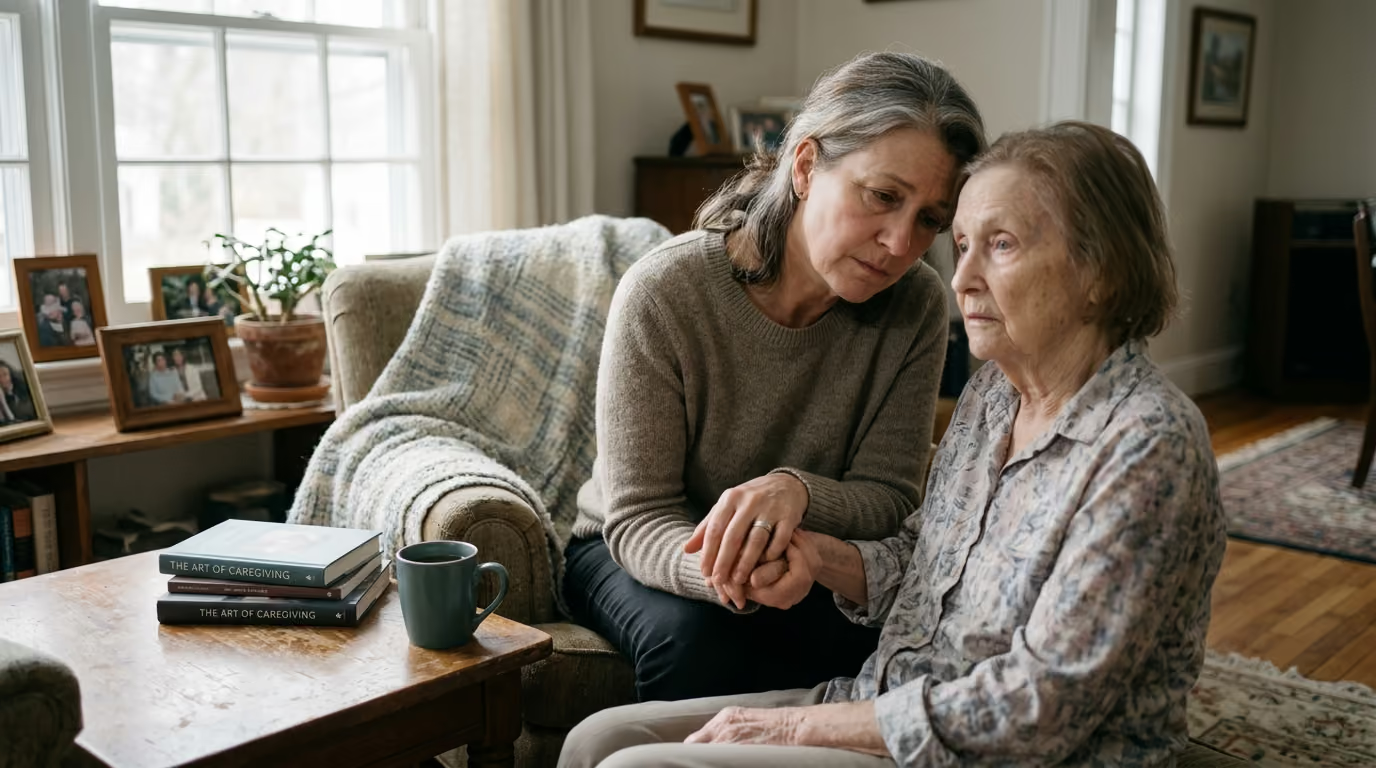

Bringing up suspected memory problems seems overwhelming, but practical conversational tools help loved ones navigate sensitive dementia concerns with confidence and respect.





Most people assume the primary goal of a memory conversation is getting a loved one to admit that something is wrong. In reality, demanding immediate agreement often creates defensiveness, strains relationships, and delays medical care. A productive conversation is not an amateur diagnosis or a family trial. It is an open invitation to look at changes together, protect daily safety, and seek clear answers from a medical professional.
Talking about cognitive changes is difficult because memory is closely tied to independence, dignity, and identity. When changes appear, fear can cause both the person and their family to look away. Approaching the topic with preparation and empathy keeps the focus where it belongs: on health, well-being, and mutual support.
Dementia is not a single disease. It is an umbrella term for a collection of symptoms caused by underlying brain disorders or injuries. These conditions damage nerve cells in the brain, which disrupts how brain cells communicate with one another. Over time, this damage interferes with memory, reasoning, language, and everyday independent functioning.
Alzheimer's disease is the most common cause of dementia. According to the World Health Organization, Alzheimer's disease accounts for 60 to 70 percent of all dementia cases. Other conditions include vascular cognitive impairment, Lewy body dementia, and frontotemporal disorders. Each condition affects distinct areas of the brain, creating different patterns of symptoms.
It helps to understand the difference between normal aging, mild cognitive impairment, and dementia. Occasional forgetfulness, such as misplacing glasses or taking longer to recall a name, is a common part of aging. In typical aging, the information usually comes back later, and daily routines continue without interruption.
Mild cognitive impairment involves noticeable changes in memory or thinking that go beyond normal aging. A person with mild cognitive impairment may struggle with complex tasks, yet they still manage daily living independently. Dementia is diagnosed only when cognitive decline significantly interferes with routine activities like cooking, medication management, or paying bills.
The brain changes that cause dementia can also affect a person's self-awareness. When someone cannot see their own cognitive decline, it is not always stubbornness. Damage to specific brain networks can prevent the brain from recognizing its own errors. Understanding this neurological reality helps families replace frustration with patience.
Research highlights how widespread cognitive changes are among older adults. In 2026, more than 7 million Americans aged 65 and older live with clinical Alzheimer's dementia. This represents roughly 1 in 9 people in that age group. About 74 percent of affected individuals are 75 or older, and nearly two-thirds are women.
The impact of cognitive conditions extends across entire families and communities. Nearly 13 million Americans provide unpaid care for individuals living with dementia. Data indicates that 83 percent of the help provided to older adults comes from family members, friends, or unpaid care partners. Globally, informal caregivers contribute half of the economic value of dementia care, with women providing roughly 70 percent of care hours.
Clinical consensus strongly supports the timely identification and disclosure of cognitive conditions. A comprehensive systematic review found that 90.7 percent of cognitively unimpaired individuals favor being told if they have dementia. Among people attending memory clinics or living with a diagnosis, 84.8 percent also favored full disclosure. Participants stated that knowing the diagnosis protects personal autonomy and provides time to make future plans.
At the same time, research shows that diagnostic disclosure brings complex emotional reactions. Studies document both positive outcomes, such as relief and clear planning, and negative outcomes, including temporary distress and stigma. How families and clinicians discuss these concerns directly influences how well a person adjusts. Approaching the topic with care, accurate information, and steady support makes a measurable difference.
A helpful conversation begins long before you sit down together. Walking into a discussion unprepared can cause you to rely on general statements that sound critical. Instead, take time to write down concrete events you have witnessed over several weeks or months.
Keep a written record that answers key questions about what is happening:
Describing specific events keeps the discussion grounded in facts. Saying, "You missed your heart medication three times this week" is far more helpful than saying, "You cannot manage your health anymore." Clear details keep the focus on practical solutions. You can review our cognitive health resources to learn more about how clinicians evaluate these functional patterns.
Preparation also involves identifying reversible factors. Memory problems do not automatically mean an irreversible brain disease is present. Nutritional deficiencies, urinary tract infections, sleep apnea, depression, thyroid imbalances, and medication interactions can all mimic dementia symptoms. Approaching the conversation as a search for answers allows room for treatable explanations.
Finally, think about the person's identity, values, and past preferences. Consider how they typically handle sensitive news and what kind of support they prefer. Respecting their history as an independent adult sets a collaborative tone from the start.
The environment where you hold this conversation matters just as much as the words you choose. A noisy, rushed, or unfamiliar space increases anxiety and makes clear communication much harder. Choose a quiet, comfortable room at home where you will not be interrupted by visitors, phones, or background television.
Select a time of day when your loved one is well-rested and alert. Many people with cognitive changes experience higher fatigue or confusion in the late afternoon and evening. Scheduling the discussion for mid-morning or after a calm meal often yields the best results.
Never start this conversation during moments of high stress or emotional friction:
Decide carefully who should lead the conversation. While several family members may share concerns, a large group can feel like an ambush. Research from the Alzheimer's Association suggests that a one-on-one conversation with a trusted partner is often less threatening. If additional family members are involved, choose one calm spokesperson to represent the family with warmth and respect.
When you are ready to speak, structure your dialogue around openness, permission, and care. Begin by asking permission to discuss what you have noticed. Asking permission gives the other person control and sets a respectful tone for the rest of the discussion.
Use a simple three-part structure to start the conversation:
You might say: "I care about you deeply, and I want to make sure you are feeling supported. I noticed that balancing the checkbook has been stressful the last two months. How have things been feeling from your perspective?" This framing invites a shared exploration rather than a defensive reaction.
Frame your observations using "I" statements rather than "you" statements. Say, "I have been worried because I noticed the stove was left on twice this week," instead of, "You keep forgetting to turn off the stove." "I" statements express your personal concern without sounding like an accusation.
Listen actively to what the person shares in response. If they express frustration, validate their feelings instead of correcting minor factual errors. You can explore our memory and focus strategies for practical ideas on supporting daily recall while maintaining a calm home environment.
Conclude the discussion with a single, manageable next step. Do not try to solve every future care question in one afternoon. Agreeing to schedule a primary care checkup, review medications, or write down daily notes for two weeks is a successful outcome for a first conversation.
Communication strategies should shift depending on your relationship with the person experiencing changes. Each relationship carries distinct history, emotional dynamics, and boundaries.
A spouse sees daily changes up close, which can make conversations emotionally intense. Frustration over missed chores or financial mistakes can easily turn into marital conflict. Focus on your partnership and frame medical visits as a shared project.
Adult children often struggle with changing family roles. It is easy to sound commanding, which can cause a parent to fear losing their independence and authority. Always speak to your parent as an equal adult who deserves respect.
Friends and siblings may have less daily contact, so they should avoid making sweeping assumptions about someone's condition. Focus on supportive observations and respect personal privacy.
Speaking with a doctor requires an organized, factual presentation of changes over time. Many clinicians have limited appointment time, so concise information helps them perform a thorough assessment.
Practicing person-centered communication with clinicians supports accurate evaluation. Learn more about protecting cognitive health to understand how medical teams screen for underlying neurological conditions.
It is common for people to react with denial, anger, or sadness when memory concerns are raised. These reactions often stem from fear of losing control, fear of nursing homes, or shame regarding cognitive decline. Responding with calm patience prevents conversations from turning into power struggles.
If your loved one insists that their memory is perfect, resist the urge to list every past mistake. Presenting a long list of errors feels like a prosecution and pushes people further into denial.
Instead, validate their feelings and gently pivot toward a routine health check:
> "I hear that you feel everything is fine. I am not trying to put a label on anything. I would feel much better if we mentioned these changes to your doctor just to rule out any simple physical issues."
Many older adults fear that admitting memory trouble means they will immediately lose their driver's license, home, or financial freedom. Address this fear directly and explain that early assessment actually preserves personal choices.
> "My goal is to help you stay independent, safe, and in your home for as long as possible. Talking to a doctor early gives us more tools and choices, not fewer."
Evidence confirms that early assessment allows individuals to participate actively in legal, financial, and medical decisions while their thinking skills are strong.
If your loved one raises their voice, becomes tearful, or withdraws, pause the conversation immediately. Pushing forward when emotions are high will not produce a helpful outcome.
> "I can see that talking about this is upsetting, and I am sorry for causing stress. Let us take a break and talk about something else. We can revisit this another time because I care about you."
Taking a step back gives everyone time to process their emotions. The Alzheimer's Foundation of America notes that memory discussions often require several brief conversations over time rather than a single dramatic meeting.
Misconceptions about cognitive aging often prevent families from having honest, timely conversations. Clarifying these myths helps everyone approach the topic with realistic expectations.
Forgetting where you put your keys or missing an occasional appointment does not mean you have dementia. Cognitive health fluctuates based on stress, sleep quality, medication changes, and general physical wellness. Clinicians look for persistent patterns of decline over months that interfere with daily tasks, not isolated moments of distraction.
When someone disagrees with your observations, it is easy to assume they have anosognosia, a neurological condition where the brain cannot perceive its own deficits. However, disagreement often reflects normal emotional defense mechanisms like fear, embarrassment, or different recollections of an event. Do not treat disagreement as clinical proof of brain disease.
While short-term memory loss is common in Alzheimer's disease, dementia affects many other brain functions. Changes in judgment, mood, spatial orientation, word-finding, and visual perception can appear before obvious memory loss occurs. Paying attention to overall behavior provides a much more accurate picture of brain health.
Some family members avoid doctor visits because they believe a diagnosis will cause overwhelming despair. Yet research shows that approximately 85 to 90 percent of older adults want to know if they have a cognitive condition. Knowing the truth provides clarity, ends confusing uncertainty, and allows people to make their own choices about future care.
Support should always use the least restrictive approach possible. If someone struggles to remember bills, setting up automated payments or reviewing statements together is better than taking away access to their accounts. Preserving personal involvement in daily tasks supports dignity and maintains cognitive engagement. Discover more about our mission at FitBrainLab and our commitment to clear, evidence-based education for older adults.
Visiting a doctor is the most reliable way to evaluate memory concerns. Going into the appointment with specific questions ensures that all potential causes are examined thoroughly.
Consider bringing these questions to your next medical appointment:
Asking these questions turns an ambiguous concern into a clear medical action plan. Clinicians can use these inquiries to rule out treatable issues, recommend targeted therapies, and connect families with valuable community support. You can browse our FitBrainLab brain health library for additional worksheets, checklists, and guides on healthy aging.
Meaningful conversations about brain health require time, empathy, and steady support. Opening the dialogue with respect ensures that your loved one remains an active partner in every decision about their health and future.

Follow FitBrainLab for research-led insights on memory, focus, brain aging, nutrition and mental fitness after 60. Stay connected for new articles, practical guidance and ideas for a sharper, more engaged life.


Build habits that support memory, focus and a curious, connected life.
Read the Blog