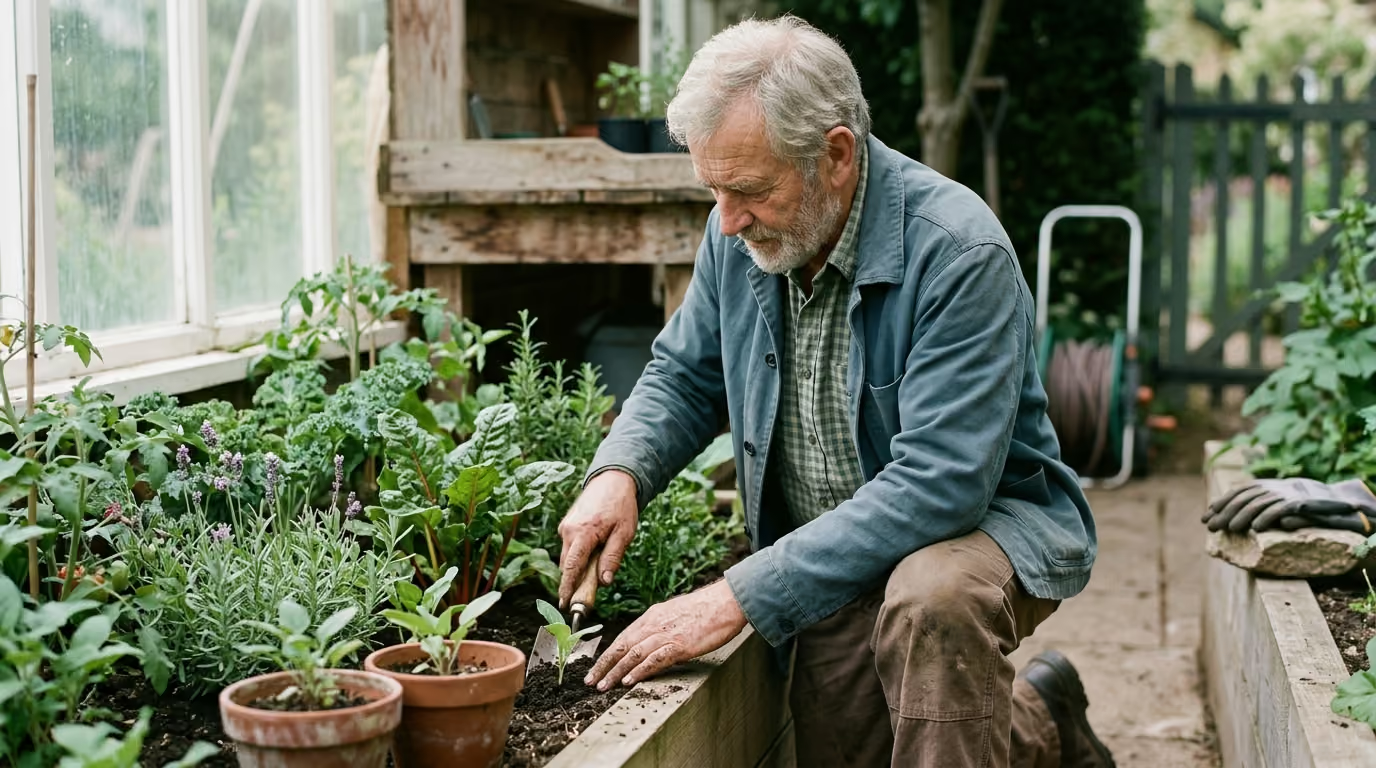

Gardening is often viewed as simple leisure, but purposeful planting actively stimulates cognitive function, physical mobility, and memory resilience after sixty.





You step onto the back patio on a quiet Tuesday morning with a pair of shears and a small watering can. You check the soil in three ceramic containers, snip dried leaves from a tomato plant, and take in the scent of fresh rosemary. Without thinking about a workout schedule, you have bent your knees, balanced on uneven ground, planned a watering sequence, and spent thirty minutes in natural daylight.
Many adults over 60 look for sustainable ways to stay active, sharp, and connected to daily routines. While commercial programs often promote complex mental drills, working with soil and plants offers a grounded form of daily engagement. Gardening connects physical effort with sensory input, forward planning, and time outdoors.
This guide examines what the scientific literature reveals about gardening, brain aging, and functional independence. It separates documented physical and emotional benefits from exaggerated claims about dementia prevention. You will find clear strategies to adapt your garden setup for joint comfort, balance support, and sustained mental engagement.
Brain health is not a single score on a test. It includes memory, executive planning, emotional balance, physical mobility, and social connection. Gardening functions as a vehicle that links these domains together through purposeful activity.
When you care for living plants, you make continuous choices. You decide when to feed a plant, where to position a container for sunlight, and how to manage pests. These tasks rely on executive function, which is the mental skill set used for organizing, sequencing, and solving everyday problems. Working toward a tangible outcome gives the brain practical problems to solve within a real-world setting.
Gardening also provides rich sensory input. Your nervous system processes the visual contrast of green foliage, the texture of damp compost, the scent of crushed herbs, and outdoor sounds. This varied stimulation activates multiple brain networks simultaneously. Processing these sensory inputs helps you maintain awareness of your body in space.
Physical movement during yard work directly supports vascular health. The brain requires steady blood flow to deliver oxygen and nutrients. Digging, carrying pots, and walking between garden beds require muscular effort and cardiovascular support. When you replace sedentary sitting time with purposeful movement, you support your heart and blood vessels.
Engaging with lifestyle and brain resilience habits creates positive feedback loops. Regular activity outdoors supports daytime alertness and healthy sleep cycles. Better sleep helps clear metabolic waste from the brain and supports memory consolidation. When gardening helps you unwind, it lowers chronic stress hormones that can impair focus over time.
Scientific research treats gardening as an active-living practice with broad health benefits. Researchers distinguish between casual home gardening, structured horticultural therapy led by trained professionals, and passive exposure to neighborhood green spaces. These distinct categories show varying levels of evidence.
A large 2024 study of adults in the United States found a significant association between gardening and better cognitive performance. The researchers noted that this relationship was partly explained by lower depression rates and higher daily energy expenditure. Because the study gathered data at a single point in time, it shows an association rather than direct proof of cause and effect. People who already possess better physical stamina and sharper recall may simply choose to garden more often.
In therapeutic settings, structured plant activities show positive outcomes for mood and behavior. Meta-analyses of randomized controlled trials involving older adults with dementia indicate that horticultural therapy can improve quality of life, reduce depressive symptoms, and lower agitation. Systematic reviews also document measurable improvements in general physical function and emotional well-being among older adults participating in garden programs.
Evidence regarding direct, permanent improvements in memory tests remains mixed. While some studies report modest gains in cognitive screening scores after horticultural programs, researchers frequently point out that sample sizes are small and study designs vary. The strongest evidence supports gains in emotional health, functional movement, and daily engagement rather than the reversal of underlying brain pathology.
Studies looking at residential green space and long-term dementia risk also present nuanced results. Some large cohort analyses observe lower rates of cognitive decline in neighborhoods with abundant tree canopy and parks. Broader meta-analyses find that satellite-measured greenness does not automatically guarantee reduced dementia risk across all populations. Access to green surroundings serves as a supportive backdrop for an active life, but personal lifestyle choices remain central.
Research supports gardening as a valuable way to accumulate physical movement, lift mood, and practice daily planning. It works best alongside established healthy habits like balanced nutrition, quality sleep, and regular medical care.
To build a balanced routine, divide your garden activities into five manageable components. Distributing these tasks across the week prevents physical exhaustion while keeping your mind engaged with varied challenges.
Gardening tasks should spread physical effort across major muscle groups without causing joint strain. Walking along pathways, standing up from a garden bench, and carrying lightweight supplies build functional endurance.
Aim to treat your time in the garden as an accumulation of natural motion. Break tasks into ten or fifteen minute blocks. Alternate between standing jobs like pruning and seated tasks like filling small seed trays. This pacing keeps your muscles working without causing excessive fatigue.
Mental engagement increases when you organize your garden by season. Selecting which seeds to sow, calculating germination timelines, and mapping plot layouts exercise your working memory.
Use a simple notebook or a wall calendar to track when you water, fertilize, or repot specific plants. Designing a planting schedule encourages you to look ahead and solve practical problems. Tracking your progress creates a satisfying sense of structure throughout the week.
Deliberately select plants that engage all your senses. Grow aromatic herbs such as mint, basil, lavender, and sage near seating areas where you can brush their leaves.
Include plants with contrasting foliage textures, such as woolly lamb's ear alongside glossy citrus leaves. Listening to the breeze through ornamental grasses or watching pollinators visit flowering perennials provides restorative mental downtime. This gentle focus helps calm an overactive mind.
Spending time in outdoor light helps set your internal circadian clock. Morning light exposure supports nighttime melatonin production, helping you fall asleep more easily.
Plan outdoor garden sessions during mild morning hours. You will receive the neurological benefits of natural daylight while avoiding peak midday heat. Be mindful of seasonal weather changes and shift indoors when outdoor conditions become hazardous.
Gardening provides natural conversation starters across all generations. Sharing extra seedlings, swapping gardening advice with neighbors, or donating surplus produce builds meaningful community ties.
Regular social participation protects against the isolation that can accompany retirement. Joining a local garden club or participating in a community plot gives you shared goals and regular opportunities to interact with others. These connections support cognitive resilience as you age.
You do not need acres of land to gain the cognitive and physical benefits of plant care. Choosing a layout that matches your mobility, joint comfort, and living space ensures that your gardening practice remains enjoyable for years.
Indoor gardening is an ideal option if you have limited endurance, severe joint pain, or balance concerns. Caring for houseplants, microgreens, or windowsill herbs provides regular cognitive stimulation without trip hazards or extreme weather.
Container setups bring outdoor gardening to accessible paved surfaces. Pots placed on porches, balconies, or patios minimize contact with uneven turf and eliminate the need for heavy ground digging.
Raised garden beds bring the planting surface up to a comfortable working level. They allow you to stand upright or sit on the edge while working with soil, protecting your lower back and knees.
Community gardens offer shared infrastructure and rich social environments. They allow you to participate in larger growing projects while sharing maintenance responsibilities with other members.
Managing a traditional yard provides substantial physical movement, including walking across variable terrain and managing diverse plants. It also demands the highest level of physical stamina, balance control, and fall awareness.
Physical limitations should not keep you from enjoying plants. Simple ergonomic adjustments reduce joint strain, protect your spine, and lower fall risks while keeping your brain actively engaged. You can learn more about these strategies in our guide to memory and focus through daily routines.
Repetitive gripping can aggravate finger and wrist joints. Selecting tools designed for joint protection helps you prune, dig, and plant with greater comfort.
Maintaining a steady base of support is vital when working outdoors. Uneven soil, wet paving, and cluttered walkways introduce fall risks that can lead to serious injury.
Deep bending and prolonged kneeling place high mechanical loads on the lumbar spine and knee joints. Ergonomic positioning allows you to garden longer with less post-activity soreness.
Age-related vision changes make it harder to spot small weeds, read seed packets, or distinguish path edges in bright sunlight. Environmental adjustments keep your garden easy to navigate.
Public discussions about brain health frequently oversimplify scientific findings. Clarifying these common misconceptions helps you set realistic expectations for your gardening routine.
No single activity guarantees immunity from cognitive decline or dementia. While observational studies link active lifestyles with better cognitive health, they do not show that gardening alone prevents neurological disease.
Gardening is best understood as one helpful component of a broader lifestyle. It works alongside cardiovascular health management, balanced nutrition, regular hearing checks, and quality sleep. Viewing it as part of an overall healthy routine provides a grounded, evidence-informed perspective.
Potting a single plant or watering window boxes uses mental focus and light movement. However, low-intensity tasks do not raise your heart rate or breathing enough to meet standard aerobic activity guidelines.
Health organizations recommend at least 150 minutes of moderate-intensity aerobic exercise each week for adults over 65. If your garden work consists mostly of seated or slow-paced tasks, supplement it with brisk walking or cycling. Combining garden routines with purposeful aerobic movement gives you full cardiovascular and cognitive benefits.
Pushing through pain or exhaustion to finish a garden bed can cause overuse injuries, dehydration, or heat-related illness. As we age, our bodies become less efficient at regulating core temperature and sensing thirst.
Spending hours doing heavy yard work in the heat can lead to dizziness, fatigue, and dangerous falls. Working in short, focused sessions of twenty to thirty minutes preserves your physical energy and keeps your mind clear. Pacing yourself ensures that gardening remains a refreshing habit rather than a physical drain.
Simply renting a plot in a community garden does not guarantee social connection. Some community gardens lack organized activities, while others have physical barriers that make participation difficult.
Building social connection requires choosing a space with welcoming members, accessible seating, and shared projects. If a community plot feels overwhelming, you can connect socially by swapping plants with a neighbor or joining an online plant group. Focus on social interactions that feel comfortable and sustainable for your personality.
To see how these principles work in everyday life, review these practical examples. Each model shows how to tailor gardening to specific living spaces and physical needs.
A 68-year-old adult living in a suburban home wants to grow vegetables but notices morning knee stiffness.
A 76-year-old adult wants to remain active outdoors but experiences occasional unsteadiness when walking over uneven lawns.
An adult experiencing early changes in short-term recall wants to continue a lifelong passion for growing tomatoes.
An 82-year-old adult living in an apartment has limited mobility and spends most of the day indoors.
A brain-healthy habit must be safe and sustainable over the long term. Taking clear safety precautions protects your physical well-being while you enjoy your garden.
Older adults are more vulnerable to heat stress because our bodies adjust to temperature changes more slowly. Certain medications for blood pressure and heart health can also alter fluid balance and sun sensitivity.
Potting mixes, composts, and garden chemicals require careful handling to avoid respiratory irritation or skin infections.
Instead of worrying about formal cognitive scores, track how your garden routine supports your daily life. Focus on functional habits, physical comfort, and personal enjoyment.
You can learn more about building sustainable daily routines in our section on cognitive health protection.
Before starting a new physical routine or making changes to your yard work, discuss your plans with your healthcare provider. Here are practical questions to guide your conversation:
Review this guide at the start of each growing season, whenever your physical mobility or living arrangements change, or if you notice new joint stiffness or balance issues while working outside.
Gardening remains one of the most adaptable, rewarding ways to stay physically active, mentally curious, and connected to the rhythms of the natural world throughout your life.

Follow FitBrainLab for research-led insights on memory, focus, brain aging, nutrition and mental fitness after 60. Stay connected for new articles, practical guidance and ideas for a sharper, more engaged life.


Build habits that support memory, focus and a curious, connected life.
Read the Blog