
Stronger cognitive support and balanced nutrition after sixty come from understanding clinical berry research, nutrient profiles, and easy everyday meal combinations.





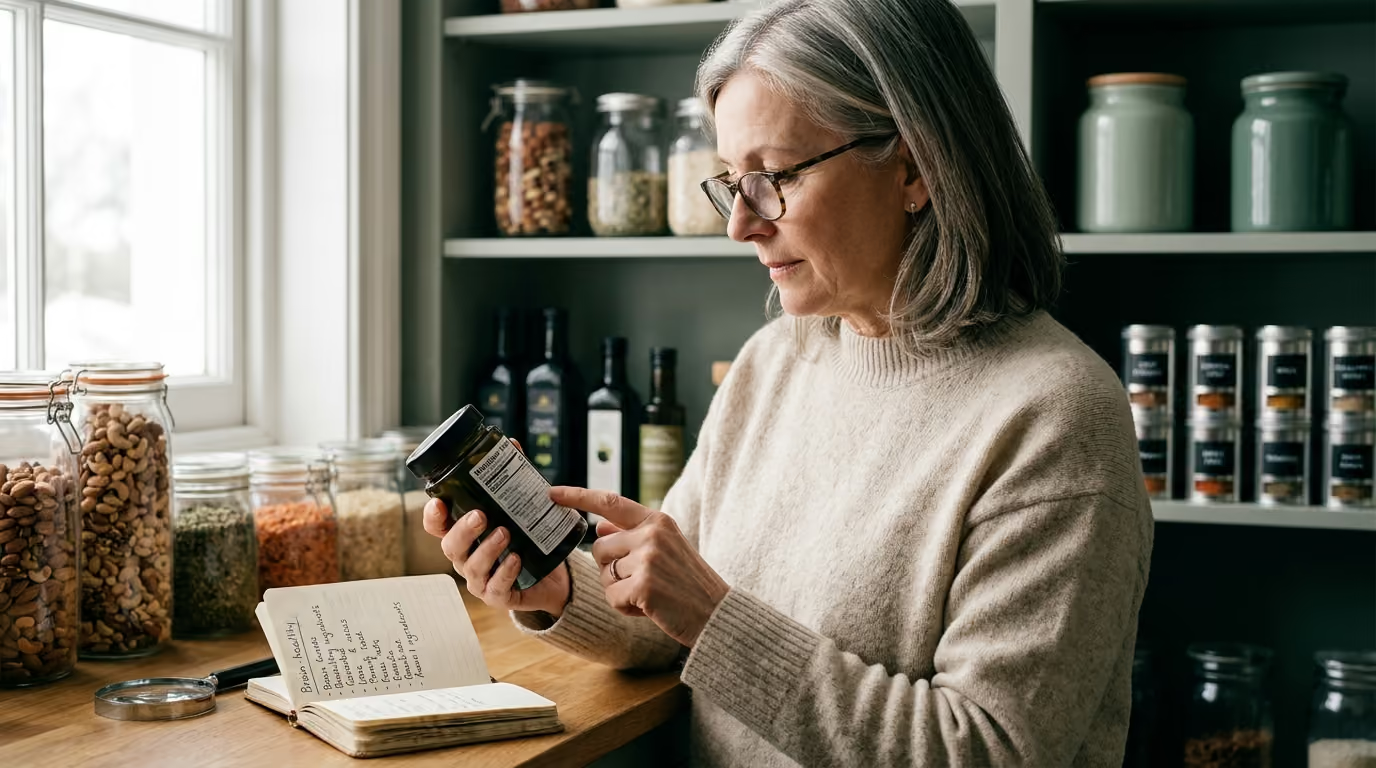
You stand in the grocery store produce aisle, looking at pints of blueberries, blackberries, and strawberries. Colorful signs and magazine covers claim these small fruits can shield your memory, sharpen your focus, and protect your brain from aging. You want clear, reliable answers rather than marketing hype.
Nutrition plays a meaningful role in long-term wellness. Exploring research on nutrition and brain health helps separate marketing claims from clinical evidence. Berries are nutrient-dense foods that fit naturally into an active lifestyle, yet understanding what science truly demonstrates keeps your expectations grounded and practical.
The primary reason berries attract scientific interest involves their natural pigments. Deep red, blue, and purple fruits contain bioactive compounds called anthocyanins. Anthocyanins belong to a wider family of plant nutrients known as polyphenols.
These compounds are not vitamins, minerals, or medical drugs. When you eat berries, your digestive system breaks down polyphenols into smaller metabolic fragments. These fragments enter the bloodstream and interact with blood vessel linings throughout the body.
Healthy blood vessels help maintain steady cerebral blood flow. Your brain requires a continuous supply of oxygen and glucose to power complex mental tasks. By supporting normal vascular flexibility, polyphenols help blood move efficiently through small vessels in the brain.
Scientists also study how these compounds cross the protective blood-brain barrier. In laboratory models, polyphenols appear to interact with cellular signaling pathways that manage oxidative stress and cellular waste removal. Translating these cellular mechanisms into predictable human memory improvements requires careful examination of clinical trials.
Evaluating nutrition research requires looking at multiple levels of evidence. Scientists study isolated compounds in test tubes, observe dietary habits in large populations, and conduct randomized controlled trials using real food or standardized extracts. Each method provides different pieces of information.
The National Institute on Aging states that no specific food has been proven to prevent Alzheimer's disease or age-related cognitive decline. No single vitamin or supplement is recommended for preventing dementia. Nutrition works as part of an overall lifestyle pattern rather than an isolated cure.
A systematic review examining older adults with normal cognition and mild cognitive impairment found that berry foods and supplements supported resting brain blood flow, memory, and executive function. The trials in that review primarily evaluated fresh berries, frozen fruit, and unsweetened beverages. The study designs varied in fruit types, daily doses, study length, and testing methods.
Another systematic review evaluated berry consumption among cognitively healthy adults. Researchers observed positive signals across attention, memory, and processing speed. They noted that results were inconsistent across different testing methodologies, making broad generalizations difficult.
A wider systematic review and meta-analysis examined chronic consumption of various fruits, fruit powders, and juices. The pooled data showed no significant overall improvement in cognitive outcomes like memory and executive function. Berries showed the greatest biological potential among the fruits studied, yet the collected evidence did not confirm a universal protective effect from fruit powders or juices.
Research focusing specifically on anthocyanins shows similar nuance. A 2021 review identified 49 randomized controlled trials examining anthocyanins in relation to cognitive performance, vascular function, and metabolic markers. A 2024 systematic review noted positive trends for verbal memory and working memory, supported by imaging studies showing localized blood flow increases during mental tasks. Blood pressure and vascular markers varied widely across those same trials.
A 2023 meta-analysis of 13 randomized trials found a statistically significant improvement in processing speed among older adults taking anthocyanin-rich supplements. The same analysis found no significant differences in memory, attention, executive function, or motor performance. A 2025 meta-analysis of 14 studies found potential mood and cognitive associations, yet pooled calculations revealed no statistically significant effects on working memory, immediate memory, delayed memory, or verbal learning.
Blueberry-specific trials reflect this balanced picture. A 2019 review of blueberry interventions noted improvements in spatial, short-term, and long-term memory across eight studies, but found little consistent change in mood. A 2025 meta-analysis of nine randomized controlled trials involving 513 older adults with mild cognitive impairment or subjective memory complaints showed a statistically significant improvement in episodic memory. The same analysis found no significant changes in working memory or processing speed, leading researchers to call for larger multicenter trials.
These findings show that fruit compounds produce measurable physiological signals without offering guaranteed cognitive outcomes. Learning more about cognitive health and protection involves looking at whole-body health rather than relying on single ingredients.
Scientific studies evaluate specific mental skills rather than general brain power. Knowing these distinctions helps you interpret research findings realistically. A food that shows a minor benefit in one domain may show no effect in others.
Episodic memory refers to your ability to recall specific personal events or recently learned lists. An example includes remembering what you ate for breakfast or recalling a list of words after a short delay. Several blueberry trials report modest positive findings in this specific domain.
Working memory involves temporarily holding and manipulating information in your mind. Calculating a tip mentally or following multi-step driving directions relies on working memory. Current meta-analyses show mixed and non-significant results for berry interventions in working memory.
Verbal learning measures how well you acquire, organize, and retrieve spoken or written language. Standardized tests present word pairs or paragraphs over repeated trials. Anthocyanin studies have shown isolated positive findings for verbal recall, but pooled data across multiple trials show high variability.
Executive function encompasses high-level planning, mental flexibility, and impulse management. It helps you shift between tasks, organize daily routines, and solve novel problems. Berry studies have produced conflicting results for executive function, with some trials showing improvements and others showing no measurable change.
Processing speed measures how rapidly you can perceive information, make a decision, and execute a response. A 2023 meta-analysis found measurable improvements in processing speed following anthocyanin supplementation in older adults. Maintaining processing speed supports everyday independence, driving confidence, and conversational fluency.
Attention reflects your capacity to sustain focus on a single task while ignoring distractions. Studies looking at berry intake and sustained attention show occasional benefits during prolonged mental effort, yet evidence remains early.
Brain perfusion measures blood volume and flow rates in specific brain regions using functional imaging techniques. Some clinical trials report increased perfusion in areas dedicated to memory retrieval following berry consumption. These imaging changes provide interesting biological insights, but they do not automatically prove long-term protection against cognitive decline.
Berries deliver their greatest value when integrated into comprehensive dietary patterns. Decades of nutritional research indicate that overall eating habits exert far more influence on brain aging than any individual food item.
The MIND diet combines elements of the Mediterranean and DASH diets to support cognitive longevity. This pattern emphasizes green leafy vegetables, other vegetables, berries, whole grains, beans, nuts, olive oil, and weekly fish consumption. It encourages limiting red meat, commercial sweets, hard cheese, butter, margarine, and fried foods.
The National Institute on Aging notes that observational studies following more than 900 dementia-free older adults linked close MIND diet adherence to slower cognitive decline. Clinical trial findings present a balanced picture. One randomized trial noted that small cognitive improvements from the MIND diet were comparable to those achieved through mild caloric restriction alone.
A subsequent NIA summary noted that participants with the highest MIND diet adherence showed a 4% lower risk of cognitive impairment compared to those with the lowest adherence. Female participants showed an 8% lower risk of cognitive decline, while male participants showed no measurable difference. These variations demonstrate why individual responses to dietary changes can differ based on sex, genetics, and baseline lifestyle.
The Mediterranean and DASH patterns provide similar vascular foundations. The DASH diet focuses on mineral balance and sodium reduction to support blood pressure regulation. Maintaining healthy blood pressure helps protect small cerebral vessels from chronic damage, lowering long-term risks for vascular-related memory challenges.
Berries fit easily into all three of these patterns. They provide a flavorful way to consume plant nutrients without adding refined sugars or saturated fats. You can review our detailed guides on brain aging and neuroplasticity to see how broader physical habits support your daily mental clarity.
Berries provide distinct combinations of vitamins, minerals, fiber, and polyphenolic pigments. Understanding these profiles allows you to choose fruits based on personal taste, cost, and nutritional goals.
Blueberries contain anthocyanins, vitamin K, manganese, and modest amounts of vitamin C. Their balance of sweetness and gentle acidity makes them versatile for breakfast dishes and snacks. Standard cultivated blueberries offer steady nutrition, while smaller wild varieties provide higher skin-to-flesh ratios that concentrate color compounds.
Strawberries provide high concentrations of vitamin C along with folate and potassium. Vitamin C supports normal immune function, collagen formation, and cellular defense systems. Strawberries also contain unique polyphenols called ellagitannins alongside their red anthocyanin pigments.
Blackberries offer exceptional amounts of dietary fiber alongside vitamins C and K. Fiber supports healthy digestion, steady glucose absorption, and a diverse gut microbiome. The deep purple-black hue of blackberries reflects a dense concentration of complex anthocyanin compounds.
Raspberries provide high dietary fiber levels and significant amounts of manganese and vitamin C. Their delicate structure contains hollow cavities that make them soft and easy to chew. Red raspberries contain specific polyphenols, while black raspberries offer even denser pigment concentrations.
Cranberries are rich in unique proanthocyanidins that support urinary tract health and vascular function. Because fresh cranberries are extremely tart, commercial cranberry products often contain heavy amounts of added sugar. Selecting unsweetened 100% cranberry juice diluted in water or choosing fresh whole cranberries allows you to enjoy their nutrients without unnecessary sweeteners.
Dark cherries and plums share similar deep pigments and nutritional characteristics with berries. Cherries contain anthocyanins, potassium, and vitamin C that support metabolic health. These stone fruits serve as practical, seasonal additions to a polyphenol-rich grocery basket.
How a fruit is processed, stored, and prepared affects its nutritional density, shelf life, and convenience. Evaluating these differences helps you make sensible shopping decisions.
Fresh whole berries offer pleasant textures and vibrant flavors when purchased in season. They require minimal kitchen preparation and work well in cold salads or fresh snacks. Their main limitations include a short shelf life, seasonal price increases, and rapid spoilage that leads to household food waste.
Frozen berries are harvested at peak ripeness and frozen rapidly to preserve structural integrity and nutrients. They remain available year-round at steady, economical prices. Frozen options are exceptionally useful for older adults who want to minimize frequent grocery trips or reduce kitchen knife work.
The United States Department of Agriculture MyPlate guidelines classify frozen, fresh, canned, and dried fruit within the same core fruit group. MyPlate specifically recommends frozen and ready-to-eat fruit for older adults who experience hand fatigue or joint stiffness. Thawing frozen berries softens their texture, making them ideal for stirring into warm grains or blending with dairy.
Dried berries offer concentrated flavor and long shelf stability. Dehydration removes water, which condenses natural sugars and calories into a smaller volume. A small handful of dried fruit provides significant energy, so monitoring portion sizes is helpful if you manage your blood glucose.
Pure 100% fruit juices provide vitamins and some water-soluble polyphenols while removing almost all dietary fiber. Drinking juice leads to faster carbohydrate absorption compared to chewing intact whole fruit. Whole berries promote better satiety and slower digestive transit times than liquid juices.
Sweetened juice drinks, fruit cocktails, and berry-flavored pastries offer minimal genuine fruit content. These commercial items often contain added high-fructose corn syrup, refined flours, and saturated fats. Consuming ultra-processed berry snacks does not replicate the health properties observed in whole-fruit clinical trials.
Berry powders, concentrated extracts, and dietary supplements are sold widely in pharmacies and online stores. Research comparing isolated supplements to whole foods shows inconsistent outcomes. Whole berries provide a complex matrix of water, fiber, organic acids, and micronutrients that work together during digestion.
Adding berries to your daily routine does not require complicated recipes or expensive specialty products. The goal is replacing refined snacks and sugary desserts with nutrient-dense whole fruit.
MyPlate recommends roughly 1.5 to 2 cups of fruit per day for women over 60, and approximately 2 cups daily for men. Berries can supply a portion of this general fruit target alongside apples, citrus, and other seasonal produce.
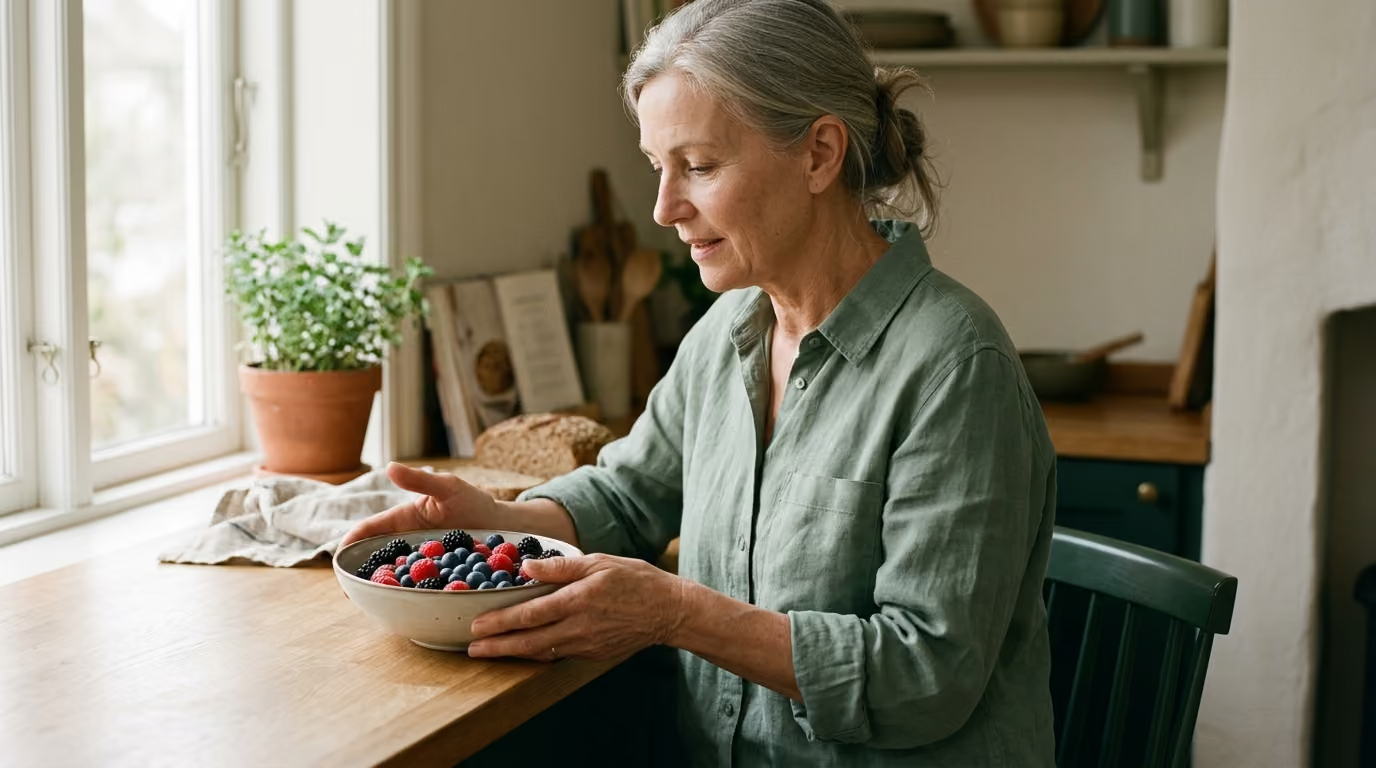
Stir a half-cup of thawed frozen blueberries or fresh raspberries directly into warm oatmeal. Add a tablespoon of chopped walnuts or ground flaxseeds to provide healthy unsaturated fats. The warm cereal naturally thaws the fruit, creating a rich purple bowl without added brown sugar.
Layer unsweetened plain Greek yogurt with fresh sliced strawberries and a sprinkle of toasted sunflower seeds. Greek yogurt provides high-quality protein that supports muscle maintenance after 60. The natural sweetness of the strawberries balances the tangy flavor of the fermented dairy.
Whisk eggs or egg whites with fresh herbs for a savory scramble, serving a small cup of mixed blackberries on the side. Pairing whole fruit with protein-rich foods creates a balanced meal that maintains steady morning energy.
Toss a handful of fresh blueberries or sliced strawberries into a bowl of dark leafy greens, such as baby spinach or arugula. Add sliced cucumbers, walnuts, and grilled chicken breast or chickpeas. Dress the salad with extra-virgin olive oil and lemon juice to complement the subtle fruit sweetness.
Simmer fresh or frozen cranberries with a splash of orange juice and grated ginger to create a tart relish. Serve this homemade fruit compote alongside roasted poultry, pork tenderloin, or baked tofu. This preparation provides deep color compounds while skipping heavy commercial gravies.
Fold fresh raspberries into a whole-grain quinoa or wild rice side dish seasoned with chopped parsley and toasted almonds. The delicate acidity of the berries brightens the earthy grains and adds color to your dinner plate.
Blend a half-cup of frozen mixed berries with plain kefir or unsweetened soy milk for an afternoon refreshment. Kefir supplies beneficial probiotic cultures that support digestive efficiency. This blended drink offers dietary fiber, calcium, and plant polyphenols in a smooth, drinkable consistency.
Combine a small handful of unsweetened dried tart cherries with raw almonds or pumpkin seeds for a portable trail mix. Keep portion sizes to roughly one-quarter cup to balance calorie density while enjoying a satisfying crunch.
Top a bowl of low-fat cottage cheese with thawed blackberries and a light dusting of ground cinnamon. Cottage cheese supplies slow-digesting casein protein, making this pairing an effective evening snack that prevents late-night hunger.
Health headlines frequently simplify complex nutritional science into exaggerated promises. Examining these common myths helps you maintain a calm, evidence-based approach to your daily diet.
A widespread myth claims that eating blueberries will actively prevent Alzheimer's disease. As emphasized by the National Institute on Aging, no specific food, nutrient, or dietary supplement has been demonstrated to stop or reverse neurodegenerative conditions. Berries support everyday vascular and physical wellness, but they are not medical interventions for dementia.
Another misconception assumes that laboratory antioxidant scores predict direct human brain benefits. Chemical tests performed in test tubes do not reflect the complex ways human intestines, liver enzymes, and cellular barriers process dietary polyphenols. Human clinical outcomes require verification through controlled clinical trials rather than chemical test-tube rankings.
Some consumers believe that concentrated berry supplements are superior to eating whole fresh or frozen fruit. Research shows that high-dose extracts do not reliably outperform whole foods in clinical settings. Whole fruit delivers balanced hydration, dietary fiber, and natural micronutrients that supplements lack.
A related assumption suggests that drinking commercial berry juice confers the same benefits as eating intact berries. Fruit juices lack the structural fiber that moderates glucose absorption and promotes digestive fullness. Choosing whole or blended fruit preserves these functional structural benefits.
Many people believe that fresh organic berries are mandatory for brain health, making nutrition seem prohibitively expensive. Frozen conventional berries offer comparable nutrient values and equal anthocyanin concentrations at a fraction of the cost. Maintaining consistent fruit intake over years matters far more than purchasing expensive specialty fresh cartons.
Finally, some individuals believe that adopting a healthy diet will produce immediate, noticeable memory transformations within days. Dietary changes influence vascular health, inflammation, and cellular metabolism gradually over months and years. Consistency and overall lifestyle balance remain the true drivers of long-term cognitive vitality.
Examining realistic scenarios illustrates how older adults can address common everyday challenges related to fruit selection, storage, and preparation.
Consider an illustrative household model where an older adult lives alone and enjoys fresh berries, but frequently throws away moldy fruit before finishing the carton. This pattern leads to frustration and wasted grocery funds.
A practical solution involves buying a single small pint of fresh berries for immediate consumption over two days, while keeping two large bags of frozen mixed berries in the freezer. The frozen fruit is measured out daily for hot oatmeal or thawed in yogurt, eliminating spoilage while maintaining a steady intake of dietary polyphenols.
Consider an illustrative model of an individual with bridge work, dental sensitivity, or mild chewing difficulties who finds firm, seedy raw blackberries uncomfortable to eat.
A useful adjustment involves choosing soft fruits like ripe strawberries with seeds removed, or using frozen blueberries blended into smooth yogurt smoothies. Gently simmering berries on the stovetop into a warm, soft fruit compote provides full flavor and deep color without demanding heavy chewing effort.
Consider an illustrative model of an older adult monitoring type 2 diabetes who has been told to avoid all fruit due to sugar concerns.
Rather than eliminating fruit, the individual focuses on whole berries, which have higher fiber content and lower glycemic impacts than tropical fruits or fruit juices. By measuring half-cup servings and pairing the fruit with dietary protein, such as raw walnuts or plain Greek yogurt, the individual enjoys seasonal produce while supporting stable blood glucose readings.
Consider an illustrative model where an individual managing hand osteoarthritis finds washing, hulling, and chopping whole fresh strawberries tiring and painful.
The practical response centers on convenience. Purchasing pre-washed, ready-to-eat blueberries or utilizing bagged frozen fruit requires zero cutting and minimal hand strain. Thawing frozen fruit overnight in the refrigerator makes it soft, juicy, and immediately ready to spoon onto breakfast dishes.
Aging involves physiological changes, medication routines, and chronic health conditions that influence how you approach everyday nutrition. Reviewing our resources on lifestyle and brain resilience provides additional context on balancing diet with physical activity and sleep.
Some older adults experience swallowing difficulties following neurological events or advanced age. Intact small berries, loose seeds, or thin berry juices can present choking risks or aspiration hazards if swallowing reflexes are compromised.
When dysphagia is present, texture modifications must follow the precise instructions of a speech-language pathologist or physician. Berries can be pureed smoothly and thickened to appropriate nectar or honey consistencies using commercial food thickeners to ensure safe oral intake.
Certain berries, especially blueberries and blackberries, contain moderate amounts of vitamin K. Vitamin K plays an active role in normal blood clotting pathways.
Individuals taking blood-thinning medications, such as warfarin, must maintain steady, consistent dietary vitamin K levels from week to week. Sudden large spikes in vitamin K intake can interfere with medication efficacy. Discuss your typical fruit and vegetable consumption with your prescribing physician or clinical pharmacist.
Older adults managing chronic kidney disease often receive specific medical limits on dietary potassium, phosphorus, and total fluid intake. Many common berries contain moderate potassium levels compared to high-potassium fruits like bananas or oranges.
Individual kidney management plans vary depending on disease stage and lab results. Consult your nephrologist or renal dietitian to determine exact portion sizes for berries within your personalized meal structure.
Significantly increasing dietary fiber over a short period can lead to abdominal gas, bloating, or altered bowel habits. If your current diet contains minimal fresh produce, introduce berries gradually into your routine.
Drinking adequate water alongside higher fiber intake helps digestive transit remain smooth and comfortable. Paying attention to digestive tolerance ensures your dietary changes remain sustainable over the long term.
When caring for an individual living with moderate memory loss or dementia, mealtime complexity should be minimized. Complex eating routines or unfamiliar exotic ingredients can trigger mealtime agitation or food refusal.
Caregivers can offer small bowls of familiar, naturally sweet, bite-sized berries as finger foods during mid-morning or afternoon activities. Keeping healthy foods visible, accessible, and simple to handle encourages adequate caloric and micronutrient intake without creating mealtime stress.
Preparing clear questions for your primary care physician or registered dietitian helps you receive personalized medical advice.
Return to this guide whenever you plan your seasonal grocery budgets, reassess your breakfast routines, or encounter new sensational headlines claiming fruit can cure memory loss. Reviewing these balanced summaries helps keep your kitchen choices grounded in credible clinical science.
Enjoying a variety of whole, colorful fruits remains one of the simplest, most delicious ways to nourish your body and support lifelong cognitive vitality.

Follow FitBrainLab for research-led insights on memory, focus, brain aging, nutrition and mental fitness after 60. Stay connected for new articles, practical guidance and ideas for a sharper, more engaged life.


Build habits that support memory, focus and a curious, connected life.
Read the Blog