
Healthy aging prioritizes healthspan and functional independence rather than pursuing youth. Learn how daily habits and sensory care support cognitive longevity.





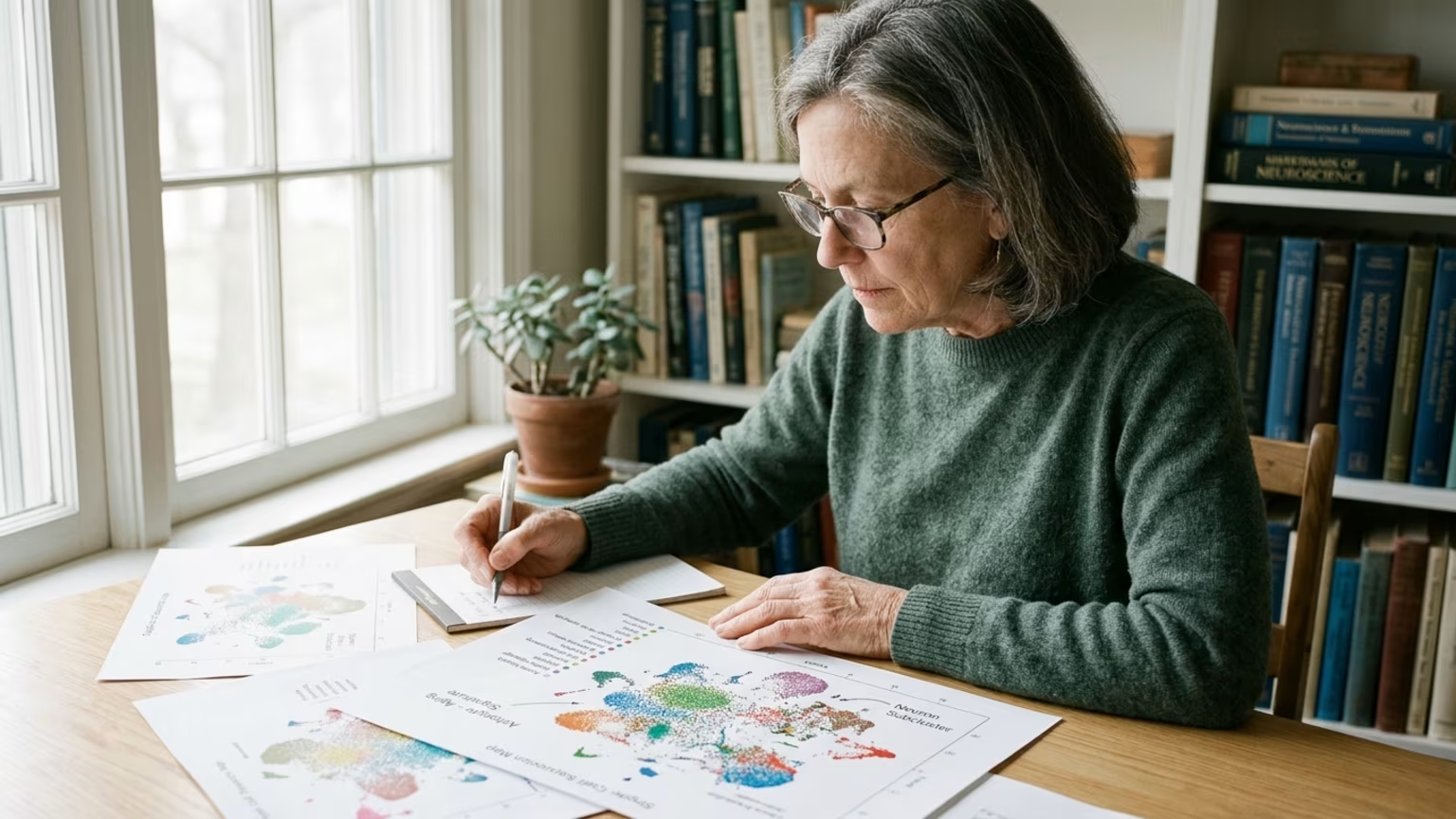
On September 23, 2026, researcher Olivia Maurice of Western Sydney University and the University of Sydney published an article in The Conversation. Her work outlines why healthy aging should prioritize independence and quality of life rather than attempts to stay young.
Maurice argues that aging should not be treated solely as a biological enemy to defeat. A much more practical and useful goal is healthspan. This approach focuses on maintaining physical health, cognition, independence and quality of life during later adulthood. It explicitly rejects the idea that getting older is nothing but a process of uniform decline.
The conversation around healthy aging is fundamentally changing. For decades, the media has portrayed later life as a problem to be solved with medical interventions. Maurice's work pushes back against this narrative by highlighting the profound value of lived experience. Acknowledging our changing capabilities is a normal part of adult development.
The article describes cognitive aging as a process of selective adaptation. Certain abilities do become less efficient as the years pass. These natural declines often include processing speed, working memory, episodic memory retrieval and some aspects of learning. However, the research shows that other vital functions can remain stable or even improve.
Many healthy older adults report greater emotional stability and improved self-regulation. They also demonstrate stronger perspective taking and an increased capacity for adaptability. People draw on their accumulated knowledge and experience to select better everyday strategies. This helps them compensate for tasks that might require faster processing speeds.
Metacognition is a particularly important resource in later life. This term refers to the ability to monitor, evaluate and regulate your own thinking. Strong metacognitive awareness helps older adults recognize their specific strengths and understand their limitations. This allows them to approach complex problems more efficiently.
The research highlights a psychological concept known as the positivity effect. This describes the tendency for older adults to attend to positive information more frequently than negative information. This shift in attention often supports greater life satisfaction. It represents an adaptive change in priorities rather than a loss of function.
Later life frequently involves a shift away from expansive, future-oriented goals. Instead, many older adults begin prioritizing their immediate well-being and their core relationships. They place a stronger focus on social connections that carry deep personal meaning. This natural transition supports emotional resilience and daily stability.
These observations align perfectly with how the World Health Organization views the aging process. The WHO healthy aging framework defines the primary objective as developing functional ability. The goal is enabling well-being in older age rather than simply extending total lifespan. This model focuses entirely on what people are actually capable of doing.
The WHO treats a person's intrinsic capacity as a multidimensional measurement. This capacity includes cognitive, psychological, locomotor, sensory and vitality-related abilities. A person's functional ability depends on the interaction between these intrinsic capacities and their surrounding environments. Reading more about brain aging and neuroplasticity can help clarify these interconnected health metrics.
These frameworks have clear practical implications for adults over sixty. People should treat brain health as a broad portfolio of habits and support systems. There is no single supplement or app that guarantees continued independence. The evidence spans movement, sensory care, social participation, sleep, learning and cardiovascular management.
The 2024 Lancet Commission identified fourteen potentially modifiable dementia risk factors. Their model includes physical inactivity, diabetes, smoking, high LDL cholesterol and hypertension. It also lists obesity, hearing loss, untreated vision loss and traumatic brain injury. Depression, excessive alcohol consumption, social isolation, air pollution and lower educational attainment complete the framework.
This multidomain approach recognizes that brain health is deeply connected to the rest of the body. You cannot separate cognitive function from cardiovascular fitness or sensory awareness. A well-rounded routine provides overlapping benefits that support total physical and mental resilience. Building these habits gradually is far more effective than seeking quick fixes.
Movement remains a cornerstone of maintaining functional ability. WHO-linked guidance provides specific benchmarks for physical activity. The guidelines recommend 150 to 300 minutes of moderate aerobic activity weekly. Alternatively, adults can aim for 75 to 150 minutes of vigorous activity alongside muscle strengthening exercises on at least two days.
Sensory care is another highly practical area of focus. Treating hearing changes helps people maintain communication, balance and active participation in society. The WHO specifically recommends hearing aids for adults with hearing loss. This intervention is part of their broader guidance for reducing the risk of cognitive decline.
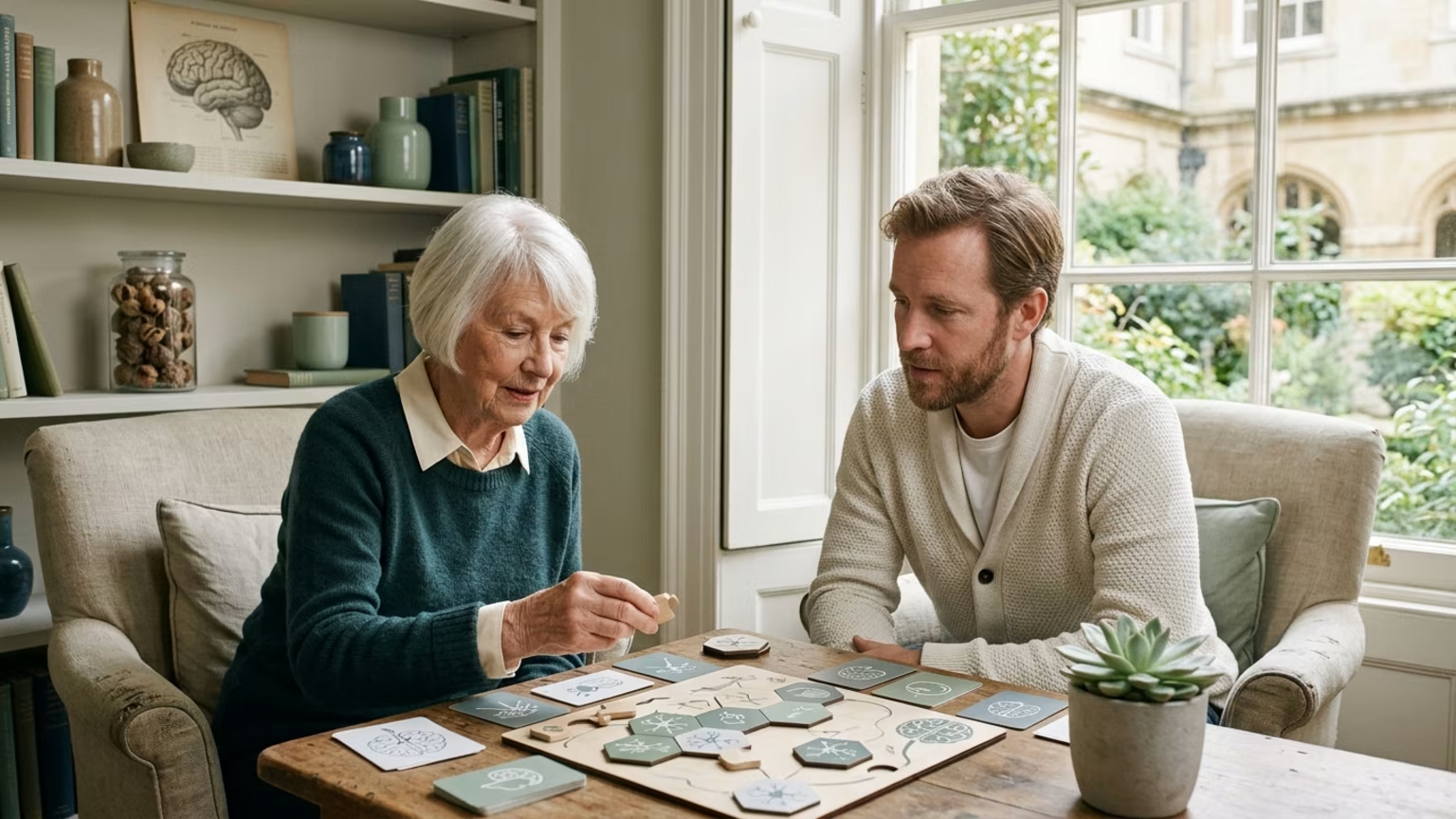
Lifelong learning also contributes to a meaningful healthspan. Adults should choose learning activities that are engaging and appropriately challenging. Maurice examined multilingual experience in her doctoral research on later life functioning. She found specific associations with working memory, executive function and self-regulating behavior.
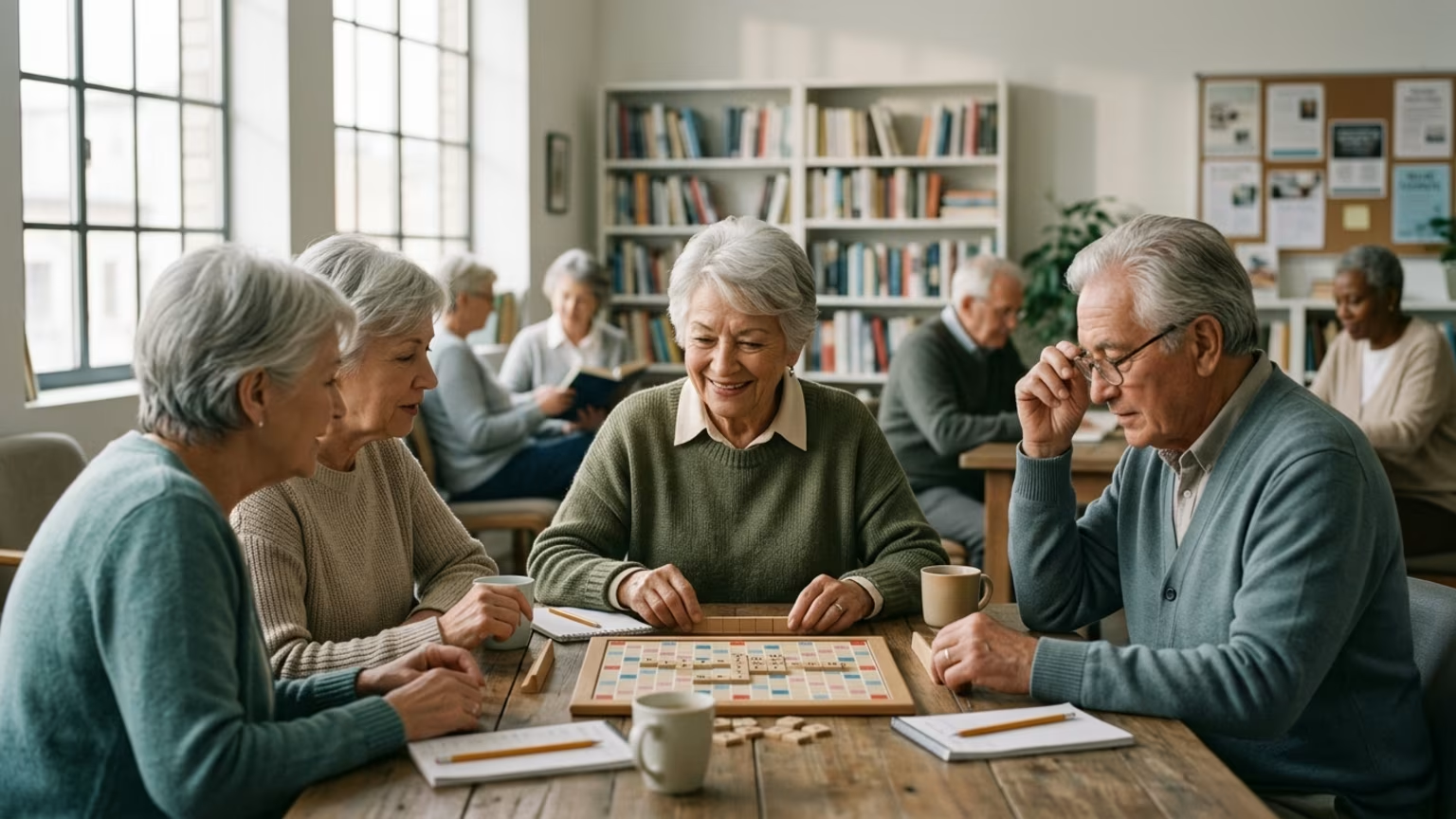
Social connection requires deliberate attention as people transition into retirement. Isolation is a recognized risk factor in the Lancet Commission model. Individuals can protect their social lives through clubs, volunteering, shared meals or faith communities. Building lifestyle and brain resilience often starts with keeping these daily networks active.
Monitoring cardiovascular and metabolic health is equally vital. Conditions like high blood pressure, diabetes and elevated cholesterol feature prominently in major dementia risk frameworks. Working with a doctor to manage these conditions supports overall brain function. It represents a practical step toward long-term independence.
While these strategies are helpful, the scientific evidence requires careful interpretation. The 2024 Lancet Commission estimated that addressing all fourteen risk factors could prevent or delay nearly 45 percent of global dementia cases. However, this is a population-level estimate. It is not a guarantee that any single individual can entirely prevent memory loss.
Maurice clearly states that the benefits of aging are not universal. Increased emotional stability or stronger self-regulation should never be used to minimize genuine medical problems. Cognitive changes that disrupt daily independence deserve professional clinical assessment. Using memory complaints as information rather than ignoring them supports proactive memory and focus management.
The primary article focuses substantially on normal aging processes. Maurice cautions that observations about healthy aging do not apply identically to people living with major neurological diseases. Adults facing serious untreated health conditions require specialized medical support rather than general lifestyle adjustments. Clear communication with a primary care doctor remains critical for navigating these specific challenges.
Certain health metrics also demand nuanced discussions. Sleep is critical for general health and is associated with cognitive risk. Yet WHO-related reporting notes there is insufficient evidence to conclude that sleep improvement interventions specifically reduce dementia risk. Anyone with persistent sleep issues should still consult a professional for their overall well-being.
Vision care involves a similar level of scientific caution. Untreated vision loss appears in the Lancet Commission risk factor model. However, the WHO has found insufficient evidence to recommend treating vision impairment specifically as a dementia prevention intervention. We should correct sensory issues to maintain independence rather than expecting a guaranteed cognitive cure.
The research on language learning also has specific limits. Maurice's work on multilingualism reported no universal cognitive advantage across adulthood. Engaging in challenging hobbies is valuable for maintaining an active routine. However, looking for dementia and cognitive protection in a single hobby oversimplifies the reality of aging.
We must move past the cultural obsession with staying permanently young. Healthy aging is about supporting functional independence and maintaining a high quality of life. Acknowledging that processing speed may decline allows us to focus on our strengths in strategy, experience and emotional regulation.
Protecting cognitive longevity requires a calm and balanced routine. Prioritizing physical activity, sensory health, social connection and cardiovascular care provides a sturdy foundation for the future. These habits will not stop the biological clock. They simply give older adults the best possible tools to remain engaged and capable throughout their later years.
Uncertainty about which everyday habits may support cognitive health can make planning for your later years needlessly complicated. FitBrainLab translates these multidomain aging frameworks into clear context. We help you prioritize sustainable healthspan strategies over unrealistic anti-aging promises, allowing you to confidently manage your long-term independence. Explore Resources

Follow FitBrainLab for research-led insights on memory, focus, brain aging, nutrition and mental fitness after 60. Stay connected for new articles, practical guidance and ideas for a sharper, more engaged life.




Build habits that support memory, focus and a curious, connected life.
Read the Blog