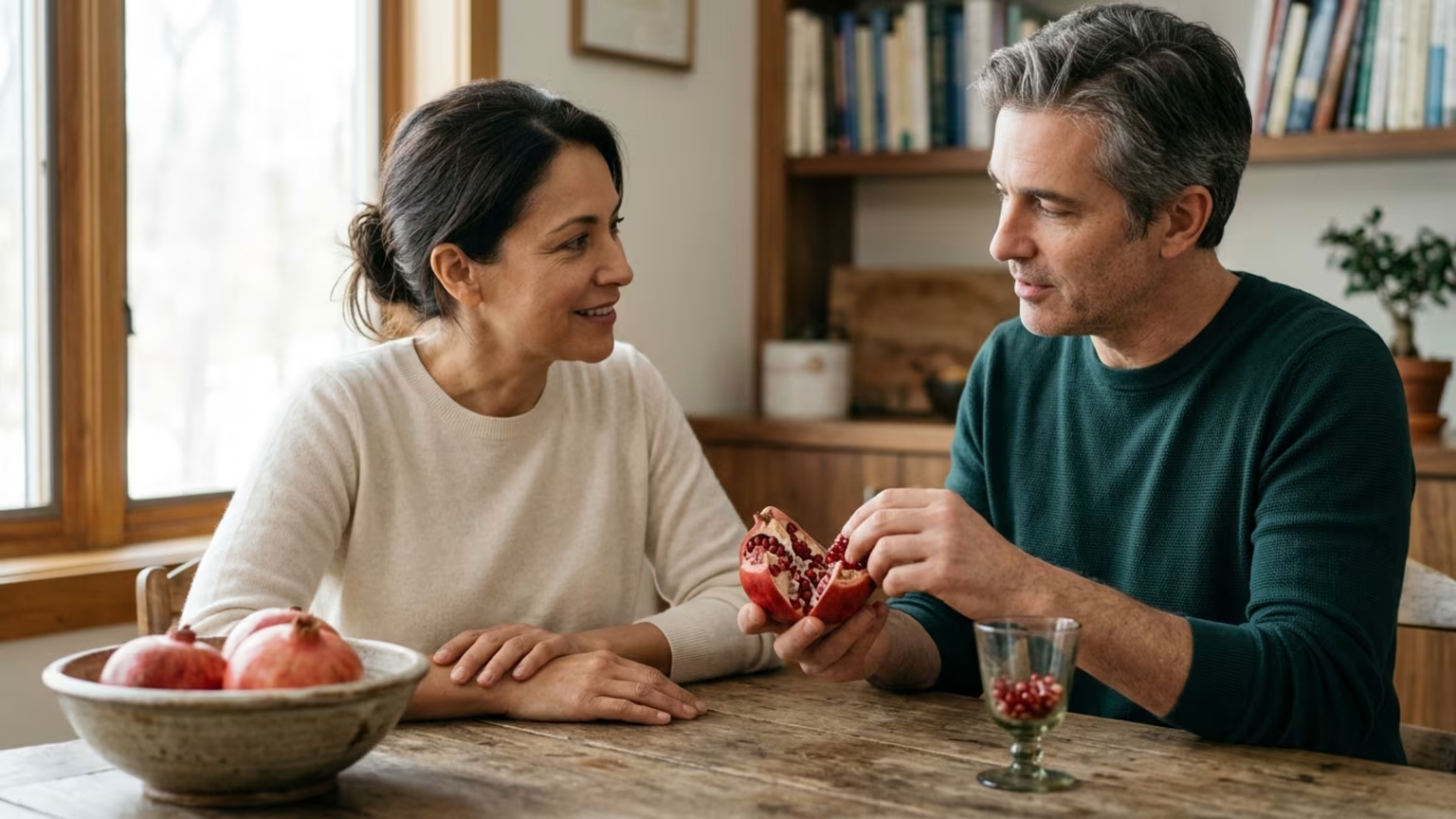

Neurologists suggest pomegranates may support vascular and cognitive health. Learn how to sensibly include this polyphenol-rich fruit in a balanced diet.





In a recent nutrition update published by the lifestyle magazine Parade, neurologists identified pomegranates as a promising dietary addition for midlife and later-life brain health. The article features guidance from medical professionals who point to the fruit's specialized plant compounds as potential support for cognitive and vascular function in older adults.
The recent media coverage centers on the biological properties of pomegranates and their possible benefits for the aging brain. Dr. Mill Etienne is a board-certified neurologist and professor of neurology at New York Medical College. He told the publication that adults over 50 should consider eating pomegranates far more often. He specifically highlighted the fruit for containing extraordinary levels of specialized polyphenols.
These plant compounds are heavily studied for their possible antioxidant and anti-inflammatory effects on the human body. Dr. Shae Datta is a neurologist at NYU Langone Hospital Long Island and co-director of the NYU Langone Concussion Center. She told Parade that flavonoids from plant foods may influence inflammation and mental processing. This observation aligns with ongoing scientific interest in how specific nutrients interact with brain tissue over time.
The scientific interest in polyphenols continues to grow as researchers study their impact on human aging. These compounds occur naturally in many colorful plants to protect them from environmental damage. When consumed by humans, they appear to offer similar protective benefits at a cellular level. This biological mechanism makes deeply colored fruits an ongoing subject of interest for medical professionals studying memory preservation.
Some clinical research provides preliminary data on these potential memory effects in older adults. One secondary report describes a small trial conducted by researchers at the University of California. The investigators studied healthy older adults who drank 237 milliliters of pomegranate juice daily for four weeks. These participants performed better on verbal and visual memory measures than a placebo group.
While this specific trial focused on juice consumption, nutrition experts frequently discuss the nutritional value of whole fruit as well. Pomegranate seeds offer valuable dietary fiber alongside their rich polyphenol content. The available research forms a reasonable foundation for including the fruit in a balanced diet for adults over 60.
The new neurological guidance offers a practical way for older adults to diversify their nutrient intake. Pomegranates can easily fit into established dietary patterns that prioritize long-term cognitive health. Nutrition experts increasingly recommend focusing on whole dietary habits rather than fixating on isolated ingredients. Evaluating how these foods support overall wellness is a primary part of nutrition and brain health.
The connection between heart health and brain function is firmly established in current medical literature. Medical experts note that several vascular risk factors are linked to premature cognitive decline and dementia. These overlapping medical risks include high blood pressure, tobacco use, physical inactivity and obesity. Managing your vascular health is a critical component of healthy brain aging.
A varied diet rich in polyphenols can be part of a broader strategy to maintain healthy blood vessels. Readers can rotate pomegranate with berries, citrus fruits and dark grapes for optimal nutritional benefits. This daily variety provides different types of flavonoids and antioxidants to support the circulatory system. Eating a wide range of deeply colored fruits helps support general cardiovascular wellness throughout midlife and retirement.
Brain-health nutrition is increasingly framed around comprehensive dietary models like the Mediterranean and MIND diets. These established approaches focus on eating more fruits, vegetables, legumes, whole grains, nuts and fish. They focus on sustained nutritional variety rather than searching for a single cure for cognitive decline. Making these broad dietary adjustments supports long-term lifestyle and brain resilience.
Transitioning into retirement often requires older adults to create new structures for their daily meals. Without the routine of a traditional workday, it can become easy to rely on convenient processed options. Taking the time to prepare fresh foods like pomegranate seeds can provide a rewarding sense of purpose. This simple habit helps older adults maintain an active role in protecting their own cognitive longevity.
Older adults can easily incorporate fresh pomegranate seeds into these evidence-based eating routines. The whole seeds work exceptionally well over morning porridge or plain yogurt. They can also add satisfying texture and flavor to leafy green salads and hearty grain dishes. This simple approach supports a balanced dietary pattern without requiring complex preparation or highly restrictive rules.
For those who find the seeds difficult to manage, unsweetened pomegranate juice offers an accessible alternative. A small daily glass provides a concentrated source of beneficial polyphenols and antioxidants. It is smart to monitor portion sizes when drinking any fruit juice to avoid excess sugar consumption. Making sustainable and measured choices is the foundation of healthy eating routines.
Media reports about brain-healthy foods often create unrealistic expectations among hopeful readers. It is highly necessary to evaluate these nutritional claims with a clear understanding of the scientific evidence. Pomegranates offer valuable nutrients, but they are not a standalone solution for memory loss or cognitive impairment. Finding objective information is necessary for protecting your memory and focus.
A four-week memory study provides interesting data on short-term cognitive performance in healthy adults. However, short-term improvements on verbal or visual memory tests do not prove long-term protection against Alzheimer’s disease. Small trials simply cannot definitively predict how a specific food will affect the brain over decades.
Mechanistic terms like antioxidant or neuroprotective describe proposed biological pathways rather than guaranteed clinical outcomes for patients. There is currently no definitive evidence that eating pomegranates independently prevents dementia or stops disease progression. Treating the fruit as an optional addition to a varied eating pattern is the most sensible and practical approach.
Safety is a primary consideration when adding any new concentrated foods to a daily routine. Pomegranates can interact with certain prescription medications taken by many older adults. The recent news coverage specifically mentions potential medical concerns involving blood thinners and cardiovascular therapies.
Secondary sources point to possible dangerous interactions involving warfarin and certain blood pressure medicines. These foods might alter how drug-metabolizing enzymes process specific prescriptions in the human body. The available evidence does not dictate that everyone taking anticoagulants must completely avoid pomegranates entirely. It does mean that patients should exercise extreme caution and seek professional medical advice before changing their diets.
Older adults often manage complex health profiles that require careful attention to dietary changes. It is quite common for individuals over 60 to take multiple prescriptions for their cardiovascular health. Introducing a new concentrated food source can disrupt the carefully balanced effects of these daily medications. This reality makes professional medical guidance an absolute necessity for anyone taking prescription drugs.
Readers should never change their prescribed medicines or start using concentrated pomegranate extracts independently. If you take multiple cardiovascular medications, ask a pharmacist or doctor before making pomegranate juice a daily habit. Clear communication with a licensed healthcare provider helps you avoid unintended side effects while pursuing better nutrition.
The long-term trajectory of cognitive health depends on comprehensive lifestyle management rather than single miracle foods. The recent focus on pomegranates highlights the genuine value of polyphenol-rich fruits for aging adults. They remain a smart dietary choice for individuals looking to support their vascular system and cognitive function over time.
Nutrition should always be viewed as one component of a much larger wellness picture for older adults. The most reliable medical approach integrates a diverse diet with other established health practices over many years. This long-term strategy includes regular physical activity, prioritizing sleep quality, and maintaining strong social connections. These combined habits work tightly together to create a robust protective buffer against cognitive decline.
Readers can confidently enjoy pomegranates as part of a varied and highly enjoyable eating pattern. By focusing on nutritional variety and managing vascular risk factors, older adults can take meaningful steps to support their mental clarity. Finding practical ways to incorporate these nutrient-dense foods can make daily meals both healthy and mentally rewarding.
Evaluating new clinical studies on polyphenol-rich fruits requires separating biological mechanisms from guaranteed medical outcomes. Confusion about what normal brain aging looks like can make adjusting daily dietary habits stressful for older adults. FitBrainLab translates complex evidence on nutrition and dementia risk into clear, practical guidance. Our calm editorial approach helps you separate established lifestyle habits from exaggerated health claims to support your cognitive longevity. Explore Resources

Follow FitBrainLab for research-led insights on memory, focus, brain aging, nutrition and mental fitness after 60. Stay connected for new articles, practical guidance and ideas for a sharper, more engaged life.






Build habits that support memory, focus and a curious, connected life.
Read the Blog