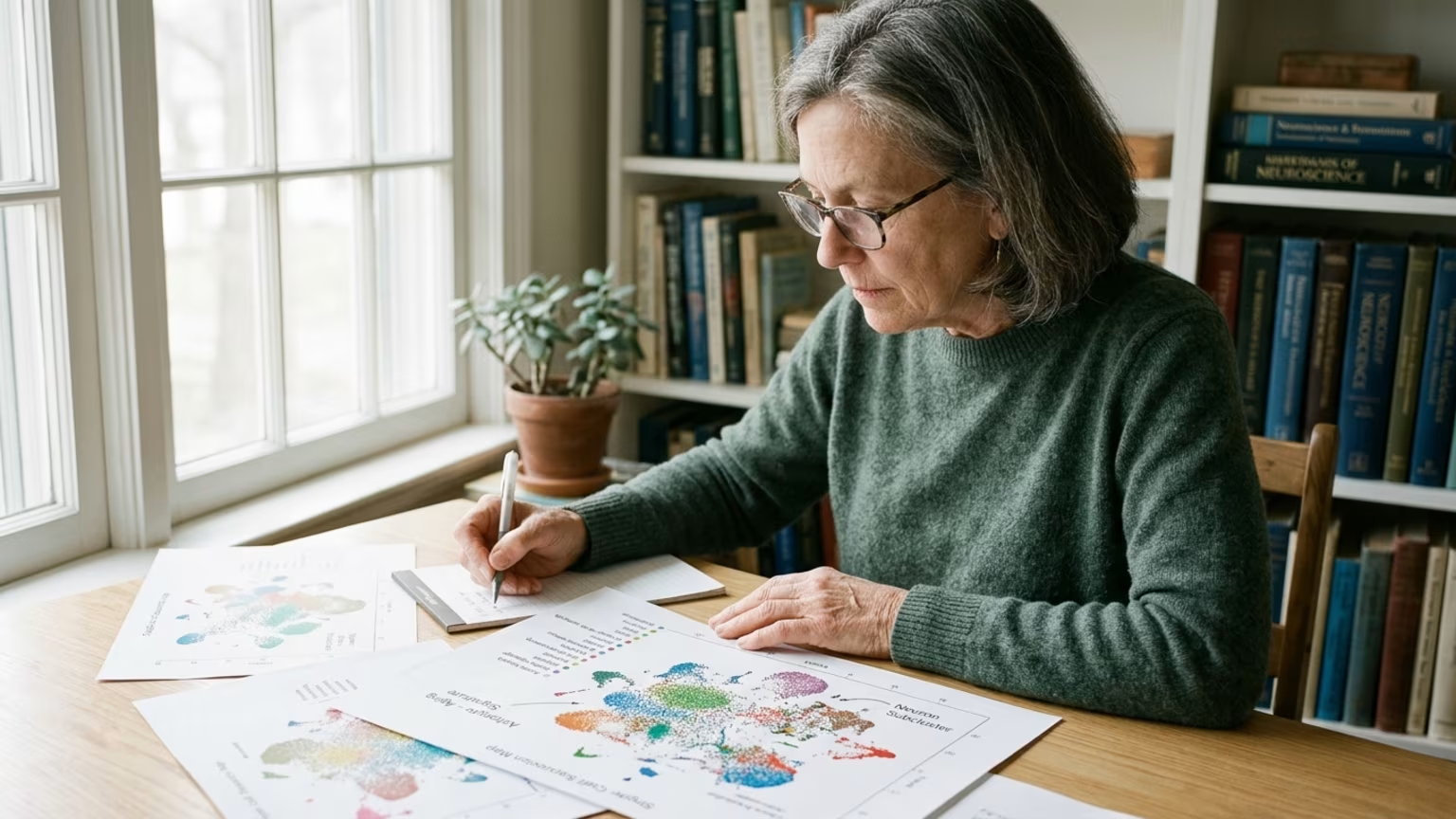
Recent Cleveland Clinic research suggests caring for grandchildren may support cognitive outcomes. Read how active social routines benefit brain aging after 60.





On September 11, 2026, WSLS reported that Cleveland Clinic neurologist Dr. Dylan Wint discussed research linking grandparent participation in childcare with better cognitive test outcomes over time.
According to the Cleveland Clinic account, this research followed nearly 3,000 grandparents over an extended eight-year period. Tracking this large group allowed researchers to observe subtle changes in mental performance across a significant stretch of later life. During this timeframe, the participants completed regular surveys to carefully document their daily habits and routines. They also took targeted tests specifically designed for assessing their ongoing memory and language skills.
The researchers found that the caregiving group scored higher on these cognitive assessments than participants who did not care for their grandchildren. This pattern suggests a positive correlation between active family involvement and sustained mental sharpness. The forms of caregiving measured in this research were incredibly broad and accessible. The report described involvement that included driving grandchildren to activities, cooking meals for them, and participating in shared leisure time.
This broad definition suggests that positive cognitive outcomes do not require a formal or highly structured educational approach to childcare. Simply being actively involved in the practical routines of younger family members provided a measurable level of cognitive engagement. The report highlighted a notable sex-specific finding regarding these mental outcomes. Grandmothers who cared for their grandchildren showed less decline on cognitive tests over the study period.
The publicly available news reports do not provide the study’s full citation, statistical models, or detailed participant demographics. Dr. Wint noted his involvement with the research, but more data is needed to fully understand why grandmothers specifically demonstrated this slower rate of decline. Any explanations based on biological differences, societal gender roles, or emotional connections remain hypotheses at this stage. Further analysis is required to determine why the association appeared stronger for older women.
For older adults who enjoy family involvement, these findings validate the clear benefits of everyday connection. Regular childcare offers a built-in weekly routine that naturally combines physical movement, mental planning, and ongoing conversation. The practical application is that simple acts like reading a book together or organizing outdoor outings can provide meaningful cognitive stimulation. This kind of multifaceted activity engages several different areas of the human brain simultaneously.
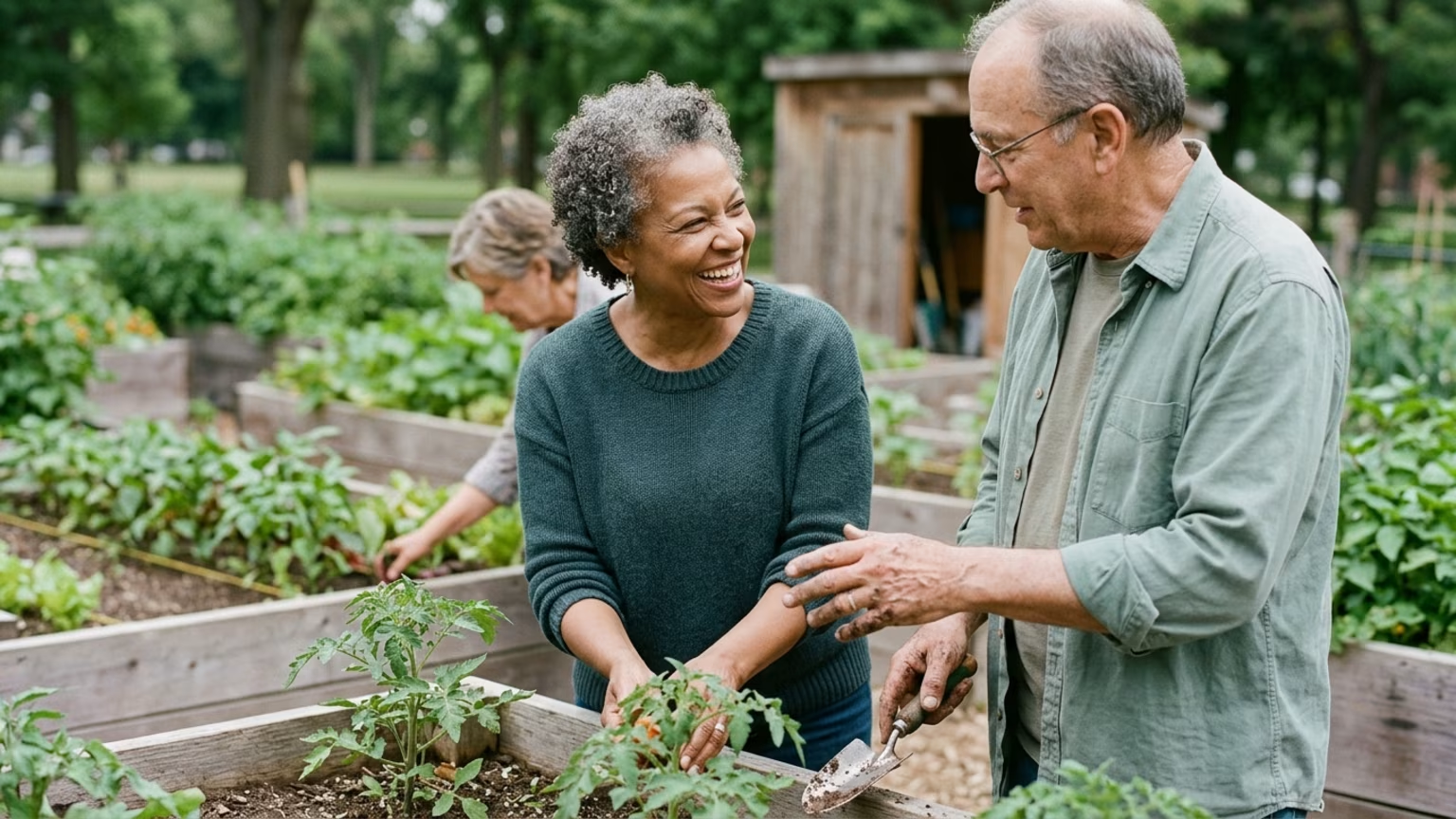
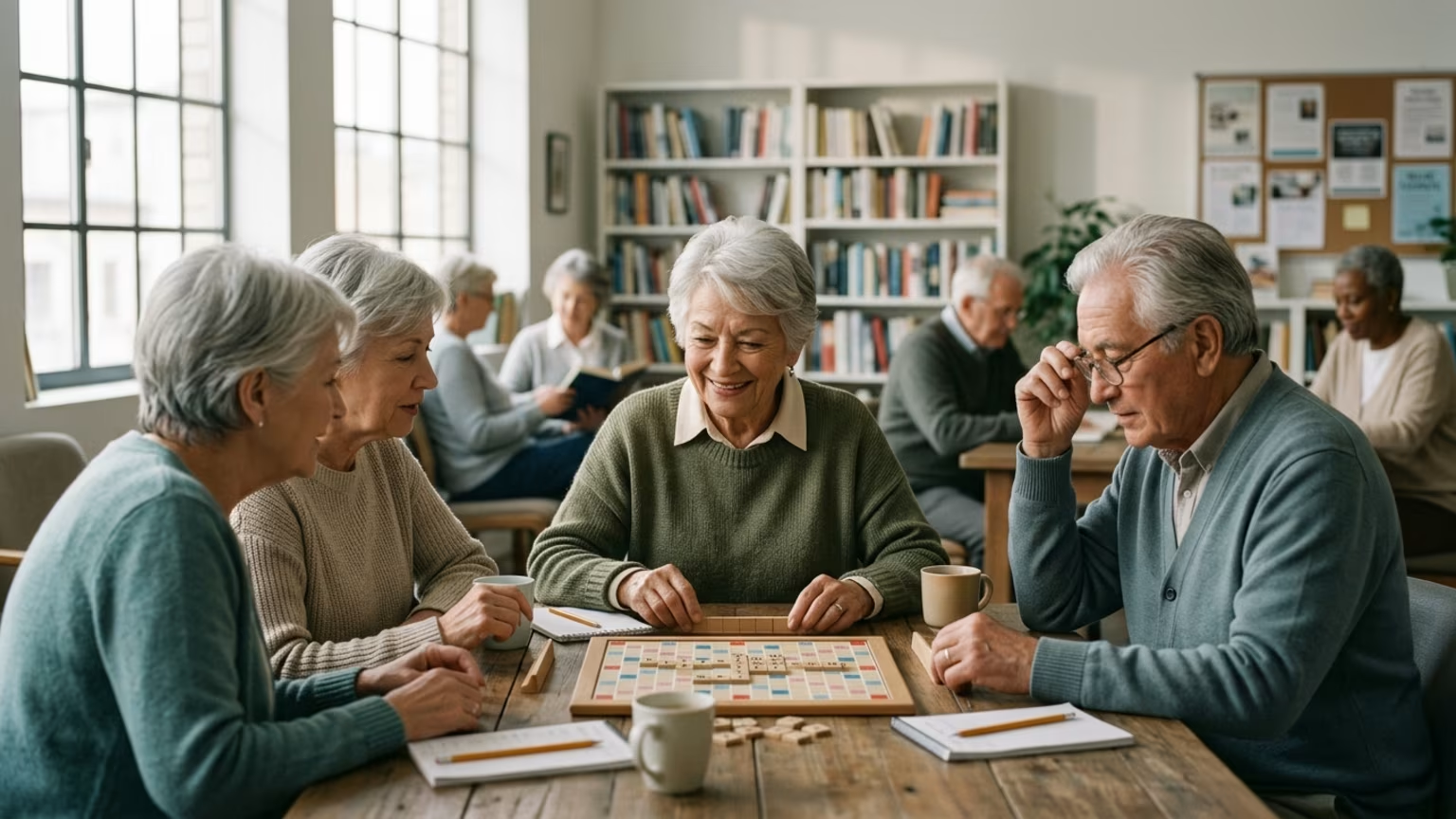
However, Dr. Wint made it completely clear that you do not need grandchildren to achieve this level of mental activity. The broader clinical lesson is that older adults benefit from staying cognitively, physically, and socially engaged throughout their retirement years. Engaging in complex hobbies, volunteering in the community, and spending time with friends all provide similar types of ongoing mental stimulation. A separate 2026 report summarized research showing that higher social engagement was associated with slower brain aging and better cognition among more than 6,000 older adults.
These daily routines build a very strong foundation for brain aging and neuroplasticity support. Whether you spend your time with family or participate in local community groups, the primary goal is to maintain regular social interaction. Finding ways to carefully incorporate lifestyle and brain resilience habits into a weekly schedule is a practical step for long-term well-being. It is completely possible to create a cognitively demanding routine using social activities you already deeply enjoy.
Older adults can easily pursue the same broad ingredients of healthy aging through various intergenerational programs or local group classes. The available evidence does not prove that grandparent caregiving is vastly superior to other forms of active social participation. A useful weekly schedule might include a few hours of community engagement mixed smoothly with regular physical activity. Building consistent cognitive health protection relies on finding engaging activities that are sustainable over many years.
It is strictly necessary to recognize that this research reports an observational association rather than a guaranteed cause and effect. People who choose to provide grandchild care may already be significantly healthier and more mobile than those who do not. Caregivers might also have better social connections, more financial stability, or higher baseline cognitive function before they even begin babysitting. The Cleveland Clinic report does not establish that the act of childcare itself directly caused the better cognitive scores.
Dr. Wint specifically cautioned that people without grandchildren should never view this finding as exclusionary or threatening. Grandparent care can be severely constrained by geographic distance, physical disability, family conflict, or basic transportation challenges. An inability to provide hands-on family care should never be framed as a personal health failure or a missed medical opportunity. The evidence does not suggest that older adults must forcefully take on intensive family responsibilities to protect their minds.
Furthermore, the term “better cognition” in this specific context refers to performance on standardized memory and language tests. It does not mean that family caregiving prevents cognitive decline entirely or guarantees lifelong independence for older adults. Some forms of caregiving can actually become physically demanding, highly stressful, or terribly disruptive to a person's normal sleep schedule. Older adults should always protect time for their own rest, medical appointments, and personal health needs rather than overcommitting to family duties.
The evidence summarized by the Cleveland Clinic does not justify telling older adults to drastically increase their childcare hours. The most defensible message is that grandchild care may simply be one enjoyable route to an active life. It is not a required medical intervention for brain health, nor is it a substitute for individualized clinical care. Anyone noticing persistent memory problems should seek medical advice rather than assuming that an increase in family activity will perfectly resolve the issue.
The central takeaway is that meaningful and sustainable social engagement can powerfully support healthy cognitive aging. Grandchild care happens to be one highly recognizable form of a mentally demanding, socially rich routine for older adults. Dr. Wint emphasized that healthy engagement can easily come from activities people already enjoy rather than from inventing an entirely new schedule. Older adults can find immense clinical value in volunteering, joining local clubs, or maintaining strong lifelong friendships.
The most accurate conclusion is that an active, connected life helps preserve mental clarity over time. A properly balanced week should ideally mix physical activity, mental challenges, and ongoing social contact in a highly sustainable way. By finding engaging activities that comfortably fit your personal energy levels, you can support your memory and cognitive performance effectively. The research treats active aging as a comprehensive lifestyle rather than focusing on any single family activity as a standalone cure.
Older adults and their families carry the daily responsibility of interpreting new studies on cognitive decline, and FitBrainLab translates this observational research so you can build safe lifestyle habits. Confusion about what normal brain aging looks like creates unnecessary stress, but our clear editorial guidance helps you approach family caregiving objectively without relying on unproven claims. Explore Resources

Follow FitBrainLab for research-led insights on memory, focus, brain aging, nutrition and mental fitness after 60. Stay connected for new articles, practical guidance and ideas for a sharper, more engaged life.



Build habits that support memory, focus and a curious, connected life.
Read the Blog