

Accumulated knowledge may remain useful as memory changes. A measured look at an aging hypothesis, with practical ideas for learning and everyday tasks.





Needing more time with something new does not make a lifetime of knowledge less valuable. The idea that a capable brain must handle every unfamiliar task quickly is too narrow. It treats speed as the whole story and leaves little room for understanding.
A calmer view gives accumulated knowledge its proper place. Learning a new device or handling an unfamiliar task need not become a test of whether someone is aging well.
University of Arizona researchers have proposed an adaptive-aging framework that challenges a decline-only account of brain aging. According to a news account of the framework, some changes may reflect a shift toward using accumulated knowledge to interpret experience. The proposal appears in Aging as a Continuation of Development: A Hypothesis and Framework, published in Perspectives on Psychological Science.
The framework distinguishes between two kinds of memory. Episodic memory concerns particular experiences and their context. Semantic memory includes facts, concepts and word meanings.
The report describes a common pattern: episodic details become less precise with age while semantic knowledge is relatively preserved. That distinction matters because recalling a particular event and understanding a familiar subject are different demands. A difficulty with the first does not provide a complete account of the second.
The same report describes some memory tasks in which older adults show less hippocampal activity and greater frontal-cortex recruitment. The researchers suggest that such patterns might reflect a developmental shift toward knowledge-based processing. Their question is whether some changes represent a different way of using information rather than only an attempt to compensate for reduced function.
This remains a hypothesis rather than an established explanation. Brain-activity differences alone do not demonstrate better everyday performance. A related report on the paper highlights the need to test whether the proposed reorganization predicts meaningful benefits in knowledge integration or social judgment. These patterns also do not describe every individual.
Experience is not automatic wisdom. The researchers point to reflection, emotional regulation and perspective-taking as parts of wise reasoning. More years of experience do not settle whether a particular judgment is sound.
The proposed learning activities remain untested for their effects on this brain reorganization and are not proven dementia-prevention methods. The everyday suggestions below are editorial applications of the ideas, not research-validated procedures.
The report also distinguishes the proposed shift from Alzheimer's disease. Worsening memory or thinking problems should not be relabeled as beneficial adaptation. Personal concerns belong in a discussion with a qualified healthcare professional. Questions about changes in everyday thinking after 60 deserve attention alongside any discussion of strengths.
A decline-only view sets an unreasonable standard: handle unfamiliar information quickly or regard the struggle as evidence that something valuable has been lost. Under that standard, a confusing screen can become a verdict on intelligence. The actual problem may simply be the unfamiliar task in front of the person.
For older adults, that framing can add unnecessary worry to an ordinary request for help. Instead of asking what a screen label means, someone may feel pressure to prove that help is not needed. The concern shifts from completing the task to defending personal competence.
There is a resource cost to that expectation, too. If every difficulty is treated as a deficit requiring correction, it becomes easier to justify spending time or money chasing an ideal of effortless performance. A practical question gets crowded out: what would make this particular task clearer?
The opposite story can be unhelpful as well. Telling older adults that experience makes them naturally wise replaces one stereotype with another. Respect means allowing room for both knowledge and uncertainty without demanding either constant quickness or exceptional judgment.
A more sustainable goal is useful engagement rather than flawless performance. Can the next step be understood? Can the relevant information be found? Is there room to ask a question and keep learning?
Those questions place knowledge in service of daily life. They do not ask daily life to serve as a running test of brain health.
When approaching an unfamiliar device or function, focus on the task rather than making a broad judgment about ability. The practical starting point is what needs to be understood now.
Useful questions include:
Connecting an unfamiliar function to a familiar activity is a reasonable editorial approach. So is asking for help with the exact label that causes confusion. The aim is a clearer explanation of the task, not a demonstration that previous knowledge should make every interface obvious.
For appointments, the practical suggestion is to group related information together: date, time, location and preparation instructions. Linking those details to a familiar routine is another possible approach.
This shifts the question from “How much can I remember without support?” to “How can the information be organized so it is useful?” The appointment remains the task that matters. Remembering scattered details unaided does not have to become a separate achievement.
For related reading, FitBrainLab's guide to planning around mental effort offers another way to think about everyday demands.
Before approaching an unfamiliar task, pause to identify what resembles a situation already understood. Then identify what is actually different. This keeps prior experience available without assuming that it answers every question.
The distinction can be expressed through three prompts:
This approach gives experience a role without asking it to do all the work. It also leaves space to revise an initial assumption. Recognizing a familiar pattern and checking whether it fits are compatible acts.
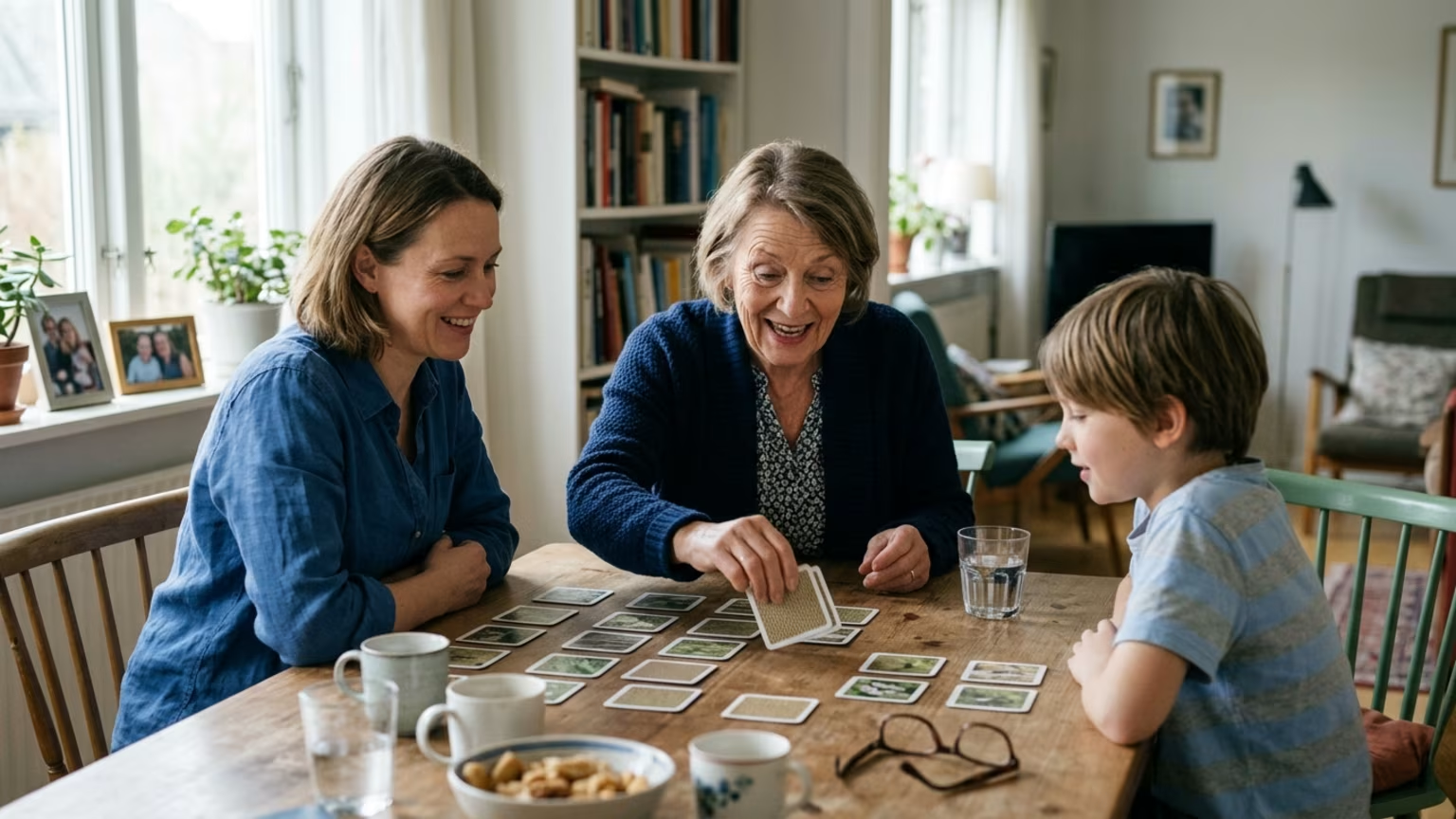
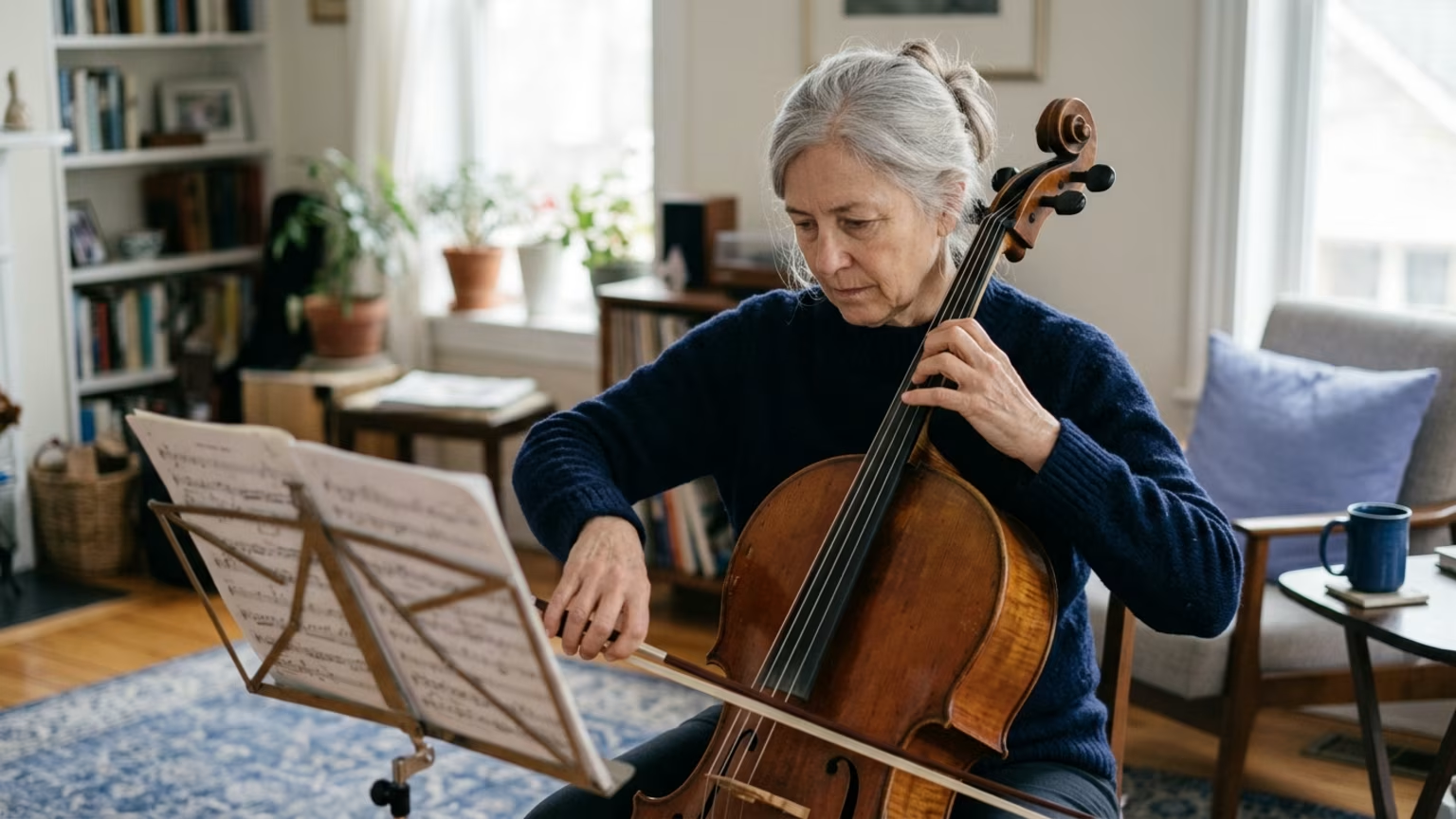
The researchers' proposed activities include learning vocabulary and studying an interesting subject. They also suggest discussing a book, explaining a newly learned idea in one's own words, storytelling and knowledge-based games.
These activities offer different ways to engage with knowledge. A subject can be chosen because it raises a question that matters personally. A book discussion can center on understanding another person's interpretation. Explaining an idea can be a reason to think more carefully about its meaning.
The goal need not be a score or a claim about future memory. It can be continued participation in something worthwhile. FitBrainLab's discussion of the evidence behind cognitive games provides context for readers weighing structured activities.
The news account says the authors also stress brain maintenance through physical activity and work with healthcare professionals on relevant cardiovascular and metabolic risks. Knowledge-based engagement belongs beside that wider picture rather than replacing it with “wisdom training.”
The useful shift is modest but meaningful: give experience a place in how a task is approached. Ask for explanations where they are needed. Judge an activity by whether it supports understanding or participation rather than whether it makes aging invisible.
Your knowledge deserves respect, your questions deserve answers, and learning does not have to become a test of your worth.
The daily task of drawing on experience while learning belongs to older adults and those supporting them; FitBrainLab adds a research-led perspective. Its explanations of brain aging and everyday habits address uncertainty about cognitive health, helping readers distinguish practical possibilities from unsupported promises when making choices about memory and focus.

Follow FitBrainLab for research-led insights on memory, focus, brain aging, nutrition and mental fitness after 60. Stay connected for new articles, practical guidance and ideas for a sharper, more engaged life.




Build habits that support memory, focus and a curious, connected life.
Read the Blog
