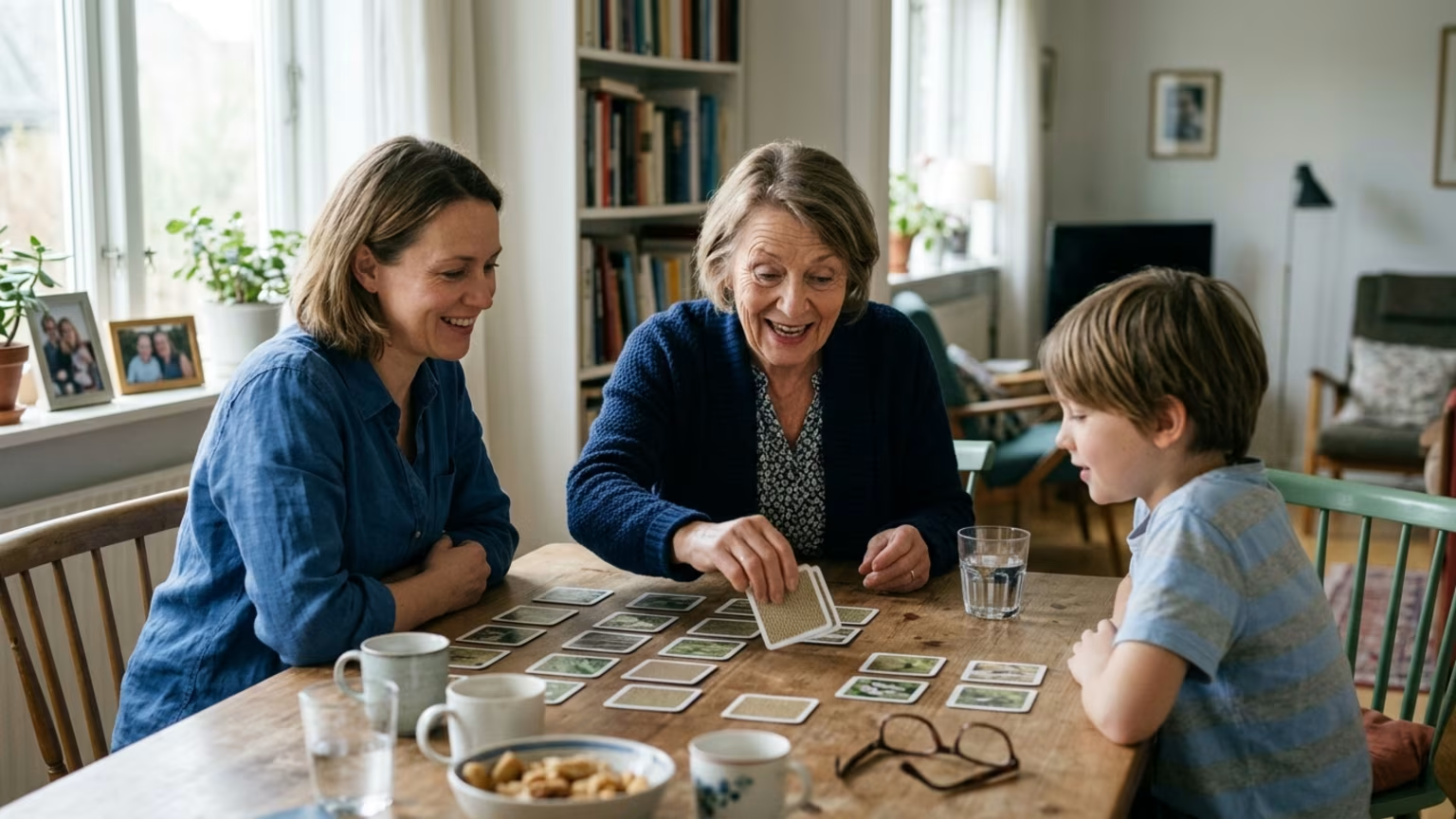
A calmer look at MIND diet research, leafy greens, berries and varied meals, without treating any single food as a promise to preserve memory.





You do not need a superfood to take brain health seriously. A bowl of berries should not have to prove its value by promising to preserve your memory.
The calmer position is to stop asking individual ingredients to carry the weight of healthy aging. Foods such as leafy greens and beans make more sense within the eating patterns researchers study. That leaves room for thoughtful meals without turning the shopping list into a test of whether you are doing aging correctly.
National Seniors Australia describes the MIND diet as combining elements of Mediterranean and DASH-style eating. The foods it highlights include:
For meal planning, the useful feature is the range of foods. The list offers several starting points for putting meals together. It need not become a contest over which ingredient deserves the most space or attention.
It also helps to separate a food list from a research finding. Knowing that berries appear in a studied pattern tells us what that pattern includes. Whether following the pattern changes cognitive outcomes is a different question that requires evidence about those outcomes.
That distinction is easy to lose when a headline moves from a diet study to a claim about one ingredient. Keeping the whole pattern in view makes the research easier to read accurately.
A published summary of a randomized trial reports findings from a three-year study involving 604 adults aged 65 or older. Participants assigned to the MIND diet did not have a statistically significant cognitive advantage over the comparison group.
That means the trial did not establish that the MIND group performed better on the cognitive tests used. Both groups' cognitive scores improved. Changes on brain MRI were similar too, according to the summary.
The comparison matters. The other group also received dietary counseling and mild calorie restriction. This was not a test of MIND-style eating against receiving no dietary support.
The study also covered a particular group over three years. It does not settle what effects might emerge over a longer period. Its findings should not be read as proof that healthy eating has no value, or as proof that an individual food preserves memory.
National Seniors Australia's discussion also describes a mixed evidence base. Observational links between diet and cognition do not establish that the diet caused the outcome. Together, these limits call for a measured interpretation rather than either a glowing food promise or a dismissal of nutrition.
The practical conclusion is straightforward: use the foods in these patterns as ideas for varied meals. Do not treat the research as a guarantee attached to a particular shopping list.
The problem with superfood language is the standard it sets. It can make an ordinary food choice feel like a decision about whether you are protecting your future independence. That is too much responsibility to place on lunch.
For readers watching their spending, the framing can also create an unhelpful choice: buy the celebrated ingredient or feel that something valuable is missing. There is no need to build a food budget around that fear. A headline is not a reason to spend beyond what fits comfortably.
Spending more on a food because you enjoy it is a personal choice. Spending more because it carries an implied memory promise deserves a harder question: what finding supports that promise?
The same principle applies to time and effort. A meal plan that requires more shopping or preparation than you can manage should not become a measure of your commitment to brain health. Practical limits deserve respect rather than guilt.
Nor should every meal become a pass-or-fail test. Leaving berries off a shopping list does not represent a failure of judgment. Choosing familiar foods is not evidence that you have stopped caring about your future.
The calmer perspective is not indifference to nutrition. It is a refusal to confuse careful food choices with control over every aspect of aging.
A more sustainable goal is an eating pattern that offers variety while fitting your preferences and daily life. That is something you can assess when planning meals. A promise about preserving memory years ahead is not.
Our guide to thinking about meals as a broader pattern provides a useful next step for readers who prefer that wider view. The starting question is not which food deserves a special label. It is how different foods can fit together in meals you actually want to eat.
The foods described by National Seniors Australia suggest several simple combinations:
These are meal-building examples, not a prescribed menu. They show how the food groups can appear together without assigning one ingredient the job of protecting memory.
There is no need to put every listed food into every meal. The useful shift is from inspecting a single plate for perfection to thinking about the range of foods across your eating habits. Keep the focus on variety rather than checking every box at once.
Affordability, personal preferences and the ability to prepare meals belong in the decision from the start. They are not distractions from the real plan. They are part of deciding whether a plan fits your life.
A few questions can keep that judgment grounded:
These questions do not produce a cognitive-health score. They help bring meal planning back to decisions that are within reach.
Individual nutrition questions belong with a qualified healthcare professional who can account for your health needs. A general food list is not a substitute for that personal discussion.
Instead of asking whether a meal contains the best brain food, ask whether it contributes to a varied pattern you can maintain. Enjoyment and manageable preparation are reasonable parts of that goal. They do not need to be justified by a dramatic research claim.
You can also give familiar meals a fair place in the plan. Building variety does not require treating every established preference as a problem to solve. Food can remain a source of pleasure rather than a daily examination.
For more context on putting everyday eating habits ahead of single ingredients, keep the distinction between a pattern and a promise in view. The aim is thoughtful participation in your own well-being, not a perfect menu that claims to settle your future.
Your food choices can reflect sound judgment and enjoyment, without requiring certainty about every year ahead.
Varied eating still has to fit a real budget, personal preferences and the effort of preparing meals. FitBrainLab helps adults 60+ sort conflicting advice about nutrition and brain performance through clear explanations of cognitive-aging research. Its research-led coverage distinguishes supported findings from open questions without turning food choices into medical promises.

Follow FitBrainLab for research-led insights on memory, focus, brain aging, nutrition and mental fitness after 60. Stay connected for new articles, practical guidance and ideas for a sharper, more engaged life.



Build habits that support memory, focus and a curious, connected life.
Read the Blog