short eyebrow
Your sharpest years can still be ahead
Build habits that support memory, focus and a curious, connected life.
Read the Blog

A 12-week trial reported exploratory memory signals for creatine in adults aged 45 to 65. Review the clinical findings and what they mean for adults over 60.

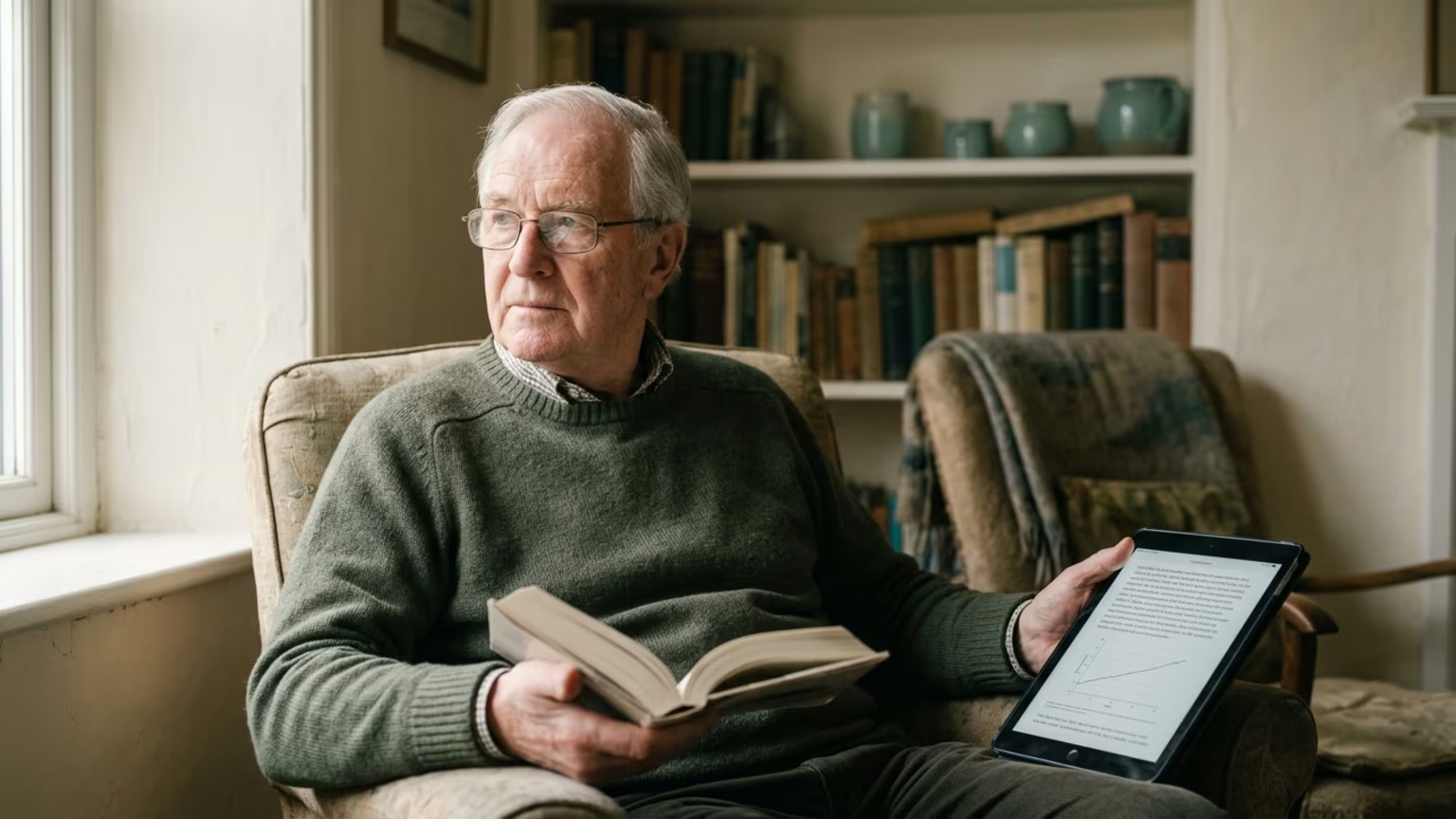
Recent multi-cohort research associates active computer use with better global cognition in older adults, while passive television viewing shows the opposite.

The Active Brains trial tested how digital cognitive activities and lifestyle guidance affect memory. Learn why experts urge caution on early reversal claims.

A University of Southampton study examines how an online lifestyle and puzzle program affected cognitive scores in 11,563 older adults over one year.

UCLA Health received a $25 million grant to evaluate artificial intelligence tools for dementia care. Learn what this evaluation program means for patients.

Preliminary 2026 data shows a shorter eating window may affect cognition, but evidence lacks scale to alter memory guidance.

Learn how dependent and autonomous offloading to digital assistants affects cognitive health, and find practical ways to support everyday memory without hype.

A preliminary MIT study reports that heavy ChatGPT use during writing tasks is linked to weaker recall. Read how balancing digital tools aids cognitive health.

New research details major biological and cellular shifts in the aging human brain between ages 50 and 75. Learn what these findings mean for adults over 60.
Recent clinical guidelines outline how older adults can evaluate early cognitive changes, manage modifiable risk factors and support long-term brain health.

A new Cerebral Cortex study explains why the aging hippocampus sometimes blends related memories. Learn practical strategies to manage normal memory mix-ups.

A recent Forbes column highlights five habits tied to cognitive sharpness, from processing-speed practice to air filtration. Read the research behind them.

Research indicates learning a new language challenges memory and builds cognitive reserve. Learn how older adults can safely build practical language routines.

A review of new research on how adaptive speed-of-processing cognitive exercises and booster sessions may impact long-term dementia risk for older adults.

A University at Buffalo study found that potentially cognition-impairing medication exposure in older adults with cognitive disorders dropped to 29.3% in 2022.

A recent meta-analysis links heavy short-form video use to reduced attention and impulse control. Learn what this early research means for cognitive health.
A 2025 MRI study links PTSD and toxic exposure to accelerated brain aging in World Trade Center responders. Learn how to manage trauma for cognitive health.

Recent Italian studies suggest lifelong cognitive reserve and positive emotional processing support language and working memory in adults over 65.
Build habits that support memory, focus and a curious, connected life.
Read the Blog