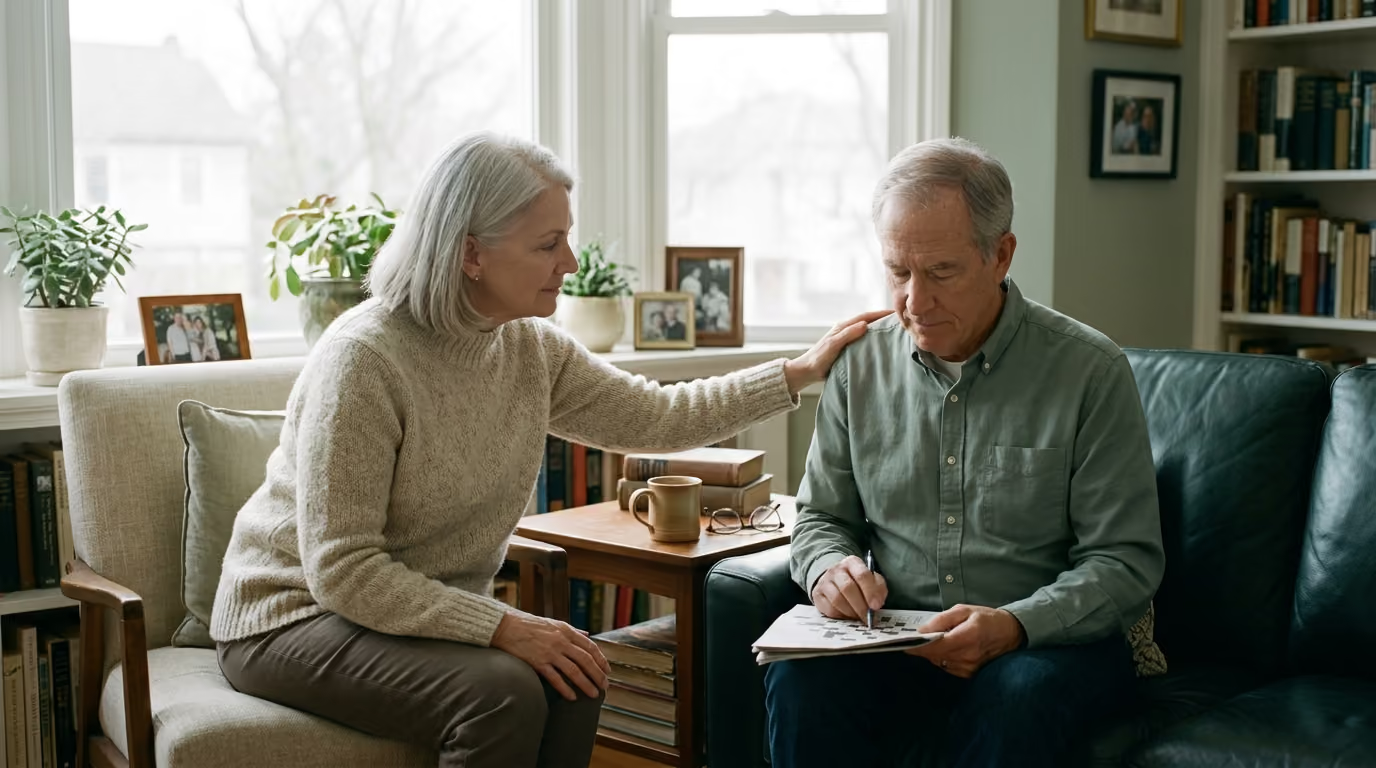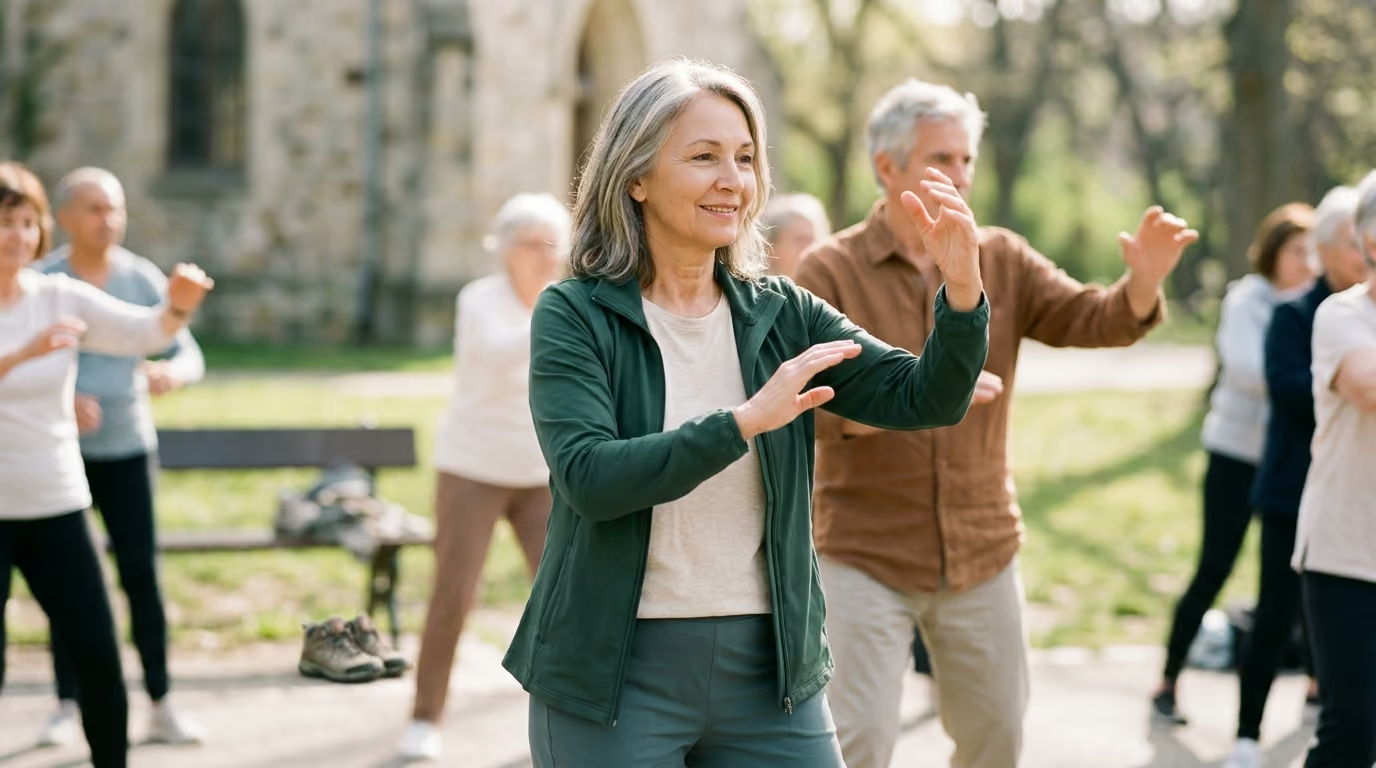

Older adults planning a weekly fitness routine can compare activities like walking, dancing, and strength training to maximize their long-term cognitive health.





Many people search online for the single best exercise to protect memory and brain function after sixty. You might wonder whether walking is enough, whether you should take up dancing, or whether lifting weights is necessary. This guide compares common physical activities based on research, helping you build a practical routine that fits your lifestyle.
When you move your body, your brain responds in several measurable ways. Physical activity increases blood circulation, which delivers oxygen and vital nutrients to brain tissue. This blood flow supports the areas of your brain responsible for memory formation, quick thinking, and complex planning.
Movement also stimulates the release of natural chemicals that support brain cells. These chemical signals help brain cells communicate, repair themselves, and build new connections. Scientists refer to this ability to adapt as neuroplasticity, a process that continues throughout your entire life. You can learn more about these mechanisms in our guide on brain aging and neuroplasticity.
Physical activities challenge the brain through three distinct pathways:
Brain health involves more than just remembering names or dates. It includes processing speed, attention control, spatial awareness, and the physical balance needed to live independently. Different physical activities stimulate these areas in unique ways.
Large health organizations have studied the relationship between exercise and brain function for decades. The World Health Organization reports that regular moderate-to-vigorous activity is linked with better processing speed, sharper memory, and stronger executive function in older adults. These findings come from dozens of clinical trials and long-term observational studies.
The Lancet Commission on dementia prevention analyzed decades of evidence regarding lifestyle habits. Their reports show that regular physical activity is associated with an approximate twenty percent lower relative risk of developing dementia. The researchers emphasize that exercise works best as part of an overall healthy routine, rather than a standalone cure. You can read more about overall lifestyle factors within our dementia risk reduction resources.
Research also highlights the difference between relative risk and guaranteed protection. An observational link means that active groups show lower rates of cognitive decline over time. However, exercise does not eliminate all risk, because genetics, medical history, and environment also play important roles. Studies show that physical activity supports cognitive health, but it cannot guarantee immunity from neurological disease.
Clinical trials in adults over fifty indicate that sessions lasting forty-five to sixty minutes at moderate intensity provide reliable cognitive benefits. Moderate intensity means your heart rate is elevated, but you can still hold a conversation. Even shorter bouts of movement offer value, particularly for those returning to exercise after illness or injury.
No single activity fulfills every physical and cognitive need on its own. Below is a detailed evaluation of common exercises across cardiovascular benefit, mental stimulation, balance support, and accessibility.
Walking is the most common exercise for adults over sixty because it requires no special equipment. It can be performed almost anywhere, at any time of day, and at your own chosen pace.
From a cardiovascular standpoint, a brisk walk elevates your heart rate into a moderate training zone. Studies evaluating leisure-time physical activities show that regular walkers enjoy meaningful reductions in cognitive decline risks. A slow stroll provides joint mobility and fresh air, while a purposeful, brisk pace delivers stronger circulatory benefits.
The mental demand of walking depends on your environment. A repetitive walk on an indoor track requires minimal focus. Walking along an unfamiliar nature trail, navigating city sidewalks, or walking while conversing with a friend adds valuable mental stimulation. You must judge distances, watch for uneven surfaces, and make rapid navigation decisions.
Walking is highly accessible, though severe joint pain or balance instability can make outdoor walks challenging. Using trekking poles, walking on flat indoor tracks, or breaking walks into ten-minute intervals can help manage these limitations.
Cycling provides sustained aerobic exercise with very little impact on the knees, hips, and ankles. It allows older adults to build cardiovascular endurance without placing heavy stress on sensitive joints.
Outdoor cycling requires significant mental focus, visual scanning, and rapid decision-making. Cyclists must track traffic, monitor road conditions, and maintain balance while steering. However, these same demands introduce safety risks for individuals with slower reaction times or poor balance.
Stationary cycling eliminates the risk of falls and traffic hazards. It allows you to adjust resistance and track your effort in a controlled environment. While stationary pedaling offers lower sensory variety, you can pair it with audiobooks, music, or virtual scenic rides to stay engaged.
Recumbent stationary bikes offer extra back support and a low seat height, making them ideal for beginners. Cycling strengthens the large muscles of the lower body, though it provides minimal upper-body strengthening.
Water-based exercise offers a buoyant environment that relieves joint pressure. It is an excellent choice for adults living with severe arthritis, back pain, or excess body weight.
Swimming laps requires controlled breathing, stroke coordination, and steady pacing. These rhythmic requirements demand focus and body awareness. Water aerobics classes introduce choreographed movements, music, and social connection, creating a supportive group setting.
The cardiovascular benefit of swimming depends on your technique and effort. Swimmers who maintain continuous laps achieve a strong aerobic workout. Leisurely floating or casual wading may not raise the heart rate enough to produce significant brain benefits.
Accessibility factors include pool availability, travel requirements, and personal comfort in the water. Swimming supports muscular endurance and heart health, but it does not load bones in the same way as land-based exercise. Pairing pool sessions with land-based balance or resistance work provides a more complete routine.
Dance combines aerobic movement with rhythm, memory, spatial awareness, and social interaction. It is one of the most cognitively engaging physical activities available.
Research on dance programs in older adults shows improvements in global cognitive function, memory, and emotional well-being. Dancers must memorize step sequences, adjust their timing to music, and coordinate their movements with a partner or group. This multi-tasking challenges the brain to process sensory information and motor output at the same time.
Dance also provides valuable balance training through weight shifts, turns, and direction changes. These varied movements help maintain functional agility in everyday life. Systematic reviews indicate that dance produces cognitive improvements comparable to other aerobic exercises, while offering exceptional social engagement.
Dance classes can be adapted to almost any physical ability level. Options range from gentle seated dance to ballroom, folk dance, and line dancing. For those who find conventional workouts repetitive, dance provides a joyful and mentally stimulating alternative.
Strength training focuses on working muscles against external resistance using weights, elastic bands, or your own body weight. While often viewed solely as a muscle-building tool, resistance exercise directly supports brain health.
Clinical trials show that progressive resistance training improves executive function, reasoning, and attention in older adults. Lifting weights requires precise motor control, focus on proper form, and steady counting of sets and repetitions. Learning new exercise patterns challenges your nervous system to recruit muscle fibers efficiently.
Strength training also builds the physical foundation required for an active lifestyle. Strong legs and a stable core make walking, stair climbing, and recreational sports safer and more comfortable. By preserving muscle mass, strength training helps maintain metabolic health and physical independence.
Beginners should start with basic bodyweight movements, such as sit-to-stand exercises and wall push-ups, before adding external weights. Working with a qualified trainer or physical therapist ensures proper form and prevents strain. Strength training is an essential component of any long-term physical routine.
Tai chi combines slow, deliberate postures with deep breathing and focused mental attention. Often described as moving meditation, it emphasizes postural alignment, fluid weight transfers, and total body awareness.
Studies demonstrate that tai chi improves attention span, processing speed, and dynamic balance in older adults. Practitioners must memorize intricate sequences of movement while maintaining calm, controlled breathing. This deliberate focus trains the brain to sustain attention and manage spatial orientation.
Tai chi is exceptionally safe and gentle on the joints. It can be practiced standing or seated, making it accessible to individuals with mobility limitations or a fear of falling. Research confirms that tai chi reduces fall risks by strengthening stabilizing muscles and improving balance confidence.
While tai chi provides low-to-moderate cardiovascular stimulation, its cognitive and balance benefits are substantial. It serves as an ideal complement to more vigorous aerobic activities like brisk walking or cycling.
Multicomponent exercise programs combine aerobic conditioning, strength training, balance drills, and flexibility work in a single structured session. These classes are commonly offered at community centers, senior centers, and local gyms.
Public health organizations strongly recommend multicomponent physical activity for older adults. These programs target multiple physical systems simultaneously, helping prevent functional decline and mobility loss. A typical class might include a light aerobic warm-up, resistance-band exercises, single-leg balance challenges, and dynamic stretching.
The mental benefit of multicomponent classes comes from following instructor cues, switching between different movement patterns, and exercising alongside peers. The structured environment provides accountability and encourages consistent attendance.
When choosing a multicomponent program, look for classes led by instructors certified in older adult fitness. A well-designed class allows participants to progress at their own pace while maintaining safe movement standards.
To choose the right activities for your routine, consider how each option addresses different physical and cognitive needs:
Rather than searching for a single perfect exercise, aim to combine complementary activities across your week. Public health guidelines recommend accumulating at least 150 minutes of moderate aerobic activity weekly, alongside two days of strength training and regular balance exercises.
You can learn more about structuring your daily habits in our overview of lifestyle habits that support brain resilience.
A practical weekly schedule for a generally active older adult might look like this:
If you are just getting started, begin with small steps:
Your ideal exercise mix should match your current fitness level, medical history, and personal preferences. Here is how you might tailor your approach based on common situations:
If knee or hip discomfort limits your ability to walk, focus on low-impact alternatives. Swimming, water aerobics, and recumbent cycling allow you to elevate your heart rate without joint pain. Combine these with seated resistance-band exercises and gentle tai chi to preserve strength and flexibility.
If you already walk regularly but want to challenge your mind, introduce novelty and complexity. You can explore new walking routes, take up ballroom or line dancing, or practice tai chi. You can also explore our resources on memory and attention for additional ways to keep your mind active.
If you find yourself exercising alone and want more connection, consider joining a walking club, community dance group, or local aquatic class. Group exercise provides regular social contact, shared laughter, and mutual encouragement. Social connection is recognized as an important factor in maintaining long-term brain health.
If you feel unsteady on your feet, prioritize balance and lower-body strength before attempting high-speed aerobic workouts. Practice sit-to-stand movements from a stable chair, perform heel-to-toe balance drills near a counter, and join a supervised fall-prevention or tai chi class. Building strength and stability reduces fall anxiety and keeps you moving safely.
Several persistent myths can lead people to choose ineffective or overly restrictive exercise routines:
Mental complexity is valuable, but sustained physical exertion is what drives cardiovascular blood flow and chemical signaling in the brain. A simple, brisk walk performed regularly provides more proven neurological benefit than a complex routine that causes frustration, exhaustion, or injury.
Walking is an outstanding foundation, but it does not adequately train upper-body strength, heavy bone loading, or multi-directional balance. Adding dedicated strength and balance exercises ensures a well-rounded physical foundation.
While tai chi does not replace vigorous cardiovascular training, clinical studies show it produces measurable improvements in attention, processing speed, and postural stability. Its value lies in motor control, sustained focus, and balance confidence.
Exercise significantly lowers statistical risk, but it does not provide absolute immunity. Lifestyle habits support your brain, but genetics, vascular health, and sleep also play important roles. Approach exercise as an enjoyable, health-promoting practice rather than an anxious quest for perfection.
Physical activity works alongside medical care, not in place of it. Managing blood pressure, monitoring blood sugar, correcting hearing loss, and treating sleep apnea are equally critical for brain health. A complete health strategy addresses all of these factors together.
Before starting a new exercise program or significantly increasing your activity level, discuss your plans with your doctor. Here are several practical questions you can bring to your next appointment:
You do not need an elaborate gym membership or complex equipment to start supporting your brain through movement. Here is a simple checklist you can use to put this guide into practice over the coming days:
Building a brain-healthy routine is not about finding one single exercise. It is about creating an enjoyable, diverse mix of movements that keeps your body strong, your mind engaged, and your days fulfilling.

Follow FitBrainLab for research-led insights on memory, focus, brain aging, nutrition and mental fitness after 60. Stay connected for new articles, practical guidance and ideas for a sharper, more engaged life.


Build habits that support memory, focus and a curious, connected life.
Read the Blog