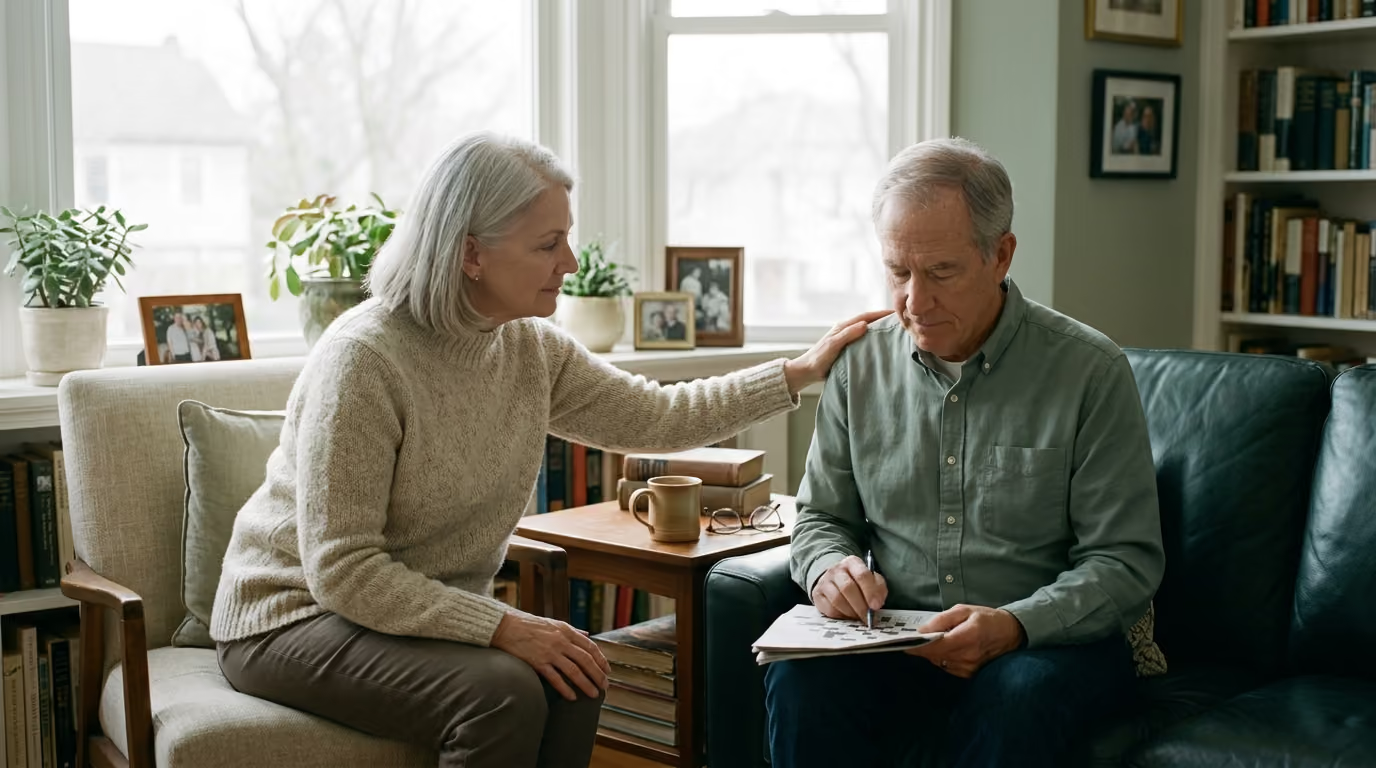

Stronger cognitive resilience after sixty comes from adapting daily wellness routines to overcome physical limitations, environmental constraints, and motivational hurdles.





Many people search for "how to stay mentally sharp when exercise hurts" or "what to do when low energy ruins healthy habits." Standard health advice often presents an idealized lifestyle that feels impossible when stiff knees, low energy, bad weather, or family duties get in the way. This guide offers a definitive, research-based framework to help you adapt your daily routines, overcome common obstacles, and protect your cognitive health over the long term.
Supporting brain health after 60 does not require rigid, exhausting routines. The human brain retains neuroplasticity, which is the ability to adapt its neural circuits in response to daily stimulation and physical activity. When you move your body, your heart delivers oxygenated blood and nutrients to brain regions responsible for memory and executive function. At the same time, learning new tasks stimulates connections between neurons, which helps preserve cognitive reserve.
Cognitive reserve acts as a buffer against age-related changes and neurological pathology. Engaging in direct cognitive stimulation challenges your working memory, attention, and problem-solving skills. Brain-supportive behaviors create the biological foundation for this reserve. These supportive behaviors include physical movement, quality sleep, blood pressure control, sensory care, balanced nutrition, and emotional connection.
When physical limitations or unexpected life events block your usual routine, your brain still benefits from modified activities. The nervous system responds to regular, low-intensity stimulation. A five-minute indoor walk or a brief strategy puzzle still provides valuable sensory and vascular input. Preserving the habit through small adjustments keeps neural pathways active and prevents the functional decline that comes with prolonged inactivity.
Building behavioral flexibility is the central skill for long-term cognitive health. Behavioral flexibility means changing the setting, duration, or intensity of an activity while keeping its underlying benefit. If joint discomfort prevents a neighborhood walk, seated leg exercises still stimulate circulation. If a busy schedule prevents an hour-long class, ten minutes of active reading maintains cognitive engagement. Adapting your actions protects your confidence and keeps your brain engaged in every season of life.
Research demonstrates that lifestyle factors play a meaningful role in long-term brain health. The 2024 Lancet Commission identified 14 potentially modifiable dementia risk factors across the life course. These factors include physical inactivity, social isolation, depression, hypertension, diabetes, obesity, smoking, excessive alcohol use, hearing loss, traumatic brain injury, air pollution, lower educational attainment, high LDL cholesterol, and untreated vision loss. The Commission estimated that addressing these factors could theoretically prevent or delay roughly 45 percent of dementia cases globally.
This 45 percent estimate represents a theoretical population-level figure rather than a guaranteed personal outcome. Individual risk is shaped by genetics, medical history, and social circumstances. Modifying these risks reduces potential vulnerability and supports daily independence, but it cannot eliminate the possibility of dementia. Managing blood pressure, keeping physically active, and protecting sensory health remain sensible, evidence-backed priorities for cognitive longevity.
The World Health Organization provides comprehensive guidelines on reducing cognitive decline and dementia risk. The organization recommends regular physical activity, social engagement, cognitive stimulation, and strict management of cardiovascular risk factors. For older adults, guidelines recommend aiming for at least 150 minutes of moderate-intensity aerobic activity per week, or 75 minutes of vigorous activity. Guidelines also advise muscle-strengthening activities at least two days per week and balance training on three or more days for those with reduced mobility.
Public health research confirms that physical activity of any duration supports well-being. The previous requirement that aerobic movement must occur in bouts of at least ten minutes has been removed from major health guidelines. A systematic review of physical activity in older adults found that accumulating 83 to 166 minutes of weekly moderate movement was associated with a 22 percent reduction in morbidity and mortality risk. Every small period of movement contributes to cardiovascular and metabolic health, which directly protects brain function. You can read more about lifestyle approaches to brain resilience to understand how these habits interact.
Physical discomfort and low energy are common barriers to maintaining an active lifestyle. Joint stiffness, chronic back pain, and balance worries can make planned workouts feel intimidating or unsafe. Recognizing these capability limits allows you to adjust your approach without abandoning healthy habits entirely.
Pain is often viewed as a command to stop all physical activity. Total inactivity often leads to muscle weakness, stiffer joints, and worse pain over time. The National Institute on Aging notes that most people with chronic pain can exercise safely. Regular movement helps manage discomfort and improves physical function among older adults with arthritis.
You can use a graded movement ladder to adjust an activity when discomfort flares:
New, sharp, radiating, or rapidly worsening pain requires a formal medical assessment. Familiar, mild stiffness can often be managed by warming up slowly and choosing low-impact movements. Adjusting your movement allows you to maintain cardiovascular circulation without straining vulnerable joints.
Energy levels fluctuate due to poor sleep, medication adjustments, seasonal changes, and recovery from illness. Trying to force a strenuous workout on an exhausted day can lead to injury or discouragement. Giving up on low-energy days can quickly turn into weeks of missed activity.
A three-tier plan helps manage unpredictable energy:
Using this tiered structure keeps your daily routine intact without draining your reserves. When energy is low, completing a Red Tier action reinforces your identity as an active person. If severe fatigue persists for weeks, schedule an appointment with your healthcare provider to check for underlying issues like anemia, thyroid changes, or sleep disorders.
Fear of falling is a major psychological and physical barrier for older adults. A past fall or feeling unsteady on uneven ground can cause people to restrict their daily activities. This avoidance leads to weaker leg muscles, poorer balance reflexes, and higher fall risk.
Multicomponent exercise helps rebuild physical stability and self-assurance. Multicomponent activities combine strength, balance, coordination, and functional movements. Useful exercises include supported heel raises, stepping over small obstacles, and practicing sit-to-stand movements from a solid chair.
Research supported by the National Institute on Aging examined a modified form of tai chi that combined physical movement with mental challenges. Older adults with mild cognitive impairment who practiced this modified tai chi showed improvements in cognitive test scores and physical control. Practicing balance exercises near a counter or wall creates a safe environment to build physical stability.
Even with high motivation, external circumstances can block your planned routines. Inconvenient transportation, bad weather, caregiving duties, and financial limitations can make outside activities difficult to reach. Addressing opportunity barriers involves adapting your physical environment and finding home-based alternatives.
Losing driving privileges or living far from community centers can isolate older adults from classes and social groups. Transportation challenges can limit access to fitness facilities, medical appointments, hearing clinics, and grocery stores with fresh produce. Transportation barriers represent access challenges rather than personal failures.
When reliable transportation is unavailable, shift the focus to home-based and neighborhood routines:
Bringing healthy habits into the home removes travel logistics. This makes daily consistency much easier to maintain over months and years.
Rain, snow, icy walkways, and extreme summer heat create real safety risks for outdoor walking. Poorly lit streets and cracked sidewalks can increase the chance of trips and falls. Staying indoors during severe weather is a sensible safety precaution, but it should not mean sitting still all day.
Create a designated indoor activity space inside your home. Clear a wide, well-lit path in a hallway or large room where you can walk safely while wearing supportive shoes. Use a sturdy kitchen chair for seated strength exercises, and practice balance beside a stable counter. On days with bad weather, you can walk indoors while listening to an audiobook or favorite music playlist.
You can also explore public indoor spaces such as local shopping centers, libraries, or community centers. These facilities offer flat, temperature-controlled, well-lit walking areas with nearby seating. Shifting your location based on seasonal weather protects both physical safety and daily activity levels.
Many adults over 60 balance busy schedules that include caring for grandchildren, supporting an aging spouse, or volunteering. Caregiving responsibilities often leave little time for long gym visits or uninterrupted classes. Trying to find a continuous 60-minute window for exercise can cause unnecessary stress.
Short bouts of movement provide a practical solution for busy schedules. Physical activity of any duration contributes to overall health. Breaking your movement into three five-minute segments across the day delivers real cardiovascular benefits.
These small actions require no special equipment or travel time. Integrating brief movement breaks into daily routines protects physical function and supports daytime focus and memory support.
Motivation fluctuates naturally over time. Relying purely on willpower to maintain healthy behaviors rarely works across months and years. Addressing boredom, self-doubt, and routine fatigue requires structuring habits so they feel rewarding, varied, and manageable.
Low self-confidence often follows an illness, a joint injury, a fall, or a long period of inactivity. People often feel they must be fit or coordinated before starting a class or walking routine. A single difficult experience can reinforce the unhelpful belief that physical decline is inevitable.
Self-efficacy grows through graded mastery experiences. Graded mastery means starting with an action you can complete easily, then increasing the challenge in small steps. Setting the initial bar low guarantees an early success that rebuilds confidence.
Focusing on functional milestones builds genuine self-assurance. Celebrate consistency rather than difficulty. Achieving steady, small wins proves to your brain that you are capable of positive physical change.
Repeating the exact same exercise routine every morning can become tedious. When an activity feels like a chore, skipping it becomes tempting. Boredom often indicates that your current routine no longer fits your personal preferences.
Create a weekly activity menu instead of following a rigid daily schedule. Having diverse options allows you to choose an activity that matches your mood and energy level for that day.
Rotating through these choices keeps your nervous system engaged and challenges different muscle groups. Variety prevents mental burnout while maintaining the benefits of regular movement.
Many people assume that brain stimulation is limited to crossword puzzles, sudoku, or commercial brain games. These puzzles exercise specific pattern-recognition skills, but they do not automatically improve broader memory, attention, or executive reasoning. True cognitive stimulation requires novel, complex tasks that demand active problem-solving and focus.
Active learning requires mental effort and challenges you to acquire new skills:
Active learning forces the brain to build new neural connections. Passive entertainment, like watching television, can be relaxing, but it provides little cognitive challenge. Balancing physical movement with active mental problem-solving provides comprehensive support for cognitive longevity.
Brain health involves more than individual exercise and puzzles. Sensory access to your environment and meaningful social relationships provide continuous cognitive stimulation. Addressing sensory decline and social discomfort removes major hidden obstacles to healthy brain aging.
Hearing and vision impairments are among the 14 modifiable dementia risk factors highlighted by the 2024 Lancet Commission. Sensory loss reduces the quantity and clarity of information reaching the brain. This forces the brain to reallocate cognitive resources toward deciphering unclear sounds and images, leaving fewer resources for memory and comprehension.
Uncorrected sensory problems can quietly undermine your lifestyle routines. Difficulty hearing can make exercise classes, group discussions, and telephone calls exhausting or stressful. Vision loss can cause unsteadiness while walking, make reading difficult, and increase fall risk on unfamiliar paths.
Treating sensory impairment reduces cognitive strain and makes daily interactions easier. Clear sensory input allows you to stay engaged in social and physical activities safely.
Social isolation is an objective lack of social contact, while loneliness is the distressing subjective feeling of being disconnected. Both conditions are linked to higher rates of cognitive decline, elevated stress hormones, and poorer sleep quality. Social engagement stimulates language, attention, perspective-taking, and emotional regulation across the lifespan.
Joining new clubs or large gatherings can trigger social anxiety, especially after retirement or the loss of a partner. Trying to attend large, unfamiliar group events can feel overwhelming.
You can build social connection in small doses:
Engaging with others does not require large parties or constant socializing. Regular, comfortable interactions help protect mood and support cognitive resilience. Learning more about protecting cognitive health highlights how social connection reinforces mental clarity.
Good intentions often fail when daily friction, fatigue, or interruptions occur. Implementation intentions are structured behavioral plans that link a specific situational cue to an immediate action. Decades of behavioral research show that if-then planning helps people bridge the gap between their goals and their actions.
An implementation intention removes the need for active decision-making in the moment. Instead of wondering whether you feel like exercising, your brain follows a predetermined rule when triggered by a familiar daily cue.
Use this basic formula to design resilient habits:
> If [barrier or cue occurs], then I will [perform specific action] for [defined duration].
Linking your actions to established daily anchors, such as finishing breakfast or brewing tea, makes healthy behaviors automatic. Research indicates that if-then plans work best when you identify your most common obstacles in advance.
Multi-domain habits combine two or more brain-healthy behaviors into a single activity. This approach saves time and stimulates multiple brain networks simultaneously.
Stacking habits makes your daily routines efficient and engaging. A single twenty-minute walk with a companion provides cardiovascular conditioning, balance practice, and meaningful social interaction. These multifaceted activities create a rich, stimulating environment for your brain.
Sleep is when the brain clears metabolic waste products and consolidates newly formed memories. Chronic sleep deprivation impairs daytime focus, slows reaction times, worsens joint pain, and drains the motivation needed for physical activity. Physical movement and quality sleep support each other, creating a positive cycle for brain health.
Sleep architecture changes naturally with age, leading to lighter sleep and more frequent nighttime awakenings. The American Academy of Sleep Medicine notes that adults benefit from regular, sufficient sleep to support daytime alertness and cognitive performance. Sleep needs vary between individuals, so focus on how rested and alert you feel during the day rather than chasing a rigid number of hours.
Practical adjustments can support consistent, restorative sleep:
If you struggle with loud snoring, morning headaches, or excessive daytime drowsiness, talk with your doctor. These symptoms may point to obstructive sleep apnea, a treatable condition linked to cardiovascular strain and memory difficulties.
Physical activity improves sleep quality by helping you fall asleep faster and spending more time in deep, restorative sleep stages. Strenuous exercise done too close to bedtime can elevate core body temperature and heart rate, which may interfere with falling asleep.
Finish moderate or vigorous workouts at least three hours before going to bed. If you enjoy evening routines, focus on gentle stretching, deep breathing exercises, or quiet reading under warm lighting. Aligning your activity with natural circadian rhythms supports daytime energy and night-time recovery. For more on the connection between brain biology and daily routines, explore understanding brain aging and neuroplasticity.
Misconceptions about brain health and aging can lead to frustration and unnecessary guilt. Clarifying these myths helps you focus your energy on practical, evidence-backed habits.
Many people believe that if they cannot reach the full 150-minute weekly target, their efforts are wasted. Major health organizations confirm that physical activity of any duration provides measurable health benefits. Accumulating 30 or 60 minutes of movement across a week is far better than remaining sedentary. Build your activity gradually from your current baseline rather than judging yourself against an arbitrary standard.
Digital brain training apps and crossword puzzles are often marketed as complete solutions for mental sharpness. While mental challenges are valuable, brain games cannot compensate for physical inactivity, unmanaged high blood pressure, social isolation, or poor sleep. Comprehensive cognitive care requires balanced attention to physical movement, cardiovascular health, sensory wellness, and social connection.
Experiencing joint discomfort does not mean you must rest in bed until all sensation disappears. Inactivity often stiffens joints, weakens supporting muscles, and worsens chronic pain cycles. Modifying your movement by reducing range of motion, using seated positions, or switching to water exercise allows you to stay active safely. Sharp, unexplained, or worsening pain requires clinical assessment, but gentle, adapted movement remains safe for common joint stiffness.
Persistent, overwhelming exhaustion is rarely a matter of motivation or discipline. Chronic fatigue can stem from underlying medical issues such as sleep apnea, thyroid imbalances, anemia, medication side effects, depression, or heart conditions. If you experience ongoing, disabling exhaustion, seek a thorough medical evaluation rather than blaming yourself.
Your healthcare team is an essential partner in building a safe, sustainable brain-healthy lifestyle. Bringing clear, specific questions to your appointments helps you get targeted advice tailored to your medical history.
Preparing these questions ensures your medical appointments provide actionable guidance for your daily routines. To read more about purposeful routines and long-term mental engagement, see mental fitness in retirement.
Building a resilient, brain-healthy lifestyle works best when you take small, focused steps. Use this practical checklist to adjust your habits over the next seven days:

Follow FitBrainLab for research-led insights on memory, focus, brain aging, nutrition and mental fitness after 60. Stay connected for new articles, practical guidance and ideas for a sharper, more engaged life.


Build habits that support memory, focus and a curious, connected life.
Read the Blog