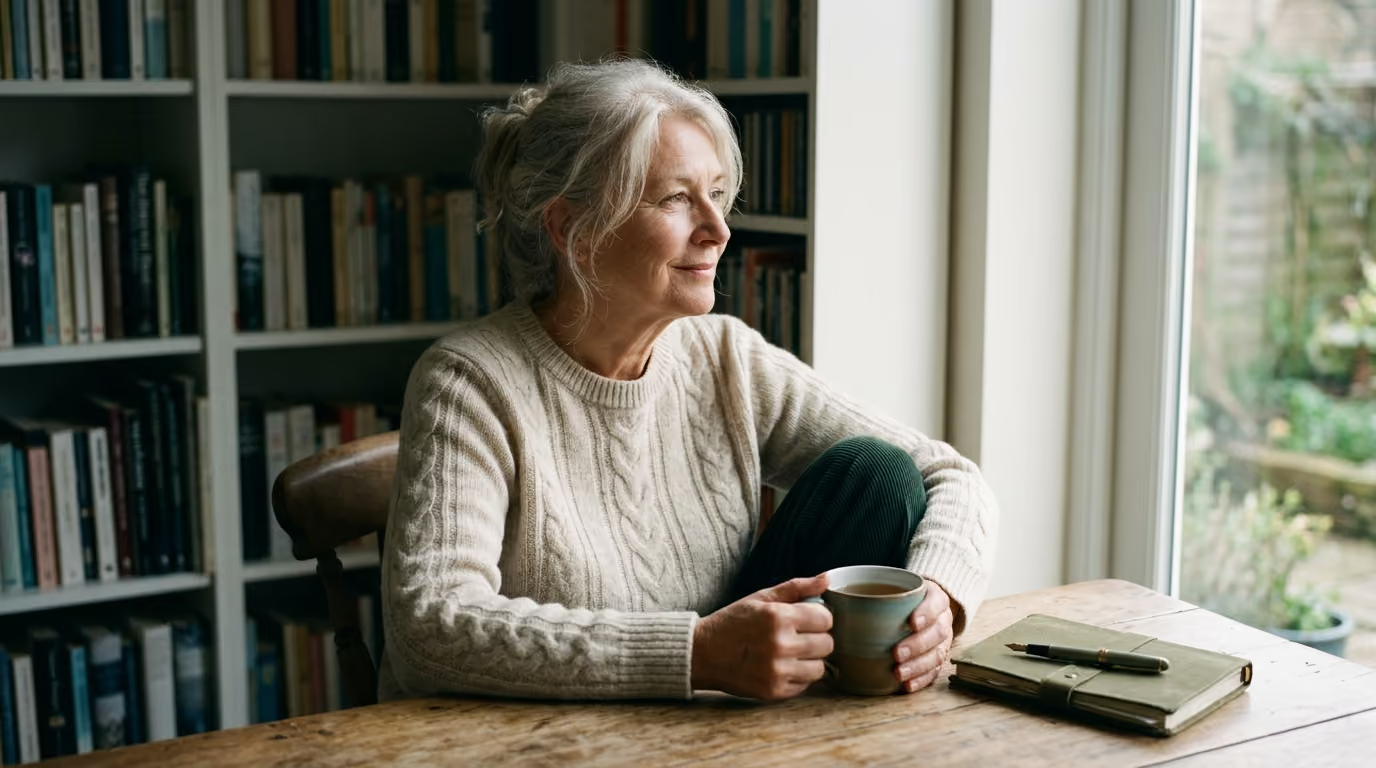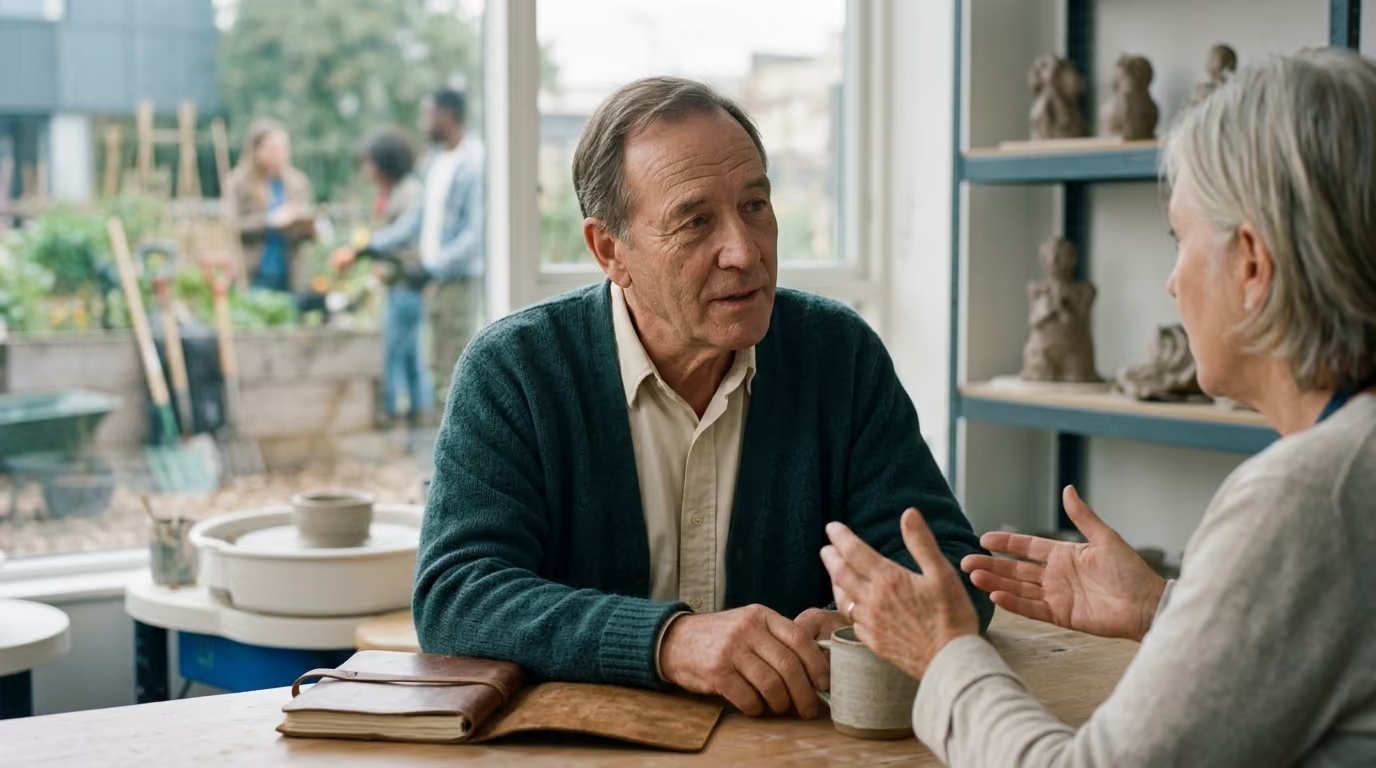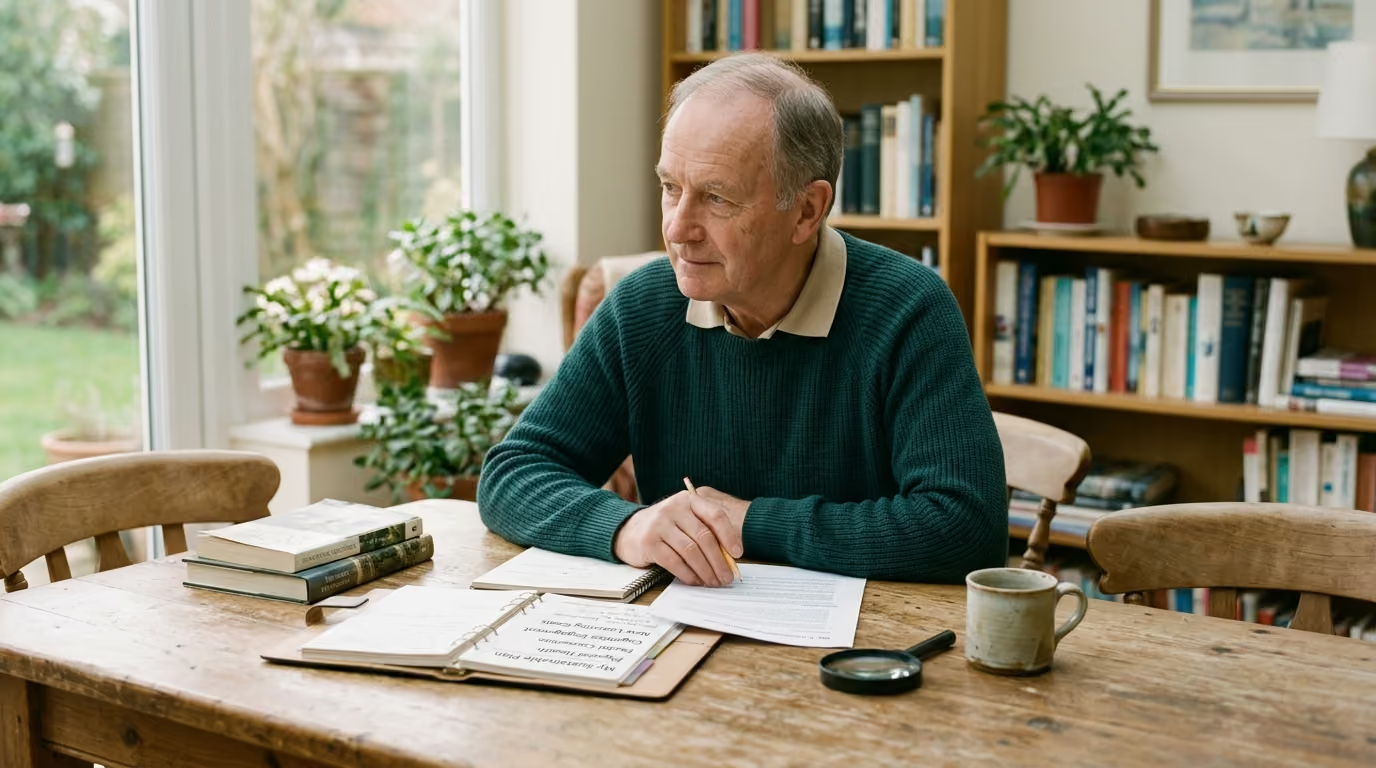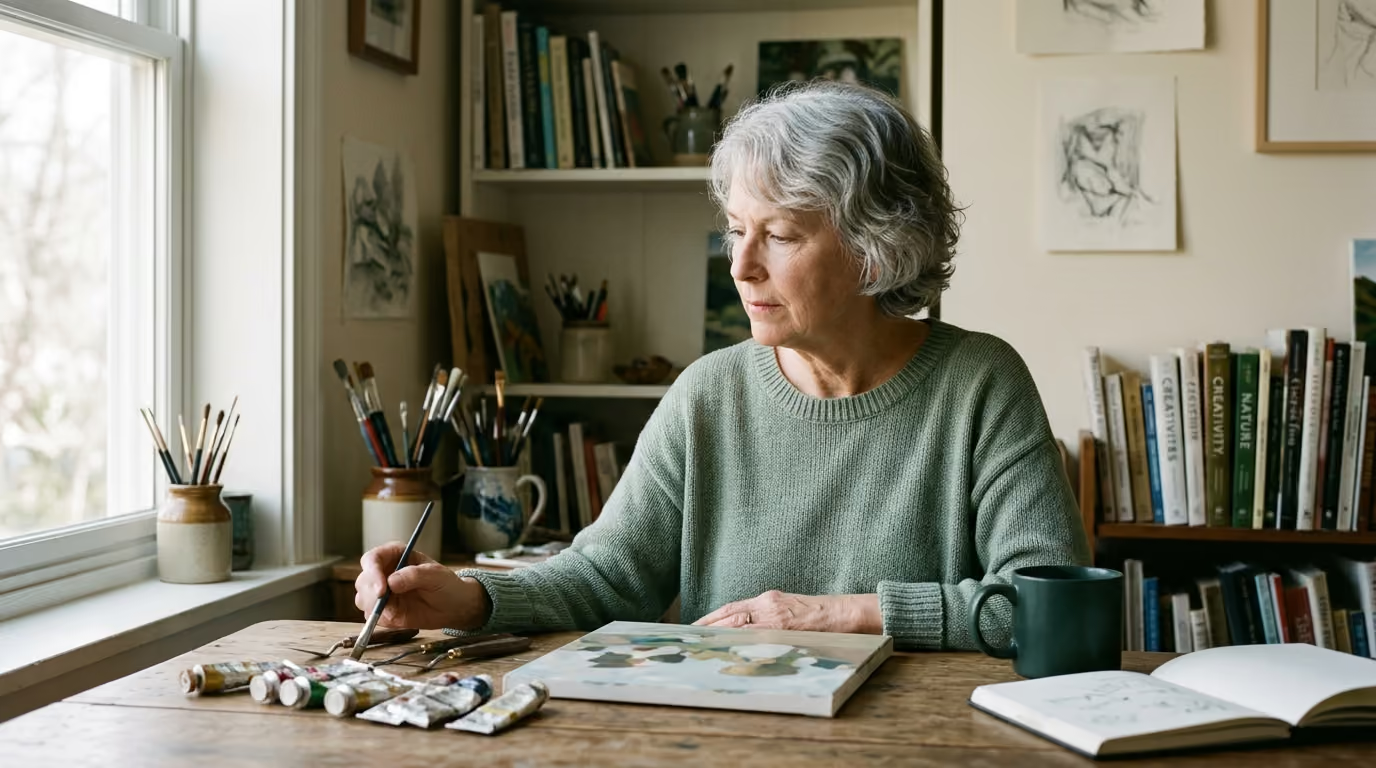

Artistic talent is not required for cognitive health, as creative practices actively build mental fitness, emotional balance, and lifelong resilience.





Many people search online for ways to keep their minds sharp after retirement without spending hours on repetitive puzzle apps. They want to know if creative activities like painting, writing, photography, or music can genuinely support brain health. The short answer is yes, but the reasons have less to do with artistic talent and far more to do with how creative habits engage your attention, memory, emotions, and social connections.
Mental fitness describes your capacity to direct attention, learn new skills, adapt to change, and maintain emotional balance. It is not a test where you pass or fail. Experiencing normal changes in processing speed as you age does not mean you have lost the ability to grow mentally.
When you engage in creative work, you activate multiple neurological networks at the same time. Making a photograph, writing a paragraph, or learning a melody requires working memory, spatial reasoning, fine motor control, and sensory processing. This combined effort stimulates neuroplasticity, which is the brain's ability to form and reorganize synaptic connections in response to learning and experience.
Creative activity also encourages focused absorption, often called flow. During flow, you select an action, monitor the result, correct errors, and adjust your plan. These steps exercise the brain's executive control network. Working on creative tasks gives your brain structured, manageable novelty, which helps support long-term cognitive resilience.
Scientific interest in arts participation has grown significantly over the last two decades. Researchers examine how creative tasks influence cognitive performance, mood, and physical markers of health in older adults.
The World Health Organization published a comprehensive review of more than three thousand studies on arts and health. The report concluded that arts participation plays a meaningful role in health promotion, illness prevention, and well-being management across the lifespan. Active engagement, such as playing an instrument or drawing, often shows distinct advantages over purely receptive activities like listening to a lecture.
Clinical studies also show positive trends for mood. Systematic reviews of creative arts interventions for older adults with depressive symptoms report consistent improvements in emotional well-being. These outcomes appear across visual art, drama, music, and rhythmic movement, with especially strong outcomes in programs led by trained creative arts therapists.
Cognitive benefits have also been documented in structured learning studies. Research highlighted by the National Institute on Aging found that older adults who learned complex skills, such as digital photography or quilting, showed greater memory improvements than those who engaged only in social visits or passive entertainment. The mental effort required to master new software, handle camera settings, and compose images provided the necessary stimulus for memory gains.
It is equally important to recognize the limits of current research. Many studies on arts and aging are observational. Healthier, more socially connected individuals with higher incomes may simply have more time and resources to join arts programs. Scientists call this possibility reverse causation. While creative pursuits offer clear opportunities for mental stimulation, they are not guaranteed cures for neurodegenerative conditions or clinical mood disorders.
To understand why creative practice supports mental fitness, it helps to examine the underlying mechanisms. Rather than viewing art as a single magic remedy, we can look at six distinct pathways through which creative work influences the mind and body.
Novelty is one of the most reliable ways to stimulate the central nervous system. When you learn a new creative process, your brain must build new neural pathways.
Examples of creative learning include:
The level of technical difficulty matters less than the sense of manageable novelty. A beginner learning basic watercolours often receives more cognitive stimulation than an expert repeating a familiar landscape technique. To keep learning active, you simply need to try an unfamiliar medium or add a new constraint.
Executive function includes planning, working memory, mental flexibility, and self-monitoring. Creative production requires constant decision-making and error correction.
When you draft a memoir scene, you choose a perspective, organize chronological details, and adjust sentence rhythm. When you design a functional object, you define constraints, select materials, and adjust for physical balance. These tasks require your brain to hold multiple variables in mind at once while resisting distractions.
This ongoing problem-solving trains mental flexibility. You learn to tolerate ambiguity when a project does not turn out as expected, which helps build cognitive adaptability in daily life.
Creative work provides symbolic and nonverbal outlets for complex emotions. Life transitions after 60 frequently involve grief, identity shifts, retirement adjustments, or changes in physical capacity.
Expressive practices allow you to organize these feelings constructively:
Creative expression does not always bring immediate calm. It can sometimes bring up unresolved grief or painful memories. If a creative project causes emotional distress, pause the activity and speak with a healthcare provider or a licensed counselor.
Many creative pursuits involve coordinated physical movement. Engaging your body alongside your mind supports blood flow to the brain, which reinforces neurological health.
Movement arts, such as structured rhythmic movement, tai chi forms, and walking photography, require balance, motor planning, and aerobic effort. Systematic reviews show that regular rhythmic movement improves lower-body strength, dynamic balance, and flexibility in older adults.
Even seated visual arts demand fine motor coordination, hand-eye integration, and posture maintenance. Combining physical movement with cognitive intent creates a powerful dual-task stimulus that supports both physical and mental resilience.
Social isolation and loneliness are recognized risk factors for cognitive decline, cardiovascular disease, and depression in older adults. Meaningful social engagement protects against these outcomes by providing intellectual stimulation and emotional support.
Creative groups create natural opportunities for connection that do not rely solely on small talk. Participants bond over shared challenges, technical troubleshooting, and collaborative projects.
Contribution is an especially strong element of this pathway. Older adults often find renewed purpose by using their creative skills to serve others:
Studies show that having a strong sense of purpose in life is associated with better cognitive outcomes and lower mortality risk in older adults. Creative contribution offers a direct way to build that purpose.
Reflecting on your life history helps consolidate personal identity and integrate past experiences. Creative work offers a structured method for this reflective process.
Projects that support life review include:
Reminiscence through creative practice does not require total historical accuracy. The goal is to explore meaning, celebrate resilience, and share personal wisdom.
You do not need to leap directly into complex projects or public performances. The Creative Practice Ladder provides five progressive stages of engagement. You can move up or down the ladder depending on your daily energy, health, and interests.
The goal of this stage is to direct your attention outward and train observation. It requires very little physical energy and zero artistic experience.
Examples include:
At this stage, you create something small and brief without evaluating its quality. The focus is entirely on the physical act of making.
Examples include:
This stage introduces structured novelty and deliberate skill acquisition, which maximizes cognitive stimulation.
Examples include:
Sharing introduces social connection, feedback, and communication into your practice.
Examples include:
The final stage uses your developed skills or organizational efforts to support and enrich your community.
Examples include:
Each creative medium presents unique cognitive demands and physical considerations. Choosing the right medium depends on your personal interests, physical comfort, and lifestyle.
Writing engages verbal memory, narrative sequencing, language retrieval, and emotional processing. It requires minimal financial investment and can be adapted to any schedule.
Recommended starting projects:
Common challenges and adaptations:
Visual arts challenge spatial reasoning, hand-eye coordination, fine motor skills, and visual discrimination. Working with tangible materials encourages tactile awareness and deep concentration.
Recommended starting projects:
Common challenges and adaptations:
Digital photography combines physical mobility, technical learning, and compositional problem-solving. It offers immediate visual feedback and requires no drawing skill.
Recommended starting projects:
Common challenges and adaptations:
Rhythmic physical movement integrates physical exercise, spatial memory, rhythm, balance, and social interaction. It is one of the most effective dual-task activities for older adults.
Recommended starting projects:
Common challenges and adaptations:
Music engages auditory processing, breath regulation, pattern recognition, and emotional memory. Group singing also provides social synchrony, which helps reduce stress hormones.
Recommended starting projects:
Common challenges and adaptations:
Design focuses on solving everyday problems rather than personal self-expression. It exercises practical reasoning, measurement, spatial planning, and empathy.
Recommended starting projects:
Common challenges and adaptations:
Developing a creative practice does not require large blocks of open time or dedicated studio space. Consistency and low friction are the keys to long-term adherence.
The simplest way to start is by establishing a brief, daily observational habit. Choose a fixed time of day, such as right after morning coffee or right before dinner.
During this window, perform one focused task:
Keeping the session short prevents mental fatigue and removes performance anxiety. It establishes a repeatable habit that builds focus over time.
For larger pursuits like music, community projects, or woodworking, use a structured weekly schedule. Dedicate one afternoon per week to focused practice, combined with a brief planning session beforehand.
A reliable weekly structure looks like this:
Organizing your creative efforts this way prevents clutter and provides a clear sense of progress. You can explore deeper learning techniques in our guides on retirement and mental fitness to help structure your weekly routines.
Several persistent myths prevent older adults from exploring creative pursuits. Understanding the reality helps remove unnecessary barriers to entry.
Many people believe that if they were not good at drawing or music in school, creative activities are a waste of time. In reality, your brain benefits from the effort of learning, planning, and executing new tasks, not from the commercial quality of the result. Beginners often gain greater neurological stimulation than experienced artists because everything they do requires conscious attention.
Sensational articles sometimes claim that painting or playing an instrument makes your brain immune to cognitive decline. Science does not support these absolute claims. Engaging in challenging activities builds cognitive reserve, which helps your brain cope better with age-related changes, but it does not guarantee total protection against disease. Creative habits should be part of a comprehensive lifestyle that includes physical exercise, balanced nutrition, quality sleep, and regular medical care.
It is common to group all arts activities under a single label. However, learning complex choreography provides different physical and spatial benefits than writing a memoir or playing in an orchestra. Choosing an activity that targets your specific interests and physical abilities produces far better results than forcing yourself into a medium that does not fit your goals.
Some people worry that joining an arts group means they must exhibit their work, perform on stage, or face critical judgment. While sharing can build connection, private practice is completely valid and often more restful. You have full control over what you choose to share and what you keep private.
Living with chronic health conditions, joint stiffness, or sensory changes does not mean you have to give up creative pursuits. Modifying your tools and environment allows you to stay engaged safely and comfortably.
Arthritis, stiffness, and essential tremors can make fine detail work frustrating. Simple equipment adjustments can reduce strain on your fingers and wrists:
Age-related vision changes, including cataracts or macular degeneration, require thoughtful lighting and material selection:
Hearing loss can make crowded music or drama groups stressful. You can maintain your connection to sound and performance with a few environmental tweaks:
If you manage chronic fatigue or mild cognitive impairment, prioritize short, structured creative sessions:
You can learn more about managing cognitive health in our section on brain aging and neuroplasticity.
Your physical environment strongly influences whether a creative habit lasts. Setting up a low-friction space makes it easy to begin without complex preparation.
If getting your supplies out takes twenty minutes, you will rarely practice. Designate a small, dedicated spot in your home that remains ready for use:
If you do not have space for a permanent table, assemble a portable creative kit in a tote bag or small rolling cart. Store your supplies together so you can carry them to the kitchen table in one trip.
Creative pursuits do not need to be expensive. Many fulfilling practices require minimal financial investment:
Starting with low-cost materials keeps the focus on curiosity and practice rather than financial pressure.
If you decide to join a class, choir, or workshop, evaluating the environment beforehand ensures a positive experience. Look for programs that emphasize learning, safety, and community rather than intense competition.
Key features of a well-designed community arts program:
If you attend a group and feel overwhelmed, excluded, or pressured, remember that it reflects that specific group's culture, not your ability. Try a different instructor or format until you find an environment where you feel supported. For broader strategies on maintaining an active lifestyle, review our lifestyle and brain resilience articles.
When discussing lifestyle habits and mental fitness at your next appointment, these questions can help you integrate creative practice safely:
To explore clinical research on maintaining memory and focus, browse our memory and cognitive performance resources.
You do not need a complete artistic plan to begin. Follow this simple checklist to start your creative practice over the next seven days:

Follow FitBrainLab for research-led insights on memory, focus, brain aging, nutrition and mental fitness after 60. Stay connected for new articles, practical guidance and ideas for a sharper, more engaged life.


Build habits that support memory, focus and a curious, connected life.
Read the Blog